Plot Summary
Beneath the Carrot-Scented Light
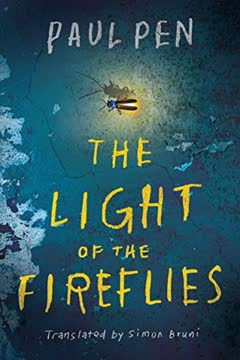
A boy grows up in a windowless basement, his only world the family around him: a scarred father, a mother with a whistling nose, a masked sister, a simple brother, and a blind grandmother. The air is thick with carrot soup and secrets. The father insists the outside world is full of pain, using the boy's own burn as a warning. The door is always "open," but the boy is made to feel that leaving would mean abandoning his family and entering a world of unbearable suffering. The boy's longing for sunlight is met only by a patch of light on the floor, a daily reminder of a world he cannot touch. The family's love is both a comfort and a prison, and the boy's innocence is shaped by the stories and rules that keep him below ground.
The Birth and the Mask
The family's fragile routine is shattered when the masked sister gives birth on the kitchen table, surrounded by the others. The birth is raw and painful, the sister's face always hidden behind a white mask, her screams muffled and her identity obscured. The baby's arrival brings both hope and tension, as the sister's relationship to the child is ambiguous and fraught. The boy is both fascinated and frightened by the rituals of birth and the strict rules about what he can and cannot see. The mask becomes a symbol of everything unspoken in the family: shame, trauma, and the need to hide. The baby's first experience of the world is the dim, artificial light of the basement, and the boy's first act as an uncle is to show him the only sunlight they know—a fleeting patch on the floor.
Eggs, Cacti, and Secrets
The boy's world is filled with small mysteries: an egg he hopes will hatch, a cactus that symbolizes survival, and a book of secret codes. His mother encourages his hope, even as his father crushes it with a lesson about unfertilized eggs. The boy's attempts to nurture life—a chick, a cactus, fireflies—are met with both encouragement and disappointment. The family's rituals, from folding towels to giving thanks for food, are laced with tension and unspoken pain. The boy's brother escapes into the world of Oz, while the grandmother teaches him to read and write. The boy's longing for connection and understanding is met with half-truths and gentle lies, as the adults try to protect him from the reality of their confinement.
The Chick That Never Was
The boy's hope for new life is embodied in the egg he keeps warm, convinced it will hatch. With the help of his mother and grandmother, he imagines the birth of a chick—a moment of magic and wonder. But when his father intervenes, the chick vanishes, leaving only an empty shell and a stain. The grandmother soothes him with a story of escape, but the boy is left with a sense of loss and confusion. The episode becomes a metaphor for the family's situation: hope and imagination are all that sustain them, but reality always intrudes. The boy's longing for freedom is mirrored by the chick's imagined flight, and the fireflies that begin to appear become a new source of wonder and possibility.
Locked Doors and False Walls
The boy's belief in the open door is shattered when he tries to escape during a crisis and finds it locked. The family's world is revealed to be a box within a box, with no true exit. The father's authority is absolute, and the boy's attempts at rebellion are met with punishment and manipulation. The grandmother's stories and the mother's gentle lies are all that keep hope alive. The fireflies become a symbol of light in the darkness, but the boy begins to understand that the walls around him are not just physical—they are built from secrets, shame, and fear. The family's rituals and routines are revealed as coping mechanisms, ways to survive in a world with no escape.
The Fireflies Arrive
As the boy collects fireflies in a jar, their green glow becomes a source of comfort and fascination. The fireflies are both real and imagined, a magical presence in the otherwise bleak basement. The boy uses them to soothe the crying baby, to light his own way, and to communicate with the world outside. The family's hunger grows, and the rituals around food become more desperate. The fireflies symbolize the boy's resilience and creativity, his ability to find beauty and meaning even in confinement. But their light is fragile, and the boy's attempts to share it with others are met with suspicion and misunderstanding.
The Cricket Man's Shadow
The father's invention of the Cricket Man—a monster who punishes disobedient children—becomes a tool of control and fear. The boy's terror of the Cricket Man is both real and symbolic, a manifestation of the family's collective guilt and trauma. The story is used to keep the children in line, to explain away the noises and dangers of the basement, and to justify the family's isolation. The boy's encounters with the Cricket Man blur the line between reality and imagination, and his fear becomes a way for the adults to maintain their authority. The Cricket Man's presence is a constant reminder of the dangers that lurk both inside and outside the family.
Hunger, Rats, and Rituals
As food runs low, the family's rituals around meals become more strained. The appearance of rats in the basement adds a new layer of danger and disgust. The baby is attacked, and the family's ability to protect itself is called into question. The boy's attempts to help—laying poison, comforting the baby—are met with both gratitude and blame. The family's unity begins to fray, as old wounds and resentments resurface. The rituals that once provided comfort now feel hollow, and the boy's sense of safety is eroded by the constant threat of hunger and violence.
The Mask and the Face
The sister's mask becomes a focal point for the family's secrets and shame. The boy's curiosity about her face is met with warnings and evasions. When the mask is finally removed, the truth is both shocking and liberating: her face is unscarred, untouched by the fire that marked the others. The mask was a punishment, a way to hide her from herself and the family. The revelation forces the boy to question everything he has been told, and to see his sister—and himself—in a new light. The mask becomes a symbol of the lies that have kept the family together and apart.
The Family's Hidden Past
The narrative shifts to the past, revealing the family's life before the basement. A tragic accident, a missing girl, and a series of desperate decisions set the stage for their self-imposed exile. The boy's brother, brain-damaged from a fall, becomes both victim and perpetrator, his actions leading to the death of the girl and the family's collective guilt. The adults choose to hide the crime, burying the girl in the septic tank and sealing their fate. The daughter's complicity and resentment fester, and the family's unity is built on a foundation of lies and silence. The descent into the basement is both literal and metaphorical—a retreat from a world that can no longer forgive them.
The Girl on the Rocks
The discovery of the girl's body by the boy's brother is a turning point. The family's decision to hide the evidence, to protect their own at the expense of justice, haunts them all. The daughter's attempt to expose the truth is thwarted, and the family's isolation becomes complete. The fire that later consumes the house is both punishment and escape, erasing the evidence but leaving scars that will never heal. The family's descent into the basement is an act of desperation, a last attempt to stay together in the face of overwhelming guilt and fear.
The Pact of Silence
The family's survival depends on a pact of silence, enforced by oaths and threats. The grandmother's rosary becomes a tool of coercion, binding the children to secrecy. The boy's loyalty is tested as he learns more about the family's past and the true nature of their confinement. The rituals of confession and forgiveness are hollow, unable to erase the trauma that binds them. The boy's longing for truth and freedom is at odds with the family's need for secrecy, and the tension between them grows unbearable.
The Descent into Darkness
The family's world is destroyed by fire, both literal and metaphorical. The daughter's betrayal leads to an attack on the house, and the family is forced to retreat into the basement for good. The fire leaves them scarred and broken, their numbers reduced and their hope diminished. The basement becomes both sanctuary and tomb, a place where the past cannot be escaped and the future is uncertain. The boy's sense of self is shattered, and the family's rituals become empty gestures in the face of overwhelming loss.
The Fire and the Mask
In the aftermath of the fire, the family's scars—physical and emotional—define their relationships. The mask becomes both a punishment and a shield, a way to control and contain the sister's difference. The boy's attempts to understand his family are met with resistance and denial. The rituals of daily life are now tinged with bitterness and regret. The fireflies, once a symbol of hope, are revealed to be imaginary, a coping mechanism for the boy's loneliness and longing. The family's unity is maintained only by force and fear.
The Baby's True Father
The truth about the baby's parentage is finally revealed: the boy's simple brother is the father, the result of abuse and neglect. The family's attempts to hide this truth have only deepened the wounds. The sister's attempts to kill the baby are both an act of desperation and a cry for help. The boy's faith in his family is shattered, and he must choose between loyalty and honesty. The rituals of confession and forgiveness are no longer enough to hold the family together, and the boy's longing for escape becomes overwhelming.
The Plan to Escape
The boy and his sister form a secret alliance, planning to use the wardrobe passage to escape the basement. The plan is fraught with danger and uncertainty, and the boy's trust in his sister is tested by her own history of lies and manipulation. The rituals of daily life become a cover for their preparations, and the boy's longing for freedom is matched by his fear of the unknown. The fireflies become a symbol of hope once more, guiding him toward the possibility of a new life.
The Wardrobe Passage
The escape plan is set in motion, and the boy must navigate the wardrobe passage, evading the Cricket Man and the family's attempts to stop him. The journey is both physical and psychological, a test of courage and resolve. The boy's faith in his own perceptions is shaken, and he must rely on his imagination and the lessons he has learned from his family. The fireflies, the chick, and the patch of sunlight become symbols of the world he hopes to find. The passage is both a tunnel to freedom and a confrontation with the family's deepest secrets.
The World Beyond the Basement
The boy emerges from the basement into a world that is both familiar and strange. The fireflies are revealed to be imaginary, but their light endures in his memory. The family's secrets are laid bare, and the boy must come to terms with the truth about his past and his place in the world. The rituals of daily life are transformed into acts of healing and reconciliation. The boy's journey is both an escape and a return, as he learns to forgive his family and himself. The light of the fireflies becomes a symbol of hope, resilience, and the possibility of redemption.
Characters
The Boy (Narrator)
The youngest member of the family, the boy is born into the basement and knows no other world. His innocence is both a shield and a vulnerability, as he is shaped by the stories, rituals, and lies of his family. He is curious, imaginative, and resilient, finding wonder in small things—fireflies, eggs, cacti—even as he senses the darkness around him. His relationships with his parents, siblings, and grandmother are complex, marked by love, fear, and confusion. As he grows, he becomes increasingly aware of the secrets that bind and divide his family, and his longing for truth and freedom becomes the driving force of the narrative. His psychological journey is one of awakening, loss, and ultimately, forgiveness.
The Sister
The sister is a figure of mystery and pain, her face always hidden behind a mask. She is both victim and perpetrator, marked by trauma and resentment. Her relationship with the boy is ambivalent—protective, manipulative, and ultimately redemptive. She is the mother of the baby, the result of abuse within the family, and her attempts to escape or destroy the child are both acts of desperation and rebellion. The mask becomes a symbol of her shame and the family's need to control her. Her psychological arc is one of suffering, resistance, and, in the end, tragic liberation.
The Father
The father is the family's authority, his burned face a constant reminder of past trauma. He rules the basement with a mix of love, fear, and manipulation, using stories like the Cricket Man to control his children. His need to protect the family leads to ever-greater isolation and secrecy. He is both protector and jailer, his actions driven by guilt and a desperate desire to keep the family together. His relationship with each family member is fraught, and his psychological complexity is revealed in moments of tenderness, rage, and regret.
The Mother
The mother is a figure of warmth and sorrow, her whistling nose and scarred face symbols of both resilience and loss. She is the family's emotional center, offering comfort and gentle lies to protect her children. Her complicity in the family's secrets is both a survival strategy and a source of guilt. She teaches the boy to read, encourages his imagination, and tries to shield him from the worst of their reality. Her psychological journey is one of endurance, sacrifice, and the slow, painful process of letting go.
The Brother
The brother is brain-damaged from a childhood accident, living in a world of his own. He is both innocent and dangerous, his actions leading to the family's downfall. He is the father of the baby, the result of abuse and neglect, and his presence is a constant reminder of the family's guilt. He escapes into the world of Oz, his laughter and rituals both comforting and unsettling. His psychological state is one of arrested development, and his role in the family is both central and marginal.
The Grandmother
The grandmother is the family's spiritual anchor, her blindness both literal and symbolic. She enforces the pact of silence, using her rosary as a tool of control and comfort. She teaches the boy to read and write, and her stories are both a source of hope and a means of repression. Her faith is tested by the family's actions, and her psychological journey is one of guilt, resignation, and the search for redemption.
The Baby
The baby is born into the basement, the product of incest and abuse. He is both a source of hope and a reminder of the family's darkest secrets. His survival is threatened by his own mother, and his presence forces the family to confront the limits of their love and forgiveness. He is a blank slate, a symbol of the possibility of renewal and the weight of inherited trauma.
The Grandfather (The Cricket Man)
The grandfather is largely absent from the narrative, but his actions and decisions shape the family's fate. He is the architect of the basement, the keeper of the final escape route, and the one who ultimately enables the boy's freedom. His role as the Cricket Man is both literal and symbolic, embodying the family's fears and the possibility of redemption. His psychological arc is one of guilt, sacrifice, and the hope of atonement.
The Missing Girl
The missing girl is the victim whose death sets the family's tragedy in motion. Her presence haunts the narrative, a reminder of the consequences of secrecy and denial. She is both innocent and symbolic, her fate a mirror of the family's own self-destruction.
The Daughter (in the Past)
The daughter in the family's past is both a victim and a witness, her actions and decisions shaping the family's fate. Her resentment and desire for justice lead to the exposure of the family's secrets, and her psychological journey is one of guilt, anger, and the longing for belonging.
Plot Devices
Confinement and Ritual
The story's structure is built around the family's physical confinement in the basement, mirrored by psychological and emotional imprisonment. Rituals—meals, prayers, oaths, and daily routines—are used to create a sense of order and meaning, but also to suppress and control. The use of the mask, the locked doors, and the stories of the Cricket Man serve as both literal and symbolic barriers. The narrative employs foreshadowing through recurring motifs—fire, light, eggs, and insects—hinting at both the possibility of escape and the inevitability of loss. The shifting perspectives and timeframes reveal the layers of secrecy and guilt that bind the family, and the gradual revelation of the past provides context for the present. The use of imagination and magical realism—fireflies, the chick, the patch of sunlight—blurs the line between reality and fantasy, reflecting the boy's psychological state and the family's need for hope.
Analysis
The Light of the Fireflies is a haunting meditation on the ways families survive—and are destroyed by—their secrets. Paul Pen's narrative is both claustrophobic and luminous, using the metaphor of the basement to explore the psychological effects of guilt, shame, and generational trauma. The story interrogates the limits of love and forgiveness, asking what we are willing to do to protect those we love, and at what cost. The rituals and lies that sustain the family are both acts of care and violence, and the boy's journey is a testament to the resilience of the human spirit. The fireflies, both real and imagined, symbolize the possibility of hope and renewal even in the darkest circumstances. The novel's ultimate lesson is that freedom and healing require both the courage to face the truth and the willingness to forgive—not only others, but ourselves. In a world where so many live in metaphorical basements, Pen's story is a powerful reminder that the light we seek is often the one we carry within.
Last updated:
Review Summary
The Light of the Fireflies follows a 10-year-old boy living in a basement with his disfigured family. Reviews are deeply divided: many praise Pen's immersive writing and atmospheric tension, comparing it to Room, while others criticize the disturbing content and controversial ending. The unnamed family's dark secrets—involving murder, abuse, and imprisonment—provoke strong reactions. Critics either find the finale poetically justified or morally repugnant, particularly regarding the sister character's treatment and fate. Common praise includes the child narrator's authenticity and suspenseful pacing, while complaints center on the story's misogyny, implausible plot elements, and what many see as excusing abuse through family loyalty.