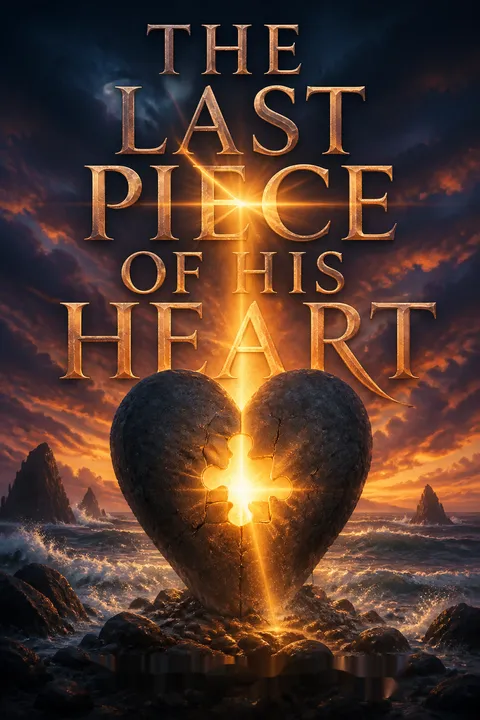

Plot Summary
Broken Boys, Broken Homes
Ronan Wentz, haunted by his mother's murder at his father's hands, is interrogated by police for a violent crime he may not have committed. His life is a cycle of violence, foster care, and self-loathing, convinced he's doomed to repeat his father's sins. Meanwhile, Shiloh Barrera, raised by her great-grandmother Bibi after her mother's cold rejection, struggles with the ache of being unwanted. Both are marked by abandonment and pain, their hearts armored against further hurt. Their stories begin in parallel, each desperate for connection but terrified of repeating the past. The emotional weight of their childhoods sets the stage for a journey of healing, love, and the search for a place to belong.
Gifts, Goodbyes, and Gaps
Shiloh's summer in New Orleans ends with a bittersweet farewell. She gives handmade jewelry to her family, hoping for warmth from her mother, Marie, but receives only a flicker of emotion. The gap between them is palpable, leaving Shiloh questioning her worth and the reason for her existence. Returning to California, she finds comfort in Bibi's unconditional love and encouragement for her jewelry business. Yet, the ache of her mother's absence lingers, fueling her drive to succeed and prove herself. The chapter captures the ache of wanting love from someone unable to give it, and the quiet strength found in chosen family.
New Town, New Wounds
Aged out of foster care, Ronan arrives in Santa Cruz, hoping for family with his uncle Nelson. Instead, he's offered a transactional relationship: work as a handyman in exchange for a roof. School is alienating, and his violent reputation precedes him. When he intervenes in a bullying incident, defending Miller Stratton, he's suspended, reinforcing his belief that he's only seen as a threat. The hope for a fresh start is quickly dashed, replaced by the familiar sting of being misunderstood and unwanted. Ronan's isolation deepens, but a fragile bond with Miller hints at the possibility of friendship.
Defenders and Dangers
Ronan, Miller, and Holden Parish form an unlikely trio—the "Lost Boys"—each carrying scars from their pasts. Their sanctuary is a hidden shack by the ocean, a place to escape and share their burdens. Ronan's protective instincts flare as he defends Miller from bullies and abusive adults, but violence always follows, threatening to consume him. Shiloh, meanwhile, meets Ronan when he's hired to build her workshop. Their initial encounters are charged with tension, curiosity, and the unspoken recognition of shared pain. The threat of violence—both external and internal—hangs over them, testing their ability to trust and care for one another.
Boundaries and Beginnings
Shiloh and Ronan's guarded interactions slowly give way to vulnerability. Shiloh tends to Ronan's wounds, both physical and emotional, and he, in turn, listens to her fears about her mother and her future. Their conversations are raw, honest, and often uncomfortable, but they begin to see each other beyond their defenses. The Lost Boys' friendship deepens, providing a sense of belonging none have known before. Yet, the specter of their pasts—abuse, neglect, and self-doubt—remains ever-present, threatening to sabotage the fragile beginnings of love and trust.
The Lost Boys' Pact
The shack becomes a haven for Ronan, Miller, and Holden, a place where they can be themselves without judgment. They share secrets, dreams, and fears, forging a brotherhood that transcends blood. Each boy battles his own demons—Miller's unrequited love, Holden's trauma, Ronan's rage—but together, they find strength. Shiloh is drawn into their orbit, her connection with Ronan growing deeper. The sense of found family is a balm for their wounds, offering hope that they can break the cycles of pain that have defined their lives.
Bruises, Bonds, and Barriers
Ronan's protective violence escalates, drawing the attention of dangerous men like Mitch Dowd, a corrupt cop. When Ronan is brutally attacked, Shiloh nurses him back to health, staying up all night to guard him from nightmares. Their bond intensifies, but so do the risks. The threat to their safety—and to their hearts—forces them to confront the barriers they've built. Shiloh's mother's reappearance and cryptic warnings add another layer of emotional complexity, as Shiloh grapples with her origins and the fear of repeating her mother's mistakes.
Sparks in the Backyard
The chemistry between Shiloh and Ronan becomes undeniable, culminating in a passionate, vulnerable encounter. Their physical connection is electric, but emotional intimacy proves harder. Both are haunted by the belief that they are unworthy of love, and the fear that letting someone in will only lead to more pain. The joy of their union is tempered by the ever-present threat of violence and the unresolved wounds of their pasts. The chapter captures the exhilaration and terror of falling in love when you've only known heartbreak.
Unraveling and Rebuilding
Shiloh's jewelry shop, the culmination of her dreams and hard work, is vandalized in a targeted attack. The destruction is devastating, threatening her livelihood and sense of self. Ronan blames himself, convinced his presence brings only harm. As Shiloh spirals into despair, her family rallies around her, but the weight of her mother's secret—her conception through rape—threatens to break her. Ronan's attempts to protect her lead to his own downfall, as he's accused of a crime he didn't commit. Both must find the strength to rebuild, even as everything they've worked for is torn apart.
Nightmares and New Chances
Ronan, facing a wrongful conviction, chooses to plead guilty to protect Shiloh from further harm. He cuts her off, believing she's better off without him, and is sentenced to ten years in prison. Shiloh, left behind, discovers she's pregnant and must decide whether to keep the baby. With Bibi's support and her mother's tentative attempts at reconciliation, Shiloh chooses to raise her son, August, building a life for him and for the hope that Ronan might one day return. The pain of separation is acute, but the love between them endures, shaping their choices and their futures.
Shattered Glass, Shattered Dreams
Three years into Ronan's sentence, Frankie Dowd, wracked by guilt and broken by his own father's abuse, confesses the truth: Ronan is innocent. The revelation sets in motion Ronan's release and the possibility of a new beginning. Shiloh, who has waited and struggled, is finally able to hope again. Their reunion is raw and cathartic, a collision of longing, anger, and relief. The truth not only frees Ronan but also offers a chance for healing and redemption for all involved.
Confessions and Consequences
Ronan and Shiloh's reunion is both passionate and fraught, as they navigate the scars left by years of pain and separation. Ronan meets his son, overwhelmed by the love and responsibility he feels. Together, they confront the ghosts of their pasts—Shiloh's mother's trauma, Ronan's guilt, and the legacy of violence that has haunted them. Forgiveness is hard-won, but their commitment to each other and to their family is unshakeable. The consequences of their choices ripple outward, touching friends, family, and even former enemies.
Love in the Ruins
Ronan and Shiloh marry, surrounded by the found family they've built. Their love, forged in adversity, becomes a foundation for new beginnings. They raise August together, support each other's dreams, and offer second chances to those who need them—like Frankie Dowd, who is given a job and a place to live. The Lost Boys, once adrift, are reunited, their bonds stronger for all they've endured. The story ends not with a fairy tale, but with the hard-won peace and joy that comes from choosing love, again and again, in the face of life's hardships.
Sacrifice and Silence
Ronan's time in prison is marked by sacrifice—he refuses contact with Shiloh, believing it's the only way to keep her safe and allow her to move on. Shiloh, meanwhile, raises their son with the help of Bibi and her mother, struggling with loneliness and the ache of missing Ronan. Both are haunted by what might have been, but neither can truly let go. Their love endures in silence, shaping their choices and sustaining them through the darkest days.
Second Chances, New Life
With Ronan's exoneration, the possibility of a second chance becomes real. He returns to Santa Cruz, unsure if he's worthy of forgiveness or love. Shiloh, who has never stopped loving him, welcomes him home, introducing him to their son and inviting him to build a life together. Their reunion is a testament to the power of forgiveness and the resilience of the human heart. Together, they offer second chances not only to each other but to those around them, creating a community built on empathy and hope.
Coming Home, Coming Clean
Ronan and Shiloh's journey comes full circle as they confront the last of their secrets and fears. Shiloh's mother, after years of silence, begins to heal and support her daughter. Bibi, the steadfast matriarch, continues to anchor the family. The Lost Boys—Ronan, Miller, and Holden—are reunited, their found family stronger than ever. Ronan and Shiloh marry, surrounded by those they love, and look to the future with hope. Their story is one of coming home—not to a place, but to each other and to themselves.
Full Circle, Found Family
Years later, Ronan and Shiloh have built a life together, raising August and welcoming new children. Their home is filled with laughter, love, and the friends who have become family. The Lost Boys, once broken and lost, are whole. The story ends with a sense of peace and fulfillment, a reminder that home is not a place but the people who love us. The journey from brokenness to belonging is complete, and the last piece of Ronan's heart is finally found.
Analysis
Emma Scott's The Last Piece of His Heart is a powerful exploration of trauma, healing, and the transformative power of love and chosen family. Through the dual narratives of Ronan and Shiloh, the novel delves into the lasting scars of abuse, abandonment, and violence, while offering a hopeful vision of redemption and second chances. The story refuses to offer easy answers or fairy-tale resolutions; instead, it honors the messy, nonlinear process of healing and the courage required to trust and love after betrayal. The found family at the heart of the novel—anchored by the Lost Boys' brotherhood and Bibi's unwavering support—demonstrates that home is not a place, but the people who choose to love and stand by us. The book's handling of difficult topics—sexual assault, domestic violence, and the legacy of trauma—is sensitive and nuanced, emphasizing empathy and the importance of breaking cycles of pain. Ultimately, The Last Piece of His Heart is a testament to the resilience of the human spirit, the necessity of forgiveness, and the enduring truth that we are more than the sum of our wounds. It is a story for anyone who has ever felt lost, and a reminder that love—imperfect, hard-won, and fiercely chosen—can lead us home.
Review Summary
The Last Piece of His Heart is the final book in Emma Scott's Lost Boys series, focusing on Ronan and Shiloh's love story. Readers praise the emotional depth, character development, and portrayal of found family. The book explores themes of overcoming trauma, self-acceptance, and the power of love. Many consider it the best in the series, with a beautifully written epilogue. While some felt it was slightly long, most found it a satisfying conclusion. Reviewers consistently commend Scott's writing style and ability to create compelling, relatable characters.
Characters
Ronan Wentz
Ronan is a young man forged in trauma—his mother's murder by his father, years in foster care, and a legacy of violence he fears he cannot escape. He is fiercely protective, quick to defend those he loves, but convinced he is doomed to repeat his father's sins. His relationship with Shiloh is both salvation and torment, as he struggles to believe he is worthy of love. Ronan's journey is one of learning to trust, to accept forgiveness, and to build a life beyond survival. His development is marked by moments of vulnerability, sacrifice, and ultimately, the courage to choose love over fear.
Shiloh Barrera
Shiloh is defined by the ache of her mother's rejection and the warmth of her great-grandmother Bibi's love. Creative, driven, and guarded, she pours herself into her jewelry business as a way to prove her worth. Her relationship with Ronan challenges her to open her heart, confront her deepest wounds, and accept that she is deserving of love. Shiloh's journey is one of self-discovery, healing, and the creation of a chosen family. Her strength lies in her vulnerability, her capacity for forgiveness, and her unwavering commitment to those she loves.
Bibi Barrera
Bibi is Shiloh's great-grandmother and the emotional center of the story. Wise, loving, and unconditionally supportive, she provides the stability and acceptance that both Shiloh and Ronan crave. Bibi's home is a sanctuary, her guidance gentle but firm. She encourages Shiloh to pursue her dreams, to open her heart, and to forgive. Bibi's presence is a reminder that family is not defined by blood, but by love and choice. Her eventual decline is a poignant reminder of the passage of time and the importance of cherishing those we love.
Miller Stratton
Miller is one of the Lost Boys, a talented musician who has endured homelessness, poverty, and unrequited love for his best friend, Violet. His stoicism masks deep pain, but his loyalty to Ronan and Holden is unwavering. Miller's journey is one of learning to accept love, to fight for what he wants, and to believe in his own worth. His friendship with Ronan is a lifeline, offering both men a sense of belonging and purpose.
Holden Parish
Holden is the third Lost Boy, a brilliant but troubled young man scarred by trauma and rejection. His flamboyance and wit mask deep insecurity and a longing for love. Holden's struggles with addiction, mental health, and his sexuality are handled with sensitivity, and his eventual romance with River Whitmore is a testament to the power of vulnerability and trust. Holden's friendship with Ronan and Miller is transformative, offering him the family he never had.
Marie Barrera
Shiloh's mother, Marie, is a complex figure—her love is withheld, her pain buried deep. The revelation that Shiloh is the product of rape explains, but does not excuse, her emotional distance. Marie's journey is one of slow healing, as she begins to support her daughter and seek help for her own trauma. Her relationship with Shiloh is fraught but ultimately hopeful, a reminder that forgiveness and understanding are possible, even after years of hurt.
August Barrera-Wentz
August is the son of Ronan and Shiloh, conceived in the midst of chaos and raised in love. His presence is a catalyst for healing, forcing both parents to confront their fears and embrace the possibility of happiness. August represents the future—the chance to break the cycles of pain and create a new legacy. His innocence and joy are a balm for the wounds of the past.
Frankie Dowd
Frankie is initially a bully and antagonist, shaped by his father's abuse and his own insecurities. His actions cause immense harm, but his eventual confession and willingness to face the consequences mark a turning point. Frankie's journey is one of reckoning and redemption, as he seeks to make amends and find a place in the world. His story is a reminder that even those who cause pain are often in pain themselves.
Maryann Greer
Maryann is a tenant in Ronan's apartment complex, struggling to provide for her twin daughters. Her resilience and kindness offer Ronan a glimpse of what family can be. She intervenes at a crucial moment, saving Ronan from further harm, and later becomes a symbol of the second chances that define the story. Maryann's journey is one of survival, hope, and the quiet heroism of everyday life.
Nelson Wentz
Nelson is Ronan's uncle, a man shaped by his own failures and regrets. His relationship with Ronan is transactional and often cold, but his eventual bequest of the apartment complexes provides Ronan with the means to build a new life. Nelson's death is a turning point, forcing Ronan to confront his past and embrace the responsibilities of adulthood. His character is a reminder that even flawed people can offer gifts that change lives.
Plot Devices
Dual Narratives and Parallel Trauma
The novel employs alternating perspectives, allowing readers to experience both Ronan and Shiloh's inner worlds. Their parallel traumas—abandonment, violence, and the search for belonging—create a sense of inevitability in their connection. The dual narrative structure deepens empathy, highlighting how two broken people can find healing in each other. The use of parallelism—mirrored scenes of rejection, violence, and hope—reinforces the theme that love and family are choices, not accidents of birth.
Found Family and Chosen Bonds
The Lost Boys' pact and the creation of a found family are central to the story. The shack by the ocean is both a literal and symbolic refuge, a place where pain is shared and burdens are lightened. The bonds between Ronan, Miller, and Holden—and later, Shiloh—are forged in adversity and sustained by loyalty. The narrative uses these relationships to explore the idea that family is not defined by blood, but by love, trust, and mutual support.
Cycles of Violence and Redemption
Violence is both a threat and a temptation for Ronan, who fears becoming his father. The story uses foreshadowing—bruised knuckles, nightmares, and warnings—to build tension around whether he will succumb to or break the cycle. Redemption is a recurring motif, as characters like Frankie and Marie seek forgiveness and a chance to start over. The plot hinges on moments of reckoning—confessions, sacrifices, and acts of courage—that allow for healing and growth.
Secrets, Revelations, and Healing
The narrative is driven by secrets—Shiloh's parentage, Ronan's past, and the true nature of the crimes committed. The gradual revelation of these truths is handled with care, allowing characters to process and heal. The use of confessions—both voluntary and forced—serves as a catalyst for change, forcing characters to confront their pain and make choices about their futures. Healing is depicted as a messy, nonlinear process, requiring honesty, vulnerability, and the willingness to trust.
Symbolism and Motifs
Shiloh's jewelry is a symbol of her creativity, resilience, and desire to make something beautiful from pain. The shack by the ocean represents sanctuary, transformation, and the power of chosen family. The ocean itself is a recurring motif, symbolizing both the vastness of possibility and the danger of being adrift. The use of motifs—broken glass, bruises, and the act of rebuilding—reinforces the themes of resilience, hope, and the possibility of new beginnings.
Lost Boys Series

About the Author
Download PDF
Download EPUB
.epub digital book format is ideal for reading ebooks on phones, tablets, and e-readers.








































