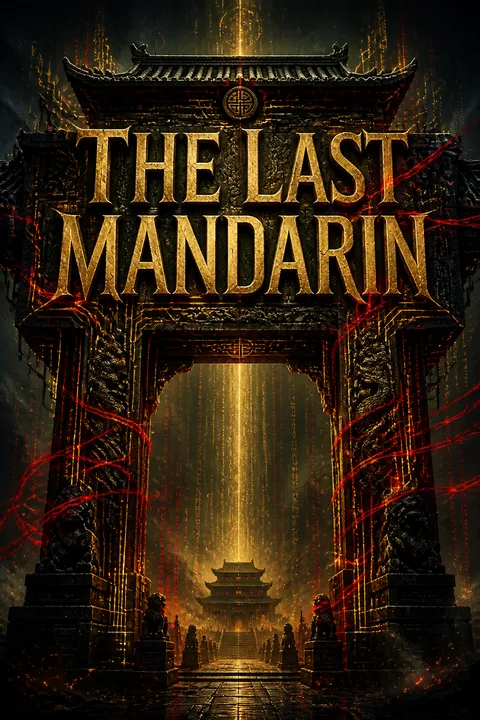

Plot Summary
Alarms Across the World
The novel opens with Alice Li, a food blogger, enduring a tense brunch with her mother, Vivien, a renowned Chinese dissident, in a luxury Washington, DC hotel. Suddenly, every alarm—phones, fire, civil defense—sounds worldwide, causing chaos and fear. The event is not isolated: planes, ships, and cities everywhere are thrown into confusion. The alarms stop as abruptly as they began, leaving the world shaken and searching for answers. This unprecedented event is the catalyst that draws Alice, Vivien, and the world's intelligence communities into a spiraling crisis, exposing vulnerabilities and igniting old and new fears.
Mother, Daughter, Dissident
Alice's relationship with her mother is fraught with resentment, cultural expectations, and unspoken pain. Vivien, a celebrated activist who survived Tiananmen and built a life in exile, is both revered and feared by her children. Their brunch is a microcosm of their dynamic: Vivien's shadow eclipses Alice, who feels invisible and inadequate. The alarms force them together, but also highlight their emotional distance. The chapter explores the psychological scars of diaspora, the burden of parental legacy, and the longing for approval and connection that drives both women, even as they push each other away.
White House Interrogations
Alice and Vivien are summoned to the White House, where top US officials—including the President—grill them about Alice's friend Liam, who has just died under mysterious circumstances in Hong Kong. The US government suspects a link between Liam's death and the global alarm event, possibly orchestrated by China. The interrogation is tense, with layers of mistrust and cultural misunderstanding. Vivien's status as a dissident gives her access but also makes her suspect. The chapter exposes the paranoia and urgency gripping world leaders, and the personal cost to those caught in the crossfire of geopolitics.
The Death of Liam
Alice learns that Liam, her close friend and possible love interest, has drowned in Hong Kong. The circumstances are suspicious, and the US intelligence community believes he was murdered for what he discovered. Liam's last communication to Alice—a photo and a cryptic message about food—becomes a potential clue. Alice is devastated, wracked with guilt and longing, but also determined to uncover the truth. The chapter delves into grief, the pain of unfinished relationships, and the way personal loss becomes entangled with global intrigue.
The Global Panic
As news spreads that the alarm event was truly global, panic and confusion ripple through societies. Planes nearly crash, ships are abandoned, and cities are paralyzed. The world's intelligence agencies scramble to understand what happened, suspecting a cyberattack from China. The event exposes the fragility of modern life and the ease with which trust and order can collapse. Alice, Vivien, and their family are swept up in the uncertainty, forced to confront their own fears and the possibility that nothing is as it seems.
Secrets and Sacrifices
Alice and Vivien's journey takes them deeper into their family's past. Vivien reveals the trauma of her childhood during the Cultural Revolution, her brother's fate as the legendary Tank Man, and the choices she made to survive. The chapter explores the psychological toll of betrayal, the burden of secrets, and the ways in which survival often demands impossible sacrifices. Alice begins to see her mother not just as a tyrant, but as a wounded survivor, and starts to question her own assumptions about loyalty and identity.
The Ghosts of Tiananmen
The legacy of Tiananmen Square haunts both Vivien and Alice. Vivien's brother, believed to be the iconic Tank Man, becomes a symbol of resistance and loss. The chapter examines the power of myth, the manipulation of history, and the personal cost of becoming a symbol. Vivien's silence about her brother's fate is both protective and isolating, and Alice's fantasies about her family's heroism are shattered by the messy, painful reality. The ghosts of the past refuse to rest, shaping the present crisis.
The Code in the Bun
Liam's last message—a photo of himself holding a coconut bun, and a list of food-related clues—becomes the key to unraveling the conspiracy. Alice, drawing on her food blogger's eye for detail, realizes the message is coded. The coconut bun, which Liam was deathly allergic to, is a deliberate signal. The chapter explores the intersection of culture, memory, and espionage, as Alice and Vivien follow the trail through food stalls, bakeries, and cryptic references, racing to decode the warning before the next attack.
The Hunt for Pangu
The investigation leads to the discovery of Pangu, a shadowy organization named after the Chinese god of creation and destruction. Pangu is orchestrating the attacks, using advanced AI and the global food supply chain as weapons. The group's origins are tied to Vivien and her ex-husband, Liu, who once dreamed of peaceful reform but now find their creation has become monstrous. The hunt for Pangu becomes a race against time, as Alice, Vivien, and their allies try to stop the next, deadlier attack.
The Tomb's Hidden Army
The trail leads to Xi'an and the tomb of Qin Shi Huang, guarded by the Terracotta Warriors. Pangu's headquarters is hidden within the tomb, protected by ancient traps and modern technology. Alice, Vivien, and their companions must navigate a labyrinth of history, myth, and danger. The tomb becomes a metaphor for China's buried traumas and the persistence of the past. The chapter is charged with suspense, as the team faces both physical and psychological peril in their quest to stop Pangu.
The Traitor Within
As the final attack approaches, it becomes clear that Pangu has infiltrated the highest levels of both the US and Chinese governments. Trusted advisors are revealed as traitors, and the lines between friend and enemy blur. The chapter explores the corrosive effects of mistrust, the ease with which ideals can be corrupted, and the loneliness of leadership. Alice and Vivien must decide whom to trust, even as they realize that betrayal is often born of desperation and fear.
The Final Countdown
With minutes to spare, Alice and her allies discover that Pangu's ultimate weapon is an AI-driven cyberattack that will launch nuclear missiles and plunge the world into chaos. The code to stop the attack is hidden in Nüshu, the secret language of Chinese women, embroidered into a childhood photograph. In a moment of clarity, Alice deciphers the code and halts the countdown at the last second. The chapter is a breathless climax, blending ancient wisdom with modern technology, and highlighting the power of marginalized voices to change history.
The Language of Women
The revelation that Nüshu—a language created by women to communicate in secret—holds the key to saving the world is both poetic and profound. The chapter reflects on the ways in which women's knowledge, often dismissed or hidden, can become a source of salvation. Auntie Gugu, the unassuming baker, is unmasked as the true leader of Pangu, her power concealed in plain sight. The story honors the resilience and ingenuity of those who survive by being invisible.
The Collapse of Trust
In the wake of the averted apocalypse, governments scramble to restore order and reckon with the depth of the betrayal. Trusted officials are arrested, and the world is forced to confront the vulnerabilities exposed by the crisis. Alice and Vivien return home, forever changed by what they have seen and done. The chapter explores the difficulty of rebuilding trust, the necessity of accountability, and the possibility of forgiveness, both personal and political.
The Last Mandarin
Vivien, once the last mandarin—a symbol of a lost world—must come to terms with her own complicity and the limits of her power. She and Alice, having survived together, begin to rebuild their relationship on new terms. The chapter is a meditation on legacy, the burden of history, and the courage required to face the truth. The story ends not with triumph, but with a fragile, hard-won peace, and the recognition that survival often demands both sacrifice and grace.
The End and the Beginning
The novel closes with Alice and Vivien returning to their family, changed but not broken. The world, too, is altered—more aware of its fragility, but also of its capacity for resilience. The lessons of the crisis linger: the importance of listening to the overlooked, the dangers of unchecked power, and the enduring strength of love and connection. The story ends with a sense of possibility, as the survivors look to the future, determined to build something better from the ruins of the past.
Analysis
A modern parable of power, trauma, and resilienceThe Last Mandarin is a sweeping, high-stakes thriller that uses the conventions of the genre to explore deeper questions of identity, legacy, and the cost of survival. At its heart, the novel is about the ways in which personal and political histories are intertwined: the traumas of the past—whether familial or national—shape the present, often in ways that are hidden or denied. The story interrogates the allure and danger of myth, the ease with which ideals can be corrupted, and the necessity of reckoning with uncomfortable truths. The use of Nüshu as the key to saving the world is both a celebration of marginalized voices and a critique of the systems that render them invisible. The novel warns against the seductions of certainty, the perils of unchecked power, and the corrosive effects of secrecy and betrayal. Yet it also offers hope: that healing is possible, that trust can be rebuilt, and that the overlooked and underestimated—women, exiles, the traumatized—can become agents of change. In a world increasingly defined by division and fear, The Last Mandarin is a call to listen, to remember, and to choose connection over destruction.
Review Summary
Characters
Alice Li
Alice is a Chinese-American food blogger whose ordinary life is upended by global catastrophe and personal loss. Overshadowed by her famous mother, Vivien, Alice struggles with feelings of inadequacy, invisibility, and resentment. Her journey is both external—deciphering codes, chasing conspiracies—and internal, as she confronts her own fears, grief, and longing for connection. Alice's outsider status becomes her strength: her attention to detail, cultural fluency, and empathy allow her to see what others miss. Through trauma and danger, she grows into a courageous, resourceful leader, ultimately saving the world by trusting her instincts and embracing her heritage.
Vivien Li
Vivien is a legendary Chinese activist, survivor of Tiananmen, and mother to Alice and Kevin. Her public persona is formidable—brilliant, uncompromising, and revered—but privately, she is wounded by loss, betrayal, and the burden of leadership. Vivien's relationship with her children is strained by her emotional distance and high expectations. Her past is marked by impossible choices: betraying her parents to save her brother, sacrificing love for survival, and creating Pangu in the hope of peaceful reform. As the crisis unfolds, Vivien is forced to confront her own complicity, the limits of her power, and the need for forgiveness. Her arc is one of reckoning and, ultimately, reconciliation.
Liu Tongzheng
Liu is Vivien's ex-husband, Alice's father, and a high-ranking Chinese intelligence officer. Once an idealist, he helped create Pangu but became disillusioned as it turned violent. His survival instincts and ability to navigate shifting allegiances make him both a valuable ally and a source of suspicion. Liu's greatest secret is that he saved Vivien's brother, Tank Man, rather than betraying him. His relationship with Alice is marked by absence, longing, and the pain of unfinished love. Liu's arc is one of atonement, as he risks everything to help his family and stop the catastrophe he helped set in motion.
Kai-wen (Tank Man)
Kai-wen, Vivien's brother, is believed to be the iconic Tank Man of Tiananmen Square. Presumed dead, he has lived in hiding in Taiwan, running a noodle shop and serving as a secret informant. Haunted by trauma and survivor's guilt, Kai-wen is both a symbol and a man, longing for peace but drawn back into the struggle by his family's need. His presence grounds the story in history, and his quiet wisdom and resilience offer a counterpoint to the chaos around him. Kai-wen's arc is one of reluctant re-engagement, as he chooses to act when it matters most.
Ming-na
Ming-na is Kai-wen's wife and co-conspirator, running the noodle shop and serving as a key link in the resistance network. Practical, resourceful, and fiercely loyal, she provides emotional ballast for her husband and the group. Ming-na's skepticism and sharp questions often drive the investigation forward, and her courage in moments of crisis is decisive. Her arc is one of transformation, as she moves from supporting role to active participant, risking everything for the cause and her family.
Liam Palmer
Liam is Alice's friend and possible love interest, whose mysterious death in Hong Kong sets the plot in motion. A food blogger and covert agent, Liam's final message—a coded photo and list—becomes the key to unraveling Pangu's plot. His warmth, humor, and vulnerability make his loss deeply felt, and his legacy is the thread that binds the personal and political stakes of the story. Liam's arc is posthumous, but his presence lingers as a symbol of the cost of truth and the power of small acts of courage.
Auntie Gugu
Auntie Gugu is Liu's aunt, an unassuming baker in Hong Kong who is ultimately revealed as the true leader of Pangu. Her power lies in her invisibility: dismissed as a harmless old woman, she gathers intelligence and orchestrates events from the margins. Auntie Gugu's use of Nüshu, the secret language of women, is both a practical tool and a metaphor for the overlooked wisdom of the marginalized. Her arc is a revelation of the ways in which power can be hidden in plain sight, and the dangers of underestimating the quiet and unseen.
President Fraser Pardington
The US President is a pragmatic, empathetic leader caught in an impossible situation. Surrounded by traitors and facing global catastrophe, Pardington must navigate shifting alliances, personal loss, and the limits of his own knowledge. His relationship with Vivien is one of mutual respect, and his willingness to listen to outsiders becomes crucial. Pardington's arc is one of humility and adaptation, as he learns to trust unlikely allies and make decisions with incomplete information.
President Chen Jiayang
China's President is a complex figure: ruthless, cunning, and deeply insecure. His grip on power is threatened by internal betrayal and external attack. Chen's arc is one of reckoning, as he confronts the consequences of his own actions and the limits of control. His moments of vulnerability and humor humanize him, even as he remains a formidable antagonist.
Grant McAllister & Kathleen Wells
McAllister, the US Director of National Intelligence, and Kathleen, the President's Chief of Staff, represent the dangers of unchecked ambition and the ease with which ideals can be corrupted. Both are revealed as traitors, their actions driven by a mix of ideology, resentment, and personal grievance. Their arcs are cautionary tales about the fragility of trust and the corrosive effects of secrecy and power.
Plot Devices
Global Cyberattack as Catalyst
The novel's inciting incident—a simultaneous global alarm—serves as both a literal and metaphorical wake-up call. It disrupts daily life, exposes the fragility of modern systems, and forces characters into action. The event is a masterstroke of narrative structure, immediately raising the stakes and uniting disparate threads. It also foreshadows the deeper, more insidious attacks to come, and sets the tone of paranoia, urgency, and uncertainty that pervades the story.
Intergenerational Trauma and Family Secrets
The psychological core of the novel is the fraught relationship between Alice and Vivien, shaped by generational trauma, cultural displacement, and the burden of survival. Family secrets—Vivien's role in her parents' fate, the true identity of Tank Man, Liu's ambiguous loyalties—are revealed in parallel with the unraveling of the global conspiracy. This mirroring deepens the emotional stakes and grounds the high-concept plot in intimate, relatable struggles.
Codes, Food, and Hidden Languages
The use of food as both literal sustenance and coded message is a recurring motif. Liam's coconut bun, the li bien ball, and the secret language of Nüshu all serve as plot devices that reward attention to detail and cultural knowledge. These devices highlight the power of the overlooked—women's languages, invisible labor, everyday rituals—to shape history and resist oppression. The narrative structure is built around the gradual decoding of these clues, blending suspense with cultural resonance.
The Tomb as Metaphor and Setting
The climax in the tomb of Qin Shi Huang is both a literal battleground and a metaphor for China's buried traumas. The Terracotta Warriors, ancient traps, and rivers of mercury evoke the persistence of the past and the dangers of unexamined history. The tomb's labyrinthine structure mirrors the complexity of the conspiracy and the psychological maze faced by the characters. The setting allows for a fusion of myth, history, and contemporary thriller, heightening both suspense and thematic depth.
Dual Timelines and Shifting Perspectives
The novel employs a shifting narrative perspective, moving between Alice, Vivien, Liu, and other key players. This structure allows for dramatic irony, as the reader knows more than any one character, and for the gradual revelation of secrets. The dual timelines—personal history and present crisis—intertwine, showing how past choices reverberate into the present. Foreshadowing is used skillfully, with early clues (the coconut bun, the scarf) gaining significance as the plot unfolds.
Betrayal and the Collapse of Trust
The infiltration of Pangu into the highest levels of government creates an atmosphere of pervasive mistrust. Characters must constantly question loyalties, and the narrative keeps the reader guessing about who can be trusted. This device heightens suspense and reflects the psychological toll of living in a world where nothing is certain. The ultimate revelation—that the overlooked and underestimated hold the key to salvation—subverts expectations and delivers a powerful message about the dangers of cynicism and the necessity of hope.








































