
Plot Summary
Newcomer Buys The Times
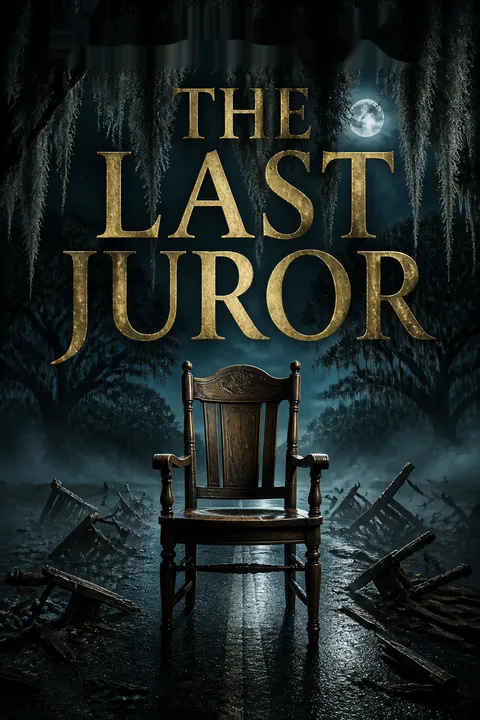
Willie Traynor, a 23-year-old college dropout from Memphis, unexpectedly becomes the owner of the bankrupt Ford County Times in rural Mississippi. With little experience but a sense of adventure, he dives into small-town journalism, quickly learning the quirks and prejudices of the community. The paper is on the brink, but Willie's energy and willingness to shake things up—by reporting on both black and white lives—begin to revive its fortunes. His outsider status makes him both a curiosity and a target, but he's determined to make his mark, even as he navigates the complex social hierarchies and simmering racial tensions of 1970s Mississippi.
Murder Shatters Ford County
The peace of Ford County is shattered when Rhoda Kassellaw, a young widow and mother, is raped and murdered in her home. The crime is especially horrifying because her children witness the attack and escape to a neighbor's house. The community reels in shock, and the Ford County Times, under Willie's leadership, covers the story in graphic detail, fueling both outrage and curiosity. The murder is quickly linked to Danny Padgitt, a member of the notorious Padgitt family, whose criminal reputation and influence have long cast a shadow over the county. The town's appetite for justice—and for sensational news—has never been greater.
The Padgitt Legacy Unveiled
The Padgitts, long known for their illicit enterprises and ability to evade the law, become the focus of public scrutiny. Their island fortress, history of violence, and rumored connections to organized crime are laid bare. The murder trial threatens to break their grip on the county, but their wealth and cunning make them formidable adversaries. Willie's reporting brings both admiration and danger, as the Padgitts retaliate with threats and violence, including a failed bombing of the Times office. The town's fear of the Padgitts is palpable, and the lines between law, order, and corruption blur.
Sensational Trial Begins
Danny Padgitt's trial becomes the event of the decade, drawing crowds and media attention. The prosecution's case is strong, with physical evidence and eyewitness testimony, but the defense, led by the combative Lucien Wilbanks, fights back with every legal maneuver. The trial exposes the town's divisions—racial, social, and moral. Willie's coverage is bold and unflinching, earning both praise and threats. The tension in the courtroom is matched only by the anxiety outside, as everyone wonders whether justice can prevail against the Padgitts' power.
Threats, Bombs, and Intimidation
As the trial progresses, the Padgitts escalate their campaign of intimidation. A bomb is discovered in the Times office, and Willie's photographer is assaulted. The message is clear: those who challenge the Padgitts risk their lives. The community is divided between those who want to stand up to the family and those who fear retribution. Willie, undeterred, arms himself and continues his fearless reporting, but the sense of danger is ever-present. The town's faith in its institutions is tested as the Padgitts' reach seems limitless.
Miss Callie's Table
Willie's unlikely friendship with Miss Callie Ruffin, a black matriarch with a remarkable family, becomes a source of comfort and insight. Over weekly lunches, he learns about her life, her children's academic achievements, and the quiet dignity of the black community. Miss Callie's wisdom and warmth offer Willie a new perspective on race, faith, and resilience. Their bond deepens as she becomes the first black juror in Ford County, symbolizing both progress and the persistent challenges of integration. Her table is a place of healing and hope amid the county's turmoil.
The Ruffin Family's Triumph
The Ruffin family's achievements—seven children with PhDs—become a celebrated story in the Times, challenging stereotypes and inspiring pride in Lowtown. Willie's profile of the family is a landmark in local journalism, bridging the racial divide and earning him both admiration and criticism. Miss Callie's steadfast faith and her family's success stand in stark contrast to the violence and corruption elsewhere in the county. Their story is a testament to perseverance, education, and the quiet revolution taking place in the South.
Jury Selection and Tensions
Jury selection for the Padgitt trial is fraught with anxiety and suspicion. The process is complicated by the Padgitts' reputation for bribery and intimidation, as well as the town's racial and social divisions. Miss Callie is chosen as the first black juror, a historic and controversial decision. The jurors are sequestered, and the community watches closely, aware that their verdict will have far-reaching consequences. The tension is palpable, as everyone wonders whether the jury can withstand the pressure and deliver justice.
The Trial's Emotional Toll
The trial is a harrowing ordeal for all involved. Graphic testimony and evidence retraumatize the Kassellaw family and the community. The jurors, especially Miss Callie, struggle with the weight of their responsibility. The defense's tactics sow doubt, but the prosecution's case is compelling. The trial exposes the deep wounds of the town—its history of violence, racism, and fear. Willie's reporting captures the emotional intensity, but he too is changed by the experience, questioning his own role and the limits of justice.
Verdict, Aftermath, and Division
The jury convicts Danny Padgitt of rape and murder, but cannot agree on the death penalty. He is sentenced to life in prison, a decision that angers many in the community. The verdict exposes divisions—between black and white, rich and poor, those who want vengeance and those who seek mercy. The Padgitts retreat to their island, but the sense of unease lingers. Willie reflects on the limits of the law and the cost of standing up to power. The town moves on, but the scars remain.
Integration and Change
The aftermath of the trial coincides with the court-ordered integration of Ford County's schools. The transition is turbulent but ultimately transformative, as black and white children learn side by side. The Times covers the changes, celebrating small victories and chronicling setbacks. The town's identity shifts, as old prejudices are challenged and new possibilities emerge. Willie's friendship with Miss Callie and the Ruffins becomes a symbol of the county's slow, painful progress toward equality.
The Long Wait
Life in Ford County settles into a new normal, but the memory of the Padgitt trial lingers. Willie grows the Times into a successful paper, but remains haunted by the events of the past. The Padgitts bide their time, and the community waits uneasily, knowing that "life" in prison does not always mean life. The threat of Padgitt's return hangs over the town, a reminder that justice is never fully secure. The passage of time brings both healing and the slow erosion of vigilance.
Parole, Fear, and Revenge
After serving only nine years, Danny Padgitt is paroled, thanks to political influence and legal maneuvering. The news sends shockwaves through Ford County, especially among the jurors who convicted him. The community is gripped by fear, as old threats resurface. Willie and the authorities scramble to protect the jurors, but the sense of safety is gone. The Padgitts' power seems undiminished, and the town braces for the possibility of revenge.
Jurors Targeted
One by one, jurors from the Padgitt trial are targeted. Lenny Fargarson, the "crippled boy," is shot on his porch. Mo Teale, another juror, is killed at work. Panic spreads as it becomes clear that someone is systematically seeking vengeance. The community rallies to protect the remaining jurors, but the killer is patient and methodical. The sense of dread is overwhelming, and the town's faith in justice is shaken to its core.
The Town on Edge
Ford County becomes a fortress, with neighbors guarding neighbors and law enforcement stretched thin. The remaining jurors live in fear, their lives upended by the threat of violence. The authorities struggle to find evidence, but the killer remains elusive. The town is paralyzed by suspicion and anxiety, as everyone wonders who will be next. Willie, now considering selling the Times, is torn between his desire for escape and his sense of responsibility to the community.
The True Killer Revealed
In a dramatic courtroom scene, Danny Padgitt is assassinated by a sniper—revealed to be Hank Hooten, the mentally ill former assistant prosecutor who had loved Rhoda Kassellaw. Hooten, driven by delusions and a sense of failed justice, had been targeting the jurors who spared Padgitt's life, blaming them for Rhoda's death. The revelation stuns the town, exposing the limits of law, the dangers of untreated trauma, and the unpredictable consequences of violence. The cycle of revenge is finally broken, but at a terrible cost.
Miss Callie's Final Days
The ordeal takes its toll on Miss Callie, who suffers a stroke and passes away surrounded by her family. Her death is mourned by the entire community, black and white alike. Willie, preparing to leave Ford County and the Times behind, reflects on the lessons of the past decade—the power of friendship, the cost of courage, and the slow, painful progress of justice. Miss Callie's legacy endures in the lives she touched and the barriers she broke, a beacon of hope in a county forever changed.
Analysis
A meditation on justice, community, and the slow march of changeThe Last Juror is more than a legal thriller; it is a profound exploration of the ways in which justice, memory, and community are intertwined. Through the lens of a small-town newspaper, Grisham examines the corrosive effects of fear, the dangers of unchecked power, and the possibility of redemption. The novel's emotional core is the friendship between Willie Traynor and Miss Callie Ruffin—a relationship that transcends race, class, and generational divides. Their bond is a microcosm of the county's potential for healing and progress. The story's central mystery—the targeting of jurors—serves as a vehicle for exploring the limits of law, the unpredictability of violence, and the enduring need for courage in the face of evil. Ultimately, The Last Juror is a testament to the power of ordinary people to effect extraordinary change, and a reminder that the arc of history, though often slow and painful, bends toward justice.
Review Summary
The Last Juror receives mostly positive reviews (3.96/5 rating), with readers praising Grisham's character development and vivid depiction of 1970s Mississippi small-town life. The story follows Willie Traynor, a young journalist who buys a local newspaper and covers a brutal rape-murder trial. Many appreciated the book's focus on social issues like racial integration and the Vietnam War, particularly Willie's friendship with Miss Callie, a beloved African-American woman. However, some found it slow-paced and less suspenseful than typical Grisham thrillers, with a predictable ending and wandering plot that disappointed those expecting a pure legal thriller.
People Also Read









Characters
Willie Traynor
Willie is a young, educated outsider who inherits the Ford County Times and becomes the unlikely chronicler of the town's most turbulent decade. His journey is one of self-discovery, as he navigates the complexities of small-town life, confronts corruption, and forms deep bonds across racial lines. Initially motivated by ambition and curiosity, Willie grows into a figure of integrity and empathy, using his platform to challenge injustice and bridge divides. His friendship with Miss Callie Ruffin transforms his understanding of community, race, and responsibility. By the end, he is both changed by and a catalyst for the county's evolution, embodying the tension between tradition and progress.
Miss Callie Ruffin
Miss Callie is the heart and soul of Ford County's black community—a woman of deep faith, wisdom, and resilience. As the first black juror in county history, she breaks barriers with grace and humility. Her home is a sanctuary, her table a place of healing and hope. The mother of seven PhDs, she embodies the power of education and perseverance. Her friendship with Willie is transformative for both, offering a model of interracial solidarity and mutual respect. Miss Callie's quiet strength anchors the narrative, and her death marks the end of an era. Her legacy is one of dignity, courage, and the belief that change is possible, even in the most unlikely places.
Danny Padgitt
Danny is the youngest member of the infamous Padgitt clan, whose wealth and lawlessness have long terrorized Ford County. Handsome, arrogant, and violent, he is both a product and a perpetrator of his family's legacy. His brutal crime and subsequent trial expose the town's deepest fears and divisions. Even in prison, his influence endures, and his early parole reignites old wounds. Danny's threats against the jury set in motion a cycle of fear and revenge that haunts the county for years. Ultimately, he is both a symbol of unchecked privilege and the tragic consequences of a community's failure to confront its own demons.
Lucien Wilbanks
Lucien is the last of a once-prominent family, now a disillusioned and abrasive defense attorney. He relishes unpopular causes and thrives on conflict, often blurring the line between zeal and recklessness. His defense of Danny Padgitt is both masterful and morally ambiguous, exploiting every loophole and sowing doubt wherever possible. Lucien's contempt for the town's conventions is matched only by his skill in manipulating them. He is both a necessary check on the system and a reminder of its flaws. His eventual downfall mirrors the decline of the old order he both represents and despises.
The Padgitt Family
The Padgitts are a clan of outlaws whose wealth, violence, and cunning have allowed them to operate above the law for generations. Their island stronghold is both a symbol and a source of their power. They are masters of bribery, intimidation, and retribution, and their influence permeates every institution in Ford County. The family's response to Danny's trial—threats, bombs, and eventual retreat—reveals both their strength and their vulnerability. They are the embodiment of the county's dark side, a force that must be confronted if justice is to prevail.
Hank Hooten
Hank is the assistant prosecutor at Danny Padgitt's trial, secretly in love with Rhoda Kassellaw. Traumatized by her murder and the jury's refusal to impose the death penalty, he descends into mental illness and is institutionalized. Years later, he emerges as the true killer, targeting the jurors he blames for denying justice. Hank's actions are both horrifying and pitiable, a manifestation of untreated trauma and the corrosive effects of violence. His story is a cautionary tale about the limits of law, the dangers of obsession, and the unpredictable consequences of unresolved grief.
Sheriff Mackey Don Coley
Sheriff Coley is the embodiment of the county's compromised justice system—a man whose long tenure is marked by cozy relationships with the Padgitts and a willingness to look the other way. His failure to protect the community and confront the Padgitts' crimes is both a cause and a symptom of the county's malaise. Coley's eventual defeat at the polls signals a shift in the community's values, but his legacy lingers in the culture of fear and impunity he helped create.
The Ruffin Children
Miss Callie's seven children, all PhDs, are a testament to the power of education, discipline, and family. Their success challenges the stereotypes and limitations imposed by a segregated society. Each is shaped by their mother's faith and determination, and together they represent the possibility of transformation—both personal and communal. Their return to Clanton in times of crisis underscores the enduring bonds of family and the importance of legacy.
Ernie Gaddis
Ernie is the district attorney who prosecutes Danny Padgitt, embodying the community's desire for justice. Experienced, methodical, and principled, he is both a stabilizing force and a symbol of the system's limitations. His pursuit of justice is complicated by the town's divisions and the Padgitts' influence, but he remains committed to the rule of law. Ernie's presence is a reminder that justice is both a process and a struggle, never guaranteed but always worth fighting for.
Margaret Wright
Margaret is the Times' loyal secretary and the backbone of the newspaper. Her quiet competence, moral clarity, and unwavering support make her indispensable to Willie and the paper's success. She navigates the challenges of a changing town with grace and resilience, offering both practical help and emotional support. Margaret's presence is a reminder of the unsung heroes who keep communities—and institutions—functioning, even in times of crisis.
Plot Devices
Small-Town Newspaper as Moral Arena
The Ford County Times is more than a backdrop; it is the crucible in which the town's dramas play out. Through Willie's eyes, the reader witnesses the intersection of personal ambition, public responsibility, and the relentless pursuit of truth. The newspaper becomes a battleground for competing narratives—sensationalism versus integrity, tradition versus progress, silence versus exposure. The act of reporting is itself a form of activism, shaping public opinion and forcing the community to confront its own contradictions. The Times' evolution mirrors the county's journey from insularity to engagement, from fear to hope.
The Corrupting Power of Fear
Fear is both a weapon and a contagion in Ford County. The Padgitts wield it to maintain their dominance, using violence and intimidation to silence opposition. The community's response—retreat, complicity, and occasional defiance—reveals the corrosive effects of living under constant threat. The plot is driven by cycles of fear and resistance, as characters struggle to balance self-preservation with the demands of conscience. The ultimate revelation—that the true killer is not a Padgitt but a broken man seeking his own form of justice—underscores the unpredictable consequences of unchecked fear.
The Jury as Microcosm
The jurors in the Padgitt trial are thrust into the center of the county's moral crisis. Their selection, deliberation, and eventual targeting by a killer transform them from bystanders to protagonists. The jury becomes a microcosm of the community—divided by race, class, and belief, but united by the weight of responsibility. Their fate is a commentary on the dangers of civic duty in a world where justice is both necessary and perilous. The secrecy of their deliberations, and the eventual revelation of their votes, is a masterful use of foreshadowing and dramatic irony.
Foreshadowing and Red Herrings
Grisham employs foreshadowing to build suspense, planting clues about the true killer's identity while directing suspicion toward the Padgitts. The threats against the jury, the history of violence, and the community's obsession with revenge all serve as red herrings, keeping the reader—and the characters—off balance. The eventual twist is both shocking and inevitable, a testament to the dangers of assuming that evil always wears a familiar face.
The Passage of Time
The novel's structure spans nearly a decade, allowing for a nuanced exploration of change—personal, communal, and historical. The long wait between the trial and Padgitt's parole, the slow progress of integration, and the gradual erosion of fear all contribute to a sense of realism and depth. Time is both a healer and a source of anxiety, as the past refuses to stay buried. The narrative's pacing mirrors the rhythms of small-town life, punctuated by moments of crisis and revelation.
About the Author








Download PDF
Download EPUB
.epub digital book format is ideal for reading ebooks on phones, tablets, and e-readers.








































