
Plot Summary
Howlers in the Trees
The story opens with young Harrison Shepherd and his mother, Salomé, seeking refuge in a Mexican hacienda. The howler monkeys' cries become a symbol of their fear and displacement, as Salomé's dreams of wealth and belonging unravel. Harrison, caught between cultures and languages, finds solace in books and the natural world, while his mother's ambitions and disappointments shape his early understanding of love, power, and survival. The lush, dangerous landscape mirrors their emotional turbulence, and the boy's acute observation of both people and animals foreshadows his lifelong search for connection and meaning.
The Rule of Fishes
Given a diving goggle by Leandro, the cook, Harrison discovers the vibrant society of fish beneath the sea. He is both enchanted and alienated, realizing that the fish move as one, leaving the outsider vulnerable. This underwater world becomes a metaphor for human society—how groups protect themselves and exclude the different. Harrison's longing to belong, yet always feeling outside, is established early. The lessons of the sea—about danger, unity, and loneliness—echo throughout his life, shaping his sense of self and his understanding of the world's cruelty and beauty.
Islands, Mothers, and Exile
Salomé's restless heart leads them from one failed relationship to another, always chasing security and love. Harrison is a witness to her romantic entanglements and the social hierarchies of Mexico, learning to navigate adult disappointments and the shifting sands of identity. The hacienda is both a prison and a sanctuary, and the boy's notebooks become his secret escape. The absence of a stable father figure and the constant threat of being cast out reinforce Harrison's sense of impermanence and the fragility of belonging.
The Lacuna's Secret Mouth
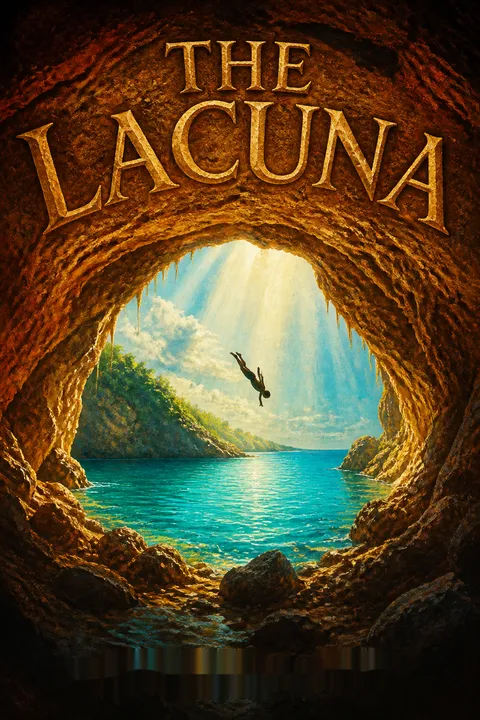
Harrison discovers a submerged cave—the lacuna—whose entrance appears and disappears with the tides. The cave is both a literal and metaphorical passage between worlds, filled with bones and ancient secrets. It represents the gaps in memory, history, and personal identity that will haunt Harrison's life. The lacuna is a place of transformation, where the boy confronts fear, mortality, and the possibility of escape. The recurring motif of the lacuna underscores the novel's exploration of what is hidden, forgotten, or lost.
Mexico City: Between Worlds
Harrison and Salomé move to Mexico City, where he attends a school for boys of "bad character" and becomes a market errand boy. The city is alive with political upheaval, artistic ferment, and the daily struggles of ordinary people. Harrison's encounters with Frida Kahlo and Diego Rivera, as well as his immersion in the markets and murals, deepen his awareness of class, race, and the power of art. He is both participant and observer, learning to translate between languages, cultures, and social worlds, but never fully at home in any.
Plaster, Paint, and Revolution
Working for Diego Rivera, Harrison is drawn into the vibrant, chaotic household of artists, cooks, and servants. He learns the craft of mixing plaster and the politics of art, witnessing the tensions between personal ambition and collective ideals. Frida Kahlo emerges as a complex figure—wounded, passionate, and fiercely independent—while Rivera's charisma and contradictions shape the household's dynamics. Harrison's role as a servant and observer allows him to see the fractures beneath the surface of revolutionary Mexico, as well as the possibilities of beauty and solidarity.
The Blue House Refuge
When Leon Trotsky and his wife Natalya take refuge in the Blue House, Harrison becomes their cook, typist, and confidant. The house is fortified against Stalin's assassins, and daily life is a blend of domestic routine and political intrigue. Harrison's relationship with Trotsky is marked by affection, admiration, and the burden of secrecy. The household becomes a microcosm of exile, loyalty, and the dangers of speaking truth to power. The lacuna—what is unsaid or erased—grows ever more significant as history closes in.
Trotsky's Shadow
The threat against Trotsky becomes reality as the household endures a violent attack and, eventually, Trotsky's murder. Harrison is traumatized by the violence and the lies that follow, as the press and authorities distort the truth. The loss of Trotsky and the disintegration of the household mark a turning point, forcing Harrison to confront the limits of loyalty, the unreliability of memory, and the dangers of being a witness in a world that prefers convenient fictions. The lacuna between truth and history widens, and Harrison's notebooks become both refuge and liability.
America's Hungry Hope
Returning to the United States, Harrison attends a military academy and befriends Billy "Bull's Eye" Boorzai, a streetwise survivor. The country is gripped by economic despair, and Harrison witnesses the Bonus Army's march on Washington and its brutal suppression. The lessons of the fish and the lacuna return—how societies close ranks, scapegoat outsiders, and erase inconvenient truths. Harrison's outsider status persists, and his longing for connection is met with suspicion and betrayal. The American dream is revealed as both promise and illusion.
The Bonus Army Burns
The Bonus Army's encampment is destroyed by the government, and Harrison's friend Bull's Eye is caught in the chaos. The episode crystallizes the novel's themes of power, exclusion, and the rewriting of history. Harrison's attempts to bear witness—to record what he sees—are met with indifference or hostility. The lacuna between lived experience and official narrative becomes a chasm, and Harrison's sense of self is further fractured by loss and disillusionment.
Art, Loyalty, and Betrayal
Settling in Asheville, North Carolina, Harrison finds unexpected fame as a writer of historical novels about Mexico. His secretary, Violet Brown, becomes his confidante and protector. As the Red Scare intensifies, Harrison's past associations with Rivera, Kahlo, and Trotsky are used against him. The press, government, and public turn on him, eager to make firewood from the fallen tree. The cost of truth-telling becomes unbearable, and Harrison is forced to choose between silence and self-betrayal.
The Howlers' Chorus Rises
The House Un-American Activities Committee, the FBI, and loyalty boards descend on Harrison, twisting his words and history into evidence of treason. Friends and colleagues distance themselves, and even his books are banned or burned. The howlers' chorus—media, politicians, and public opinion—drowns out reason and compassion. Harrison's identity is reduced to rumor and innuendo, and the lacuna between who he is and what the world believes grows insurmountable.
The American Dream Fractures
As the witch hunts intensify, Harrison's world contracts. Violet Brown remains his steadfast ally, but the pressures of suspicion and exclusion take their toll. The American dream of hope and inclusion is revealed as fragile and conditional, dependent on conformity and silence. Harrison's attempts to write, to love, and to live authentically are thwarted by the relentless demands of loyalty and the hunger for scapegoats. The lacuna—what cannot be said or known—becomes both prison and sanctuary.
The Unforgiving Spotlight
The press and government's relentless scrutiny turn Harrison's life into a spectacle, distorting his relationships, achievements, and very self. The boundaries between fiction and reality blur, as his novels are used as evidence against him. The cost of fame is isolation, and the desire for understanding is met with misunderstanding and malice. The howlers' chorus demands confession or disappearance, and Harrison is left with only the silence of truth.
The Silence of Truth
As the pressure mounts, Harrison considers burning his notebooks and erasing his own story. Violet, however, preserves his words, believing in the value of testimony and memory. The lacuna—the gap between what is lived and what is recorded—becomes the space where meaning and hope persist. The silence of truth is both a refuge and a challenge, demanding courage and faith in the face of oblivion.
Firewood from Fallen Trees
The novel's refrain—making firewood from the fallen tree—reaches its climax as Harrison is publicly denounced, his books banned, and his reputation destroyed. The machinery of accusation consumes its own, and the hunger for scapegoats is never sated. Yet, in the ashes, the possibility of renewal remains, as Violet preserves Harrison's story for a future that may yet understand.
The Vanishing Point
Harrison vanishes—presumed dead, perhaps escaped—leaving behind only fragments, rumors, and the testimony of Violet Brown. The vanishing point is both an end and a beginning, the place where stories dissolve into silence and where new meanings may emerge. The lacuna is not only a gap but a space of possibility, where what is missing becomes the heart of the story.
The Missing Piece Remains
In the aftermath, Violet reflects on the meaning of Harrison's life and the importance of what is left unsaid. The missing piece—the lacuna—becomes the key to understanding, compassion, and survival. The story ends with the hope that, despite erasure and betrayal, the truth endures in the spaces between words, in the silences that speak for the silent.
Analysis
Barbara Kingsolver's The Lacuna is a profound meditation on the spaces between—between nations, languages, histories, and selves. Through the life of Harrison Shepherd, the novel explores the costs of belonging and the dangers of exclusion, the hunger for connection and the inevitability of loss. The lacuna, as both symbol and structure, embodies the gaps in memory, history, and identity that define the twentieth century. Kingsolver's use of found documents, historical figures, and recurring motifs blurs the boundaries between fiction and reality, inviting readers to question the stories we tell and the truths we erase. The novel is a searing indictment of the machinery of accusation—media, government, and public opinion—that consumes its own, making firewood from the fallen tree. Yet, in the silences and omissions, in the spaces where meaning is made and unmade, Kingsolver finds hope. The act of preservation—Violet's decision to save Harrison's notebooks, the refusal to let the missing piece be forgotten—becomes an act of resistance and faith. The Lacuna teaches that what is lost is not gone, that the truth endures in the gaps between words, and that the most important part of any story is the piece we do not know. In an age of noise and accusation, the novel calls for the courage to listen to silence, to honor the lacuna, and to remember that every life, however erased or maligned, leaves its mark in the spaces between.
Review Summary
The Lacuna receives mixed but largely positive reviews (3.83/5). Readers praise Kingsolver's beautiful prose and ambitious scope, spanning 1930s Mexico to 1950s McCarthyism. The novel follows Harrison Shepherd through his work with Diego Rivera, Frida Kahlo, and Leon Trotsky, then his persecution during America's Red Scare. Many appreciate the historical depth and compelling second half, though some find the protagonist passive and the first section overlong. Critics note the fragmented diary/journal format works well but occasionally drags. Several readers highlight themes of political persecution's relevance today and praise secretary Violet Brown's character.
People Also Read



Characters
Harrison Shepherd
Harrison is a boy born between worlds—Mexican and American, indigenous and European, servant and artist. His acute sensitivity and longing for belonging make him both participant and chronicler, always on the margins of the societies he inhabits. Psychoanalytically, Harrison is shaped by early abandonment, maternal instability, and the trauma of witnessing violence and betrayal. His notebooks are both shield and confession, a way to make sense of a world that repeatedly excludes and misunderstands him. As he matures, his role shifts from passive observer to embattled truth-teller, but the cost of honesty is isolation and persecution. Harrison's development is marked by a deepening awareness of the gaps—lacunae—in history, memory, and identity, and his ultimate fate is to become both the missing piece and the one who preserves it.
Salomé (Sal) Shepherd
Salomé is a woman driven by desire—for love, security, and recognition. Her beauty and charm mask a profound insecurity and a pattern of self-sabotage. She drags Harrison from place to place, lover to lover, always seeking a home she cannot find. Her relationship with her son is both intimate and fraught, as she projects her hopes and disappointments onto him. Psychoanalytically, Salomé embodies the instability of the maternal figure, shaping Harrison's sense of impermanence and his hunger for connection. Her death is both a liberation and a wound that never fully heals.
Leandro
Leandro is the first adult to offer Harrison genuine affection and practical wisdom. His lessons—about cooking, language, and the rule of fishes—become foundational for Harrison's understanding of the world. Leandro's own losses and resilience model a way of enduring hardship without bitterness. His friendship with Harrison is tinged with unspoken longing and the complexities of class and sexuality. Leandro's presence is a reminder of the possibility of kindness and the pain of separation.
Frida Kahlo
Frida is both muse and mentor to Harrison, drawing him into the world of art, politics, and self-invention. Her physical suffering and emotional volatility are matched by her creative brilliance and loyalty. Frida's relationship with Harrison is marked by mutual recognition—they are both outsiders, both survivors. Psychoanalytically, Frida represents the power of art to transform pain into meaning, and the dangers of living too openly in a world that punishes difference. Her encouragement and protection are crucial to Harrison's survival, even as her own life is marked by loss and betrayal.
Diego Rivera
Diego is a force of nature—brilliant, egotistical, and endlessly contradictory. His household is a microcosm of revolutionary Mexico, filled with artists, servants, and political exiles. Diego's relationship with Harrison is both paternal and exploitative, offering opportunities and demanding loyalty. His betrayals—of Frida, of Trotsky, of his own ideals—mirror the larger betrayals of history. Diego's charisma masks deep insecurities and a hunger for adulation, and his eventual capitulation to political pressures underscores the novel's themes of compromise and loss.
Leon Trotsky
Trotsky's presence in the Blue House transforms it into a site of hope and danger. His intellect, warmth, and vulnerability make him both a hero and a victim. Harrison's relationship with Trotsky is marked by admiration, affection, and the burden of witnessing his downfall. Trotsky's murder is the novel's central trauma, crystallizing the dangers of truth-telling and the power of lies. Psychoanalytically, Trotsky represents the lost father, the possibility of justice, and the inevitability of betrayal.
Violet Brown
Violet is the quiet force that sustains Harrison in his later years. Her practicality, loyalty, and discretion make her both confidante and protector. Psychoanalytically, Violet is the good-enough mother, offering stability and care without demanding dependence. Her decision to preserve Harrison's notebooks is an act of faith in the value of testimony and the possibility of understanding. Violet's own history of loss and resilience mirrors Harrison's, and her voice in the novel's final section ensures that what is lost is not forgotten.
Billy "Bull's Eye" Boorzai
Billy is Harrison's closest friend at the Potomac Academy, a survivor of the Depression's hardships. His humor, toughness, and vulnerability offer Harrison a model of masculine friendship and the dangers of intimacy. Billy's fate—caught in the violence of the Bonus Army's destruction—embodies the novel's themes of betrayal, exclusion, and the rewriting of history. His memory haunts Harrison, a reminder of what is lost in the gaps between truth and narrative.
Tom Cuddy
Tom is Harrison's friend and occasional lover in America, a man of wit, ambition, and adaptability. His career in the art world and advertising mirrors the shifting values of postwar America. Tom's relationship with Harrison is marked by affection, rivalry, and the impossibility of permanence. Psychoanalytically, Tom represents the lure of assimilation and the cost of self-betrayal. His eventual distancing from Harrison reflects the pressures of conformity and the hunger for safety.
Arthur Gold
Arthur is Harrison's legal advisor and a rare source of honesty and support. His Jewish identity and outsider status parallel Harrison's, and his counsel is shaped by experience and skepticism. Arthur's warnings about the dangers of the Red Scare and the machinery of accusation are prescient, and his loyalty is a counterpoint to the betrayals that surround Harrison. Psychoanalytically, Arthur is the wise old man, offering guidance and perspective in a world gone mad.
Plot Devices
The Lacuna
The lacuna—a cave, a gap, a missing piece—serves as the novel's central metaphor. It represents the spaces between memory and history, truth and narrative, self and society. The lacuna is both a place of danger and possibility, where transformation and erasure coexist. The motif recurs in physical spaces (the cave, the Blue House), emotional experiences (loss, exile), and narrative structure (missing notebooks, silences, and omissions). The lacuna is the space where meaning is made and unmade, where what is missing becomes the heart of the story.
Framed Narrative and Found Documents
The novel's structure mimics the process of historical recovery, with Violet Brown assembling Harrison's notebooks and providing commentary. This device foregrounds the unreliability of memory, the partiality of testimony, and the power of narrative to shape reality. The use of found documents allows for multiple perspectives, temporal shifts, and the interplay between public and private selves. The gaps and silences in the record—the lacunae—become as significant as what is written.
Historical Figures and Events
The inclusion of Rivera, Kahlo, Trotsky, and others, as well as events like the Bonus Army, the Red Scare, and McCarthyism, situates Harrison's personal story within the larger currents of the twentieth century. This device allows for the exploration of the interplay between individual agency and historical forces, the rewriting of history, and the dangers of bearing witness. The fictionalization of real events underscores the novel's themes of truth, memory, and erasure.
Foreshadowing and Recurrence
The howlers' cries, the rule of fishes, the lacuna, and the making of firewood from fallen trees all serve as recurring motifs that foreshadow later events and reinforce the novel's themes. The repetition of these images creates a sense of inevitability and interconnectedness, suggesting that personal and historical traumas are never fully resolved but echo across time.
The Unreliable Witness
The novel repeatedly questions the possibility of truth-telling in a world that punishes honesty and rewards conformity. Harrison's silences, omissions, and eventual disappearance underscore the dangers of bearing witness and the necessity of preserving what is left unsaid. The unreliable witness becomes both a victim and a guardian of memory, ensuring that the lacuna—the missing piece—remains open for future understanding.
About the Author
Other books by Barbara Kingsolver


Download PDF
Download EPUB
.epub digital book format is ideal for reading ebooks on phones, tablets, and e-readers.








































