
Plot Summary
Storm-Horses and Shadows
Nesta, daughter of Rhys ap Tewdr, lives in the lush Welsh lands of Carew, surrounded by her family's famed storm-horses. Her idyllic world is torn apart when her father is killed in battle against Norman invaders, and her family is forced to flee. The Normans, led by the ambitious Montgomerys, seize Carew, and Nesta's life as a cherished princess ends abruptly. She and her mother are captured, her brother spirited away to Ireland, and her home becomes a place of loss and fear. The trauma of her father's death and the collapse of her world haunt Nesta, setting the stage for a life defined by survival, adaptation, and the longing for home.
Captivity and Loss
Torn from her homeland, Nesta is thrust into the heart of Norman power, first at Shrewsbury and then in the household of Lady Adele Corbet. She is treated as a valuable pawn, her beauty and lineage making her a prize for the Normans. Despite Adele's kindness, Nesta is isolated, forced to learn new customs and languages, and stripped of her identity. The pain of separation from her mother and brother deepens her sense of captivity. Yet, even as she adapts, she vows never to forget her heritage or forgive those who have wronged her. The seeds of resilience and cunning are sown as she learns to survive in a world where her worth is measured by what men can gain from her.
Norman Ambitions Rise
As the Normans consolidate their hold on Wales, Gerald FitzWalter, a younger son of Windsor, emerges as a capable and ambitious leader. He builds and defends Pembroke Castle, forging his own destiny on the Welsh frontier. Meanwhile, Nesta grows into womanhood under Norman tutelage, her beauty and intelligence making her both a threat and a prize. The political landscape is volatile, with Welsh lords like Cadwgan ap Bleddyn seeking advantage, and Norman lords vying for royal favour. The stage is set for a collision of cultures, ambitions, and personal desires, with Nesta's fate hanging in the balance.
Siege and Survival
Pembroke Castle faces a relentless Welsh siege led by Cadwgan and his son Owain. Gerald's leadership and cunning—throwing bacon flitches over the walls to feign abundance—buys time and sows doubt among the besiegers. Inside, food dwindles and morale frays, but Gerald's resolve never wavers. Nesta, now a young woman, endures her own siege of the soul, caught between longing for home and the necessity of survival. The siege ends with the Welsh withdrawal, marking Gerald as a survivor and setting him on a path toward greater power. For Nesta, the lesson is clear: endurance and adaptability are her only shields.
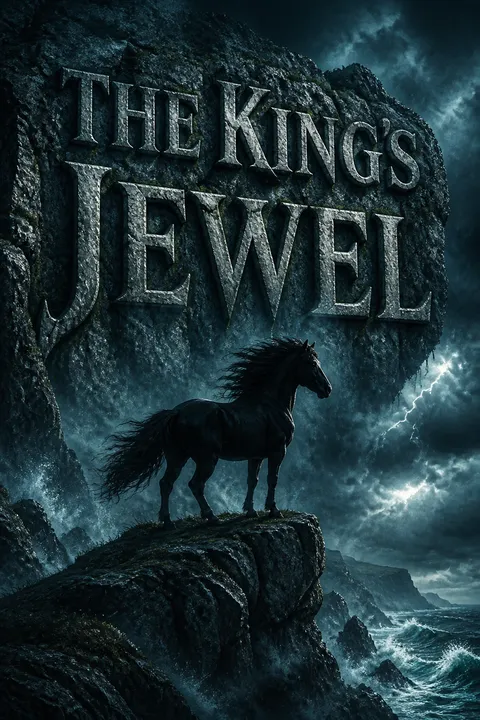
The King's Jewel
King Henry I's arrival in Wales brings Nesta to the center of royal attention. Her beauty and lineage attract Henry, who claims her as his mistress. The encounter is brutal and transactional, leaving Nesta traumatized but determined to survive. She learns to wield what little power she has, using her position to secure gifts and protection. Yet, the cost is high—her body and autonomy are no longer her own. Gerald, meanwhile, is rewarded for his loyalty and skill, and the fates of Nesta and Gerald begin to intertwine. The jewel of Wales becomes both a prize and a burden, shaping Nesta's destiny.
Royal Favour, Royal Cost
Nesta's life at court is one of luxury and gilded captivity. She bears Henry a son, Henry FitzRoy, and is installed among the king's other mistresses at Woodstock. The women form a strange sisterhood, bound by their shared status and lack of agency. Nesta's longing for home intensifies, and she negotiates with Henry for a return to Wales. Her beauty and intelligence win her admirers and enemies alike, but she remains a pawn in the games of men. The birth of her son brings both joy and sorrow, as she realizes her child is as much a symbol of conquest as of love.
Mistress of Woodstock
Confined at Woodstock, Nesta finds solace in her children and the camaraderie of other royal mistresses. Yet, the gilded cage chafes, and her heart aches for Wales. Henry's attention wanes as he seeks new conquests, and Nesta's status becomes precarious. She negotiates for a visit to her ailing mother, a bittersweet reunion that underscores all she has lost. The death of King William Rufus and Henry's ascension to the throne shift the balance of power once more. Nesta's future is uncertain, but her resilience and adaptability remain her greatest assets.
Return and Rebirth
With Henry's interest fading, Nesta is married to Gerald FitzWalter, now Constable of Pembroke. The marriage is a political alliance, designed to secure Norman control of Dyfed. Nesta returns to Carew, her childhood home, as a stranger and a bride. The union is fraught with tension—Gerald is kind but pragmatic, and Nesta is wary, haunted by her past. Yet, over time, mutual respect and affection grow. Together, they rebuild Carew, blending Norman and Welsh traditions. The birth of their children brings hope and a sense of belonging, but the scars of the past linger.
Marriage of Strangers
Nesta and Gerald's marriage is tested by cultural divides, personal traumas, and the ever-present threat of violence. Gerald strives to honor Nesta's heritage, restoring her family's horses and lands, while Nesta learns to trust and respect her husband. Their partnership is forged in adversity, as they navigate political intrigue, rival Welsh lords, and the demands of the English crown. The birth of their children—Gwilym, Angharad, Dafydd, Maurice, and Gwladus—cements their bond, but the specter of betrayal and loss is never far away. Together, they strive to create a legacy that bridges two worlds.
Divided Loyalties
The return of Nesta's brother Gruffydd from exile in Ireland brings both joy and danger. Gruffydd seeks to reclaim his birthright, drawing Nesta and Gerald into the web of Welsh politics. Owain ap Cadwgan, ever the disruptor, raids and plunders, sowing chaos. Gerald is torn between loyalty to the crown and his wife's kin, while Nesta is caught between love for her brother and duty to her husband. The lines between friend and foe blur, and every choice carries a price. The struggle for power and survival tests the limits of loyalty, love, and forgiveness.
The Fire and the River
Owain ap Cadwgan's reckless raid on Cenarth Bychan shatters the fragile peace. He abducts Nesta, reigniting old passions and forcing her to choose between the fire of desire and the steady current of loyalty. Gerald, humiliated and enraged, must fight to reclaim his wife and his honor. Nesta's dalliance with Owain is both a rebellion and a mistake, leaving her torn and guilt-ridden. The aftermath is a crucible for Nesta and Gerald's marriage, testing their capacity for forgiveness and renewal. The fire of passion gives way to the enduring strength of the river—steady, deep, and life-giving.
Owain's Reckless Raid
Owain's abduction of Nesta is a whirlwind of violence, lust, and broken promises. He offers her the dream of a Welsh kingdom, but the reality is betrayal and abandonment. Nesta is left stranded, her illusions burned away, and must negotiate her return to Gerald. The episode leaves scars on all involved—Gerald's pride is wounded, Nesta's heart is bruised, and Owain's recklessness sets him on a path to ruin. The episode is a turning point, forcing Nesta and Gerald to confront the truths of their marriage and the limits of desire.
The Price of Betrayal
Nesta's return to Gerald is fraught with shame, guilt, and uncertainty. Gerald, wounded but steadfast, chooses forgiveness over vengeance, determined to rebuild their life together. The couple must navigate the fallout—suspicion, gossip, and the ever-present threat of renewed violence. Nesta's brother Gruffydd becomes both a source of hope and a liability, as his ambitions threaten the fragile peace. The birth of new children and the restoration of Carew offer solace, but the price of betrayal lingers. Only through honesty, patience, and mutual respect can Nesta and Gerald hope to heal.
Exile and Return
The years bring both joy and sorrow. The death of Taran, the last of the storm-horses, marks the end of an era. Gruffydd's return and subsequent exile test Nesta's loyalties and Gerald's pragmatism. The couple must balance personal desires with political realities, forging alliances and making sacrifices for the greater good. The birth of more children, the return of Gruffydd, and the eventual death of Owain ap Cadwgan bring closure to old wounds. Through it all, Nesta and Gerald's partnership endures, shaped by hardship and tempered by love.
The Last Storm-Horse
As the old world fades, Nesta and Gerald look to the future. The death of Taran is both a loss and a symbol of renewal, as his descendants carry on the legacy. The couple's children grow, marry, and forge their own paths, blending Welsh and Norman bloodlines. Gruffydd finds a place in Wales, and peace, however fragile, settles over Carew. Nesta reflects on her journey—from princess to captive, mistress to wife, mother to matriarch. The lessons of endurance, adaptability, and forgiveness are her true inheritance, the enduring jewel passed to the next generation.
The Enduring Jewel
In the twilight of their lives, Nesta and Gerald find solace in each other and in the family they have built. The storms of the past have given way to a hard-won peace, and the jewel of Wales shines on in their children and grandchildren. The union of Norman and Welsh, forged in fire and tempered by love, becomes a beacon of hope for a land scarred by conflict. Nesta, once a pawn, is now the heart of a dynasty, her story a testament to the power of resilience, compassion, and the enduring human spirit.
Analysis
Elizabeth Chadwick's The King's Jewel is a masterful exploration of survival, identity, and the forging of legacy in a world torn by conquest and cultural collision. Through the lens of Nesta ferch Rhys—a woman repeatedly stripped of agency yet never of spirit—the novel interrogates the costs and possibilities of adaptation. The story is as much about the endurance of the human heart as it is about the clash of Norman and Welsh ambitions. Chadwick's nuanced portrayal of marriage, motherhood, and female resilience challenges the traditional narratives of medieval history, foregrounding the emotional and psychological realities behind political events. The recurring motifs of captivity, betrayal, and forgiveness invite readers to consider the ways in which trauma can be both a wound and a source of strength. Ultimately, The King's Jewel is a testament to the power of compassion, the necessity of compromise, and the enduring hope that even in the aftermath of devastation, new life and meaning can be forged. The novel's lessons—about the costs of power, the complexity of loyalty, and the possibility of reconciliation—resonate far beyond its historical setting, offering timeless insights into the human condition.
Review Summary
Characters
Nesta ferch Rhys
Nesta is the daughter of Rhys ap Tewdr, the last native prince of Dyfed. Her life is marked by trauma—her father's death, captivity, and repeated exploitation by powerful men. Yet, she is fiercely intelligent, adaptable, and resilient. Forced to become King Henry's mistress, she learns to wield what little power she has, using her beauty and wit to survive. Her marriage to Gerald FitzWalter is initially a political alliance, but over time, mutual respect and affection grow. Nesta's journey is one of transformation—from a powerless pawn to a matriarch who shapes her family's destiny. Her psychological complexity is rooted in longing for home, the scars of betrayal, and the struggle to reconcile passion with loyalty. She is the enduring jewel at the heart of the story.
Gerald FitzWalter of Windsor
Gerald is a younger son of the Constable of Windsor, ambitious and pragmatic. He rises through the ranks by building and defending Pembroke Castle, earning the trust of Norman lords and the king. His marriage to Nesta is both a reward and a challenge—he must bridge the gap between Norman and Welsh, power and vulnerability. Gerald is steady, honorable, and capable of forgiveness, but also haunted by insecurity and the fear of being cuckolded or diminished. His love for Nesta is deep and enduring, and he strives to honor her heritage while securing his own legacy. Gerald's psychological arc is one of learning to balance ambition with compassion, and strength with humility.
Owain ap Cadwgan
Owain is the son of Cadwgan ap Bleddyn, a Welsh prince with a taste for risk and glory. Handsome, reckless, and magnetic, he is both a seducer and a destroyer. His passion for Nesta is genuine but ultimately self-serving, leading to her abduction and a brief, destructive affair. Owain's inability to control his impulses or build lasting alliances leads to his downfall. He is a symbol of the wild, untamed spirit of Wales—brilliant but doomed by his own excesses. Psychologically, Owain is driven by pride, desire, and a need to prove himself, but lacks the discipline to achieve lasting greatness.
Gruffydd ap Rhys
Gruffydd is Nesta's younger brother, spirited away to Ireland as a child. His life is shaped by exile, longing for home, and the burden of reclaiming his birthright. Gruffydd is intelligent, cautious, and pragmatic, learning from the mistakes of others. He returns to Wales determined to restore his family's legacy, but must navigate a treacherous landscape of shifting alliances and betrayals. His relationship with Nesta is one of mutual support and shared trauma. Psychologically, Gruffydd is marked by resilience, adaptability, and a willingness to play the long game, even as he struggles with the weight of expectation.
King Henry I
Henry is the younger son of William the Conqueror, ascending to the throne through ambition and cunning. He is a man of appetites—sexual, political, and personal—who takes what he wants without remorse. His relationship with Nesta is transactional and exploitative, yet he is capable of calculated generosity. Henry is a master of manipulation, using marriage, patronage, and violence to secure his rule. Psychologically, he is driven by insecurity, a need for control, and a belief in his own destiny. His legacy is both creative and destructive, shaping the fate of Wales and its people.
Cadwgan ap Bleddyn
Cadwgan is a Welsh prince who navigates the shifting tides of power with cunning and pragmatism. He is both an enemy and an ally to the Normans, always seeking advantage. His relationship with his son Owain is fraught—pride, disappointment, and rivalry intertwine. Cadwgan's willingness to betray or abandon even his own kin for survival marks him as a man of his time, but also as a tragic figure. Psychologically, he is driven by fear, ambition, and a deep sense of the impermanence of power.
Adele Corbet
Adele is the wife of Robert Corbet and becomes Nesta's protector and guide during her captivity. She teaches Nesta the skills needed to survive in Norman society, offering both kindness and hard truths. Adele's own life is shaped by the compromises required of women in a patriarchal world. She is both a mentor and a cautionary figure, embodying the resilience and adaptability necessary for survival. Psychologically, Adele is marked by empathy, pragmatism, and a deep understanding of the limits of female agency.
Marguerite de Barry
Marguerite is the wife of Odo de Barry and becomes Nesta's confidante and emotional support. She offers practical advice, comfort, and a sense of normalcy amid chaos. Marguerite's friendship helps Nesta process trauma and find her way back to herself after betrayal and loss. She is a stabilizing force, embodying the power of female solidarity and compassion. Psychologically, Marguerite is grounded, nurturing, and wise, providing a counterpoint to Nesta's more volatile emotions.
William of Brabant
William is a Flemish merchant who becomes a trusted ally to Nesta and Gerald. He represents the new order in Wales—trade, prosperity, and the blending of cultures. His murder by Owain and Madog is a turning point, symbolizing the cost of lawlessness and the fragility of peace. William's role as mediator and friend highlights the importance of trust and cooperation in a divided land. Psychologically, he is shrewd, generous, and adaptable, but ultimately vulnerable to the forces of chaos.
Ifan
Ifan is a Welsh scout who serves both Norman and Welsh lords, navigating the dangerous terrain of shifting allegiances. His personal history—enslavement, loss, and revenge—mirrors the larger story of Wales. Ifan's loyalty is to survival and to those who treat him with respect. He is a witness to the brutality and complexity of the age, offering insight and perspective. Psychologically, Ifan is wary, resourceful, and deeply marked by trauma, yet capable of loyalty and courage.
Plot Devices
Duality of Captivity and Agency
The narrative is structured around the tension between captivity and agency, especially for Nesta. She is repeatedly taken, used, and traded by powerful men, yet she survives by adapting, learning, and wielding what little power she can. The story uses captivity—physical, emotional, and social—as both a literal and metaphorical device, highlighting the constraints placed on women and the ways they resist or subvert them. Nesta's journey from pawn to matriarch is marked by moments of agency, often in the face of overwhelming odds.
Marriage as Political Alliance
Marriage is a central plot device, used to forge alliances, secure territory, and legitimize rule. Nesta's marriages—to Henry (as mistress), to Gerald, and the potential with Owain—are all political acts with personal consequences. The narrative explores the ways in which personal desire, duty, and ambition intersect, and how marriage can be both a prison and a source of strength. The blending of Norman and Welsh bloodlines becomes a symbol of the new order, fraught with tension and possibility.
Betrayal and Forgiveness
Betrayal—by family, lovers, and allies—is a recurring motif, driving the emotional and political arcs of the story. Nesta's affair with Owain, Gerald's moments of doubt, and the shifting allegiances of Welsh and Norman lords all test the limits of trust. Forgiveness, when it comes, is hard-won and incomplete, reflecting the complexity of human relationships. The narrative uses these cycles to explore the possibility of healing and the cost of survival.
Foreshadowing and Symbolism
The storm-horses of Carew symbolize both the lost world of Nesta's childhood and the enduring spirit of Wales. Jewels—literal and metaphorical—represent value, beauty, and the burdens of inheritance. The river, invoked in moments of reflection, stands for the passage of time, the possibility of renewal, and the depth of emotion beneath the surface. These symbols are woven throughout the narrative, foreshadowing key events and underscoring the themes of loss, endurance, and transformation.
Narrative Structure
The story unfolds in a largely chronological fashion, following Nesta from childhood through adulthood, with occasional shifts in perspective to Gerald, Owain, and Gruffydd. The structure allows for deep psychological exploration, immersing the reader in the emotional landscape of the characters. Key events—battles, marriages, betrayals—are used as anchors, but the true arc is one of personal growth, resilience, and the forging of identity amid chaos.

Download PDF
Download EPUB
.epub digital book format is ideal for reading ebooks on phones, tablets, and e-readers.








































