
Plot Summary
Summer's End, Tragedy Strikes
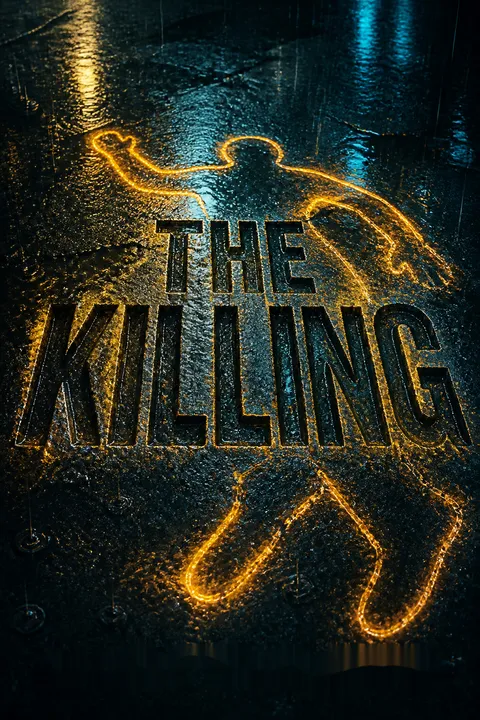
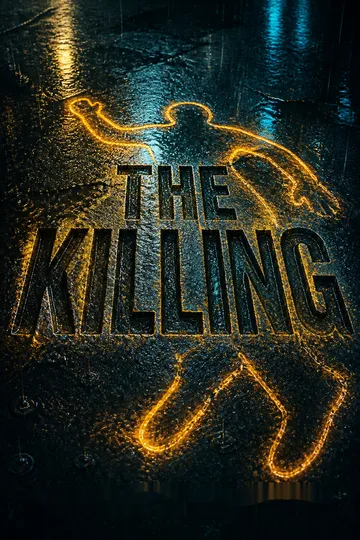
Two best friends, Jane and Hannah, lounge in the heat, reminiscing about childhood. Their boredom is shattered when a football game with younger boys escalates into taunts and a scuffle. Suddenly, a body crashes down from above—a boy named Will, mangled and lifeless, lands where Hannah had just been sitting. The shock is overwhelming, the scene chaotic, and the girls are left traumatized. This moment of violence and confusion sets the tone for the story, introducing the randomness of tragedy and the way it can ripple through a community, leaving wounds that fester beneath the surface.
Schoolyard Intrigue and Missions
James Adams, a thirteen-year-old CHERUB agent, is thrust into a mission at an elite school, Trinity Day, alongside his friend Shakeel. Their task: plant surveillance devices and gather intelligence on a teacher suspected of terrorist ties. The boys navigate strict rules, snobbish students, and a comically ill-fitting uniform. Their infiltration is tense and laced with humor, but a misstep triggers alarms and a frantic escape. The mission's success is overshadowed by the chaos of their getaway, highlighting the precarious balance between adolescent recklessness and the serious responsibilities thrust upon these young agents.
Campus Rivalries and Training
Back at CHERUB campus, James' sister Lauren dyes her hair black, sparking teasing and tension. She faces the infamous Mr. Large, a harsh instructor with a grudge, during a team-building exercise involving simulated combat and fragile eggs. The exercise is both a test of leadership and a crucible for campus rivalries. Lauren's struggle to assert herself among older, more experienced agents mirrors James' own challenges. The campus is a microcosm of adolescent drama, ambition, and the search for identity, all under the watchful eyes of adults who are both mentors and antagonists.
The Egg War Begins
Four teams, each led by a senior agent, are dropped into a mock urban warfare zone. Their goal: protect their eggs while sabotaging others. James, leading his team, fumbles through strategy and sibling squabbles. The exercise quickly devolves into chaos—paint rounds sting, alliances fracture, and the pain is real. The simulation blurs the line between play and peril, forcing the young agents to confront fear, pain, and the consequences of their decisions. The egg war becomes a metaphor for the messy, unpredictable nature of growing up and learning to lead.
Nightfall: Chaos and Pain
As night falls, the exercise intensifies. Teams splinter, betrayals mount, and the pain of simulated bullets leaves bruises both physical and emotional. James is separated from his team, battered and humiliated by rivals—including his girlfriend Kerry. The night is a gauntlet of fear, exhaustion, and fleeting triumphs. The exercise exposes the limits of bravado and the vulnerability beneath the surface. By dawn, the survivors are battered, friendships strained, and the lessons of pain and resilience etched into their bodies and minds.
Lessons in Leadership
The exercise ends with a tally of broken eggs and bruised egos. Mr. Large, ever the antagonist, manipulates the results to punish Lauren and her team, sparking outrage and a rare act of collective defiance among the agents. The episode becomes a turning point—Lauren and her friends challenge authority, demanding fairness and respect. The campus hierarchy is shaken, and the young agents learn that leadership sometimes means standing up to injustice, even when the odds are stacked against them.
Aftermath and Consequences
The fallout from the exercise is swift. James, already exhausted and injured, faces further challenges—his relationship with Kerry unravels, and a moment of anger leads him to lash out at a younger recruit, Andy. The incident isolates James from his friends and plunges him into a period of self-reflection and mandated anger management. The consequences are severe: loss of privileges, social ostracism, and a painful reckoning with his own flaws. The chapter explores the cost of impulsive actions and the slow, difficult path to redemption.
Isolation and Reflection
Ostracized and burdened with punishment duties, James is forced to confront his own behavior. His sister Lauren delivers a harsh but necessary intervention, challenging him to break the cycle of anger and violence. The isolation is both a punishment and an opportunity for growth. James begins to understand the impact of his actions on others and the importance of self-control. The chapter is a meditation on the pain of loneliness, the value of honest self-examination, and the possibility of change.
Redemption and New Beginnings
As James serves his punishment, a new mission offers a path back to purpose. He is recruited for an undercover operation in Palm Hill, partnering with the older, charismatic Dave Moss. The mission is a lifeline—a chance to escape campus, prove himself, and rebuild his reputation. The transition from punishment to purpose marks a turning point, as James embraces the challenges and uncertainties of undercover work, eager to reclaim his place among his peers.
Undercover in Palm Hill
James and Dave settle into their roles as brothers in a rough London estate, tasked with infiltrating the Tarasov family—a clan with deep criminal ties. The mission is a blend of mundane routines and high-stakes deception. James navigates new friendships, budding romance with the troubled Hannah, and the ever-present danger of discovery. The Tarasovs are both welcoming and menacing, their world a labyrinth of secrets and shifting loyalties. The chapter explores the tension between belonging and betrayal, and the emotional toll of living a lie, utilizing the Undercover Adolescence device.
New Friends, Old Wounds
As James grows closer to Max Tarasov and Hannah, he is drawn into the web of local rivalries and unresolved grief over Will's death. A violent confrontation with older boys cements his reputation but also brings police scrutiny and personal guilt. The mission's emotional stakes rise as James balances his feelings for Hannah with the demands of his undercover role. The wounds of the past—both his own and those of the community—surface, complicating his loyalties and sense of self.
The Tarasov Web
The Tarasov family's criminal enterprises come into focus: car theft, money laundering, and hints of a larger, more lucrative crime. James and Dave gather intelligence, navigating the dangers of Leon Tarasov's world while maintaining their cover. The discovery of a hidden computer disk in Will's old belongings provides a crucial clue, linking the Tarasovs to a major casino robbery. The web of connections grows more tangled, and the stakes escalate as the agents close in on the truth, employing Foreshadowing and Red Herrings.
Violence and Betrayal
Tensions boil over as alliances fracture—both among the Tarasovs and within the local police. James is caught between his mission and his feelings for Hannah, while Dave becomes entangled with Sonya Tarasov. Violence erupts, secrets are exposed, and the threat of betrayal looms large. The agents must navigate a minefield of shifting loyalties, knowing that a single misstep could be fatal. The chapter explores the corrosive effects of crime and the high cost of trust, highlighting Moral Ambiguity.
The Casino Connection
The hidden disk reveals detailed records from the Golden Sun Casino, implicating Leon Tarasov, corrupt police officers, and Will's tragic fate. The investigation widens to include bent cops and a possible murder. The agents, aided by their handlers and a determined policewoman, Millie, piece together the conspiracy. The chapter is a race against time, as the team gathers evidence, confronts painful truths, and prepares for a final confrontation that will determine the fate of all involved.
Truths Uncovered
The sting operation is set in motion, designed to provoke confessions and expose the full extent of the conspiracy. Tensions reach a breaking point as Leon and Michael Patel, the corrupt officer, turn on each other. The truth about Will's death emerges—Patel's guilt, Falco's cover-up, and the complicity of others. The chapter is a catharsis of confession, confrontation, and the painful process of justice. The agents witness the power of truth to both heal and destroy, utilizing Confession and Catharsis.
The Sting Operation
The operation's success hinges on technical wizardry, psychological manipulation, and the courage of the young agents. Surveillance, impersonation, and carefully orchestrated confrontations yield the evidence needed to bring down the Tarasovs and their accomplices. The chapter is a testament to teamwork, ingenuity, and the resilience of the human spirit in the face of corruption and violence. The agents' triumph is bittersweet, marked by loss, sacrifice, and the knowledge that justice is never simple, demonstrating Moral Ambiguity and Confession and Catharsis.
Justice and Farewells
The aftermath brings both justice and sorrow. The guilty are punished, but the scars remain—on the community, the agents, and the families left behind. James returns to campus, his reputation slowly restored, but his relationships forever changed. Kerry forgives but does not forget; friendships are mended, but innocence is lost. The chapter is a meditation on the cost of justice, the possibility of redemption, and the enduring power of hope in a world marked by pain and betrayal.
Analysis
The Killing is a masterful blend of adolescent drama and gritty crime thriller, using the unique premise of child spies to explore themes of identity, justice, and the messy process of growing up. At its core, the novel is about the search for truth—both in the external world of crime and corruption, and in the internal landscape of the self. The story refuses easy answers: justice is hard-won and incomplete, relationships are fraught with betrayal and forgiveness, and the line between victim and perpetrator is often blurred. The use of children as agents is both a narrative device and a commentary on the resilience and adaptability of youth; it asks what we lose—and what we gain—when innocence is sacrificed for a greater good. The Killing challenges readers to confront uncomfortable truths about power, loyalty, and the cost of doing what is right. Its lessons are as relevant today as ever: that justice requires courage, that redemption is possible but never easy, and that the journey from childhood to adulthood is as perilous as any undercover mission.
Review Summary
The Killing receives mostly positive reviews, with an average rating of 4.15 out of 5. Readers praise its thrilling plot, character development, and pacing. Some find it less action-packed than previous books in the series, while others consider it the best. Critics note James's flawed behavior and sexist attitudes. The book explores themes of teenage life, espionage, and complex moral dilemmas. Many readers appreciate the series' ability to engage young adults in reading, though some find the content mature for the target age group.
People Also Read
Characters
James Adams
James is a thirteen-year-old CHERUB agent whose journey is defined by his struggle with anger, impulsivity, and the burden of leadership. His relationship with his sister Lauren is both supportive and fraught, reflecting his deep need for connection and approval. James' psychological arc is one of self-discovery—he is forced to confront the consequences of his actions, both in the microcosm of campus life and the high-stakes world of undercover missions. His development is marked by moments of failure, isolation, and eventual growth, as he learns the value of self-control, empathy, and responsibility. James' relationships—with Kerry, Lauren, and his friends—are central to his evolution from a reckless boy to a more thoughtful, if still flawed, young man.
Lauren Adams
Lauren, James' younger sister, is a rising star on campus, known for her intelligence, determination, and willingness to challenge authority. Her relationship with James is complex—she admires him but is unafraid to call out his flaws. Lauren's psychological strength lies in her ability to endure adversity and stand up for what is right, even when it means defying powerful figures like Mr. Large. She serves as both a confidante and a critic for James, pushing him toward self-improvement. Lauren's own struggles with leadership, identity, and belonging mirror those of her brother, making her a vital counterpoint and a symbol of hope for change.
Kerry Chang
Kerry is James' girlfriend and a formidable agent in her own right. Her relationship with James is passionate but tumultuous, marked by rivalry, mutual respect, and frequent conflict. Kerry's psychological complexity stems from her drive to excel and her struggle to balance vulnerability with strength. She is both a source of support and a catalyst for James' growth, challenging him to confront his weaknesses. Kerry's own journey is one of self-assertion—she refuses to be defined by her relationship with James and ultimately chooses her own path, even as she forgives his transgressions.
Dave Moss
Dave is a seventeen-year-old senior agent who serves as James' partner and guide during the Palm Hill mission. He is confident, resourceful, and adept at navigating the criminal underworld. Dave's psychological profile is shaped by his experience—he is both a role model and a cautionary figure, embodying the allure and dangers of the CHERUB lifestyle. His relationships—with Sonya Tarasov, James, and the Tarasov family—are marked by charm, manipulation, and genuine care. Dave's development is less about transformation and more about the steady application of skill and wisdom, tempered by moments of vulnerability and self-doubt.
Leon Tarasov
Leon is the head of the Tarasov family, a larger-than-life figure whose charm masks a ruthless commitment to self-preservation. His psychological makeup is defined by a deep-seated need for control, a willingness to exploit others, and a capacity for both generosity and violence. Leon's relationships—with his family, his criminal associates, and the agents—are transactional, built on loyalty, fear, and the constant threat of betrayal. His downfall is precipitated by his inability to adapt to changing circumstances and his underestimation of the agents' resolve.
Michael Patel
Michael is a police sergeant whose involvement in the casino robbery and Will's death marks him as both villain and victim. His psychological arc is one of denial, desperation, and eventual collapse. Michael's relationships—with his wife Patricia, Leon, and the community—are strained by secrets, guilt, and the corrosive effects of corruption. His ultimate confession and arrest are both a reckoning and a release, exposing the human cost of moral compromise.
Millie Kentner
Millie is a former CHERUB agent turned police officer, whose commitment to justice is tested by the corruption she uncovers in her own ranks. Her psychological journey is one of disillusionment, grief, and renewal. Millie's relationships—with her colleagues, the agents, and the community—are marked by empathy, frustration, and a relentless pursuit of truth. Her decision to stay and fight for reform is a testament to her resilience and integrity.
Hannah Clarke
Hannah is a local girl whose life is shaped by trauma—the death of her cousin Will—and the constraints of a strict family. Her relationship with James is tender but fraught, offering both solace and complication. Hannah's psychological profile is marked by grief, rebellion, and a longing for connection. She serves as both a mirror and a foil for James, embodying the pain of loss and the hope for healing.
Sonya Tarasov
Sonya is Leon's daughter, caught between loyalty to her family and her feelings for Dave. Her psychological struggle is one of identity—she is torn between the expectations of her criminal heritage and her desire for a different life. Sonya's relationships—with Dave, her family, and herself—are marked by secrecy, passion, and the search for autonomy.
Mr. Large
Mr. Large is the embodiment of institutional cruelty—a training instructor whose vendetta against Lauren and others drives much of the campus conflict. His psychological makeup is defined by insecurity, a need for control, and a penchant for bullying. Mr. Large's role is both as an obstacle and a catalyst, forcing the young agents to unite against injustice and assert their own agency.
Plot Devices
Undercover Adolescence
The central conceit of CHERUB is the use of children as undercover agents—exploiting their invisibility in adult society to gather intelligence and effect change. This device allows for a unique blend of coming-of-age narrative and espionage thriller, highlighting the tension between innocence and experience. The agents' youth is both a shield and a vulnerability, shaping their interactions and the risks they face.
Parallel Narratives
The story employs parallel narratives—campus life and undercover missions—to explore themes of identity, loyalty, and transformation. The personal struggles of the agents mirror the complexities of their missions, creating a rich tapestry of interconnected challenges and growth.
Foreshadowing and Red Herrings
The narrative is laced with foreshadowing—subtle hints about characters' motives, impending betrayals, and the true nature of crimes. Red herrings abound, keeping both the agents and the reader guessing about the real culprits and the ultimate resolution.
Moral Ambiguity
The story thrives on moral ambiguity—agents must lie, manipulate, and sometimes break the law to achieve their goals. The villains are often sympathetic, the heroes flawed, and justice is never absolute. This device challenges readers to question easy distinctions between good and evil.
Confession and Catharsis
The climax hinges on engineered confessions—using psychological pressure and surveillance to force the guilty to reveal their secrets. This device serves both as a means of justice and as a form of catharsis, allowing characters to confront their own guilt and seek redemption.
CHERUB Series Series

Download PDF
Download EPUB
.epub digital book format is ideal for reading ebooks on phones, tablets, and e-readers.








































