
Plot Summary
Shadows Over Lear House
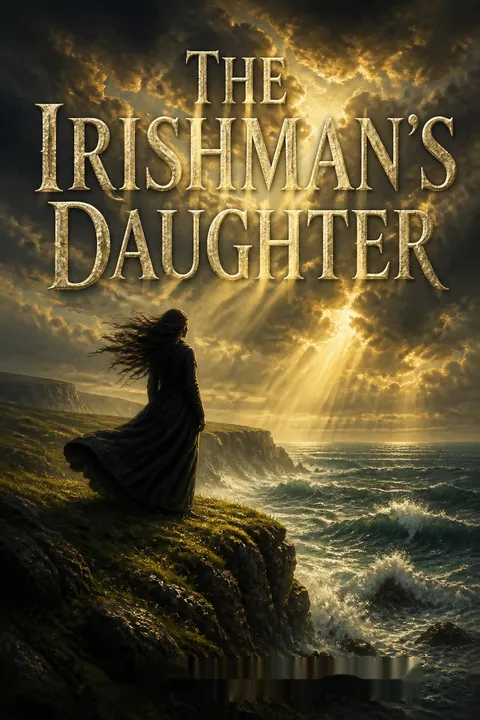
In the waning days of 1845, Lear House stands as a symbol of stability in County Mayo, Ireland. Briana Walsh, her father Brian, and her sister Lucinda live in the shadow of the English landlord, Sir Thomas Blakely. The estate is surrounded by tenant farms, their lives intertwined with the rhythms of the land and the Atlantic winds. Yet, beneath the surface, unease stirs. Rumors of a mysterious blight on the potato crop drift in from the continent, and the poet Daniel Quinn brings warnings of disaster. The Walsh family's world, once secure, is poised on the edge of upheaval, as love, ambition, and the threat of hunger begin to reshape their destinies.
The Blight Descends
The unimaginable happens: the potato fields, lush and green one day, are blackened and rotting the next. Briana and her beloved Rory Caulfield witness the devastation firsthand, the stench of decay heavy in the air. The blight spreads with terrifying speed, leaving families desperate and fearful. The Walshes, like their tenants, face the grim reality that their main source of sustenance is gone. As hunger looms, the fragile balance between landlord, agent, and tenant begins to fracture. The first cracks of famine appear, and the community's resilience is tested as never before.
Hunger and Hard Choices
With the blight's grip tightening, food becomes scarce and debts mount. Brian struggles to collect rents from starving tenants, while Briana and Lucinda clash over how to respond. The sisters' differences sharpen: Lucinda, shaped by her time in England, clings to hope for outside intervention, while Briana seeks practical ways to help. Rory, torn between loyalty to his family and the growing unrest among tenants, is drawn toward the Ribbonmen, a secret society fighting for Irish rights. The specter of eviction and starvation forces everyone to confront what they are willing to risk—and whom they are willing to trust.
Sisters Divided, Lovers Bound
As the famine deepens, the Walsh sisters' relationship is strained by jealousy, ambition, and the pressures of survival. Lucinda's aspirations for a better life clash with Briana's devotion to home and to Rory, whose radicalism unsettles the family. Despite opposition, Briana and Rory's love grows stronger, culminating in a secret marriage. Their union is both a source of hope and a point of contention, as the family's fortunes dwindle and the threat of violence from both Ribbonmen and Mollies—rival factions among the Irish—draws ever closer.
The Road to Westport
Driven by necessity, Briana, Rory, and Brian undertake a dangerous journey to Westport in search of relief. Along the way, they encounter the true face of famine: families living in burrows, children starving, and the dead left unburied. The English authorities are indifferent, and food is exported from Ireland even as its people die. A chance encounter with an English sea captain brings a small windfall of food, but it is a drop in the ocean of need. The journey exposes the limits of charity and the depths of suffering, leaving the travelers forever changed.
Starvation's Bitter Toll
Back at Lear House, the famine's toll becomes undeniable. Starving families gather at the estate, hoping for aid. Briana organizes soup kitchens, feeding as many as she can, but the supplies are quickly exhausted. The death of a child in his mother's arms haunts her, and the keening of the bereaved echoes across the land. The community is torn between compassion and self-preservation, as disease and hunger claim more victims. The old order collapses, and the bonds of kinship and neighborliness are tested to their breaking point.
The Ribbonmen and the Mollies
As desperation mounts, secret societies like the Ribbonmen and the Molly Maguires gain influence. Rory is drawn into their orbit, torn between the promise of justice and the threat of bloodshed. Tensions between Catholics and Protestants, tenants and landlords, erupt in violence and intimidation. Threats are made against Brian and Lear House, and the line between resistance and revenge blurs. The struggle for survival becomes a struggle for dignity and autonomy, as the Irish fight not just for food, but for their future.
Eviction and Ruin
The inevitable arrives: Sir Thomas orders mass evictions, and the tenant homes are destroyed. Brian, Rory, and the few who remain are forced from the land they have known all their lives. The once-thriving community is reduced to ruins, and families are scattered to the winds—some to the cities, others to the coffin ships bound for America. Lear House itself is shuttered, its grandeur a hollow shell. The Walsh family is broken, and the survivors must choose between exile and death.
Across the Atlantic Divide
Briana and Lucinda, with little more than hope and each other, embark on the perilous journey to Boston. The Atlantic crossing is fraught with hardship, but the sisters cling to the promise of a better life. In Boston, they are met with prejudice, poverty, and the harsh realities of immigrant existence. Jobs are scarce, and the Irish are unwelcome. Yet, amid the squalor, new bonds are formed: Briana takes in Quinlin, an orphaned boy, and Lucinda finds purpose as a governess. The sisters' resilience is tested as they carve out a place for themselves in a foreign land.
Boston's Harsh Welcome
Life in Boston is a daily battle. Briana and Lucinda face exploitation, violence, and the threat of destitution. The city's underworld preys on vulnerable immigrants, and the sisters are drawn into a web of crime and corruption. Briana's compassion for others brings both danger and redemption, as she risks everything to save Quinlin from a life of misery. Lucinda, too, must confront her illusions and find strength in adversity. Together, they learn that survival in America requires both courage and compromise.
New Bonds, Old Sorrows
As Briana gives birth to her daughter Shona, she is haunted by the absence of Rory and her father. Letters cross the ocean, bearing news of death and survival. Lucinda, finding solace in the company of Dr. Scott, begins to imagine a future beyond the shadows of the past. The sisters' bond deepens as they care for Quinlin and Shona, forging a new family from the ashes of the old. Yet, the wounds of famine and exile linger, and the hope of reunion with loved ones in Ireland remains a distant dream.
The Price of Survival
Back in Ireland, Rory and Brian struggle to survive in the ruins of Lear House, joined by the enigmatic poet Quinn. The arrival of Sir Thomas brings old resentments to a head, culminating in a confrontation that ends in violence and death. Justice is elusive, and the lines between victim and perpetrator blur. The survivors must reckon with the choices they have made and the costs of survival in a world turned upside down.
Letters Across the Sea
Letters become lifelines between continents, carrying news of births, deaths, and the enduring power of love. Briana learns of her father's death and resolves to return to Ireland to bring Rory and any survivors to America. The written word bridges the gulf of exile, offering comfort and connection amid loss. The promise of reunion sustains those left behind, even as the famine's shadow lingers.
Return to a Broken Home
Briana's return to Ireland is marked by sorrow and resolve. She finds Lear House deserted, her father gone, and Rory a shadow of his former self. Together, they mourn the dead and prepare to leave the land that has shaped them. The past cannot be reclaimed, but the future beckons. With Shona in her arms, Briana leads her family away from the ruins of Lear House, determined to build a new life across the sea.
Death, Justice, and Farewell
The last confrontation with Sir Thomas brings the story full circle. Old grievances erupt in violence, and the poet Quinn exacts a final, fatal justice. With the landlord dead and the past laid to rest, Briana and Rory flee Lear House for the last time. The journey ahead is uncertain, but the bonds of love and memory endure. The survivors carry with them the lessons of famine, loss, and resilience as they set out for America.
Hope Beyond the Famine
As Briana, Rory, and Shona leave Ireland behind, they look to the future with hope and determination. The scars of famine and exile remain, but so does the strength forged in adversity. In Boston, they are reunited with Lucinda, Quinlin, and their new family. Together, they honor the memory of those lost and embrace the promise of a new life. The story ends not with despair, but with the enduring power of love, community, and the will to survive.
Analysis
V.S. Alexander's The Irishman's Daughter is a sweeping, emotionally charged exploration of the Irish Great Famine and its aftermath, told through the intimate lens of one family's struggle for survival, dignity, and love. The novel's power lies in its ability to humanize historical catastrophe, rendering the abstract horrors of famine, eviction, and exile in vivid, personal terms. Through Briana's journey—from the green fields of Mayo to the crowded streets of Boston—the story interrogates themes of resilience, sacrifice, and the meaning of home. The psychological depth of the characters, especially the sisters' evolving relationship and Rory's moral dilemmas, invites readers to reflect on the costs of survival and the complexities of justice. The use of dual settings and epistolary devices bridges the gap between old and new worlds, emphasizing both the pain of separation and the hope of reunion. Ultimately, the novel is a testament to the endurance of the human spirit in the face of overwhelming adversity, offering a message of compassion, solidarity, and the possibility of renewal. In a modern context, it resonates as a meditation on migration, displacement, and the enduring quest for belonging—a story as relevant today as it was in the nineteenth century.
Review Summary
The Irishman's Daughter receives mixed reviews, averaging 3.84 stars. Readers praise the well-researched depiction of Ireland's 1845 potato famine and the strong protagonist Briana. Many appreciated learning about this historical tragedy and the vivid descriptions of Irish countryside. However, common criticisms include slow pacing, dragging plot points, underdeveloped characters, and rushed endings. Some found the heroine too perfect or difficult to connect with. While several reviewers loved the educational value and emotional impact, others felt the story was mediocre compared to other famine novels.
Characters
Briana Walsh
Briana is the emotional and moral center of the novel, embodying compassion, determination, and loyalty. Raised in the shadow of Lear House, she is deeply connected to the land and its people. Her love for Rory Caulfield is steadfast, even as famine and social upheaval threaten to tear them apart. Briana's journey is one of transformation: from sheltered daughter to courageous survivor, from Irish farm girl to immigrant mother in Boston. Her empathy drives her to help others, often at great personal risk, and her resilience sustains her through loss, exile, and the challenges of a new world. Briana's relationships—with her father, sister, husband, and adopted son—reveal her capacity for forgiveness and her unwavering hope for a better future.
Rory Caulfield
Rory is Briana's childhood sweetheart and eventual husband, a tenant farmer whose sense of justice draws him into the orbit of the Ribbonmen and the Molly Maguires. Torn between the demands of survival and the pull of resistance, Rory's character is marked by inner conflict and evolving maturity. He is fiercely protective of his family, yet haunted by the violence and moral ambiguity of the times. Rory's journey from idealistic youth to hardened survivor mirrors the fate of Ireland itself. His love for Briana anchors him, even as famine, eviction, and exile threaten to destroy all he holds dear. Ultimately, Rory's willingness to adapt and his devotion to family enable him to endure and find hope beyond the ruins of Lear House.
Lucinda Walsh
Lucinda, Briana's older sister, is shaped by her education and experiences in England. She is ambitious, pragmatic, and sometimes aloof, yearning for a life of comfort and status. Her relationship with Briana is fraught with rivalry and misunderstanding, yet deepened by shared hardship. Lucinda's journey in America forces her to confront her illusions and discover her own strength. As a governess and later as a caretaker, she learns the value of compassion and community. Her evolving relationship with Dr. Scott hints at the possibility of love and fulfillment beyond social aspiration. Lucinda's arc is one of self-discovery, as she moves from envy and resentment to acceptance and solidarity with her sister.
Brian Walsh
Brian is the steadfast agent of Lear House, caught between the demands of the English landlord and the needs of his Irish tenants. A loving father to Briana and Lucinda, he is burdened by responsibility and guilt as the famine devastates his community. Brian's efforts to shield his family and tenants from starvation are heroic but ultimately futile. His decline into illness and madness reflects the broader collapse of Irish society under the weight of hunger and injustice. Brian's death marks the end of an era and the loss of a generation's hopes, but his legacy endures in the resilience of his daughters.
Sir Thomas Blakely
Sir Thomas is the absentee English landlord whose decisions shape the fate of Lear House and its inhabitants. He is both a symbol of colonial power and a complex individual, capable of charm, cruelty, and self-doubt. His relationships with the Walsh family—especially Lucinda and Briana—are marked by manipulation and unfulfilled desire. Sir Thomas's inability to comprehend or address the suffering of his tenants leads to tragedy. His eventual death at the hands of the poet Quinn is both a personal reckoning and a metaphor for the end of the old order. Sir Thomas embodies the blindness and moral failure of the ruling class during the famine.
Daniel Quinn
Quinn is a wandering poet whose warnings of disaster go unheeded. He is both a witness to and a participant in the unfolding tragedy, his songs and stories reflecting the suffering of the Irish people. Quinn's psychological instability and possible involvement in acts of violence—including the shooting of Sir Thomas and the murder of the Kilbanes—make him a figure of both sympathy and suspicion. His loyalty to Brian and the Walsh family is genuine, but his actions are often unpredictable. Quinn represents the fractured psyche of a nation in crisis, torn between memory, madness, and the longing for justice.
The Molly Maguires & Ribbonmen
These clandestine groups embody the spirit of Irish resistance and the desperation of the times. The Ribbonmen, with their focus on Catholic rights, and the Mollies, with their more radical tactics, offer hope and danger in equal measure. Rory's involvement with both reflects the allure and peril of collective action. The societies' internal conflicts and moral ambiguities mirror the broader struggles of the Irish people, as violence becomes both a means of survival and a source of further suffering.
Quinlin Gallagher
Quinlin is a young boy rescued by Briana in Boston after his mother, Addy, is murdered. His journey from the slums of Boston to a new family with Briana and Lucinda represents the possibility of renewal amid loss. Quinlin's resilience and adaptability echo the experiences of countless Irish children orphaned by famine and emigration. His presence in the story underscores the importance of compassion and the enduring bonds of kinship, even among strangers.
Addy Gallagher
Addy is a fellow Irish immigrant in Boston, forced into prostitution to survive after her husband's death. Her struggle to protect her son Quinlin and her eventual murder highlight the dangers faced by vulnerable women in both Ireland and America. Addy's story is a stark reminder of the costs of poverty, prejudice, and exploitation. Her dying wish—that Briana care for Quinlin—serves as a catalyst for Briana's growth and the formation of a new family.
Declan Coleman
Declan is an Irish immigrant in Boston who befriends Briana and Lucinda, helping them navigate the challenges of their new life. His generosity, integrity, and practical wisdom make him a vital support for the sisters. Declan's own struggles as a laborer and his commitment to community reflect the broader experience of the Irish diaspora. He represents the possibility of solidarity and mutual aid in the face of adversity.
Plot Devices
Dual Setting: Ireland and America
The novel's structure alternates between famine-stricken Ireland and immigrant Boston, highlighting both the universality and specificity of suffering and resilience. This dual setting allows for a rich exploration of displacement, adaptation, and the search for belonging. The contrast between the rural, communal world of Lear House and the urban, atomized world of Boston underscores the challenges of exile and the persistence of memory.
Epistolary Connections
Letters play a crucial role in maintaining connections between separated family members and advancing the plot. They serve as vehicles for hope, grief, and the transmission of news across the Atlantic. The delays, losses, and misunderstandings inherent in letter-writing heighten the sense of longing and uncertainty, while also providing moments of revelation and reunion.
Symbolism of Lear House
Lear House is more than a setting; it is a symbol of continuity, loss, and the collapse of the old order. Its transformation from a place of security to a ruin mirrors the trajectory of the Walsh family and the Irish nation. The house's fate is intertwined with the characters' emotional journeys, serving as both anchor and prison.
Secret Societies and Moral Ambiguity
The presence of the Ribbonmen and Mollies introduces themes of justice, revenge, and the costs of resistance. Rory's involvement with these groups complicates his character and raises questions about the ethics of survival. The novel uses these societies to explore the tension between collective action and individual conscience, as well as the dangers of fanaticism and betrayal.
Foreshadowing and Cyclical Structure
The narrative employs foreshadowing—through warnings, dreams, and historical references—to build a sense of inevitability and tragedy. The cyclical nature of famine, exile, and return is mirrored in the characters' journeys, suggesting that history repeats itself but also that hope endures. The story's ending, with the family's departure from Ireland and reunion in America, brings the cycle to a close while opening the door to new beginnings.
Download PDF
Download EPUB
.epub digital book format is ideal for reading ebooks on phones, tablets, and e-readers.








































