
Plot Summary
Fleeing Into the Night
Shannon, barefoot and shaken, flees her home in the dead of night with her feverish toddler, Hazel. The hotel's harsh lights and the clerk's wary gaze only deepen her sense of exposure and fear. As she soothes Hazel in a musty hotel room, the child's whispered "Good" at leaving the house hints at a darkness left behind. Shannon's exhaustion is physical and emotional—her body aches from adrenaline, her mind reels from the trauma she's just escaped. The reader feels the raw terror and relief of a mother who has finally acted, but who is now adrift, uncertain what comes next. The sense of threat lingers, but so does a fragile hope: for the first time, both mother and daughter are out of harm's way, if only for a night.
The House That Chose Us
Shannon and Marc, young and expectant, are drawn to the house on Sunflower Lane—a rural Alabama farmhouse with "good bones" and a sense of possibility. Their realtor, Tom, is professional and optimistic, but the couple's naiveté is palpable as they overlook warning signs: the house's long vacancy, the abandoned barn full of tools, the overgrown yard. The house feels almost sentient, as if it has chosen them. Shannon is enchanted by the idea of making it their own, imagining cozy reading nooks and a future for their growing family. Yet, beneath the excitement, there's a subtle unease—a chill in the air, a sense of being watched. The house's history is buried, but its presence is already asserting itself, quietly shaping the family's fate.
Settling In, Unsettled
The couple's move-in is marked by hope and ritual—takeout on the floor, lists of projects, dreams of transformation. Yet, the house resists their efforts. Odd drafts, unsettling noises, and the discovery of a faded corsage and cryptic note in the bathroom hint at a lingering sorrow. Shannon feels the weight of the past pressing in, even as she tries to focus on the future. The barn's treasures excite Marc, but Shannon is haunted by the sense that the house is layered with secrets. The emotional arc is one of optimism slowly giving way to anxiety, as the family's attempts to settle in are met with subtle but persistent resistance from the house itself.
Echoes of the Past
In 1961, Fern, the house's previous matriarch, endures the monotony and isolation of domestic life. Her husband, Ray, is increasingly absent, and Fern clings to memories of happier times—a dried corsage, a love note. The radio's static and ghostly whispers blur the line between past and present. Fern's loneliness is palpable, her longing for connection and meaning echoing through the decades. The house is both her refuge and her prison, amplifying her sorrow and feeding on her grief. The emotional resonance is deep: Fern's pain is not just her own, but something the house absorbs and transmits, setting the stage for the cycles of loss and haunting to come.
Motherhood and Hauntings
Shannon's postpartum life is a blur of exhaustion, resentment, and guilt. The house, once full of promise, becomes a site of isolation and fear. She hears footsteps at night, feels watched, and begins to question her sanity. Marc is distant, absorbed in work, and the couple's relationship frays under the strain. The haunting is both literal and metaphorical: the house amplifies Shannon's anxieties, her sense of inadequacy as a mother, and her fear of failing Hazel. The emotional arc is raw and honest, capturing the vulnerability of new motherhood and the terror of being alone with something unseen and malevolent.
The Neighbor's Warning
Kim, the brash neighbor, arrives with gossip and a warning: the house is haunted, and the previous owner died inside. She relishes the drama, but her words unsettle Shannon, confirming her fears. The knowledge that a death occurred in the house—and that the community sees it as cursed—deepens Shannon's dread. Kim's parting advice to "be careful around those woods" lingers ominously. The emotional impact is one of isolation and foreboding; Shannon realizes she is truly on her own, living in a place marked by tragedy and suspicion.
Footsteps and Fractures
The haunting intensifies: footsteps, cold drafts, and Hazel's strange behavior escalate. Shannon's mental state deteriorates as she becomes increasingly sleep-deprived and paranoid. Marc's detachment grows, and their arguments become more frequent and bitter. The house seems to feed on their discord, amplifying every negative emotion. The supernatural and psychological blend—are the disturbances real, or is Shannon unraveling? The emotional arc is one of mounting tension and despair, as the family's unity fractures under the weight of both haunting and personal struggle.
Pandemic Isolation
The arrival of COVID-19 traps the family in the house, intensifying their isolation and stress. Marc retreats further into himself, working remotely and withdrawing from Shannon and Hazel. The house feels smaller, more oppressive, and the haunting grows bolder. The barn, once a symbol of potential, becomes a site of disappointment and unease. The pandemic's external chaos mirrors the internal chaos of the family, and the house becomes a crucible for all their fears and failures. The emotional arc is one of claustrophobia and helplessness, as the outside world offers no escape.
The Barn's Forgotten Secrets
A search for answers leads Shannon and Marc to the barn, where they discover relics of the past: a child's sign, old tools, and a chest freezer hiding a trapdoor. The barn is a liminal space, connecting the present to the house's dark history. The discovery of the trapdoor and the sense of something hidden beneath the surface foreshadow the revelation of deeper secrets. The emotional impact is one of dread and anticipation; the past is not just present, but actively shaping the family's fate.
Marriage Unraveling
Marc's emotional withdrawal becomes physical: he moves out, leaving Shannon and Hazel alone in the house. The divorce is swift and cold, and Shannon is left to pick up the pieces. The house, now hers alone, feels more haunted than ever. Hazel's behavior grows stranger, and the sense of threat intensifies. The emotional arc is one of abandonment and resilience; Shannon must find the strength to protect her daughter and herself, even as the house seems determined to break her.
The Closet Lady
Hazel begins speaking to "the closet lady," revealing knowledge she shouldn't have—names from the house's past, warnings about the woods. Shannon's fear for her daughter grows as she realizes the haunting is targeting Hazel directly. The supernatural becomes undeniable, and the stakes are raised: this is not just a haunted house, but a predatory force seeking to claim another child. The emotional impact is primal—a mother's terror for her child, and the dawning realization that escape may be the only option.
Loss and Lingering Grief
Hazel's third birthday is a bittersweet affair, marked by absence and disappointment. When Shannon's father collapses and dies after seeing something in the house, the cycle of loss repeats. The house claims another victim, and Shannon is left to grieve alone. The emotional arc is one of devastation and guilt; the house's hunger for grief is made explicit, and Shannon's resolve to protect Hazel hardens. The sense of generational trauma is palpable—loss begets loss, and the house is both cause and witness.
Birthday Revelations
Hazel's innocent play and cryptic statements—naming her new stuffed cat "Loretta," referencing the closet lady—unearth the house's history. The connection between past and present is made clear: the house preys on little girls, and Hazel is next in line. The emotional impact is chilling; the innocence of childhood is corrupted by the house's malevolence, and Shannon's fear becomes desperation.
A Father's Final Warning
Shannon's father's last words—"Hazel, get her out"—echo in her mind, a warning she cannot ignore. The house's power is now lethal, and the threat to Hazel is immediate. Shannon's grief is compounded by guilt and fear, and she is forced to confront the reality that the house will not let them go easily. The emotional arc is one of urgency and sorrow; the past's grip is tightening, and the cost of staying is too high.
The Aftermath of Death
In the wake of her father's death, Shannon struggles to survive—emotionally, financially, and spiritually. She turns to freelance work, clings to routines, and tries to rebuild a life for herself and Hazel. The house's presence is still felt, but Shannon's resolve grows. She seeks answers, reaching out to neighbors and researching the house's history. The emotional arc is one of resilience and determination; grief is ever-present, but so is the will to protect and endure.
The Tricky Lady Emerges
Hazel's silence and fear intensify as she refers to "the tricky lady," a presence more sinister than Fern. The haunting escalates—foul smells, cold drafts, and Hazel's withdrawal signal a new phase. Shannon's desperation leads her to seek help from therapists, pastors, and anyone who might offer relief. The emotional impact is one of mounting terror and helplessness; the house's evil is no longer subtle, and the threat to Hazel is existential.
Seeking Answers
Shannon and Tom delve into the house's history, uncovering a pattern of missing girls, grieving mothers, and abandoned men stretching back generations. The discovery of Ada Ellison's letters and the root cellar beneath the barn reveals the depth of the house's curse. The emotional arc is one of revelation and horror; the house is not just haunted, but cursed by cycles of grief and predation that transcend time.
The Pattern Revealed
The stories of Ada, Fern, and others come into focus: each lost a daughter, each was abandoned, each tried and failed to break the cycle. The house feeds on grief, using the pain of mothers and the innocence of daughters to sustain itself. The emotional impact is devastating; the realization that Shannon and Hazel are the latest in a long line of victims is both clarifying and terrifying. The need for decisive action becomes urgent.
The Root Cellar's Truth
The root cellar is revealed as the site of Ada's final stand—a place of waiting, mourning, and ultimately, self-sacrifice. Ada's letters detail her descent into despair and her decision to burn the house in a desperate attempt to end the curse. The fire failed, and the cycle continued. The emotional arc is one of empathy and resolve; Shannon sees herself in Ada and Fern, and vows to do what they could not.
Ritual and Reckoning
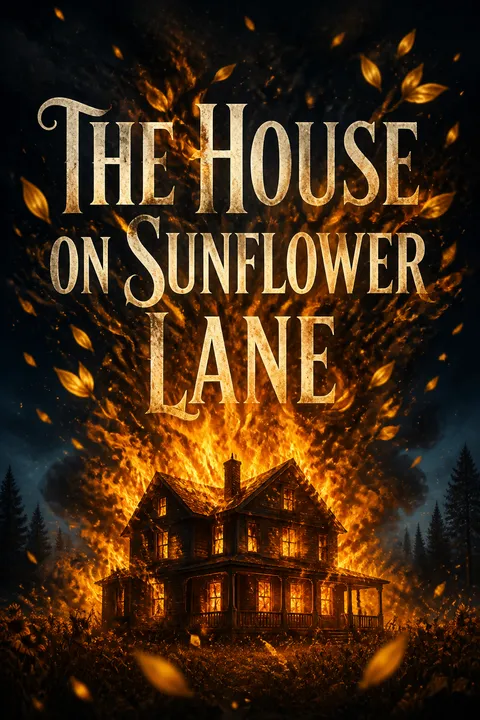
With Carmen's help, Shannon prepares a ritual to sever the house's hold on Hazel and end the cycle. The ritual is fraught with danger—Carmen is attacked, the house fights back, and the voices of the past clamor for attention. In a moment of clarity, Shannon realizes that only fire—a true, intentional act of cleansing—can break the curse. She sets the house ablaze, carrying Carmen to safety as the flames consume the source of so much pain. The emotional impact is cathartic and terrifying; the cost is high, but the cycle is finally broken.
Fire and Freedom
The house burns, and with it, the weight of generations of grief and loss. Shannon and Carmen escape, battered but alive. The fire is both an ending and a beginning—a purging of the past and a clearing of the way for something new. The emotional arc is one of release and relief; the house's power is finally broken, and the possibility of healing emerges.
A New Beginning, Old Shadows
A year later, Shannon and Hazel have built a new life in a safe, unremarkable home. Friends, community, and routine offer stability and hope. Yet, the past lingers—news of another missing girl in Gurley suggests the cycle may not be entirely broken. The sunflowers on the table are both a symbol of resilience and a reminder that some wounds never fully heal. The emotional arc is bittersweet; freedom has been won, but vigilance remains necessary. The story ends with a sense of hard-earned peace, tempered by the knowledge that evil, once awakened, is never easily put to rest.
Analysis
The House on Sunflower Lane is a masterful exploration of generational trauma, motherhood, and the insidious nature of evil—both supernatural and mundane. Through its layered narrative, the novel interrogates the ways in which grief, abandonment, and violence echo through time, shaping the lives of those who come after. The house is both a literal and metaphorical antagonist, feeding on the pain of women and children, perpetuating cycles of loss that are as much psychological as they are paranormal. The story's power lies in its empathy: Shannon, Fern, and Ada are not just victims, but survivors who fight—sometimes futilely, sometimes triumphantly—to protect their children and themselves. The use of ritual and fire as means of breaking the cycle underscores the necessity of both action and release; healing requires not just endurance, but the courage to let go of what cannot be saved. The novel's conclusion is both hopeful and cautionary: while Shannon and Hazel achieve a measure of freedom, the persistence of evil—hinted at in the final chapter—reminds us that trauma, once unleashed, is never easily contained. The House on Sunflower Lane is ultimately a story about the cost of survival, the power of community, and the enduring strength of mothers who refuse to be forgotten.
Review Summary
The House on Sunflower Lane receives an overall rating of 4.29/5, with readers praising its atmospheric slow-burn tension, emotionally grounded characters, and compelling dual timelines. Many highlighted the powerful themes of motherhood, isolation, and generational haunting. Frequent praise focused on strong character development and an immersive, creepy atmosphere. Common criticisms included pacing issues in the middle sections, an anticlimactic or unclear ending, and unanswered questions about the supernatural entity. Most reviewers found it a compelling, deeply affecting read, particularly for fans of atmospheric, emotionally driven horror.
Characters
Shannon
Shannon is the emotional and narrative center of the story—a young mother whose journey from hope to terror to resilience forms the backbone of the novel. Her relationship with Marc begins with optimism but quickly deteriorates under the pressures of new parenthood, isolation, and the house's supernatural influence. Shannon's psychological arc is marked by guilt, fear, and a fierce protectiveness of Hazel. She is deeply empathetic, often internalizing the pain of others (Fern, Ada, her own mother), and her struggle with postpartum anxiety and the burdens of single motherhood are rendered with raw honesty. Shannon's development is one of hard-won strength: she moves from passivity and self-doubt to decisive action, ultimately breaking the cycle of grief that has haunted the house for generations. Her relationships—with Hazel, Marc, Tom, Carmen, and her father—are complex, shaped by love, loss, and the ever-present threat of abandonment.
Hazel
Hazel is Shannon's young daughter, a sensitive and perceptive child who becomes the focus of the house's haunting. Her innocence is both her vulnerability and her strength—she sees and hears things adults cannot, and her interactions with the "closet lady" and the "tricky lady" are chilling in their simplicity. Hazel's psychological development is shaped by the instability around her: she is alternately withdrawn, fearful, and joyful, depending on the house's influence and her mother's state. Her relationship with Shannon is the emotional core of the novel; Hazel's safety is the driving force behind Shannon's actions. Hazel's ability to name and describe the supernatural presences gives the haunting its specificity and urgency, and her survival is the story's ultimate victory.
Marc
Marc begins as a well-meaning but distracted husband, excited by the prospect of homeownership and fatherhood. As the haunting intensifies and the pressures of pandemic isolation mount, Marc withdraws emotionally and physically, eventually abandoning Shannon and Hazel. His psychological arc is one of avoidance and detachment; he is unable or unwilling to confront the darkness in the house or in himself. Marc's abandonment is both a personal and generational wound, echoing the patterns of men in the house's history. His absence forces Shannon to confront her fears alone, and his failure to protect or support his family is a source of lasting pain.
Fern
Fern is the house's previous owner, a woman whose life is marked by isolation, disappointment, and loss. Her husband's absence and her daughter Loretta's disappearance leave her emotionally and spiritually stranded. Fern's psychological arc is one of longing and resignation; she clings to memories and rituals, unable to move on. In death, Fern becomes a protective but powerless presence, her spirit lingering in the house, trying to shield Hazel from the same fate as Loretta. Fern's story is a cautionary tale and a source of empathy; her pain is both personal and archetypal, and her inability to break the cycle of grief haunts the present.
Ada Ellison
Ada is the earliest known victim of the house's curse, a mother whose daughter Viola disappears and whose husband abandons her. Her letters, discovered in the root cellar, reveal a woman driven to the brink by isolation, supernatural terror, and the indifference of her community. Ada's psychological arc is one of mounting desperation and resolve; she ultimately chooses to burn the house in a final act of defiance and hope. Ada's sacrifice is both heroic and futile—the curse persists, but her story provides the key to breaking it. Ada is a mirror for Shannon and Fern, her grief and courage echoing through the generations.
Carmen
Carmen is Tom's sister, a hospice nurse and practitioner of folk magic and spiritual cleansing. She is calm, grounded, and deeply empathetic, bringing both practical and mystical skills to the fight against the house's evil. Carmen's psychological arc is one of responsibility and humility; she acknowledges her own past mistakes and approaches the supernatural with respect and caution. Her relationship with Shannon is one of mentorship and solidarity—she empowers Shannon to take action and provides the tools and rituals necessary to confront the haunting. Carmen's presence is a source of hope and agency, bridging the gap between past and present, science and magic.
Tom
Tom is the realtor who sells Shannon and Marc the house, later becoming Shannon's confidant and emotional anchor. He is practical, reliable, and quietly courageous, offering help without judgment or expectation. Tom's psychological arc is one of atonement and growth; he feels responsible for Shannon's plight and goes above and beyond to support her, even at personal and professional cost. His relationship with Shannon evolves from professional to deeply personal, marked by mutual respect, vulnerability, and the possibility of new beginnings. Tom's family, especially Carmen, extends the circle of care and protection around Shannon and Hazel.
Kim Gillespie
Kim is the brash, gossip-loving neighbor who provides crucial information about the house's history. Her warnings are both helpful and self-serving; she delights in the drama but is genuinely unsettled by the house's reputation. Kim represents the community's collective memory and its tendency to stigmatize and isolate those touched by tragedy. Her relationship with Shannon is uneasy but necessary; she is both a source of knowledge and a reminder of the house's inescapable notoriety.
Maureen
Maureen is a retired teacher who offers Shannon and Hazel shelter when they have nowhere else to go. She is nurturing, practical, and principled, providing stability and comfort in a time of crisis. Maureen's psychological arc is one of boundaries and compassion; she helps as much as she can but ultimately draws the line at participating in rituals she doesn't understand or trust. Her relationship with Shannon is a model of community support, but also a reminder that help has limits.
Hilda Birch
Hilda is a former deliverance minister who, with her late husband, once attempted to cleanse the house. Now elderly and reflective, she provides historical context and spiritual insight. Hilda's psychological arc is one of humility and sorrow; she recognizes the limitations of her past efforts and the complexity of evil. Her relationship with Shannon and Carmen is one of mutual respect and shared purpose; she offers wisdom, ritual tools, and a sense of continuity between past and present battles against the house's darkness.
Plot Devices
Generational Haunting and Cyclical Trauma
The novel's central device is the cyclical nature of the haunting: each generation, a family moves in, a daughter is targeted, a mother is left to grieve, and a father abandons his family. This pattern is revealed through parallel narratives—Shannon's present, Fern's past, and Ada's letters—creating a sense of inevitability and dread. The house is not just haunted, but cursed by accumulated grief, loss, and violence, feeding on the pain of women and children. This device allows the story to explore themes of generational trauma, the inheritance of sorrow, and the difficulty of breaking destructive cycles.
Epistolary Fragments and Found Objects
The discovery of Ada's letters, Fern's corsage, and other relics serves as both plot device and symbol. These objects bridge past and present, providing clues to the house's history and the nature of its evil. The epistolary fragments allow the reader to experience the psychological unraveling of previous victims, deepening empathy and suspense. The found objects are also used in rituals, grounding the supernatural in tangible, everyday things and reinforcing the theme that the past is never truly buried.
Ritual and Folk Magic
The use of ritual—both religious and folk—structures the novel's climax and resolution. Carmen's severing and cleansing rituals are depicted with respect and detail, blending elements of Catholicism, folk magic, and modern witchcraft. These rituals are not guaranteed solutions; they require intention, sacrifice, and emotional truth. The failure of the first ritual and the ultimate necessity of fire underscore the idea that breaking cycles of trauma requires both action and letting go. Ritual is both a plot device and a metaphor for the work of healing.
Parallel Narratives and Foreshadowing
The novel's structure alternates between Shannon's present, Fern's memories, and Ada's letters, using parallel events and emotional arcs to foreshadow outcomes and deepen suspense. The repetition of motifs—missing girls, abandoned mothers, failed exorcisms—creates a sense of inevitability, while subtle differences in each generation's response suggest the possibility of change. Foreshadowing is used to build dread (Hazel's warnings, the neighbor's stories, the barn's secrets) and to prepare the reader for the final confrontation.
Symbolism of the House and Land
The house and its surrounding land are more than a backdrop—they are active participants in the story. The house is sentient, hungry, and manipulative, shaping the fates of its inhabitants. The land is cursed by historical trauma (the Trail of Tears, pioneer violence), and the house is built atop layers of sorrow. The setting's symbolism is reinforced through sensory detail (smells, sounds, temperature shifts) and through the characters' psychological responses. The house is both a site of memory and a predator, embodying the novel's themes of inheritance, grief, and the struggle for liberation.
Download PDF
Download EPUB
.epub digital book format is ideal for reading ebooks on phones, tablets, and e-readers.








































