
Plot Summary
Rut, Cake, and Escape
Bonnie St. James is at rock bottom: jobless, dumped, and evicted, she drowns her sorrows in cake and self-deprecating humor. Her best friend Dakota, also reeling from heartbreak, stumbles upon a viral post seeking two Americans to run a coffee shop in the Scottish Highlands. Despite Bonnie's skepticism and Dakota's impulsiveness, they apply, driven by desperation and the hope of adventure. Their friendship, forged in childhood and tested by adulthood's disappointments, becomes the lifeline pulling them toward a new beginning. The chapter pulses with anxiety, humor, and the ache of wanting more from life, setting the stage for a journey of self-discovery, healing, and unexpected love.
Highlands Arrival Chaos
Bonnie and Dakota's arrival in Scotland is a comedy of errors: a clown-car MINI Cooper, incomprehensible Scottish accents, and a mortifying encounter with a kilted local who pantomimes "Boaby Stone" (penis stone). Navigating narrow roads, roundabouts, and Dakota's motion sickness, they finally reach the tiny town of Corsekelly. The landscape's beauty is matched only by their confusion and exhaustion. Their new home—a thatched-roof cottage—feels like a fairy tale, but the reality of rural life, plumbing quirks, and sheep-stomach haggis quickly shatter any romantic illusions. Yet, beneath the chaos, a sense of possibility flickers.
Coffee, Haggis, and Grumpy
Bonnie and Dakota meet Finella, their warm-hearted host, and learn about the town's infamous Boaby Stone and its Iron Crowns TV fame. The coffee shop is a bare-bones operation, and their culinary education is swift and brutal—Bonnie's stomach rebels against haggis. The real shock comes when Bonnie, fresh from the shower, confronts a half-naked, tattooed, and surly Rowan MacGregor in the cottage kitchen. Their antagonistic chemistry is immediate and electric. Bonnie's American brashness clashes with Rowan's Scottish reserve, setting up a dynamic of mutual irritation and undeniable attraction.
Clash of Cultures
Bonnie and Dakota struggle with the slow pace of Corsekelly, the lack of modern conveniences, and the town's eccentricities. Early mornings by the loch, run-ins with Fergus the screaming goat, and the locals' blunt humor force them out of their comfort zones. Bonnie's insecurities about her direction in life surface, while Dakota quietly battles her own heartbreak. The town's characters—Isla, the Murdach twins, and others—begin to weave the Americans into the fabric of Corsekelly, offering both comic relief and glimpses of genuine connection.
Goat Encounters and New Friends
As Bonnie and Dakota settle in, they're drawn into the town's social life: pub nights, bakery visits, and awkward flirtations. Bonnie's attempts at Scottish baking are disastrous but endearing, and her banter with Rowan grows sharper and more flirtatious. Dakota's budding interest in Isla is met with gentle encouragement. The Americans' presence stirs up both curiosity and affection among the locals, and the girls begin to see the possibility of belonging. Yet, beneath the laughter, both women are haunted by the fear of failure and the ache of past wounds.
Small Town, Big Hearts
Bonnie's relentless optimism and Dakota's quiet strength help them navigate the challenges of small-town life. Rowan's gruff exterior begins to crack, revealing vulnerability and a hidden passion for pottery. Bonnie's attempts to revive the coffee shop spark hope in the community, and her friendship with Dakota is tested and strengthened by honest conversations about purpose, love, and self-worth. The town's warmth and the beauty of the Highlands begin to heal old wounds, but new challenges loom as Bonnie and Rowan's connection intensifies.
Butteries and Belonging
Bonnie's quest to master the elusive Scottish buttery becomes a metaphor for her journey: messy, frustrating, and ultimately rewarding. With Rowan's reluctant guidance, she learns the art of baking and the value of patience. The coffee shop's transformation mirrors Bonnie's own growth, as she finds purpose in creating something meaningful. The townspeople rally around her efforts, and the shop becomes a hub of laughter, comfort, and connection. Bonnie's sense of belonging deepens, but her feelings for Rowan—and her fear of vulnerability—complicate her newfound happiness.
Storms and Vulnerability
A sudden storm traps Bonnie and Rowan on a mountaintop, forcing them into physical and emotional closeness. Rowan's trauma over his brother's death surfaces, and Bonnie's empathy helps him open up about his pain. Their shared vulnerability leads to a tentative intimacy, both physical and emotional. The storm becomes a crucible, burning away pretense and forging a deeper bond. Yet, the aftermath leaves both shaken—Rowan by his fear of loss, Bonnie by her growing feelings and the realization that healing requires trust and courage.
Finding Purpose, Losing Self
Bonnie throws herself into reviving the coffee shop, channeling her energy into baking, decorating, and marketing. The shop's success brings pride but also exhaustion and self-doubt. Dakota, meanwhile, navigates her relationship with Isla and her own lingering insecurities. The friends' paths begin to diverge as each pursues her own happiness. Bonnie's drive to prove herself blinds her to the needs of those around her, and cracks appear in her relationships. The cost of ambition becomes clear: in seeking purpose, Bonnie risks losing herself—and those she loves.
Friendship Fractures
Tensions between Bonnie and Dakota erupt into a fierce argument, fueled by jealousy, unmet expectations, and old wounds. Both women accuse each other of selfishness and neglect, and their friendship seems irreparably damaged. Bonnie's relationship with Rowan also falters after she invades his private pottery shed, triggering his deepest fears and anger. Isolated and heartbroken, Bonnie faces the consequences of her actions. The pain of losing her two closest relationships forces her to confront her own flaws and the limits of her resilience.
Love, Loss, and Letting Go
Rowan's father's terminal illness brings him back to London, where he reconciles with his family and confronts the legacy of loss and regret. Bonnie, left behind, pours herself into the coffee shop, but the emptiness of success without love becomes unbearable. As the grand opening approaches, she is abandoned by both Dakota and Rowan, her achievements overshadowed by loneliness. The community's eventual support offers solace, but Bonnie realizes she cannot stay in Corsekelly without the people who matter most. She prepares to return to America, heartbroken but changed.
Healing, Home, and Hope
Dakota and Bonnie reconcile after a heartfelt conversation about love, identity, and the importance of showing up for each other. Isla and Dakota's relationship deepens, and Bonnie finds comfort in the support of friends old and new. Rowan, urged by his dying father, confronts his own pride and fear, realizing that love requires vulnerability and the willingness to fight for happiness. He returns to Bonnie with a handmade mug and a confession of love, asking her to stay and build a life together. Forgiveness and hope blossom, and the promise of a shared future emerges.
Grand Opening, Grand Heartbreak
The coffee shop's grand reopening is both a triumph and a test: Bonnie's vision comes to life, the town rallies around her, and the shop becomes a symbol of renewal. Yet, the absence of Dakota and Rowan casts a shadow over her success. When Rowan finally returns, he brings news of his father's illness and a heartfelt apology. Their reunion is tender and raw, marked by mutual vulnerability and the recognition that love is worth fighting for. The chapter ends with the promise of healing, belonging, and a future built on trust.
Reconciliation and Realization
Rowan and Bonnie confess their love, choosing each other and the life they've built in Corsekelly. Dakota and Isla's relationship flourishes, and the friends find new balance in their evolving lives. The coffee shop thrives, becoming a hub of laughter, comfort, and connection. Rowan reconciles with his family, honoring his father's legacy and embracing his own gifts. Bonnie, once lost and uncertain, stands rooted in purpose and love. The community's support and the beauty of the Highlands become the backdrop for a story of resilience, forgiveness, and joy.
Love Confessed, Futures Forged
In the aftermath of loss and reconciliation, Rowan and Bonnie build a life together, blending their talents and dreams. The coffee shop's success is matched by the deepening of their relationship, and the town's embrace becomes a source of strength. Dakota and Isla's wedding brings the community together, and Bonnie and Rowan's engagement and pregnancy signal new beginnings. The lessons of the past—about love, vulnerability, and the courage to choose happiness—shape their future. The Highlands, once a place of escape, become home.
Epilogue: Kilted Beginnings
The story concludes with Dakota and Isla's wedding, officiated by Rowan in full kilted regalia, and Bonnie's pregnancy. The coffee shop, now the Hairy Coo Coffee Company, thrives as a symbol of community and renewal. Rowan's pottery, once hidden, is celebrated, and Bonnie's journey from lost to found is complete. The legacy of love, friendship, and resilience endures, woven into the fabric of Corsekelly and the hearts of its people. The Highlands, with their storms and beauty, have given Bonnie and Rowan not just a new life, but a new beginning.
Analysis
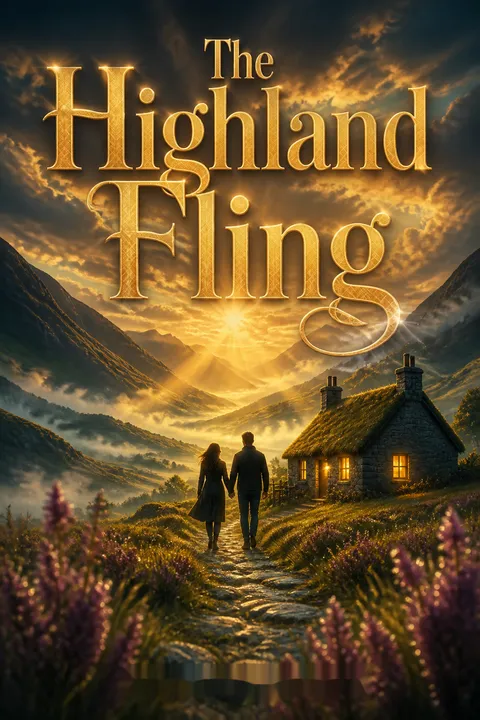
Meghan Quinn's The Highland Fling is a vibrant, heartfelt exploration of self-discovery, love, and the messy, beautiful process of finding one's place in the world. Through the lens of two American women thrust into the eccentric embrace of a Scottish village, the novel examines the universal longing for purpose, belonging, and connection. The story's humor and warmth are balanced by honest depictions of grief, regret, and the courage required to heal old wounds. At its core, the book is a celebration of community—the ways in which tradition, friendship, and shared labor can transform both people and places. The romance between Bonnie and Rowan, built on banter, vulnerability, and mutual growth, serves as a model for healthy, resilient love. The parallel journey of Dakota and Isla offers a nuanced portrayal of queer identity and the challenges of rebuilding trust after betrayal. Ultimately, The Highland Fling argues that happiness is not found in grand gestures or perfect plans, but in the willingness to show up, to forgive, and to choose joy—even in the face of uncertainty. The Highlands, with their storms and beauty, become a metaphor for life itself: unpredictable, demanding, and, in the end, breathtakingly rewarding.
Review Summary
The Highland Fling receives mixed reviews averaging 3.95/5 stars. Readers praise the Scottish setting, grumpy hero Rowan, and emotional depth, with many enjoying the dual romance storylines and small-town charm. However, the protagonist Bonnie polarizes readers—some find her humor endearing while others consider her excessively quirky, self-centered, and annoying. Common criticisms include forced humor, weak enemies-to-lovers development, rushed conflict resolution, repetitive Scottish terminology, and boundary issues. Fans appreciate the audiobook narration and slower burn romance, though some found the male narrator's female voices poor. Side characters like Dakota, Fergus the goat, and the twins receive consistent praise.
People Also Read








Characters
Bonnie St. James
Bonnie is a witty, self-deprecating American whose life is in shambles at the story's start. Her journey is one of self-discovery, resilience, and transformation. Initially defined by failure and insecurity, Bonnie's humor masks deep wounds and a longing for meaning. Her friendship with Dakota is her anchor, but her impulsive move to Scotland forces her to confront her fears and limitations. Through baking, community, and her tumultuous relationship with Rowan, Bonnie learns to trust herself, embrace vulnerability, and claim her worth. Her arc is a testament to the power of reinvention, forgiveness, and the courage to choose happiness.
Rowan MacGregor
Rowan is the archetypal grumpy Scot: stoic, sarcastic, and fiercely private. Haunted by the death of his brother and a fractured relationship with his father, Rowan hides his pain behind a wall of sarcasm and solitude. His passion for pottery is a secret refuge, and his sense of duty to family and town is both a burden and a source of pride. Bonnie's arrival disrupts his carefully controlled world, forcing him to confront his fears and open his heart. Rowan's journey is one of healing, reconciliation, and the realization that love requires both strength and surrender.
Dakota Dalton
Dakota is Bonnie's lifelong confidante, a creative and loyal friend struggling with the aftermath of her first love's betrayal. Her move to Scotland is as much about escape as it is about hope. Dakota's arc centers on her journey toward self-acceptance, the rebuilding of trust, and the courage to love again. Her relationship with Isla is a slow-burning, tender exploration of vulnerability and desire. Dakota's friendship with Bonnie is tested by jealousy, miscommunication, and the challenges of change, but ultimately endures as a source of strength and renewal.
Isla Murdach
Isla is the heart of Corsekelly's bakeshop, known for her warmth, humor, and quiet strength. As Dakota's love interest, she embodies patience and understanding, helping Dakota navigate the complexities of identity and intimacy. Isla's own journey is shaped by her experiences as a gay woman in a small town, and her relationship with Dakota is marked by mutual support and growth. Isla's presence in the story is a balm, offering comfort, wisdom, and the promise of new beginnings.
Finella MacGregor
Finella is Rowan's mother and the orchestrator of the Americans' arrival. Her warmth, pragmatism, and subtle matchmaking set the story in motion. Finella's own struggles—with her husband's illness and the decline of the coffee shop—mirror the themes of resilience and adaptation. She serves as a mentor to Bonnie, encouraging her creativity and ambition, and her faith in community and family anchors the narrative's emotional core.
Stuart MacGregor
Stuart is Rowan's father, a man defined by tradition, pride, and a deep love for his family. His illness and impending death force long-buried conflicts to the surface, prompting reconciliation and honest conversation. Stuart's relationship with Rowan is fraught with misunderstanding and unspoken pain, but ultimately becomes a source of healing and closure. His legacy—of craftsmanship, community, and love—shapes the story's resolution.
Leith and Lachlan Murdach
The Murdach twins are the comic relief and backbone of Corsekelly, known for their kilted antics, personal training videos, and unwavering loyalty. Their friendship with Rowan and Bonnie provides levity and support, and their presence underscores the importance of community, tradition, and laughter. They are both confidants and instigators, helping to bridge cultural gaps and foster belonging.
Fergus the Goat
Fergus is more than a screaming goat—he is a living link to Corsekelly's history and a source of comic chaos. His appearances mark moments of transition, challenge, and connection, embodying the town's quirky spirit and the enduring power of local legend.
Shona
Shona runs the Mill Market and serves as a steady, grounding presence in the community. Her wisdom, humor, and subtle matchmaking help guide Bonnie and Dakota through their challenges. Shona's role is that of the wise observer, offering perspective and encouragement when most needed.
Hamish
Hamish is the heart of Fergie's Castle, the local pub, and a source of both gossip and comfort. His establishment is the setting for many pivotal moments, and his generosity and humor reflect the best of small-town life. Hamish's support of Bonnie's efforts and his friendship with Rowan and the Murdachs reinforce the story's themes of community and belonging.
Plot Devices
Fish-Out-of-Water Narrative
The story's central device is the classic "fish-out-of-water" trope: Bonnie and Dakota, outsiders in a tight-knit Scottish village, must navigate unfamiliar customs, language barriers, and rural quirks. This device generates both comedy and conflict, forcing the protagonists to adapt, confront their assumptions, and ultimately find belonging. The contrast between American and Scottish sensibilities is mined for both humor and insight, highlighting the universality of longing, love, and the search for home.
Enemies-to-Lovers Romance
Bonnie and Rowan's relationship is built on sharp banter, mutual irritation, and simmering attraction. Their initial clashes mask deeper wounds and desires, and their journey from adversaries to lovers is marked by moments of vulnerability, misunderstanding, and reconciliation. The device allows for rich character development, as both must confront their fears and learn to trust.
Parallel Journeys of Healing
Bonnie and Dakota's arcs run in parallel: both are recovering from heartbreak, both seek purpose, and both must learn to balance ambition with connection. Their friendship is tested by jealousy, miscommunication, and the challenges of change, but ultimately endures as a source of strength. The device of parallel journeys allows the narrative to explore themes of identity, forgiveness, and the transformative power of love.
Community as Character
Corsekelly is more than a setting—it is a living, breathing character, shaped by tradition, legend, and the eccentricities of its inhabitants. The town's rituals, gossip, and collective memory provide both obstacles and support for the protagonists. The device of community as character underscores the importance of belonging, the value of tradition, and the possibility of renewal.
Symbolism of Food and Craft
Food—especially Scottish baking—and Rowan's hidden pottery serve as recurring symbols of creativity, healing, and the blending of cultures. Bonnie's quest to master the buttery mirrors her journey toward self-acceptance, while Rowan's pottery represents his hidden gifts and the pain of unfulfilled potential. The act of creating—whether bread, cake, or mugs—becomes a metaphor for building a life, forging relationships, and leaving a legacy.
Storms and Weather as Emotional Landscape
The Highlands' unpredictable weather—storms, rain, and sudden sunshine—serves as a backdrop for the characters' emotional journeys. Storms force moments of vulnerability, confession, and intimacy, while clear skies signal hope and renewal. The device ties the characters' inner lives to the rhythms of the land, reinforcing the story's themes of resilience and adaptation.
About the Author
Other books by Meghan Quinn







Download PDF
Download EPUB
.epub digital book format is ideal for reading ebooks on phones, tablets, and e-readers.








































