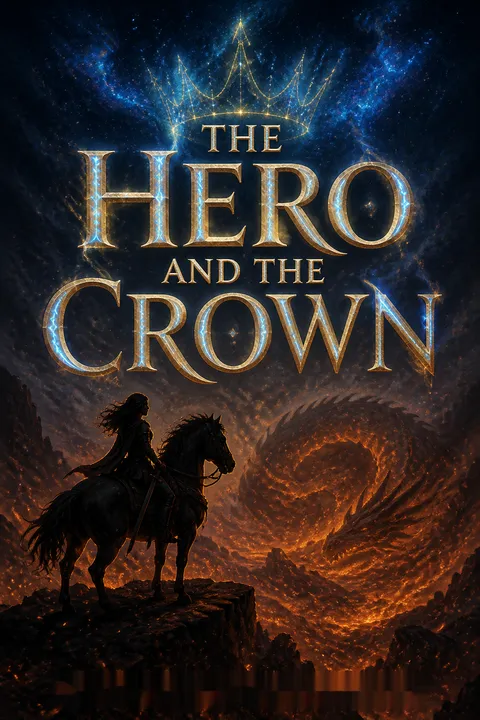

Plot Summary
Outcast in the Castle
Aerin, daughter of King Arlbeth and his mysterious second wife, grows up in the royal castle of Damar, always an outsider. Her mother's foreign origins and the rumors of witchcraft cast a shadow over Aerin's childhood, making her the subject of suspicion and scorn. She is haunted by the story that her mother ensorcelled the king and died of despair after bearing a daughter, not a son. Aerin's only solace is her cousin Tor, the heir, who treats her with kindness and camaraderie. Yet, the court's wariness and her own lack of the royal Gift leave her feeling inadequate and alone, brooding over her place in a world that seems to have no use for her.
The Witchwoman's Daughter
Aerin's identity is shaped by the legend of her mother, the so-called witchwoman from the North. The court whispers that Aerin is not truly royal, and her lack of magical Gift seems to confirm it. She is clumsy, awkward, and the target of her cousin Galanna's malice. Her only confidante is her nurse Teka, who offers comfort but few answers. Aerin's longing for acceptance is matched by her stubbornness; she refuses to be cowed by the court's disdain, even as she internalizes their doubts. The story of her mother's supposed spell and tragic end becomes a wound that never fully heals, fueling both her insecurity and her defiance.
Talat's Fall and Recovery
When her father's once-glorious warhorse Talat is lamed in battle, he is cast aside, much like Aerin herself. Drawn to the horse's proud suffering, Aerin begins to visit him in his lonely pasture. Their mutual sense of exile forges a bond, and through patience and care, Aerin helps Talat recover some of his strength and spirit. As she works with Talat, Aerin finds a sense of purpose and companionship. The process of healing the horse mirrors her own slow journey toward self-acceptance, and Talat becomes both her confidant and her partner in the adventures to come.
The Surka Dare
Galanna, ever spiteful, dares Aerin to eat a leaf from the royal surka plant, claiming it will prove her lack of true royal blood. Desperate to belong, Aerin accepts the challenge and is nearly killed by the poison. Her long, hallucinatory illness leaves her physically and emotionally scarred, deepening her sense of alienation. Yet, the ordeal also marks a turning point: Aerin survives, but her recovery is slow and solitary. The surka episode cements her reputation as an outsider, but it also awakens a stubborn resilience in her, a refusal to be defined by others' expectations or cruelties.
Dragon-Killer Awakens
During her convalescence, Aerin discovers an old history book that speaks of the great dragons of Damar and the legendary ointment, kenet, that protects against dragonfire. Intrigued, she becomes obsessed with the idea of making the ointment and hunting dragons herself. Her research and experiments become a secret project, giving her a sense of agency and hope. As she learns more about dragons and the lost Hero's Crown, Aerin begins to imagine a different future for herself—one where she might earn her place through courage and skill, not birthright.
The Secret of Kenet
Aerin's quest to create kenet is marked by trial, error, and burnt fingers. She scours the countryside for rare herbs, enlists Teka's unwitting help, and keeps meticulous notes. Her determination is fueled by a desire to prove herself and to do something no one else has done. After years of persistence, she finally succeeds in making a batch of kenet that renders her immune to fire. This breakthrough is both practical and symbolic: Aerin has forged her own power, independent of the royal Gift, and is ready to face the dragons that haunt Damar's borders.
Sword Lessons and Scars
With Tor's help, Aerin hones her skills in swordplay, learning discipline and control. Their lessons are a respite from court life and a source of mutual support, though unspoken feelings complicate their friendship. Aerin's body bears the marks of her training and her dragon experiments, but each scar is a testament to her growing competence. As she grows taller and stronger, she also grows more confident, though she remains wary of the court's judgment. The sword becomes both a literal and figurative extension of her will, preparing her for the challenges ahead.
Galanna's Wedding, Aerin's Resolve
Galanna's lavish wedding to Perlith is a spectacle of courtly intrigue and veiled insults. Aerin, excluded and ridiculed, endures the event with stoic grace. The ceremony crystallizes her outsider status but also steels her resolve to find her own path. In the aftermath, Aerin receives her own sword from Tor, a gift that signifies trust and recognition. The court's gossip and suspicion intensify, but Aerin is no longer content to hide. She embraces her role as an unconventional princess, determined to make her mark on Damar in her own way.
First Dragons, First Blood
Armed with kenet, her sword, and Talat, Aerin sets out alone to slay the small dragons that plague the countryside. Her first battle is chaotic and terrifying, but she prevails through ingenuity and grit. The villagers are astonished by her success, and word spreads of the king's daughter who kills dragons. Aerin's triumph is hard-won; she is wounded and shaken, but the experience transforms her. She returns to the City not as a victim or a curiosity, but as a hero—though the court is slow to acknowledge her deeds.
Earning the King's Sword
Aerin's dragon-slaying exploits earn her the king's respect and the formal right to bear his sword. She is no longer merely tolerated but is given a place in the court's councils and the country's defense. Yet, her victories also breed new rumors and fears: some see her as a savior, others as a witch. The wounds she sustains—physical and emotional—are reminders of the cost of heroism. Aerin's relationship with her father deepens, but the shadow of her mother's legacy and the court's prejudice remain.
Aerin the Dragon-Slayer
As Aerin continues to hunt dragons, her fame spreads across Damar. Villages welcome her, and songs are sung of Aerin Fire-hair. Yet, the court's suspicion lingers, and her success only heightens their unease. The more she proves herself, the more she is set apart. Aerin finds solace in the countryside and among the common people, but the loneliness of her role weighs heavily. The rumors of her mother's witchcraft and her own unnatural abilities persist, even as she becomes indispensable to the kingdom's survival.
The Black Dragon's Shadow
As political unrest grows and the threat from the North intensifies, a messenger brings dire news: Maur, the last and greatest of the old dragons, has awakened. The timing is no accident—Damar is on the brink of civil war, and the king must ride out to face human enemies, leaving the kingdom vulnerable. Aerin, forbidden to join the army, resolves to confront Maur alone. The shadow of the Black Dragon looms over Damar, a symbol of both external danger and the darkness within.
Maur's Awakening
Aerin rides north with Talat, armed with kenet and her hard-won skills. The land is blighted by Maur's presence, the air thick with ash and fear. The journey is grueling, and Aerin is haunted by dreams and doubts. When she finally confronts Maur, the battle is apocalyptic. She is burned, broken, and nearly killed, but through sheer will and the protection of kenet, she manages to slay the Black Dragon. The victory is pyrrhic; Aerin is left physically and spiritually shattered, her hair and face scarred, her sense of self in tatters.
The Battle with Maur
After the battle, Aerin crawls to a stream, barely alive. Talat, also wounded, finds her, and together they begin the slow process of recovery. Aerin's wounds are deep, and her spirit is nearly broken. She is haunted by visions and the weight of her actions. The people of the north, who sent her to face Maur, do not come to her aid. Alone in the wilderness, Aerin must confront not only her physical injuries but the existential pain of being a hero in a world that does not understand or welcome her.
The Lake of Dreams
Desperate for healing, Aerin follows a dream to the Lake of Dreams and the mage Luthe. Luthe tends her wounds, both bodily and spiritual, and reveals truths about her heritage: Aerin is the niece of Agsded, the great enemy of Damar, and her mother's flight from the North was an act of both love and fear. Luthe's magic and wisdom help Aerin recover, but the price is high—she is made "no longer quite mortal," forever changed by the lake's power. In Luthe, Aerin finds both a mentor and a bittersweet love, a connection that transcends mortality.
Luthe's Healing and Truths
In Luthe's hall, Aerin learns the true nature of her kelar—the royal Gift—and the intertwined fates of Damar and the North. Luthe tells her of Agsded, her uncle, who wields the Hero's Crown and threatens to destroy Damar. Aerin's mother's legacy is both a burden and a source of strength. The love that grows between Aerin and Luthe is deep but doomed; she must return to her people and her destiny. Luthe gives her the enchanted sword Gonturan and prepares her for the final confrontation with Agsded.
The Hero's Crown Quest
Armed with Gonturan and accompanied by wild beasts—folstza and yerig—Aerin sets out to find Agsded and the Hero's Crown. The journey is perilous, filled with magical dangers and the weight of prophecy. Aerin's army of animals is both a symbol of her unique power and a reminder of her outsider status. As she travels north, the landscape becomes increasingly hostile, and the sense of impending doom grows. The quest is as much an inner journey as an outer one, forcing Aerin to confront her fears, her lineage, and her purpose.
Agsded's Tower
Aerin reaches Agsded's black tower, a place of nightmare and sorcery. The battle is not only physical but psychological; Agsded taunts her with truths and half-truths, trying to break her will. The fight is brutal and surreal, with Gonturan's blue fire clashing against Agsded's red magic. Aerin's own blood—the mingling of Damarian and Northern—becomes both her vulnerability and her weapon. In a final act of defiance, she uses the surka wreath and the dragon's bloodstone to destroy Agsded, shattering the tower and reclaiming the Hero's Crown.
The Final Confrontation
Aerin emerges from the ruins, changed and exhausted. She is reunited with Talat and her animal companions, and Luthe helps her return to her own time. The world has shifted: the land is scarred, the court is in mourning, and Damar is besieged by Northern armies. Aerin arrives in time to deliver the Hero's Crown to Tor, turning the tide of battle and saving her people. The cost is high—her father is dead, the land is wounded, and Aerin herself is forever marked by her journey. Yet, in the aftermath, she finds acceptance, love, and a place in the world she once thought would never be hers.
Analysis
Robin McKinley's The Hero and the Crown is a masterful exploration of the outsider's journey toward self-acceptance, agency, and heroism. At its heart, the novel interrogates the nature of power—who is allowed to wield it, and at what cost. Aerin's struggle is both deeply personal and universally resonant: she is the child of two worlds, rejected by both, yet ultimately becomes the bridge that saves her people. The story subverts traditional fantasy tropes by centering a female protagonist whose strength lies not in innate magical talent but in resilience, ingenuity, and hard-won skill. The psychological depth of the characters, especially Aerin, Tor, and Luthe, elevates the narrative beyond a simple adventure, delving into themes of trauma, healing, and the complexity of love. The magical elements serve as metaphors for internal transformation, while the political and familial dynamics reflect real-world issues of prejudice, legacy, and the search for belonging. Ultimately, The Hero and the Crown is a celebration of the power of the marginalized to reshape their own destinies and, in doing so, to heal and unite a fractured world.
Review Summary
The Hero and the Crown by Robin McKinley receives mixed but largely positive reviews, averaging 4.21 stars. Readers praise Aerin as a compelling heroine who earns her achievements through hard work rather than innate gifts. Many appreciate the book's feminist themes, beautiful prose, and subversion of fantasy tropes. Common criticisms include a weak second half where the villain appears suddenly without foreshadowing, an unsatisfying love triangle resolution, and Aerin's character shift from determined to passive. The dragon-slaying scenes and Aerin's relationship with her horse Talat receive consistent praise.
People Also Read
Characters
Aerin
Aerin is the daughter of King Arlbeth and his mysterious second wife, forever marked as an outsider by her mother's foreign blood and the rumors of witchcraft. She is awkward, stubborn, and fiercely independent, shaped by years of exclusion and self-doubt. Her journey from outcast to hero is marked by pain, perseverance, and a relentless drive to prove herself. Aerin's psychological complexity lies in her simultaneous longing for acceptance and her refusal to conform. Her relationships—with Tor, Teka, Talat, and Luthe—reveal her capacity for love and loyalty, even as she struggles with her own sense of worth. Through dragon-slaying, magical trials, and self-discovery, Aerin becomes the savior of Damar, but her victory is bittersweet, leaving her forever changed and aware of the cost of heroism.
Tor
Tor is Aerin's cousin, confidant, and eventual king of Damar. He is steady, responsible, and deeply caring, providing Aerin with the support and recognition she craves. Tor's love for Aerin is both romantic and fraternal, complicated by the expectations of royalty and the burdens of leadership. He is a skilled warrior and a wise ruler, but his greatest strength is his empathy and loyalty. Tor's psychological journey mirrors Aerin's: he must reconcile his duty to the kingdom with his personal desires, and his willingness to stand by Aerin, even when she is scorned, is a testament to his character. As king, Tor brings justice and healing to Damar, and his partnership with Aerin is both a personal and political triumph.
King Arlbeth
King Arlbeth is a ruler caught between tradition and change, haunted by the loss of his beloved second wife and the challenges of governing a divided kingdom. He is a man of principle and compassion, but also of sorrow and regret. Arlbeth's relationship with Aerin is marked by distance and longing; he loves her but is constrained by the expectations of his people and the shadow of her mother's legacy. As the kingdom faces external and internal threats, Arlbeth's wisdom and restraint are tested. His eventual acceptance of Aerin's worth and his trust in her abilities are crucial to her transformation. Arlbeth's death is a pivotal moment, marking the end of an era and the beginning of a new chapter for Damar.
Luthe
Luthe is the enigmatic mage who dwells by the Lake of Dreams, a figure of both wisdom and sorrow. He is not entirely human, marked by immortality and a deep understanding of magic and fate. Luthe's role in Aerin's journey is both healer and guide; he saves her life, reveals the truths of her heritage, and prepares her for the final confrontation with Agsded. The love that grows between Luthe and Aerin is profound but ultimately tragic, as their destinies diverge. Luthe's psychological depth lies in his acceptance of loss and his willingness to let Aerin go, knowing that her path lies elsewhere. He embodies the themes of sacrifice, knowledge, and the bittersweet nature of love.
Talat
Talat is more than a horse; he is Aerin's mirror and partner in exile. Once the king's proud warhorse, Talat is lamed and cast aside, only to be restored through Aerin's care. Their bond is one of mutual healing and trust, and Talat's journey from brokenness to renewed strength parallels Aerin's own. He is steadfast, brave, and intelligent, carrying Aerin through her greatest trials. Talat's presence is a source of comfort and courage, and his loyalty is unwavering. In the story's psychological landscape, Talat represents resilience, the possibility of redemption, and the power of companionship.
Galanna
Galanna is Aerin's cousin and chief tormentor, embodying the court's prejudice and superficiality. She is beautiful, ambitious, and deeply insecure, lashing out at Aerin to mask her own fears of inadequacy. Galanna's marriage to Perlith is a political alliance, and her bitterness is fueled by jealousy and disappointment. Despite her malice, Galanna is a tragic figure, trapped by the very system she seeks to manipulate. Her psychological complexity lies in her need for validation and her inability to find it, making her both a villain and a victim of Damar's rigid hierarchy.
Perlith
Perlith is the embodiment of courtly ambition and duplicity. As Galanna's husband and a high-ranking noble, he wields power through manipulation and charm. Perlith's antagonism toward Aerin is rooted in both personal and political motives; he resents her potential and seeks to undermine her at every turn. His Gift is used for spectacle and humiliation, and his ultimate fate is a reflection of the dangers of unchecked ambition. Perlith's psychological profile is that of a narcissist, driven by envy and a need for control, ultimately undone by his own schemes.
Teka
Teka is Aerin's nurse and the closest thing she has to a mother. Practical, loving, and wise, Teka provides emotional support and guidance, even as she struggles with her own fears and limitations. She is a stabilizing force in Aerin's life, offering comfort without judgment. Teka's relationship with Aerin is marked by honesty and affection, and her presence is a reminder of the importance of chosen family. Psychologically, Teka represents the nurturing aspect of the feminine, grounding Aerin in a world that often feels hostile and uncertain.
Agsded
Agsded is Aerin's uncle and the story's ultimate antagonist. A master mage who wields the Hero's Crown, Agsded is both a personal and existential threat to Damar. He is charismatic, intelligent, and utterly ruthless, using his power to sow chaos and despair. Agsded's psychological complexity lies in his relationship to Aerin—he is both kin and enemy, a mirror of what she might have become. His manipulation and cruelty are driven by pride and a desire for domination. The confrontation between Aerin and Agsded is as much a battle of wills as of magic, and his defeat is both a personal and collective victory.
Maur
Maur is the last and greatest of the old dragons, a force of destruction awakened by Northern sorcery. As both a literal and symbolic adversary, Maur represents the darkness that threatens to consume Damar. The battle with Maur is a test of Aerin's courage, ingenuity, and resilience. Maur's presence blights the land, and its defeat is a turning point in the story. Psychologically, Maur is the embodiment of fear, trauma, and the past that must be confronted and overcome.
Plot Devices
The Hero's Journey and the Outcast's Arc
The narrative structure follows the classic hero's journey, with Aerin as the reluctant, marginalized protagonist who must leave the safety of home, face trials, and return transformed. Her arc is deeply psychological, rooted in the pain of exclusion and the longing for acceptance. The story uses foreshadowing—through dreams, prophecies, and the recurring motif of the Hero's Crown—to build tension and guide Aerin's path. The interplay between personal and collective destiny is central, as Aerin's private struggles mirror the fate of Damar itself.
Magical Realism and Symbolism
The magical elements—kenet, the enchanted sword Gonturan, the Hero's Crown, and the Lake of Dreams—are not just plot devices but symbols of power, identity, and transformation. Kenet represents self-made protection, Gonturan the inheritance of destiny, and the Crown the unity and legitimacy of Damar. The Lake of Dreams serves as a liminal space for healing and revelation, blurring the line between mortality and immortality. These devices are woven into the narrative to explore themes of agency, legacy, and the cost of heroism.
Duality and Bloodlines
Aerin's mixed blood is both a source of vulnerability and strength. The story uses her dual heritage to explore questions of identity, belonging, and the nature of power. The conflict with Agsded is both external and internal, a battle between the two halves of Aerin's lineage. The motif of the outcast who becomes the savior is reinforced by the revelation that only one of Agsded's blood can defeat him, turning Aerin's greatest liability into her greatest asset.
Animal Companions and Chosen Family
The presence of animal companions—Talat, the wild cats (folstza), and the wild dogs (yerig)—serves as both literal support and symbolic affirmation of Aerin's unique place in the world. They represent loyalty, instinct, and the possibility of connection beyond human society. The chosen family motif is echoed in Aerin's relationships with Teka, Tor, and Luthe, contrasting with the rejection she experiences from her blood relatives and the court.
Foreshadowing and Prophecy
The narrative is rich with foreshadowing, from Aerin's early dreams to the prophecies surrounding the Hero's Crown and the defeat of Agsded. These elements create a sense of inevitability, but also of agency, as Aerin must choose to fulfill her destiny. The interplay between fate and free will is a central tension, explored through the motifs of dreams, magical omens, and the cyclical nature of history.
Damar Series
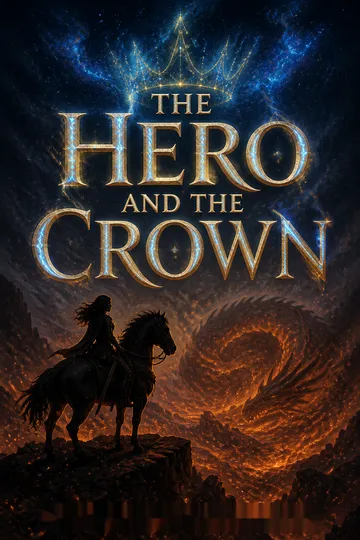
Download PDF
Download EPUB
.epub digital book format is ideal for reading ebooks on phones, tablets, and e-readers.








































