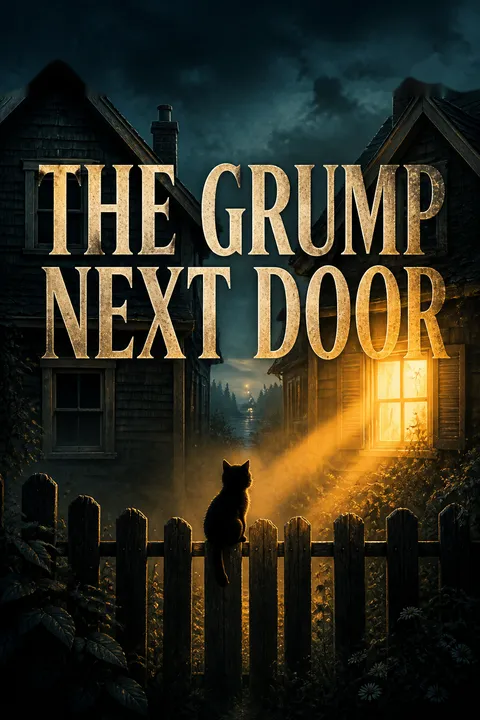

Plot Summary
Grumpy Atlas, Lonely Sutton
Atlas Steele, a retired pro football player, is a gruff, solitary man who hates people and avoids emotional entanglements. Sutton Sinclair, a single mom and travel nurse, is moving to a small Maine town with her teenage daughter, Laurel, seeking stability after years of upheaval. Both are exhausted by life's demands—Atlas by his family's chaos and Sutton by her daughter's resentment over yet another move. Their paths cross at a hotel, each feeling isolated and bracing for another lonely night, unaware that fate is about to throw them together in unexpected ways.
Elevator Sparks and Bar Rescue
Sutton and Atlas meet in a hotel elevator, their banter unexpectedly charged. Later, Sutton is harassed by a persistent creep at the bar. Spotting Atlas, she seizes the moment, pretending he's her boyfriend to escape the situation. Atlas, despite his gruff exterior, plays along, and their staged kiss turns electric. The chemistry between them is undeniable, and what starts as a rescue quickly becomes a passionate, impulsive connection. Both are surprised by how right it feels, even as they tell themselves it's just a one-time thing.
One Night, Eight Orgasms
In Atlas's hotel room, their chemistry ignites into a night of intense, boundary-pushing sex. Atlas is dominant but attentive, and Sutton, used to disappointment, is overwhelmed by pleasure and care. Their connection is raw and honest, with Atlas attentive to consent and Sutton reveling in being wanted. Both try to keep things physical, but the emotional undercurrents are strong. By morning, they part ways, convinced it was a fleeting encounter, but both are left shaken and wanting more.
Unexpected Landlord, Awkward Neighbors
Sutton and Laurel arrive at their new rental cottage, only to discover Atlas is their landlord—and lives in the main house. The shock is mutual, and their initial reunion is awkward, with Atlas accusing Sutton of stalking him. Tensions flare, but the truth emerges: it's a coincidence, and now they're stuck as neighbors for six months. Both try to keep their distance, but proximity and unresolved attraction make it impossible to ignore what happened between them.
Small Town, Big Tensions
Sutton and Laurel struggle to settle into small-town life, facing gossip, teenage angst, and the challenges of starting over. Atlas juggles family obligations, coaching, and his own emotional walls. Their paths cross at school and around town, each encounter charged with unresolved tension. Both try to maintain boundaries, but the town's intimacy and their forced proximity keep drawing them together, testing their resolve and stirring feelings neither wants to admit.
Forced Proximity, Unspoken Longing
A series of mishaps—including a flooded cottage—forces Sutton and Laurel to move into Atlas's house. The arrangement is supposed to be temporary, but living together blurs lines. Atlas's gruff care and Sutton's warmth create a makeshift family dynamic. Laurel bonds with Atlas, and Sutton sees a softer side to the man she thought was just a grump. The sexual tension simmers, but both are afraid to risk their hearts, haunted by past hurts and the fear of abandonment.
Family Chaos and New Beginnings
Atlas's family—his meddling mother and unreliable brothers—add chaos and humor, revealing his deep sense of responsibility and guilt over past family wounds. Sutton finds support in new friendships, especially with Quinn, and begins to imagine a future in Starlight Cove. Both are pulled between old patterns and the possibility of something real. The town's warmth and the slow-building trust between Atlas and Sutton hint at new beginnings, even as old fears linger.
Teenage Drama, Motherly Love
Laurel's adjustment is rocky, filled with sarcasm and rebellion, but Sutton's unwavering love and humor keep them afloat. The mother-daughter bond is tested but ultimately strengthened as they navigate small-town quirks, school drama, and the challenges of starting over. Sutton's sacrifices for Laurel are clear, and her desire to give her daughter stability and happiness drives many of her choices, even as she yearns for her own fulfillment.
The Kitten Distribution System
Atlas finds a drenched kitten and, despite his protests, seeks Sutton's help. The kitten becomes a symbol of their reluctant caretaking and growing bond. Laurel names her Pandora, and the shared responsibility draws the trio into a makeshift family. The kitten's antics provide comic relief and a reason for Atlas and Sutton to interact, breaking down barriers and revealing their capacity for tenderness and connection.
Rumors, Rivalries, and Reputations
The town buzzes with rumors about Atlas and Sutton, fueled by public displays and misunderstandings. Atlas's reputation as a grump and Sutton's status as the new single mom make them the subject of speculation. Fake dating becomes a strategy to control the narrative, but the act blurs into reality as their feelings deepen. Rivalries, both romantic and familial, add tension, but also force Atlas and Sutton to confront what they truly want.
Fake Dating, Real Feelings
To quell rumors and protect Sutton from her stalker ex, Atlas proposes a fake relationship, offering Sutton free rent and Laurel a dream school trip. The arrangement is supposed to be transactional, but the lines quickly blur. Public kisses and shared responsibilities make the act feel real, and both struggle to keep their emotions in check. The charade forces them to confront their fears and desires, setting the stage for deeper vulnerability.
Ex-Boyfriend Showdown
Sutton's ex-boyfriend tracks her down, escalating the threat. Atlas steps in, publicly claiming Sutton and driving the ex away. The confrontation is a turning point, exposing Atlas's protective instincts and Sutton's need for safety and respect. The aftermath leads to a passionate, emotionally charged encounter, but also stirs old wounds and fears of abandonment. Both are forced to reckon with their pasts and the possibility of a future together.
Lines Crossed, Hearts Exposed
Living together and facing crises, Atlas and Sutton can no longer deny their feelings. Vulnerabilities are exposed—Atlas's guilt over his father's abandonment, Sutton's fear of not being enough. Their intimacy deepens, both physically and emotionally, as they share secrets and dreams. But the weight of their histories threatens to pull them apart, and both must decide if they're willing to risk their hearts for something real.
The Flood and the Move-In
A catastrophic flood destroys Sutton's cottage, leaving her and Laurel with nowhere to go. Atlas insists they move in, and the trio settles into a new rhythm. The forced proximity accelerates their bond, but also brings old insecurities to the surface. Atlas's care for Laurel and Sutton is unwavering, but his fear of repeating his father's mistakes looms large. Sutton, meanwhile, grapples with the possibility of finally putting down roots.
Living Together, Falling Apart
As the new family dynamic settles, comfort gives way to conflict. Atlas's emotional walls and Sutton's fear of abandonment clash, leading to misunderstandings and distance. Both are terrified of being hurt, and their inability to communicate threatens to undo all they've built. Laurel, caught in the middle, becomes a voice of reason, urging them to fight for each other. The tension builds to a breaking point, forcing a reckoning.
Homecoming and Hard Launch
The town's homecoming game becomes the stage for Atlas and Sutton's "hard launch" as a couple. Public displays of affection and community support contrast with private doubts and unresolved issues. The event is a celebration, but also a crucible, testing their commitment and exposing the fragility of their happiness. Both must decide if they're willing to be vulnerable in front of the world—and each other.
Misunderstandings and Meltdowns
A job offer in Boston triggers Atlas's deepest fears, and he assumes Sutton will leave. Instead of talking, he withdraws, pushing her away and confirming her worst fears. Sutton, devastated, moves out, and both are left to confront their pain alone. Family and friends intervene, urging Atlas to fight for what he wants, but his old wounds threaten to keep him paralyzed. The separation is agonizing, but necessary for growth.
Grand Gestures and Second Chances
Realizing what he's lost, Atlas enlists Laurel and his mother to help win Sutton back. He builds her a library—a symbol of permanence and belonging—and offers her the choice to stay or go, promising to follow her anywhere. Sutton, moved by his vulnerability and commitment, chooses to stay in Starlight Cove, embracing the messy, beautiful life they've built together. Their reunion is passionate and heartfelt, a testament to the power of second chances and the courage to love again.
Analysis
Brighton Walsh's The Grump Next Door is a masterclass in contemporary romance, blending humor, heat, and heart into a story about second chances, chosen family, and the courage to love after loss. At its core, the novel explores the ways trauma and past disappointments shape our capacity for intimacy and belonging. Atlas and Sutton are both survivors—of abandonment, rejection, and the relentless demands of caretaking—who have learned to protect themselves by keeping others at arm's length. Their journey is one of mutual healing, as forced proximity and community pressure strip away their defenses and reveal the longing beneath. The small-town setting amplifies the stakes, making privacy impossible and vulnerability inevitable. The novel's use of classic romance tropes—grumpy/sunshine, fake dating, forced proximity—is elevated by sharp dialogue, complex characters, and a deep understanding of the psychological barriers to love. The grand gesture of the library is not just a romantic flourish but a symbol of Atlas's willingness to build a future and offer Sutton the permanence she's always craved. Ultimately, the book argues that true intimacy requires risk, that love is a choice made daily, and that home is not a place but the people we choose to fight for. The story's emotional resonance lies in its honesty about fear, its celebration of messy, imperfect families, and its insistence that everyone—no matter how grumpy or guarded—deserves a happily ever after.
Review Summary
The Grump Next Door receives an overall rating of 4.18/5, with readers praising its irresistible trope combination: grumpy/sunshine, fake dating, forced proximity, and single mom dynamics. Atlas is widely celebrated as a swoon-worthy hero—grumpy yet deeply protective and tender. The banter between Atlas and Sutton, along with her witty teenage daughter Laurel, generates consistent laughs. Many highlight the steamy chemistry, small-town charm, and found family warmth. Some critics note an overabundance of spice scenes at the expense of emotional depth, and a few found the third-act breakup unnecessary.
Characters
Atlas Steele
Atlas is a retired pro football player turned high school coach, known for his intimidating size, gruff demeanor, and deep sense of responsibility. Haunted by his father's abandonment and the burden of caring for his chaotic family, Atlas avoids emotional entanglements, believing he's destined to be alone. His protective instincts run deep, especially for those he loves, but he struggles to express vulnerability. Sutton and Laurel awaken a tenderness and longing in him he's long denied, forcing him to confront his fears and risk his heart for the possibility of real happiness.
Sutton Sinclair
Sutton is a fiercely independent travel nurse who became a mother at sixteen. Her life has been defined by sacrifice, adaptability, and a relentless drive to provide for her daughter, Laurel. Witty, warm, and unafraid to speak her mind, Sutton hides her vulnerabilities behind humor and sarcasm. She's wary of men and commitment, shaped by past disappointments and her parents' rejection. Atlas challenges her defenses, offering both safety and the risk of heartbreak. Her journey is one of learning to trust, accept love, and believe she deserves a place to belong.
Laurel Sinclair
Laurel is Sutton's sixteen-year-old daughter, sharp-tongued and quick-witted, but deeply loyal and loving. Resistant to change and fiercely protective of her mother, Laurel struggles with the constant upheaval of their nomadic life. Her initial resentment masks a longing for stability and connection. She bonds with Atlas, seeing through his gruff exterior, and becomes a catalyst for her mother's happiness. Laurel's arc is one of growth, acceptance, and learning to trust in the possibility of family and home.
Holly Steele (Atlas's Mom)
Holly is the vibrant, meddling mother of Atlas and his brothers. A librarian and community pillar, she's both nurturing and mischievous, orchestrating family dinners and town gossip with equal skill. Holly's warmth and resilience anchor the Steele family, and her support for Atlas and Sutton is unwavering. She sees through facades, nudging her loved ones toward happiness, and provides comic relief and wisdom in equal measure.
Lincoln Steele
Lincoln, Atlas's younger brother, is the outgoing, flirtatious bartender who loves stirring the pot. He's quick with a joke and a smile, often using humor to defuse tension or provoke his brothers. Lincoln's loyalty to family is deep, but he resists responsibility, preferring to keep things light. His banter with Atlas and Sutton adds levity, and his behind-the-scenes support is crucial in bringing the couple together.
Declan Steele
Declan is the brooding, tattooed brother who keeps his distance from family drama but is always present when it matters. He's skeptical of emotional displays and prefers action to words. Declan's dry wit and blunt honesty provide a counterpoint to Lincoln's charm and Atlas's intensity. Though he claims indifference, his loyalty to family is fierce, and he quietly roots for Atlas and Sutton's happiness.
Quinn McKenzie
Quinn is Sutton's old college friend and the local clinic owner. Practical, empathetic, and fiercely loyal, she provides Sutton with a sense of belonging and stability. Quinn's own happy marriage and deep roots in Starlight Cove serve as both inspiration and gentle pressure for Sutton to consider putting down roots. She's a confidante, advisor, and occasional matchmaker, always ready with a listening ear and a glass of wine.
Mabel
Mabel is the eccentric, beloved older woman who sells sex toys at every town event and runs the infamous Pleasure Palace. She's a source of comic relief, wisdom, and unfiltered advice. Mabel's gossip network is unmatched, and her acceptance of Sutton and Laurel signals their true integration into the community. She champions female pleasure and empowerment, embodying the town's quirky, open-hearted spirit.
Pandora (the kitten)
Pandora, the stray kitten adopted by Atlas, Sutton, and Laurel, becomes a symbol of their reluctant but growing bond. Her antics force Atlas to reveal his softer side and provide a reason for the trio to interact. Pandora's presence is both comic and poignant, representing the messy, unexpected ways families are formed.
Doug (Sutton's Ex)
Doug is Sutton's persistent, boundary-crossing ex-boyfriend whose stalking and manipulation force Atlas to step up and publicly claim Sutton. Doug's presence brings past trauma to the surface, highlighting Sutton's need for safety and respect, and serves as a turning point in Atlas and Sutton's relationship.
Plot Devices
Forced Proximity and Fake Dating
The narrative relies heavily on forced proximity—first through the hotel encounter, then as landlord and tenant, and finally as housemates after a flood. The fake dating trope is used to manage small-town gossip and protect Sutton from her ex, but quickly becomes a vehicle for real emotional intimacy. These devices create opportunities for vulnerability, conflict, and growth, accelerating the characters' journey from guarded strangers to chosen family.
Small-Town Setting and Community
Starlight Cove is more than a backdrop; it's a living, breathing character. The town's intimacy, gossip, and traditions force Atlas and Sutton into the spotlight, making privacy impossible and pushing them to confront their feelings. The community's warmth and meddling provide both obstacles and support, highlighting the importance of belonging and the challenge of vulnerability.
Family Dynamics and Generational Trauma
Both Atlas and Sutton are shaped by their families—Atlas by his father's abandonment and the burden of caring for his mother and brothers, Sutton by her parents' rejection and the challenges of single motherhood. These traumas inform their fears of commitment and abandonment, creating internal obstacles that must be overcome. The narrative uses family chaos, sibling rivalry, and motherly wisdom to explore themes of forgiveness, responsibility, and the courage to choose happiness.
Symbolism: The Kitten and the Library
Pandora the kitten represents the messy, unexpected ways families are formed, forcing Atlas to reveal his capacity for care. The library Atlas builds for Sutton is a grand gesture of permanence and acceptance, symbolizing his willingness to create a home and a future together. Both serve as tangible manifestations of emotional growth and the power of chosen family.
Miscommunication and Grand Gesture
The story's central conflict arises from miscommunication and assumptions—Atlas's fear that Sutton will leave, Sutton's belief that she's not worth fighting for. The resolution comes through a grand gesture (the library and the keys), public vulnerability, and the willingness to risk heartbreak for love. The narrative structure follows a classic romance arc: meet-cute, rising tension, crisis, separation, and reunion, with each stage deepening the characters' emotional journey.
Download PDF
Download EPUB
.epub digital book format is ideal for reading ebooks on phones, tablets, and e-readers.








































