
Plot Summary
Onion's Unlikely Freedom
Henry Shackleford, a young enslaved boy in Kansas Territory, is swept into the orbit of the radical abolitionist John Brown after a violent confrontation at Dutch Henry's Tavern. Mistaken for a girl due to his delicate features and a misunderstanding, Henry—soon nicknamed "Onion"—is whisked away by Brown, who believes he's rescuing a traumatized enslaved girl. Onion's father is killed in the chaos, and Onion is forced to don a dress, beginning a years-long masquerade as a girl. This error, both comic and tragic, sets Onion on a journey through the heart of America's violent struggle over slavery, as he navigates the dangers and absurdities of life with Brown's ragtag band of zealots, always balancing survival with the search for identity and belonging.
The Old Man's Army
Onion is introduced to John Brown's "army," a motley crew of Brown's sons and a handful of idealistic, ill-equipped followers. The group is united by Brown's unyielding religious fervor and his singular mission: to end slavery by any means necessary. Onion, still passing as a girl, is swept up in the daily chaos—prayers, raids, and endless debates. Brown's leadership is both inspiring and terrifying, his faith unwavering even as his plans grow more reckless. Onion's confusion and hunger are constant companions, but so is a growing sense of awe at Brown's conviction, even as the boy's own loyalties and sense of self remain uncertain.
Blood on the Prairie
The struggle between pro-slavery and anti-slavery forces in "Bleeding Kansas" turns deadly. Brown's group, driven by rumors and righteous anger, embarks on a midnight raid that ends in the brutal murder of pro-slavery settlers. Onion witnesses the violence firsthand, traumatized by the bloodshed and the realization that Brown's war is as much about vengeance as it is about justice. The massacre divides the group and sets off a cycle of retaliation across the territory. Onion, desperate to escape, finds himself trapped by circumstance and by the strange, paternal affection Brown shows him, even as the boy's disguise grows more burdensome.
Fugitives and False Identities
After the massacre, Brown's band becomes fugitives, pursued by posses and forced to rely on the kindness and suspicion of strangers. Onion's life as a "girl" becomes both a shield and a prison, protecting him from suspicion but isolating him from the men and from his own sense of self. Encounters with other enslaved people, free Blacks, and abolitionists reveal the complexities and contradictions of race, gender, and freedom in antebellum America. Onion's longing for home and normalcy is matched only by his fear of being discovered and his growing, grudging loyalty to Brown.
The Good Lord Bird
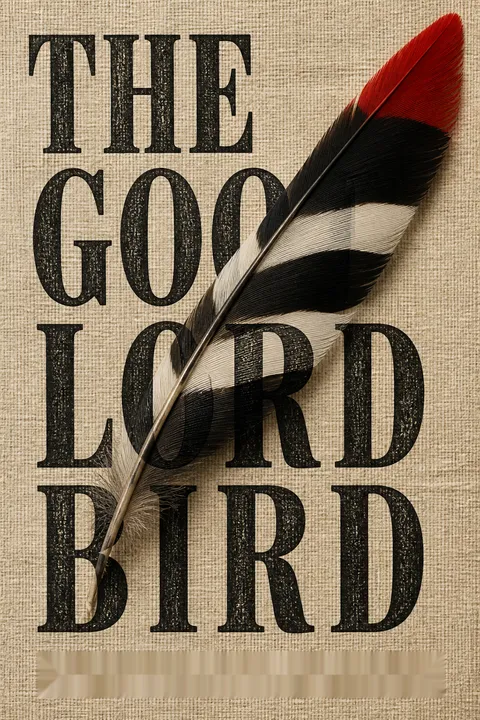
The "Good Lord Bird," an elusive woodpecker, becomes a recurring symbol for Onion and Brown's followers—a sign of luck, freedom, and the mysterious workings of fate. Onion, having eaten Brown's lucky onion and received a Good Lord Bird feather, is seen as a talisman by the Old Man. The bird's appearance and the feather's passage from hand to hand mirror Onion's own journey: misunderstood, out of place, and yet somehow central to the unfolding drama. The bird's legend weaves through Onion's story, offering moments of wonder and reflection amid the violence and chaos.
Massacre at Pottawatomie
Brown's most infamous act—the Pottawatomie Massacre—marks a turning point. Onion, forced to witness the killings, is horrified by the Old Man's capacity for violence and the way religious zeal justifies atrocity. The event cements Brown's reputation as both a hero and a madman, galvanizing his enemies and unsettling his allies. Onion's attempts to escape are thwarted by the dangers of the prairie and the shifting allegiances of those around him. The massacre's aftermath leaves the group fractured, hungry, and hunted, and Onion more uncertain than ever about his place in Brown's crusade.
Hunger, Hope, and Betrayal
As Brown's army dwindles and resources run low, Onion experiences the harsh realities of "freedom" on the run: hunger, cold, and constant fear. Encounters with other fugitives, both Black and white, reveal the limits of solidarity and the ever-present threat of betrayal. Onion's relationship with Nigger Bob, a pragmatic and self-interested enslaved man, highlights the different ways people navigate oppression. The promise of escape and the lure of safety are always just out of reach, and Onion's disguise becomes both a tool and a trap as he tries to find a path to true freedom.
Black Jack and Beyond
Brown's ragtag army engages in skirmishes like the Battle of Black Jack, where myth and reality blur. Onion witnesses the Old Man's tactical brilliance and his stubborn refusal to compromise, even as his plans often go awry. The group's exploits become the stuff of legend, exaggerated by both supporters and enemies. Onion, now a seasoned survivor, learns to navigate the shifting tides of fortune, always aware that Brown's war is as much about performance and reputation as it is about actual liberation. The line between heroism and folly grows ever thinner.
Pie, Pen, and Peril
Onion's journey takes him to Pikesville, Missouri, where he becomes entangled in the lives of Pie, a beautiful and cunning Black prostitute, and the enslaved people in Miss Abby's pen. The world of the whorehouse is one of survival, secrets, and shifting power dynamics. Onion's gender disguise is both a shield and a source of danger, as he navigates the attentions of men and the jealousies of women. The insurrection plot among the enslaved, led by the enigmatic Sibonia, draws Onion into a web of intrigue and betrayal, forcing him to confront the costs of complicity and the limits of his own courage.
Sibonia's Stand
Sibonia, a seemingly mad enslaved woman, is revealed as the leader of a planned insurrection. Her courage and refusal to betray her comrades inspire Onion and expose the brutal realities of slavery's violence. The plot is uncovered, leading to the execution of Sibonia and others, while Pie's role as an informant complicates Onion's feelings of loyalty and love. The spectacle of the hanging, the community's response, and the aftermath force Onion to reckon with the meaning of resistance, the price of freedom, and the ways in which the system of slavery corrupts everyone it touches.
Love and Loss in Missouri
Onion's infatuation with Pie ends in heartbreak, as he discovers her relationship with Darg, the brutal overseer. The loss of Pie's affection and the dangers of life in the pen push Onion toward self-reliance and a deeper understanding of the costs of survival. Betrayals among the enslaved, threats from Broadnax and others, and the ever-present risk of being sold or killed force Onion to make hard choices. The lessons of love, loyalty, and self-preservation learned in Missouri shape Onion's character as he prepares for the next phase of his journey.
The Long Road North
Onion's path leads him back to Brown's orbit, as the Old Man's plans shift from Kansas and Missouri to the broader stage of national conflict. The journey north is marked by hardship, illness, and the slow gathering of a new army. Encounters with Frederick Douglass and Harriet Tubman reveal the divisions and debates within the abolitionist movement, as well as the challenges of organizing resistance. Onion's role as a "good luck charm" and his evolving sense of self are tested as Brown's vision grows more grandiose and the stakes rise ever higher.
Hiving the Bees
Brown's plan to "hive the bees"—to rally enslaved people and sympathetic whites for a massive uprising—takes shape. Onion is sent ahead as a spy and messenger, tasked with spreading the word among the enslaved and free Black communities near Harpers Ferry. The complexities of communication, trust, and secrecy are laid bare, as Onion navigates suspicion, coded language, and the ever-present threat of betrayal. The tension between hope and fear, action and hesitation, defines this phase of the story, as the dream of mass insurrection collides with the realities of human frailty.
The Plan Unravels
As Brown's army gathers at the Kennedy farm, delays and indecision sap morale. Onion's failure to deliver a crucial password to the Rail Man—a key Black ally—sets in motion a chain of misunderstandings that will doom the uprising. The arrival of Brown's daughter Annie and the growing presence of suspicious neighbors add to the mounting pressure. The gap between Brown's vision and the readiness of his followers, both Black and white, becomes painfully clear, as the plan's flaws and the limits of faith are exposed.
Harpers Ferry Rising
Brown launches his long-awaited attack on Harpers Ferry, seizing the federal armory and taking hostages. The initial success is quickly undermined by confusion, poor communication, and the failure of the enslaved population to rise in support. Onion witnesses the unraveling of the plan, the heroism and folly of Brown's men, and the tragic consequences of missed opportunities and fatal errors. The arrival of federal troops, the deaths of key allies, and the collapse of the insurrection mark the beginning of the end for Brown's dream.
The Password Forgotten
Onion's forgotten password leads to the accidental shooting of the Rail Man, the key Black conductor who was to bring hundreds of enslaved people to join the fight. The exodus of potential allies, the growing hostility of the townspeople, and the tightening noose of federal and local forces seal the fate of Brown's band. Onion's guilt and sense of responsibility weigh heavily, as he witnesses the consequences of small mistakes in the midst of history's turning points.
The Last Stand
Trapped in the engine house, Brown and his remaining followers make a desperate last stand. The violence is brutal and senseless, as the militia and federal troops overwhelm the defenders. Onion, disguised once more, escapes with the help of the Emperor and other Black allies, while Brown is captured and his sons and comrades are killed or scattered. The aftermath is one of mourning, reflection, and reckoning, as the survivors grapple with the meaning of sacrifice and the costs of failed revolution.
Freedom's Price
Brown's trial and execution become a national spectacle, galvanizing the abolitionist cause and setting the stage for the Civil War. Onion, now free and living as a boy, visits Brown in jail, witnessing the Old Man's unbroken spirit and his faith in the eventual triumph of justice. The story ends with Onion's departure, carrying the Good Lord Bird feather and the lessons of his journey—a testament to the complexities of freedom, the power of belief, and the enduring struggle for dignity in the face of oppression.
Analysis
A comic, tragic, and deeply human reimagining of historyThe Good Lord Bird is a masterful blend of satire, adventure, and historical reflection, using the unlikely perspective of Onion—a cross-dressing, self-deprecating survivor—to illuminate the complexities of America's struggle with slavery. McBride's novel challenges the heroic myths of abolition and revolution, revealing the messiness, confusion, and moral ambiguity at the heart of historical change. Through Onion's eyes, we see that freedom is never simple, that identity is always in flux, and that the line between hero and fool is razor-thin. The novel's humor and irreverence do not diminish its seriousness; rather, they deepen our understanding of the costs of resistance, the power of belief, and the enduring need for dignity and self-knowledge. In an era still grappling with the legacies of race, violence, and justice, The Good Lord Bird offers a vital lesson: that history is made not by saints or monsters, but by ordinary people—confused, courageous, and searching for a place to belong.
Review Summary
Reviews of The Good Lord Bird are overwhelmingly positive, with most praising McBride's comic yet profound approach to slavery and abolitionism. Readers frequently compare the novel to Mark Twain, highlighting narrator Henry "Onion" Shackleford's distinctive voice and the skillful balance of humor and tragedy. The cross-dressing conceit is widely celebrated for exploring identity and race. Some critics note repetition and pacing issues, and a few question the portrayal of Frederick Douglass as overly satirical. The novel's climax at Harpers Ferry is consistently praised as moving and powerful.
People Also Read








Characters
Henry "Onion" Shackleford
Onion is the novel's narrator and emotional core—a young, light-skinned enslaved boy mistaken for a girl and swept into John Brown's crusade. His journey is one of survival, confusion, and reluctant growth. Onion's gender disguise, initially a matter of chance, becomes a lens through which he experiences the absurdities and dangers of antebellum America. His relationships—with Brown, Pie, Nigger Bob, and Annie—are marked by longing, fear, and the search for belonging. Onion's voice is wry, self-deprecating, and deeply human, offering a unique perspective on the era's violence and idealism. Over time, Onion moves from passive observer to active participant, grappling with questions of identity, loyalty, and what it means to be free.
John Brown
Brown is the charismatic, fanatical abolitionist at the heart of the story. Driven by unshakable religious conviction, he is both inspiring and terrifying—a man who believes he is chosen by God to end slavery, no matter the cost. Brown's leadership is marked by kindness, eccentricity, and a willingness to use violence in the name of justice. His relationship with Onion is paternal, if often oblivious, and he sees the boy as both a daughter and a talisman. Brown's inability to compromise, his disregard for practicalities, and his faith in the righteousness of his cause make him a tragic figure—admired by some, reviled by others, and ultimately doomed by the very qualities that make him great.
Pie
Pie is a beautiful, savvy Black prostitute in Pikesville, Missouri, who becomes the object of Onion's affection and a symbol of the compromises required for survival under slavery. Her relationship with Onion is complex—maternal, romantic, and ultimately heartbreaking. Pie's choices, including her betrayal of Sibonia's insurrection, reflect the impossible dilemmas faced by the enslaved. Her fate, entangled with Darg and the violence of the pen, leaves Onion with hard lessons about love, loyalty, and the costs of freedom.
Nigger Bob
Bob is an enslaved man who helps Onion navigate the dangers of the prairie and the shifting allegiances of the era. His focus is on survival and the possibility of escape, and he is quick to adapt to changing circumstances. Bob's relationship with Onion is marked by mutual suspicion, occasional camaraderie, and the recognition that solidarity among the oppressed is always complicated by fear and self-interest. Bob's choices highlight the diversity of Black experience and the limits of heroism in a world built on betrayal.
Frederick Douglass
Douglass is portrayed as a complex, larger-than-life figure—eloquent, ambitious, and sometimes self-serving. His interactions with Brown and Onion reveal the tensions within the abolitionist movement: the gap between rhetoric and action, the challenges of leadership, and the personal costs of public life. Douglass's refusal to join Brown's raid is both a pragmatic decision and a source of disappointment, underscoring the limits of idealism and the necessity of compromise.
Annie Brown
Annie is John Brown's daughter, a symbol of purity and devotion. Her relationship with Onion is marked by affection, misunderstanding, and the impossibility of fulfillment. Annie's presence at the Kennedy farm, her role as lookout, and her emotional vulnerability provide a counterpoint to the violence and chaos of the men's world. For Onion, Annie represents both the possibility of love and the barriers imposed by race, gender, and circumstance.
Sibonia
Sibonia is an enslaved woman in Pikesville's pen, initially feigning madness but revealed as the leader of a planned insurrection. Her courage, dignity, and refusal to betray her comrades make her a powerful figure in Onion's journey. Sibonia's execution, and the spectacle surrounding it, force Onion—and the reader—to confront the realities of resistance, the costs of betrayal, and the meaning of sacrifice in the face of overwhelming power.
The Emperor (Shields Green)
The Emperor is a free Black man who joins Brown's raid at Harpers Ferry. His quiet strength, loyalty, and willingness to face death with dignity make him a model of resistance. The Emperor's interactions with Onion, especially in the final hours at the engine house, highlight the complexities of identity, solidarity, and the search for meaning in the midst of chaos.
Nigger Broadnax
Broadnax is a powerful enslaved man in Pikesville's pen, suspicious of Onion and quick to enforce the unwritten rules of survival. His threats, demands, and eventual willingness to negotiate reflect the constant calculations required to stay alive under slavery. Broadnax's presence is a reminder that not all resistance is heroic, and that the line between victim and oppressor is often blurred.
John Cook
Cook is one of Brown's followers, sent ahead to Harpers Ferry as a spy. His loose tongue, romantic entanglements, and lack of discipline contribute to the unraveling of Brown's plan. Cook's failures and self-absorption serve as a cautionary tale about the dangers of ego, the importance of trust, and the ways in which small mistakes can have catastrophic consequences.
Plot Devices
Mistaken Identity and Disguise
The central device of Onion's mistaken gender identity allows the novel to explore themes of performance, survival, and the fluidity of identity. Onion's disguise is both a shield and a source of vulnerability, shaping his relationships and his understanding of himself. The device also provides comic relief and a unique perspective on the era's gender and racial norms, highlighting the ways in which identity is constructed, imposed, and negotiated.
Unreliable Narration and Tall Tales
Onion's narration is marked by humor, exaggeration, and self-deprecation, blurring the line between fact and fiction. The novel's framing as a "lost slave narrative" discovered decades later adds another layer of unreliability, inviting readers to question the nature of truth, memory, and historical storytelling. This device allows McBride to reimagine history with both reverence and irreverence, challenging received narratives and celebrating the power of storytelling.
Symbolism of the Good Lord Bird
The Good Lord Bird, an ivory-billed woodpecker, recurs throughout the novel as a symbol of hope, luck, and the mysterious workings of fate. The bird's feather, passed from hand to hand, mirrors Onion's journey and the elusive nature of freedom. The bird's legend, its beauty, and its rarity serve as metaphors for the possibilities and limitations of transformation, survival, and grace.
Historical Irony and Foreshadowing
The novel is rich in dramatic irony, as readers know the ultimate failure of Brown's raid and the coming of the Civil War. McBride uses foreshadowing—missed signals, forgotten passwords, and the repeated delays and miscommunications—to build tension and highlight the tragic inevitability of the story's outcome. The interplay between hope and futility, action and accident, underscores the complexity of historical change.
Satire and Subversion
By filtering the story through Onion's skeptical, often irreverent voice, McBride satirizes both the myth of John Brown and the conventions of historical fiction. The novel subverts expectations of heroism, martyrdom, and moral clarity, offering instead a portrait of flawed, contradictory individuals caught in the whirlwind of history. This device invites readers to question easy judgments and to find humanity in the midst of chaos.

Download PDF
Download EPUB
.epub digital book format is ideal for reading ebooks on phones, tablets, and e-readers.








































