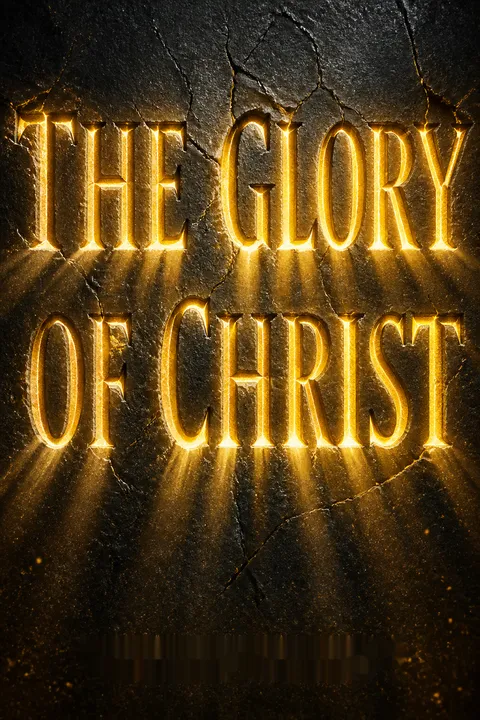

Key Takeaways
1. The Incomprehensible Glory of Christ is the Ultimate Object of Faith
The revelation made of Christ in the blessed gospel is far more excellent, more glorious, and more filled with rays of divine wisdom and goodness, than the whole creation and the just comprehension of it, if attainable, can contain or afford.
Supreme knowledge. The knowledge of Christ and His glory, though incomprehensible in its fullness, surpasses all other wisdom and understanding. It is the most excellent and glorious pursuit for the human mind, offering a glimpse into divine wisdom and goodness that even the vastness of creation cannot fully reveal. Without this knowledge, human intellect, despite its other discoveries, remains shrouded in darkness and confusion.
Preparation for eternity. Our future blessedness hinges on being with Christ and beholding His glory. Therefore, a constant, contemplative preview of this glory through the Gospel serves as the best preparation for eternity. This spiritual exercise transforms us, gradually conforming us to the very glory we behold, making it the life and reward of our souls.
Present and future privilege. Beholding Christ's glory is the greatest privilege for believers, both in this world and in the world to come. It is the culmination of all Christ's requests for His disciples, ensuring their blessed satisfaction forevermore. This privilege is accessed first by faith in this life, which is a necessary precursor to the immediate vision of His glory in heaven.
2. Christ as the Divine Image: Revealing God's Nature and Will
For we discern the “light of the knowledge of the glory of God only in the face of Jesus Christ.”
God's sole representative. Christ is the unique and glorious representative of God's nature and will to humanity. Without Him, the essential glory of the invisible God, His attributes, and His divine counsels would remain eternally hidden from us. He is the "image of God," the "brightness of the Father's glory," and the "express image of his person," making the light of God's glory accessible to our understanding.
Foundation of faith. Discerning the glory of God in Christ is the very essence of saving faith. Unbelievers, blinded by the "god of this world," fail to see the divine wisdom, power, goodness, love, and grace manifested in Christ's person and office. This spiritual blindness prevents them from glorifying God in an acceptable manner and leads to eternal ruin.
Dispelling darkness. Humanity, fallen into sin, is covered in thick darkness and ignorance of God. Christ, as the "light of men" and the "Sun of Righteousness," dispels this darkness, revealing God's nature and existence in three distinct persons with all their glorious properties. This manifestation in Christ surpasses the obscure revelations of the Old Testament, making God known as "light, and in him there is no darkness at all."
3. The Mysterious Union of God and Man in Christ's Person
Here must the whole church fall down and worship the Author of this wonderful contrivance; and, captivating their understandings unto the obedience of faith, humbly adore what they cannot comprehend.
Incomprehensible mystery. The glory of Christ is profoundly revealed in the mysterious constitution of His person, being both God and man in one. This personal union of two infinitely distinct natures—eternal, infinite God and finite, human flesh—is the glory of our religion, the bedrock of the church, and the sole source of present grace and future glory. It is a mystery that angels themselves desire to understand, bowing down in reverence.
Triumph over Satan. This divine contrivance serves as the foundation for Satan's ruin. Having sinned against the Son of God and envied mankind, Satan is eternally confounded by God's wisdom in uniting both natures in Christ's person. This union ensures Satan's destruction is accompanied by everlasting shame, as he contended with infinite wisdom.
The burning bush. The Old Testament foreshadowed this mystery, notably in the burning bush that was not consumed. This symbolized the eternal fire of the divine nature dwelling within the frail "bush" of human nature in Christ, without consuming it. This wondrous sight calls us to cast away carnal imaginations and behold His glory through pure acts of faith.
4. Christ's Infinite Condescension and Love in His Mediatorial Office
It was the mind that was in Jesus Christ which is proposed unto our consideration and imitation, – what he was inclined and disposed unto from himself and his own mind alone.
Voluntary self-emptying. Christ's glory shines in His infinite condescension to assume the office of Mediator and take on our nature. This was not a necessity or an imposition, but a gracious act of His own will, a "self-emptying" (kenosis). Though "in the form of God" and "equal with God," He "took upon him the form of a servant," veiling His divine glory without diminishing it.
Unfathomable love. This condescension is an ineffable effect of divine wisdom and the Son's love, the highest evidence of God's care for humanity. It was an act of pure, undeserved love, arising from the infinite goodness of His own nature, without any procuring inducement from us. This love drove Him to pity us, delight in our recovery, and willingly undertake the arduous work of redemption, even when it meant suffering unto death.
A sanctuary for sinners. In this condescension, Christ becomes a glorious sanctuary for distressed souls. His infinite power, combined with His boundless compassion, assures relief from sin, temptation, and spiritual adversaries. Those who fail to see glory in this act of self-abasement, denying His divine person, reject the very foundation of their salvation and the wisdom of God.
5. The Glory of Christ in His Obedience and Atoning Sufferings
For him, who was Lord of all universally, thus to submit himself to universal obedience, carrieth along with it an evidence of glorious grace.
Perfect, voluntary obedience. Christ's obedience to God's law, from His free choice, was not for Himself but for us. As Lord of the law, He willingly placed Himself "under the law," fulfilling it perfectly. This obedience, animated by infinite condescension and love, perfectly represented God's holiness and stands in the stead of the church's imperfect obedience for justification.
Glorious sufferings. The glory of Christ is also profoundly manifested in His sufferings. He bore the weight of God's wrath and the law's curse, enduring agony, bloody sweat, and the conflict with darkness, making His soul an offering for sin. These sufferings, though a "stumbling-block" to the world, are precious to believers, revealing Him as "the power of God, and the wisdom of God."
Divine justice and mercy. In Christ's interposition and the translation of punishment from sinners to Him, divine justice and mercy achieve a blessed harmony. His cross exemplifies God's holiness and vindictive justice, while His triumph exerts grace and mercy to the utmost. This glorious reconciliation of seemingly contradictory attributes brings ineffable joy and rest to believing souls.
6. Christ's Exaltation: The Unveiling of His Glory After Suffering
Ought not Christ to have suffered these things, and to enter into his glory?
Sufferings precede glory. All prophecies concerning Christ point to His sufferings and the glory that would follow. This order—first suffering, then glory—is the pattern for the church, where members must be conformed to their Head. Christ's exaltation is the glorious consequence of His accomplished mediatorial work on earth.
Manifestation of divine glory. In His exaltation, the veil that obscured Christ's glory during His earthly ministry is removed. This is the glory the Father granted Him before the world's foundation, and with which He was invested upon ascension. It is not merely His essential divine glory, but its full, unveiled manifestation after His humiliation, shining forth in infinite luster and beauty.
Glorified humanity. His human nature, the very soul and body in which He lived, died, and rose, is exalted into glory. Though not deified, it is filled with all divine graces and perfections a created nature can hold, placed incomprehensibly nearer to God than angels or men. This glorified humanity serves as the exemplar for the glory believers will attain, though His glory remains infinitely superior.
7. Old Testament Foreshadowings of Christ's Glory
All that Moses did in the erection of the tabernacle, and the institution of all its services, was but to give an antecedent testimony by way of representation, unto the things of Christ that were afterward to be revealed.
Shadows of Christ. The Old Testament, from Moses to the prophets, consistently testifies to Christ and His glory. Without understanding this, the Old Testament remains a "sealed book." Its institutions, like the tabernacle, temple, sacrifices, and the high priest, were not ends in themselves but "shadows" representing Christ's person and office.
Mystical communion and appearances. The Song of Solomon mystically portrays Christ's communion in love and grace with His church, eliciting delight and adoration from believers. Furthermore, Christ made personal appearances in human form to Abraham, Jacob, Moses, and Joshua as a prelude to His incarnation, signifying His future embodiment of human affections.
Prophetic visions and promises. Prophetic visions, such as Isaiah's seeing the Lord "high and lifted up," offered glimpses of Christ's glory, filling observers with awe and dread, yet also relief through typified sacrifice. The doctrine of His incarnation was revealed through prophecies like Isaiah 9:6, declaring Him "Wonderful, Counsellor, The mighty God, The everlasting Father, The Prince of Peace," a testimony that confounds all enemies of His glory.
8. Christ's Intimate Conjunction with the Church: The Basis for Imputation
There is a greater, a more intimate conjunction, a nearer relation, a higher mutual interest, between Christ and the church, than ever was or can be between any other persons or relations in the world, whereon it became just and equal in the sight of God that he should suffer for us, and that what he did and suffered would be imputed unto us.
Justice in substitution. It is not contrary to divine justice for some to suffer for others' sins, as God has often demonstrated (e.g., fathers' sins on children, David's sin on the people). This occurs when there's a special conjunction:
- Especial relation: Like parent-child or king-subject, forming one body.
- Especial mutual interest: The punishment of one is also a punishment for the other.
Unique conjunction with Christ. Christ's conjunction with the church is singular and peculiar, exceeding any other human relationship. It is threefold:
- Natural: He voluntarily partook of our flesh and blood, not by necessity, but by choice, specifically to suffer for us.
- Mystical: He is the Head and Husband of the church, His chosen spouse, for whom He loved and gave Himself.
- Federal: He undertook to be the Surety of the new covenant, doing and suffering on our behalf.
Glorious reconciliation. This unique conjunction makes it just and equitable for God to impute Christ's sufferings and obedience to us. This mystery gloriously reconciles God's righteousness (in punishing sin) with His mercy (in pardoning sinners), offering eternal glory and peace to believers. It also perfectly fulfills the law's requirements, exalting God's wisdom, holiness, and righteousness.
9. The Mysterious Communication of Christ's Life and Grace to Believers
Hereby he becomes ours as they are his; which is the life, the glory, and consolation of the church.
Divine appropriation. Christ's glory is seen in His mysterious communication of Himself and His mediatorial benefits to believers, making Him theirs and them His. This "great mystery" of union is not by natural ubiquity or carnal consumption, but by divine acts of the Father and the Son.
Father's sovereign act. The foundation of this communication lies in the Father's sovereign will, pleasure, and grace. His eternal purpose to glorify His grace in the elect involves granting them to Christ, and establishing the Gospel as the means to assure their participation in Him. This is sealed by an almighty act of power, creating faith in their souls.
Son's self-communication. Christ communicates Himself by giving His Holy Spirit, who dwells in Him immeasurably and in believers, creating an ineffable union. This forms a new nature in us, His own spiritual nature, making us "partakers of his Divine nature." This new, heavenly nature, formed by an emanation of power from Him, is the source of the church's purity, beauty, and holiness, separating it from the world.
10. The Recapitulation of All Things in Christ: Restoring Divine Order
He might gather together in one all things in Christ, both which are in heaven, and which are on earth, even in him.
Cosmic headship. Christ is uniquely glorious in "gathering together in one all things in Christ, both which are in heaven, and which are on earth." This is God's ultimate design to restore order after sin scattered and disordered creation. Originally, all things depended directly on God, but sin broke this union, leading to enmity and confusion.
New creation's head. God chose not to restore creation to its former state of two distinct families (angels and men) with immediate dependence on Him. Instead, He gathered them into one new head—Jesus Christ, the Son of God incarnate. All power, grace, and glory are committed to Him, making Him the sole medium of communication between God and His re-collected family.
Repairing sin's breach. This recapitulation repairs the breach sin made on God's glory in creation, making the divine creation more beautiful than before. Christ, as this new Head, is the only means for God to exert all the treasures of His infinite wisdom towards His creatures, revealing His "manifold wisdom" even to angels. This ensures the firmness and security of the entire new creation, preventing future ruin.
11. Faith vs. Sight: Beholding Christ's Glory in This Life and the Next
Now we see through a glass darkly; but then face to face.
Imperfect earthly view. Our present view of Christ's glory by faith is "obscure, dark, inevident, reflexive," like seeing "through a glass darkly" or "in a riddle." It's an imperfect image, not a direct vision, limited by our weak faith and the transient nature of revelation. We see Him "by parts," and our contemplation is often unsteady and clouded by interpositions.
Perfect heavenly vision. In heaven, our vision of Christ's glory will be "immediate, direct, intuitive," and therefore "steady, even, and constant." The object will be Christ Himself, real and substantial, seen "face to face" and "as he is." Our minds will be perfectly freed from darkness and incapacities, and endowed with a new "light of glory" that enables constant, joyful comprehension.
Glorified senses. Our glorified bodies, after resurrection, will also participate in this vision. Our bodily eyes, purified and strengthened beyond measure, will behold Christ immediately in the fullness of His glory. This perfect, uninterrupted, and unwavering sight will bring eternal rest and satisfaction, a "beatifical vision" that knows no satiety or weariness.
12. Beholding Christ's Glory by Faith is the Sole Remedy for Spiritual Decay
Constant contemplation of Christ and his glory, putting forth its transforming power unto the revival of all grace, is the only relief in this case.
Spiritual flourishing. Believers, especially in old age, long for the repair of spiritual decays and fresh springs of grace, desiring to be "fat and flourishing" in holiness and fruitfulness. This spiritual life is inherently designed to grow, like the "shining light" or "living water," and is secured by divine promises, yet it can be hindered by negligence and sin.
Recognizing decay. Many professors experience spiritual decays, manifesting as weakened grace, loss of delight, and diminished obedience. This can be gradual (like the churches of Asia) or sudden (like David's anguish). Signs include:
- Loss of spiritual appetite for God's Word.
- Neglect of making religion their principal business.
- Pride, worldliness, and conformity to the world.
The path to recovery. The state of spiritual decay is recoverable, but it requires using the right means. The only effective remedy is a "steady spiritual view of the glory of Christ by faith." This contemplation, when sincere and constant, activates the Holy Spirit's transforming power, reviving all graces, strengthening love, and filling the soul with peace, consolation, and joy.
Review Summary
The Glory of Christ by John Owen receives overwhelmingly positive reviews (4.59/5). Readers praise it as transformative and devotionally rich, emphasizing Owen's thesis that beholding Christ's glory is essential for spiritual growth. Many note the challenging, dense prose requiring slow, meditative reading, though modernized versions help. Reviewers highlight how the book deepens Bible reading and cultivates desire for Christ. Some criticize Owen's complexity and repetitiveness. The work, written near Owen's life's end, explores Christ's divine-human nature, suffering, exaltation, and union with believers, preparing readers for heavenly glory.
People Also Read








Works of John Owen Series



About the Author

Download PDF
Download EPUB
.epub digital book format is ideal for reading ebooks on phones, tablets, and e-readers.








































