
Plot Summary
Foxes in the Snow
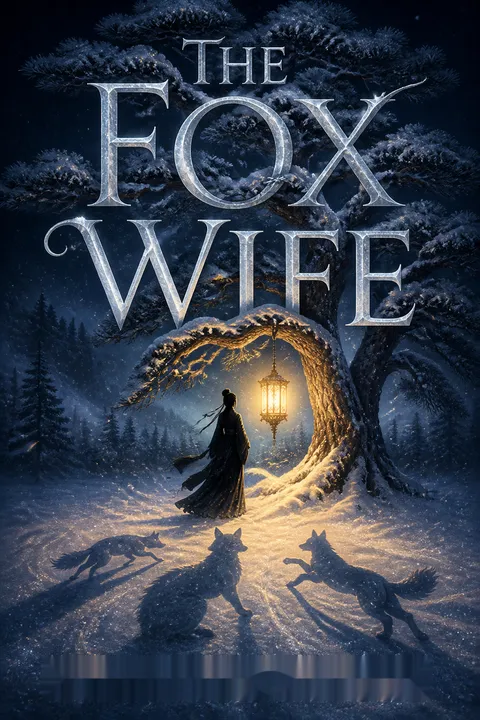
In the bitter cold of Manchuria, 1908, a shape-shifting fox spirit named Snow sets out on a quest for vengeance. Her child, killed by a human's cruelty, haunts her every step. Disguised as a young woman, she navigates a world that fears and reviles foxes, seeking the Manchurian photographer Bektu Nikan, whom she blames for her loss. Her journey is fraught with danger, as she must outwit predatory men and avoid the superstitions that make foxes scapegoats for misfortune. Snow's grief is raw, her purpose unwavering, and her path soon intersects with a human detective, Bao, whose own life is shadowed by secrets and a peculiar ability to sense truth from lies.
A Detective's Gift
Detective Bao, a dogged, aging fixer in Mukden, is called to investigate the mysterious death of a young woman found smiling in the snow. Bao's unique gift—he can hear a buzzing sound when someone lies—sets him apart, but also isolates him. Haunted by memories of his old nanny and a childhood visit to a fox shrine, Bao is drawn to cases involving foxes, sensing a connection between his gift and the supernatural. As he delves into the case, he uncovers a web of secrets, lies, and the lingering presence of fox spirits in the city's underbelly.
Vengeance and Grief
Snow's journey takes her to Dalian, where she seeks Bektu Nikan. Her grief for her lost child is a constant ache, fueling her need for vengeance. She finds shelter as a servant in a prosperous medicine shop, where the matriarch, Tagtaa, senses something uncanny about her. Snow's fox nature makes her both vulnerable and powerful; she is drawn to the pain of others, especially women trapped by fate. Her interactions with humans are tinged with sorrow and longing, as she struggles to balance her desire for justice with the risk of exposing her true self.
The Medicine Shop's Secret
Within the medicine shop, Tagtaa reveals the family's dark history: a curse that dooms the eldest sons, a string of early deaths, and the burden of tradition. Tagtaa, herself the daughter of a concubine, has survived by wit and resilience. She forms a bond with Snow, sensing a kindred spirit. Meanwhile, Snow's search for Bektu is complicated by the shop's insular world and the arrival of Tagtaa's grandson, Bohai, who is haunted by visions of people with no shadows—a sign of impending doom. The shop becomes a crucible where secrets, grief, and supernatural forces simmer.
Dinner of Shadows
A dinner party at the medicine shop brings together Snow, Tagtaa, Bohai, and a group of young men, including the enigmatic Shirakawa (Shiro), a fox spirit in disguise. The atmosphere is charged with flirtation, rivalry, and hidden agendas. Shiro's presence unsettles Snow, as their shared past and fox nature threaten to surface. Stories of foxes and ghosts are exchanged, blurring the line between myth and reality. The dinner ends in chaos, with old wounds reopened and new alliances formed, setting the stage for betrayal and transformation.
The Photographer's Trail
Snow's pursuit of Bektu leads her through the city's labyrinth of brothels, teahouses, and hidden courtyards. She learns of a missing courtesan, Chunhua, whose fate is entwined with Bektu's. Detective Bao, following his own leads, uncovers the photographer's role as a blackmailer and his obsession with foxes. The trail is littered with victims—women exploited, men ruined, and foxes hunted. Snow's quest becomes a test of her resolve: can she exact revenge without losing herself to bitterness? The city's shadows grow longer as predator and prey circle ever closer.
Foxes and Ghosts
The boundaries between foxes, ghosts, and humans blur as Snow and Bao confront the superstitions that shape their world. Foxes are both worshipped and hunted, blamed for misfortune and desired for their beauty. Bao's investigations reveal the power of belief: haunted courtyards, fox mediums, and the lingering spirits of the dead. Snow, navigating the dangers of being both woman and fox, must use all her cunning to survive. The city is a place of masks and illusions, where truth is slippery and the past refuses to stay buried.
The Locked Courtyard
Snow's search for Bektu brings her to a wealthy villa, where she is locked in a courtyard as a prized possession. Using her fox abilities, she escapes, leaving behind a trail of confusion and awe. Her journey is marked by encounters with other foxes—Shiro, the seductive trickster, and Kuro, the somber black fox with a scarred face. Each fox represents a different path: indulgence, repentance, and the hope of enlightenment. Snow's choices are fraught with risk, as she must decide whom to trust and how far she will go for vengeance.
Crossing to Japan
The story shifts as Snow, Tagtaa, Bohai, and a group of young men—including Shiro and Kuro—flee to Japan, pursued by secrets and scandal. The journey by steamship is fraught with tension: seasickness, political intrigue, and the ever-present threat of exposure. Onboard, alliances shift and old rivalries flare. Snow's relationship with Shiro and Kuro deepens, complicated by love, guilt, and the memory of their lost child. The crossing is both literal and metaphorical—a passage from one life to another, with no guarantee of safety on the other side.
The Three Foxes
In Japan, the three foxes—Snow, Shiro, and Kuro—navigate a world of human ambition and supernatural peril. Shiro's charm and recklessness bring both opportunity and disaster, while Kuro's steadfastness is tested by old wounds and new dangers. Snow is torn between her longing for vengeance and the possibility of forgiveness. The foxes' interactions with humans—lovers, enemies, and victims—reveal the complexity of desire and the cost of immortality. Their journey is a dance of seduction, betrayal, and the search for meaning in a world that fears what it cannot understand.
Revolution and Betrayal
The young men's revolutionary ambitions collide with personal betrayals and the machinations of foxes. Blackmail, murder, and political intrigue swirl as the group is drawn into a web of violence. Bektu Nikan is found dead, and suspicion falls on all sides. Snow's quest for vengeance reaches a crisis point, forcing her to confront the limits of justice and the dangers of obsession. The foxes' presence amplifies the chaos, as their supernatural influence disrupts the fragile order of human society. The cost of truth and loyalty becomes painfully clear.
The Burning Mansion
Back in Dalian, the Chen family's mansion erupts in flames as secrets are exposed and old grievances ignite. Snow, Shiro, and Kuro are caught in the chaos, forced to flee for their lives. The fire is both literal and symbolic—a purging of the past, but also a harbinger of loss. In the aftermath, relationships are tested: Tagtaa's family is shaken, Bohai's fate hangs in the balance, and Snow must decide whether to stay or go. The burning mansion marks a turning point, as the characters are forced to reckon with the consequences of their actions.
Truth and Shadows
As the dust settles, Bao recovers from his wounds, aided by the mysterious healing of the foxes. Tagtaa and Bao are reunited, their childhood bond rekindled. Bohai is sent away for treatment, his mind fractured by guilt and fear. Snow and Kuro confront their shared grief, finding a fragile peace in the aftermath of violence. The truth about Bao's shadow and his gift is revealed, linking his fate to the foxes. The boundaries between human and fox, truth and illusion, are blurred, but the possibility of healing emerges.
Reunion and Farewell
With the crisis past, the foxes prepare to leave. Shiro, ever the wanderer, faces the consequences of his reckless passions. Kuro and Snow, reconciled at last, choose to walk the thousand-year journey together, seeking redemption and meaning. Tagtaa and Bao, older but wiser, find comfort in each other's company, their lives forever changed by their encounters with the supernatural. The story ends with departures and promises: of love, of return, and of the enduring power of stories to bind and heal.
The Thousand-Year Journey
In the epilogue, the world changes: the Qing dynasty falls, and the old order crumbles. Snow and Kuro, now united, set out on a new journey, leaving behind the pain of the past but carrying its lessons. The thousand-year path is uncertain, marked by repentance, hope, and the ever-present lure of temptation. The foxes' story is one of survival, transformation, and the search for enlightenment in a world that is both cruel and beautiful. The tale ends with an invitation: leave out an offering of fried tofu, and perhaps the foxes will visit you, too.
Analysis
A meditation on grief, transformation, and the boundaries between worldsThe Fox Wife is a luminous reimagining of the fox spirit legend, blending historical fiction, supernatural mystery, and psychological drama. At its heart, the novel explores the costs of vengeance and the possibility of forgiveness: Snow's journey from grief-stricken mother to seeker of redemption mirrors the human struggle to find meaning after loss. The interplay between human and fox perspectives invites readers to question the nature of truth, the power of belief, and the ways in which stories shape our understanding of the world. The novel's structure—layered, nonlinear, and rich in folklore—reflects the complexity of memory and the slipperiness of identity. Through its vivid characters and evocative prose, The Fox Wife offers a profound meditation on love, mortality, and the hope of transformation, reminding us that even in a world haunted by shadows, the possibility of light endures.
Review Summary
The Fox Wife is a beautifully written historical fantasy set in early 1900s Manchuria, blending Chinese folklore with mystery and romance. Many readers praised Choo's elegant prose, vivid world-building, and compelling characters, particularly the fox spirit protagonist Snow. While some found the pacing slow and the plot meandering, others were captivated by the magical elements and emotional depth. The audiobook narration by the author received positive feedback. Overall, reviewers appreciated the unique blend of history, myth, and magical realism, though opinions varied on its execution.
People Also Read



Characters
Snow (The Fox Wife)
Snow is a centuries-old fox spirit who can shift between fox and human form. Her defining trauma is the loss of her child, killed by human cruelty, which drives her quest for vengeance against Bektu Nikan. Snow is cunning, resilient, and deeply empathetic, especially toward women trapped by fate. Her fox nature makes her both predator and outcast, navigating a world that fears and desires her kind. Throughout the story, she struggles with the tension between vengeance and forgiveness, ultimately seeking redemption and the possibility of enlightenment. Her relationships with Shiro and Kuro—fellow foxes—are fraught with love, rivalry, and shared grief, shaping her journey toward healing.
Kuro (The Black Fox)
Kuro is a black fox spirit, marked by a scar across his face—a sign of both physical and spiritual wounds. He is Snow's estranged mate and the father of their lost child. Kuro embodies steadfastness, honor, and a deep sense of responsibility, often acting as Snow's anchor when she is consumed by rage or sorrow. His own guilt over their child's death leads him to acts of penance, including violence that jeopardizes his quest for enlightenment. Kuro's journey is one of atonement and reconciliation, both with Snow and with himself. His presence is calming, but his seriousness can be isolating, making his eventual reunion with Snow all the more poignant.
Shiro (The White Fox/Shirakawa)
Shiro is a white fox spirit who thrives on charm, manipulation, and indulgence. He is a master of disguise, often passing as a human and seducing both men and women. Shiro's relationships are transactional, and he is both ally and rival to Snow and Kuro. His actions often catalyze chaos, whether through romantic entanglements, political intrigue, or supernatural mischief. Despite his recklessness, Shiro is deeply lonely, craving connection but unable to sustain it. His presence in the story highlights the dangers and allure of foxes, as well as the blurred line between love and destruction.
Bao (The Detective)
Bao is an aging detective with the supernatural ability to sense lies—a gift (or curse) linked to a childhood encounter with a fox shrine. He is dogged, honest, and deeply empathetic, but his gift isolates him from others. Bao's investigations into mysterious deaths and disappearances bring him into contact with Snow and the world of foxes. His own life is marked by loss: the departure of his childhood friend Tagtaa, a loveless marriage, and the burden of always knowing the truth. Bao's journey is one of self-acceptance, as he learns to reconcile his gift with his longing for connection and meaning.
Tagtaa (Tai Furen)
Tagtaa is the widowed matriarch of the medicine shop, a woman of Mongolian descent who has endured loss, exile, and the burdens of tradition. She is wise, practical, and deeply compassionate, forming a bond with Snow that transcends species. Tagtaa's own life is shaped by the family curse, the deaths of children, and the struggle to maintain dignity in a patriarchal world. Her reunion with Bao rekindles a childhood friendship and offers both characters a measure of healing. Tagtaa represents the endurance of love and the possibility of joy, even after great suffering.
Bohai
Bohai is Tagtaa's grandson and the heir to the medicine shop. He is plagued by visions of people with no shadows—a sign of the family curse and his own psychological unraveling. Bohai is earnest but fragile, easily manipulated by others (especially Shiro) and overwhelmed by the weight of expectation. His descent into paranoia and violence is both tragic and inevitable, reflecting the destructive power of superstition and the dangers of unresolved trauma. Bohai's fate serves as a warning and a catalyst for the other characters' journeys.
Bektu Nikan
Bektu is a Manchurian photographer whose actions set the story in motion: he is responsible for the death of Snow's child and the exploitation of vulnerable women. Bektu is cunning, ruthless, and ultimately doomed, serving as both a target for Snow's vengeance and a symbol of human cruelty. His immunity to fox magic makes him a formidable adversary, but also isolates him from both humans and spirits. Bektu's death is a turning point, forcing Snow and the other characters to confront the limits of revenge and the possibility of forgiveness.
Zhou Yuling
Zhou Yuling is a wealthy, passionate woman whose infatuation with Shiro leads her to acts of desperation, including attempted poisoning. She is both victim and perpetrator, her longing for love making her vulnerable to fox magic and her own destructive impulses. Zhou Yuling's story is a cautionary tale about the dangers of obsession and the blurred boundaries between love and possession. Her presence in the narrative amplifies the chaos wrought by the foxes and highlights the human cost of supernatural entanglements.
Lu Dong
Lu is one of the young men drawn into the revolutionary plot and the orbit of the foxes. He is pragmatic, secretive, and possibly responsible for the deaths of both Bektu and Chen. Lu's actions are driven by self-preservation and ambition, making him both a victim and a perpetrator. His relationship with the other young men is marked by rivalry, suspicion, and betrayal. Lu represents the dangers of political idealism corrupted by fear and the ease with which ordinary people can become complicit in violence.
Chen Jianyi
Chen is a medical student whose involvement with the foxes and the revolutionary plot leads to his mysterious disappearance and presumed death. He is impulsive, insecure, and easily manipulated, both by his friends and by supernatural forces. Chen's fate is a microcosm of the larger tragedies that unfold in the story: the loss of innocence, the destructiveness of obsession, and the thin line between accident and murder. His death serves as a catalyst for the unraveling of the group and the exposure of deeper secrets.
Plot Devices
Dual Narratives and Shifting Perspectives
The novel alternates between the first-person perspectives of Snow (the fox wife) and Detective Bao, creating a layered narrative that blurs the boundaries between human and supernatural experience. This structure allows the reader to see events from both inside and outside the world of foxes, deepening the sense of mystery and ambiguity. The shifting perspectives also highlight the limitations of knowledge and the unreliability of memory, as each character's understanding is shaped by their own desires and traumas.
Supernatural Realism and Folklore
The story weaves Chinese folklore and supernatural elements into the fabric of everyday life. Foxes are both real and symbolic: they can shape-shift, influence minds, and heal or harm with their qi. The family curse, visions of people with no shadows, and the thousand-year journey toward enlightenment are all rooted in traditional beliefs, but are treated with psychological realism. The supernatural is never fully explained, maintaining an atmosphere of uncertainty and wonder.
Mystery and Detective Elements
At its core, the novel is a detective story: Bao's investigation into mysterious deaths, disappearances, and the true nature of the foxes drives the plot. Clues are scattered throughout—photographs, missing persons, secret rooms, and coded conversations—inviting the reader to piece together the truth. The use of Bao's truth-sensing ability adds a unique twist, as lies and half-truths are audibly marked, but the ultimate answers remain elusive, reflecting the complexity of human (and fox) nature.
Foreshadowing and Symbolism
The recurring motifs of shadows, snow, and transformation foreshadow key events and themes. Shadows represent both the presence and absence of self, the burden of secrets, and the thin line between life and death. Snow is both a literal and metaphorical landscape: a place of loss, purity, and renewal. The foxes' ability to change form symbolizes the fluidity of identity and the possibility of redemption. These symbols are woven throughout the narrative, enriching its emotional and philosophical resonance.
The Thousand-Year Journey
The concept of the thousand-year journey—a spiritual pilgrimage toward sainthood or transcendence—serves as both a plot device and a thematic anchor. For the foxes, it is a path marked by trials, repentance, and the struggle to avoid sin. For the humans, it is a metaphor for the search for truth, love, and self-acceptance. The journey is never complete, but its pursuit gives shape and purpose to the characters' lives, linking their fates across time and space.
Download PDF
Download EPUB
.epub digital book format is ideal for reading ebooks on phones, tablets, and e-readers.








































