
Plot Summary
Feud's Forbidden Beginnings
In the quirky, hippie town of Blue Moon, Eden Moody and Davis Gates are the latest heirs to a fifty-year feud between their families. Despite their parents' mutual loathing, Eden and Davis are drawn to each other in high school, their chemistry undeniable. Their secret partnership in a "Household Management" class becomes a safe haven, where they imagine a future together, free from family drama. But the forbidden nature of their connection only intensifies their attraction, making every glance and conversation charged with possibility and risk. The town's easy acceptance of oddities makes rebellion difficult, but for Eden, Davis is the only truly forbidden fruit. Their budding romance is a powder keg, waiting for a spark.
Secret Dance, Shattered Hearts
Eden and Davis hatch a plan to attend the HeHa dance together in secret, believing they can outwit their feuding families. The anticipation is electric, and Eden feels seen and wanted for the first time. But on the night of the dance, Davis arrives with another girl, Taneisha, shattering Eden's trust and humiliating her in front of the entire town. The betrayal is public and raw, and Eden's heartbreak is compounded by the realization that Davis, the "good guy," is just as capable of hurting her as anyone else. Their secret romance ends in disaster, setting the stage for years of resentment and misunderstanding.
The Incident and Aftermath
Humiliated and furious, Eden seeks revenge on Davis, enlisting her cousin Moon Beam in a late-night prank. What begins as a plan to toilet-paper Davis's car escalates when a cigarette ignites the lawn, nearly burning down the Gates house. The town's gossip mill explodes, and Eden is branded a vengeful arsonist. Her mugshot runs in the local paper, and her reputation is forever tainted. The feud between the families intensifies, and Eden's act of rebellion becomes the defining moment of her youth. Both families dig in, and Eden and Davis are forced into years of silence, each nursing wounds that never fully heal.
Thirteen Years Later
Now in her thirties, Eden has built a thriving inn in Blue Moon, determined to prove herself as a responsible adult. She's respected, if not entirely forgiven, and keeps her distance from the Gates family. Davis, meanwhile, has returned to town to run the family winery, still haunted by his role in Eden's heartbreak and the feud's legacy. Their lives are parallel but separate, each carefully avoiding the other. Yet, the proximity of their properties and the small-town setting make encounters inevitable. Both have grown, but the past lingers, shaping every interaction and unspoken word.
Fire, Fate, and Forced Proximity
A mysterious fire destroys Davis's kitchen, rendering his house uninhabitable. The town's infamous Beautification Committee—secretly a matchmaking cabal—seizes the opportunity, orchestrating Davis's temporary stay at Eden's inn. The forced proximity is awkward and charged, reigniting old resentments and unresolved attraction. Eden is reluctant to help, but the town's eyes are on her, and her business's reputation is at stake. Davis, concussed and vulnerable, is thrust into Eden's world, dependent on her hospitality. The fire's suspicious origins cast a shadow, and both are drawn into a web of suspicion, gossip, and reluctant cooperation.
Enemies Under One Roof
Living together under the same roof, Eden and Davis are forced to confront their shared history. The close quarters breed both irritation and intimacy, as old wounds resurface alongside undeniable chemistry. Eden's carefully constructed walls begin to crumble as she nurses Davis through his concussion, and Davis finds himself drawn to the woman Eden has become—strong, capable, and still infuriatingly attractive. Their banter is sharp, but moments of vulnerability slip through. The town watches with bated breath, eager for either reconciliation or another explosion. The line between enemy and ally blurs, and both begin to question what they truly want.
The Beautification Committee's Scheme
The Beautification Committee, led by the eccentric Bruce Oakleigh, is revealed to be behind the matchmaking plot, having possibly orchestrated the fire to force Eden and Davis together. Their meddling is both comic and dangerous, as they manipulate circumstances to create "romantic" opportunities. Eden and Davis, realizing they are pawns in a larger game, decide to turn the tables. They agree to fake a relationship, planning to give the Committee exactly what it wants—until they can publicly break up and expose the manipulation. Their alliance is uneasy, but the shared goal brings them closer, setting the stage for unexpected consequences.
Old Wounds, New Sparks
As Eden and Davis fake their romance for the town's benefit, the act becomes increasingly real. Shared late-night conversations, accidental touches, and moments of genuine care blur the boundaries between pretense and reality. Both struggle with the resurgence of old feelings, battling the fear of being hurt again. The town, meanwhile, is enthralled by the apparent thaw in the feud, and the Beautification Committee congratulates itself on a job well done. But beneath the surface, Eden and Davis are wrestling with trust, forgiveness, and the possibility of a second chance.
Community, Chaos, and Confrontation
Blue Moon's calendar is packed with community events—snack times, birthday parties, and the annual Helping Hands Festival (HeHa). Each gathering becomes a stage for Eden and Davis's evolving relationship, as well as a battleground for their families' ongoing feud. The town's nosiness is relentless, and every interaction is scrutinized. Family members on both sides escalate the drama, refusing to let go of old grudges. Amidst the chaos, Eden and Davis find moments of connection, but the pressure mounts as the line between fake and real becomes harder to maintain.
Fake Dating, Real Feelings
The fake relationship deepens, and Eden and Davis find themselves genuinely falling for each other. Their physical attraction is undeniable, and their emotional intimacy grows with each shared secret and inside joke. Yet, both are haunted by the fear of repeating past mistakes. Eden, especially, is terrified of being vulnerable, convinced that Davis will ultimately choose his family over her. Davis, for his part, struggles to assert his independence from his domineering father. The stakes are raised as the town's expectations—and the Beautification Committee's machinations—intensify.
The Art of Pretending
The couple's ruse is tested as they navigate paint nights, business collaborations, and increasingly personal conversations. Davis's artistic side emerges, and Eden is both muse and critic. Their partnership in work and play reveals how well they complement each other, but also how much they've been holding back. The act of pretending forces them to confront what they truly want—not just from each other, but from themselves. The boundaries between performance and authenticity dissolve, and both must decide if they're willing to risk their hearts again.
Family Ties and Town Tensions
The feud's legacy looms large, with both families actively sabotaging any chance of reconciliation. The town's collective memory is long, and Eden's past as the "arsonist" is never far from anyone's mind. Davis's parents return, bringing old expectations and new ultimatums. The Beautification Committee's fundraising schemes and public interventions add layers of absurdity and pressure. Eden and Davis are forced to choose between loyalty to family and the possibility of happiness together. The tension reaches a breaking point as secrets are revealed and alliances shift.
The Truth About the Fire
The mystery of the fire is finally unraveled, with the Beautification Committee's involvement coming to light. A confession clears Davis of wrongdoing, and the insurance money is released, allowing him to rebuild. The town's collective guilt and relief are palpable, but the damage—both physical and emotional—has already been done. Eden and Davis must confront the reality of their situation: the past cannot be undone, but the future is still unwritten. The truth forces both to reevaluate their priorities and the cost of holding onto old grudges.
Revenge Plot Unraveled
Eden and Davis's scheme to publicly break up and expose the Committee is set in motion, but as the moment approaches, both realize that revenge is hollow without each other. The act of plotting together has brought them closer than either anticipated, and the prospect of returning to their old, separate lives is suddenly unbearable. The town, oblivious to the inner turmoil, awaits the spectacle, but Eden and Davis are forced to confront what they truly want—each other, or vindication.
Breaking Up, Breaking Down
The fake breakup is executed, and the Beautification Committee is left to reckon with its first failed match. Eden and Davis retreat to their separate corners, each devastated by the loss. The absence is palpable, and both struggle to fill the void with work, friends, and routine. The town moves on, but Eden and Davis are haunted by what might have been. Regret and longing simmer beneath the surface, and both are forced to confront the reality that their happiness lies not in revenge, but in forgiveness and vulnerability.
Realizations and Regrets
In the aftermath of the breakup, Eden is forced to admit to herself—and her friends—that she is in love with Davis. The realization is both liberating and terrifying, as she grapples with the fear of rejection and the weight of her own stubbornness. Davis, meanwhile, stands up to his father for the first time, asserting his right to choose his own path. Both are changed by the experience, and the possibility of a new beginning emerges from the ashes of old mistakes.
Grand Gestures and New Beginnings
With the help of friends, family, and a town that can't mind its own business, Eden and Davis find their way back to each other. Davis's grand gesture—a public invitation to the HeHa dance—mirrors their high school beginnings, but this time, Eden says yes without hesitation. The town celebrates, the feud begins to thaw, and the Beautification Committee claims victory (deserved or not). Eden and Davis embrace their future together, choosing love over pride, and forging a new legacy for themselves and their families. Their story ends not with revenge, but with forgiveness, growth, and the promise of a life built together.
Analysis
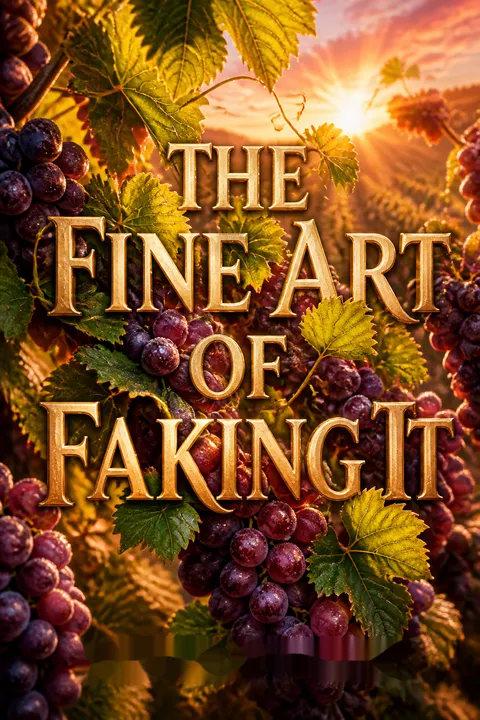
Lucy Score's The Fine Art of Faking It is a masterclass in the contemporary romantic comedy, blending sharp wit, emotional depth, and a keen understanding of small-town dynamics. At its heart, the novel is a meditation on the power of forgiveness—of others and oneself—and the courage required to break free from the narratives we inherit. Through Eden and Davis, Score explores how pride, fear, and the desire to be "right" can keep us from happiness, and how vulnerability is the true path to connection. The book skewers the idea that love can be engineered or forced, even as it acknowledges the messy, communal nature of romance in a close-knit world. The Beautification Committee's meddling is both a source of comedy and a cautionary tale about the limits of good intentions. Ultimately, the novel argues that happiness is a choice—one that requires letting go of old wounds, embracing imperfection, and daring to write a new story. The emotional payoff is earned, the humor is biting, and the message is timeless: love, in all its chaos and unpredictability, is worth the risk.
Review Summary
The Fine Art of Faking It is the sixth book in Lucy Score's Blue Moon series, featuring innkeeper Eden Moody and winery owner Davis Gates in an enemies-to-lovers, second-chance romance complicated by a 50-year family feud. Readers praise the hilarious small-town antics, meddling Beautification Committee, and satisfying character development, particularly enjoying the progressive Thanksgiving dinner scene. While most found it entertaining and refreshing, some criticized the over-the-top interference, silly conflict, and repetitive elements. The book successfully balances humor, romance, and community warmth.
People Also Read

Characters
Eden Moody
Eden is the fiercely independent, sharp-witted innkeeper of Blue Moon, forever marked by her teenage rebellion and the infamous "Incident" that branded her as the town's arsonist. Her relationship with Davis is both a source of pain and longing, as she struggles to reconcile her desire for love with her fear of vulnerability. Eden's journey is one of self-forgiveness and growth, as she learns to let go of old grudges and embrace the possibility of happiness. Her relationships—with family, friends, and the town—are complex, shaped by loyalty, pride, and a deep need to prove herself. Eden's arc is a testament to the power of second chances and the courage it takes to choose love over fear.
Davis Gates
Davis is the quintessential "good guy," burdened by family expectations and the legacy of the Gates-Moody feud. His early betrayal of Eden is a source of lifelong regret, and his return to Blue Moon is both a homecoming and a reckoning. Davis's struggle is one of autonomy—learning to assert his own desires in the face of parental pressure and community scrutiny. His artistic side and gentle humor make him both approachable and deeply attractive. Davis's development hinges on his willingness to fight for what he wants, even if it means disappointing those he loves. His relationship with Eden is transformative, teaching him the value of risk, honesty, and self-advocacy.
The Beautification Committee (Bruce Oakleigh, Ellery, Eva, Gia, et al.)
The Committee is a collective character, representing the town's penchant for interference and matchmaking. Their schemes are both hilarious and hazardous, blurring the line between helpful and harmful. Their involvement in the fire and subsequent cover-up adds layers of complexity and farce to the narrative. The Committee's actions force Eden and Davis to confront their feelings, but also serve as a mirror for the town's collective desire for harmony and happy endings. Their arc is one of learning the limits of intervention and the importance of letting people choose their own paths.
Lilly Ann and Ned Moody
Eden's parents are a blend of hippie idealism and stubborn pride, fiercely protective of their daughter and deeply invested in the family feud. Their antics provide comic relief and emotional obstacles, as they alternately support and sabotage Eden's happiness. Their inability to let go of the past is both a cautionary tale and a source of empathy, highlighting the generational impact of unresolved conflict.
Ferguson and Tilly Gates (and Bryson)
Davis's parents (and stepfather Bryson) are emblematic of the pressures of legacy and expectation. Ferguson's health issues and Tilly's dramatic flair add tension and urgency to Davis's decisions. Their resistance to change and insistence on the feud's importance challenge Davis to assert his independence. Bryson, as the voice of reason, offers a counterpoint to the family's rigidity, encouraging growth and acceptance.
Moon Beam
Moon Beam is Eden's partner in crime, both literally and figuratively. Her role in the original "Incident" and her ongoing support provide Eden with both comic relief and a sounding board. Moon Beam's own rebellious streak and eventual confession are pivotal in unraveling the truth about the past.
Sammy Ames and Layla
Sammy and Layla are Eden's confidantes, offering support, tough love, and practical advice. Their own lives and relationships serve as a backdrop for Eden's journey, highlighting the importance of friendship and community. Their interventions are crucial in helping Eden see past her own stubbornness and embrace vulnerability.
Anastasia
Anastasia is Davis's right hand at the winery, offering both expertise and blunt honesty. Her outsider perspective and refusal to take sides in the feud make her a stabilizing force in Davis's life. She encourages Davis to pursue his own vision and supports his growth as both a winemaker and a man.
The Town of Blue Moon
Blue Moon itself is a character—quirky, nosy, forgiving, and endlessly entertaining. The town's collective memory, traditions, and penchant for drama shape every aspect of the story. Its residents, events, and institutions (like The Monthly Moon and the HeHa Festival) provide both obstacles and opportunities for Eden and Davis, reflecting the challenges and joys of small-town life.
Plot Devices
Enemies-to-Lovers and Fake Relationship
The central device is the classic enemies-to-lovers arc, complicated by a fake relationship that becomes all too real. The forced proximity after the fire, orchestrated by the Beautification Committee, creates a crucible in which old wounds are reopened and new feelings are forged. The act of pretending to be in love forces Eden and Davis to confront their unresolved history and the true nature of their feelings. The device is used to explore themes of forgiveness, vulnerability, and the blurry line between performance and authenticity.
The Family Feud
The longstanding feud between the Moodys and the Gateses is both a source of comedy and genuine pain. It shapes the characters' identities, choices, and relationships, serving as a metaphor for the difficulty of letting go of the past. The feud's resolution is tied to the protagonists' willingness to choose each other over inherited grievances, making it both a plot engine and a thematic anchor.
The Beautification Committee's Meddling
The Committee's matchmaking schemes, including the possible arson, drive the plot and provide both humor and tension. Their interventions force the protagonists into situations that accelerate their emotional journeys, but also raise questions about agency, consent, and the limits of well-intentioned interference. The Committee's eventual reckoning is a commentary on the dangers of playing Cupid.
Public Spectacle and Community Pressure
The ever-present gaze of Blue Moon's residents, the local paper, and the town's events create a pressure cooker environment. Every action is witnessed, judged, and gossiped about, raising the stakes for Eden and Davis. The need to perform for the community both hinders and helps their relationship, forcing them to clarify what is real and what is for show.
Parallel Structure and Foreshadowing
The narrative structure echoes itself—secret dances, public humiliations, and grand gestures—highlighting the cyclical nature of the characters' journeys. Foreshadowing is used to build anticipation and underscore the possibility of change, suggesting that history can be rewritten if the characters are brave enough to try.
Blue Moon Series
About the Author
Other books by Lucy Score





Download PDF
Download EPUB
.epub digital book format is ideal for reading ebooks on phones, tablets, and e-readers.








































