Plot Summary
Rain, River, and the Dog
Matt, the seasoned trip leader, drives a van full of college students and two assistants, Bianca and Joey, through a stormy Arkansas night. The group's excitement is palpable, but Matt's nerves are frayed by the treacherous road and the responsibility he shoulders. At the first river crossing, a stray, emaciated dog startles the group, evoking both pity and caution. Matt tries to shoo the dog away for the group's safety, but guilt compels him to feed it. The dog bites him—not hard, but enough to remind Matt of the risks in the wild. The group crosses the river in darkness and rain, their headlamps cutting through the gloom, unaware that this night will mark the beginning of something deeply unsettling.
The Vanishing Battery Mystery
As the group finishes the river crossing, a strange surge of light and sound knocks out all their headlamps. Panic ripples through the campers, but Matt's calm leadership prevails. He discovers that only the batteries are dead, and his over-preparedness saves the day—he has just enough spares for everyone. Yet, a subtle unease lingers: he thought he packed more batteries than he actually has. The group's relief is palpable, but Matt can't shake the feeling that something is off. The rain slows, and the group, now bonded by the shared scare, continues to their first camp, unaware that the night's strangeness is only beginning.
Eleven in the Night
At camp, Matt performs his routine headcount and is unsettled to find eleven people instead of the expected ten. He checks again and again, enlisting Joey and Bianca, but the count remains the same. Each person seems familiar, each face accounted for, yet there is undeniably one extra. The group is oblivious, but the trip leaders are rattled. Is it exhaustion, a trick of memory, or something more sinister? The night is restless, Matt's sense of responsibility heavy. He resolves to solve the mystery in the morning, hoping daylight will bring clarity, but the chill of uncertainty settles deep in his bones.
Morning Colors, Lingering Doubt
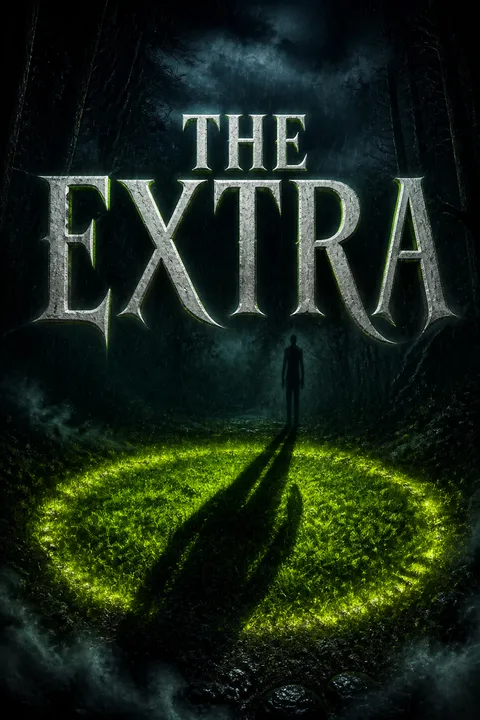
The next morning, the forest is ablaze with autumn color, but Matt's awe is tainted by anxiety. Bianca and Joey hope the extra will have vanished, but the headcount remains eleven. Matt hikes back to the van to check the seats—there are only ten. He reviews his memories, questioning their authenticity. On the way, he discovers a strange, unnaturally green circle of grass near the river, unsettling in its perfection. Reviewing photos from the night before, he spots a shadowy, too-tall figure among the group. The evidence is mounting: something impossible is happening, and the extra is real.
The Circle of Green
The green circle haunts Matt as he returns to camp. It's not just a patch of grass—it's a symbol, a mark, perhaps a sign of something otherworldly. The group is cheerful, oblivious to the strangeness. Matt, Bianca, and Joey confer in secret, agreeing they cannot bring the extra home. But who is it? The group's memories are too consistent, too complete. The leaders decide to watch and wait, hoping for a sign, but the sense of being infiltrated by something alien grows stronger. The circle of green is a silent, living warning.
Counting Shadows
As the group hikes, Matt scrutinizes each participant, searching for clues. He reviews their personalities: Rowley the show-off, Meg and Jo the inseparable friends, Pratik the eager photographer, Gary the oddball, Diego the solid helper, Landilee the quiet loner, and Brooke the anxious straggler. Each seems real, yet any could be the extra. Paranoia mounts—could the extra be someone who stands out, or someone who blends in? Matt's trust in his own perceptions erodes. Even acts of kindness and vulnerability become suspect. The line between genuine and impostor blurs, and Matt's leadership is tested by fear.
Rash Decisions
During lunch, Diego reveals a strange, blue-tinged rash on his arm. Soon, others—Jo, Meg, Gary—are scratching too. Is it a plant, a bug, or something more sinister? The leaders debate: is the rash a clue to the extra's identity, or a red herring? Meanwhile, Gary's odd behavior and Landilee's aloofness draw suspicion. The group's cohesion is threatened by the leaders' secret fears. Bianca and Joey each have their own theories, but no one can be sure. The rash becomes a symbol of contamination, of something foreign spreading quietly among them.
Campfire Stories and Chills
Around the campfire, the group shares ghost stories. Landilee's tale of a faceless man who wants to be let in is especially chilling, blurring the line between fiction and reality. Pratik's awkward English—"I am a creep"—adds to the unease. Matt watches for signs, but everyone seems normal, even likable. The campfire's warmth is no match for the cold dread that settles over the leaders. The extra could be anyone, and the group's trust is fragile. The night is long, filled with restless sleep and the fear that the extra will reveal itself in the dark.
The Plan and the Shortcut
The next day, the group approaches a trail junction that could take them home early. Matt is tempted to end the trip, but the problem remains: who is the extra? The leaders agree they need more time to decide. Passing an older couple on the trail, Matt wonders if the extra could simply attach itself to another group. The possibility is both hopeful and horrifying. The leaders' sense of responsibility deepens—they must protect their group and the world beyond. The plan is to continue as normal, but the pressure to act grows with every step.
Who Belongs, Who Doesn't
At a scenic vista, Matt interviews each participant, asking why they're here and what they want. The answers are mundane, human, and yet Matt scrutinizes every word and gesture for signs of inauthenticity. He even questions his own memories of Bianca and Joey—could the extra be one of them? The possibility is terrifying. The leaders realize that the extra's goal may simply be to belong, to blend in, to be taken home. The line between self and other, real and false, becomes impossibly thin. The group moves on, the mystery unresolved.
The Vote of Three
On the final day, the leaders know they must act. Only ten seats in the van mean one must be left behind. They agree to vote, each choosing a suspect: Joey picks Gary, Bianca picks Rowley, Matt picks Landilee. After discussion, they settle on Landilee, but Matt's doubts persist. The process is agonizing, the stakes immense. The leaders' unity is strained by fear and guilt. They know they may never be sure, but inaction is not an option. The moment of decision approaches, heavy with dread and uncertainty.
The Last Restroom
As the group nears the van, Matt orchestrates a restroom break, intending to leave Landilee behind. But as the moment arrives, he hesitates, suspecting Diego instead. In a tense, awkward exchange, he sends Landilee off first, then Diego. The group is hurriedly gathered and moved toward the van. The leaders' nerves are frayed, their trust in themselves and each other shaken. The plan is executed with desperate urgency, but the fear of having chosen wrong is overwhelming. The group's safety—and perhaps their souls—hang in the balance.
The Van Fills Up
The group piles into the van, every seat filled except the one left for Bianca. No one mentions Diego's absence. Matt wonders if the group's memories are already shifting, erasing the extra from their minds. He drives away, heart pounding, unable to look back. The sense of relief is mingled with guilt and uncertainty. Did they leave behind the right person? Is the danger truly gone? The van rolls toward home, carrying ten bodies and a burden of doubt that may never lift.
Memory and Guilt
As the van speeds away, Matt is haunted by the possibility that he chose wrong. If Diego was innocent, he's been abandoned in the wilderness. If Diego was the extra, what was it, and what did it want? The group's memories may be shifting, but Matt's guilt remains. He wonders if he will ever know the truth, or if the extra has already succeeded in blending in, in being forgotten. The experience has changed him, leaving scars of doubt and fear that will linger long after the trip is over.
Homeward Bound, Uncertain
The group heads home, the ordeal seemingly over. But Matt's mind is restless, replaying every moment, every decision. The line between reality and memory is blurred. The lesson is clear: sometimes, the greatest danger is not what lurks in the dark, but what hides in plain sight, wearing a familiar face. The story ends with the van rolling home, but the question remains—did they truly leave the extra behind, or did it come home with them after all?
Analysis
Annie Neugebauer's The Extra is a masterful exploration of group psychology, memory, and the terror of the uncanny. Set against the backdrop of a wilderness trip, the novel uses the intrusion of an "extra" person—seamlessly woven into everyone's memories—to probe the fragility of identity and the limits of trust. The story's horror is not in gore or violence, but in the existential dread of not knowing who or what is real, and the moral agony of having to choose whom to abandon. The extra's goal—to belong, to be taken home—mirrors universal human desires, making the threat both alien and heartbreakingly familiar. The novel's structure, with its escalating paranoia, physical symptoms, and ambiguous resolution, forces readers to confront their own assumptions about memory, belonging, and the boundaries of self. In a world where reality is increasingly mediated by unreliable narratives, The Extra is a chilling parable about the dangers of certainty, the cost of survival, and the haunting persistence of doubt.
Review Summary
Characters
Matt
Matt is the trip's adult supervisor, a seasoned leader who has run this university wilderness trip for years. He is methodical, cautious, and deeply committed to the safety of his group. Matt's sense of duty is both his strength and his torment; he feels responsible for every mishap, every risk, and ultimately, every soul in his care. As the story unfolds, Matt's confidence is eroded by the inexplicable presence of an extra person, forcing him to question his own memory, judgment, and even reality. His psychological journey is one of mounting paranoia, guilt, and existential dread, culminating in an impossible moral decision that will haunt him long after the trip ends.
Bianca
Bianca is one of Matt's student trip leaders, experienced and usually calm under pressure. She is quick-thinking and sensitive, often acting as a mediator between Matt and Joey. Bianca's empathy makes her resistant to the idea of leaving anyone behind, and she struggles with the moral implications of the group's predicament. Her initial denial gives way to fear and reluctant acceptance of the need to act. Bianca's development is marked by her internal conflict between compassion and survival, and her loyalty to Matt is tested by the gravity of their choices.
Joey
Joey is the other student trip leader, a veteran of previous trips and Matt's right hand. He is practical, supportive, and often injects humor to diffuse tension. Joey's adaptability is crucial as the situation deteriorates, and he is the first to accept the necessity of leaving the extra behind. His perceptiveness allows him to read the group's dynamics and support both Matt and Bianca. Joey's psychological arc is one of growing seriousness and responsibility, as he moves from lightheartedness to grim resolve in the face of the unknown.
Rowley
Rowley is a tall, athletic participant who enjoys being the center of attention. He flirts, jokes, and often tries to impress others, especially Meg. His extroversion makes him both likable and suspect—his visibility could be a mask for something more sinister, or simply a defense mechanism. Rowley's role in the group is to set the social tone, but his behavior also draws suspicion from the leaders, highlighting the dangers of standing out in a group where blending in is safest.
Meg
Meg is the "pretty one," attached at the hip to her best friend Jo. She is sociable, supportive, and eager to make the most of the trip, though she is not particularly outdoorsy. Meg's presence helps maintain group cohesion, but her vulnerability and desire for belonging make her susceptible to the group's shifting dynamics. Her development is subtle, marked by moments of anxiety and resilience.
Jo
Jo is Meg's best friend, non-binary, and quietly humorous. They seek acceptance and camaraderie, often using humor to bridge gaps. Jo's introspective nature makes them sensitive to the group's undercurrents, and their desire to belong mirrors the extra's possible motivations. Jo's psychological journey is one of self-assertion and subtle leadership within the group.
Pratik
Pratik is an international student from India, fascinated by American culture and eager to document everything with his camera. His language barrier and cultural differences make him both endearing and, at times, isolated. Pratik's innocence and enthusiasm contrast with the group's growing paranoia, and his outsider status makes him a potential scapegoat in the leaders' eyes.
Gary
Gary is older than most participants, obsessed with cataloging flora and fauna. His odd behavior and lack of social awareness make him an easy target for suspicion. Gary's presence challenges the group's tolerance for difference, and his role as "the Larry" highlights the dangers of scapegoating the unfamiliar. His development is largely static, serving as a foil for the leaders' anxieties.
Diego
Diego is the "solid" participant—helpful, friendly, and unassuming. He is the first to develop the mysterious rash, which spreads to others. Diego's reliability makes him both trustworthy and, paradoxically, invisible; his ability to blend in makes him a prime candidate for suspicion. His fate at the story's end is ambiguous, embodying the tragedy of uncertainty and the cost of survival.
Landilee
Landilee is older, quiet, and self-sufficient, with a vaguely maternal air. Her unsettling campfire story and aloofness make her a focus of suspicion. Landilee's presence challenges the group's assumptions about who belongs and who is "other." Her psychological depth is revealed through her storytelling, which blurs the line between victim and threat, and her ultimate fate is left ambiguous, a casualty of the group's fear.
Plot Devices
The Extra Person
The central plot device is the inexplicable presence of an extra person in a group that should number ten. This "extra" is seamlessly integrated into everyone's memories, making it impossible to identify who doesn't belong. The device plays on the unreliability of memory, the fear of the unknown, and the horror of the familiar made strange. It forces the characters—and the reader—to question the nature of identity, belonging, and reality itself.
Rash as Contagion
The spreading rash among participants serves as a physical symbol of contamination, alienness, and the breakdown of boundaries. It blurs the line between the psychological and the corporeal, suggesting that the extra's influence is both mental and physical. The rash heightens paranoia and serves as a red herring in the search for the extra's identity.
Group Dynamics and Paranoia
The narrative structure leverages the closed environment of a wilderness trip to amplify tension. The leaders' secret knowledge and growing paranoia create a psychological thriller, as trust erodes and every action is scrutinized. The moral dilemma of leaving someone behind—possibly innocent—drives the story's emotional arc, culminating in a vote and a desperate, guilt-ridden decision.
Foreshadowing and Symbolism
The unnatural green circle, the shadow in the photograph, and the recurring theme of unreliable memory all foreshadow the story's climax. These symbols reinforce the sense of intrusion and the impossibility of certainty, leaving both characters and readers in a state of unresolved tension.
Download PDF
Download EPUB
.epub digital book format is ideal for reading ebooks on phones, tablets, and e-readers.








































