
Key Takeaways
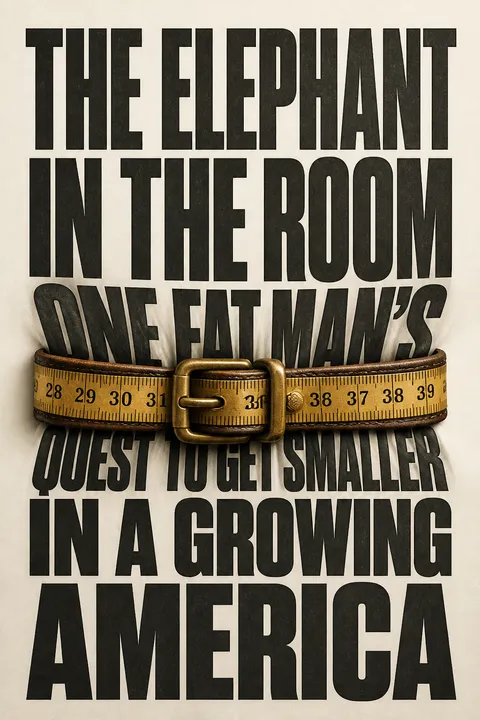
1. Extreme obesity is a physical and psychological prison built on shame and accommodation
My body is crumbling under its own gravity.
The physical toll. Living at 460 pounds means navigating a world that is simply not built for your size. Every daily action—from getting out of bed to finding a stable chair in a restaurant—becomes a calculated risk. The physical degradation is constant, manifesting as chronic venous insufficiency, joint pain, and the terrifying threat of sudden cardiovascular failure.
Constant public anxiety. The psychological burden is equally heavy, characterized by a perpetual fear of falling, breaking furniture, or being squeezed into public spaces. To survive, a severely obese person must constantly seek "accommodations" and scan environments for potential hazards. These include:
- Requesting seatbelt extenders on airplanes
- Avoiding wall-mounted toilets and armchairs
- Stepping back from crowded elevators to avoid exceeding weight limits
- Scouting restaurant layouts online before arriving
The cycle of shame. This constant vigilance breeds deep embarrassment and isolation. The shame of being "too big" forces a retreat from public life, reinforcing the very sedentary habits that caused the weight gain in the first place.
2. Food often serves as an emotional proxy for love, connection, and safety
From then on I knew: Food is connection, food is friendship, food is a certain kind of love.
Childhood associations. For many who struggle with lifelong obesity, food is deeply intertwined with early memories of affection and security. Growing up in a working-class Southern family, the author associated fried catfish, sweet tea, and processed cheese with parental love and comfort. When food is used to celebrate victories or soothe childhood hurts, it becomes a powerful emotional anchor.
Generational food culture. The cultural heritage of the American South further complicates this relationship, where abundance at the table represents wealth and hospitality. For families descended from sharecroppers who faced literal starvation, offering heavy, calorie-dense meals is the ultimate expression of care. This legacy manifests in specific ways:
- Equating second and third helpings with politeness and health
- Using grease, sugar, and starch as primary culinary tools
- Celebrating family reunions with massive, fried buffets
- Using food as a primary coping mechanism during times of grief
The emotional trap. Consequently, eating becomes a subconscious attempt to recapture those feelings of safety and belonging. When faced with adult anxieties, the brain defaults to the quickest chemical comfort available, turning a simple meal into an emotional rescue mission.
3. The diet industry sells illusions; sustainable weight loss requires a simple, honest mathematical approach
The only thing a trendy diet will help you lose is money.
The commercial trap. The modern weight-loss industry thrives on marketing complex, restrictive, and expensive programs that promise rapid results. From low-carb fads to liquid cleanses, these diets are designed for short-term success but long-term failure because they ignore human biology and psychology. When the strict rules inevitably become unsustainable, dieters backslide, often gaining back more weight than they lost.
The mathematical reality. True weight management relies on a straightforward, unglamorous equation of energy balance. The author advocates for a "Three-Step Diet" that strips away the marketing gimmicks and focuses entirely on personal accountability. This method requires:
- Step 1: Accurately measuring the calories you consume
- Step 2: Accurately measuring the calories your body burns
- Step 3: Ensuring that daily consumption is consistently lower than expenditure
Tracking and accountability. By utilizing simple tools like a wearable fitness tracker and a food log, individuals can demystify their habits. Writing down every bite forces an honest confrontation with one's choices, breaking the cycle of mindless consumption and self-deception.
4. Extreme weight creates an invisible wall that isolates individuals from those they love
I’ve limited Alix’s life because of the limits on mine.
Relational collateral damage. Obesity is never a solitary disease; it profoundly impacts spouses, family members, and friends. The physical limitations of one partner inevitably restrict the shared experiences of the couple, turning dreams of travel, hiking, or simple walks into sources of anxiety. Over time, this creates resentment and a quiet, unspoken distance between partners.
The invisible barrier. The author describes this emotional distance as an "invisible wall" built out of shame and fear of judgment. To protect themselves from embarrassment, obese individuals often shut down, withdraw from conversations, and self-censor their desires. This relational strain shows up in several painful ways:
- Avoiding physical intimacy due to body shame and low confidence
- Struggling with fertility issues and low sperm count caused by extreme weight
- Declining social invitations or outdoor activities with friends
- Forcing a partner to carry the physical burden of household chores alone
Breaking the silence. Dismantling this wall requires radical honesty and the vulnerability to share one's deepest fears. True connection can only be restored when the obese partner stops hiding behind their physical shield and allows their loved ones to see the pain underneath.
5. The battle against addiction is fought against an internal voice of self-sabotage
The call is coming from inside the house.
The inner critic. Anyone struggling with a deep-seated addiction must contend with a relentless internal monologue of self-doubt and negativity. The author nicknames this mental broadcast "USUCK-FM," a voice that constantly reminds him of past failures and whispers that change is impossible. This voice is not an external enemy; it is the projection of one's own deepest insecurities.
The mechanics of resistance. This internal resistance is highly sophisticated, utilizing rationalizations and excuses to justify immediate gratification. It convinces the individual that they deserve a "cheat meal" or that they can always start their diet tomorrow. To combat this voice, one must recognize its patterns:
- Using food to numb temporary emotional pain or anxiety
- Believing the lie that a single mistake ruins all progress
- Slowing down or stopping exercise because "it's too hard"
- Relying on the illusion of a perfect, future "tomorrow" to delay action
Drowning out the noise. Overcoming self-sabotage requires actively cultivating a kinder, more disciplined inner voice. By focusing on small, daily victories and practicing self-compassion, the volume of the negative broadcast can slowly be turned down, allowing the voice of hope to take over.
6. Obesity can be a subconscious shield used to avoid the responsibilities of adulthood
I can’t be a grown man until I’m not such an overgrown man.
The inner child. Deep beneath the physical layers of fat often lies a psychological refusal to grow up. For the author, eating without limits was a way to indulge his "inner child" and rebel against the discipline of adulthood. Because his childhood was physically restricted by his weight, a part of him remained frozen in a state of adolescent defiance, craving instant gratification.
Avoiding adult realities. Adulthood requires accepting delayed gratification, facing consequences, and taking full responsibility for one's physical well-being. Extreme weight can act as a convenient excuse to avoid these challenges, allowing an individual to remain passive. Embracing maturity means putting away childish habits:
- Replacing late-night binging with structured, healthy meals
- Choosing physical activity over comfortable, sedentary isolation
- Being completely honest about what and how much you eat
- Accepting that actions have long-term consequences for your health
Taming the beast. The "hog" of addiction cannot be killed, but it can be tamed through the practice of "adulting." By choosing discipline over comfort, the individual reclaims their agency, proving that they are no longer at the mercy of a child's impulses.
7. Sustainable transformation is a slow, daily commitment rather than a rapid, dramatic fix
Losing weight is not the hard part. The hard part is living with a diet for years, maybe the rest of your life.
The marathon mindset. Dramatic, rapid weight loss is a staple of reality television, but it rarely leads to permanent change. When contestants on shows like The Biggest Loser drop hundreds of pounds in months, their metabolisms drastically slow down, making weight regain almost scientifically inevitable. True, lasting transformation must be approached as a slow, lifelong journey of habit modification.
The power of small wins. Losing weight slowly—such as twenty-five pounds in a year—may not make for exciting television, but it is far more sustainable. It allows the body and mind to adjust to a new baseline without triggering starvation hormones. This gradual approach is built on daily, manageable habits:
- Walking a single mile a day instead of training for a marathon
- Cutting out fast food systematically rather than starving oneself
- Focusing on consistency over perfection on the scale
- Celebrating non-scale victories, like fitting into smaller clothes
Embracing the process. By letting go of the desire for a quick fix, the individual removes the pressure that often leads to failure. The goal is not to reach a magic number overnight, but to build a life that is physically and emotionally sustainable for decades to come.
8. Self-worth and self-forgiveness are the ultimate catalysts for physical healing
I used to worry about lying to myself about being able to stick to a diet and get in shape. Now I see I told myself a bigger lie: that I wasn’t worth the trouble.
The foundation of change. No amount of diet plans or exercise routines can save a person who believes they are fundamentally worthless. For decades, the author's weight loss attempts failed because they were fueled by self-hatred and shame. True healing only began when he confronted his internal demons and accepted that his life was valuable and worth saving.
The role of forgiveness. Forgiving oneself for past mistakes, wasted years, and broken promises is essential for moving forward. When a slip-up occurs—as it inevitably will—self-forgiveness prevents a temporary lapse from turning into a permanent collapse. This shift in mindset changes how one views self-care:
- Treating exercise as a gift to the body rather than a punishment
- Viewing healthy food as nourishment rather than deprivation
- Accepting love and support from others without feeling like a burden
- Recognizing that physical limitations do not define personal value
A new reflection. When the mirror stops reflecting a source of disgust and starts showing a human being worthy of effort, the daily work of health becomes a labor of love. The journey of getting smaller is ultimately about making room for a larger, more hopeful life.
People Also Read



Download PDF
Download EPUB
.epub digital book format is ideal for reading ebooks on phones, tablets, and e-readers.








































