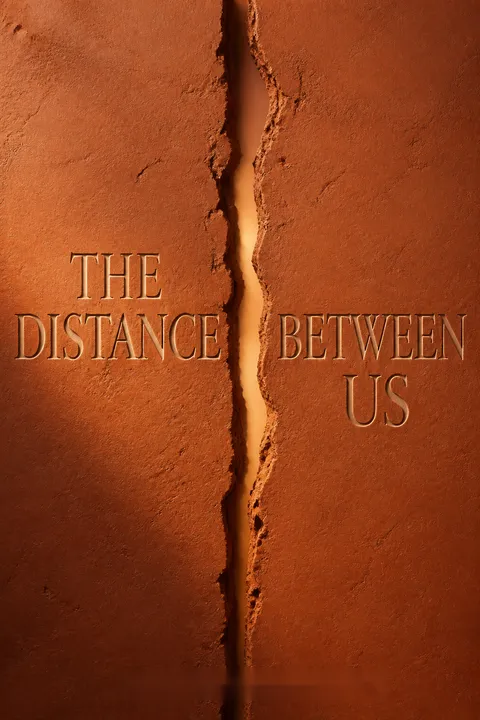

Plot Summary
Shadows of El Otro Lado
In the small Mexican town of Iguala, young Reyna Grande's earliest memories are shaped by absence. Her father, Natalio, leaves for "El Otro Lado"—the United States—chasing the dream of building a house and a better life for his family. Soon after, her mother, Juana, follows, leaving Reyna and her siblings, Mago and Carlos, in the care of their stern grandmother, Abuela Evila. The children are left to navigate a world of longing, uncertainty, and whispered stories about the land that has taken their parents. The United States is both a promise and a thief, a place that offers hope but extracts a heavy price: the distance between parents and children, and the ache of abandonment that shapes every day.
Left Behind, Yearning
Reyna, Mago, and Carlos are thrust into a life of deprivation and emotional neglect under Abuela Evila's roof. Their cousin Élida, also left behind by a parent who migrated, becomes both a rival and a mirror of their own pain. The siblings cling to memories and tokens—Reyna to a photograph of her father, Mago to stories of happier times. They are marked as "orphans" by neighbors, their poverty and parentlessness a source of shame and anger. Yet, in their shared suffering, the siblings forge a fierce loyalty to one another, with Mago stepping into the role of "little mother." The children's longing for their parents is both a wound and a lifeline, shaping their identities and their hopes.
Grandmothers' Houses, Grandchildren's Scars
Life oscillates between the harshness of Abuela Evila and the warmth of Abuelita Chinta, their maternal grandmother. While Evila doles out food and affection sparingly, favoring Élida, Chinta offers comfort, stories, and spiritual protection. The children's bodies bear the marks of poverty—lice, hunger, and the indignities of being unwanted. Yet, they find solace in rituals: tracing the spot where Reyna's umbilical cord is buried, believing in an invisible bond to their mother. The siblings' resilience is tested by cruelty and favoritism, but also nurtured by moments of tenderness and the enduring hope that their parents will return.
The Man Behind the Glass
For Reyna, her father is both a myth and a memory, embodied in a photograph she clings to. The "man behind the glass" becomes a silent confidant, a source of comfort and frustration. As the years pass, the siblings' faith in their parents' return is tested by broken promises and the slow realization that the dream of a family reunited may never come true. The construction of the dream house begins, symbolizing hope, but stalls as money runs out. The children's lives are defined by waiting—waiting for letters, for phone calls, for the return of the people they love.
Siblings Against the World
Mago, Carlos, and Reyna learn to rely on one another for survival and emotional support. Mago's fierce protectiveness, Carlos's humor, and Reyna's sensitivity form a fragile but vital unit. Together, they navigate the dangers of their environment—scorpions, hunger, and the cruelty of adults. Their bond is both a shield and a burden, as each child is forced to grow up too soon. The siblings' shared experiences of deprivation and longing create an unbreakable connection, even as the world around them seems determined to keep them small and powerless.
The Dream House Unbuilt
The promise of the dream house—a symbol of everything their parents have sacrificed for—remains unfulfilled. The children labor alongside their grandfather, carrying bricks and mortar, believing that each bucket brings them closer to a family reunited. But the work halts, and the house stands unfinished, a monument to broken promises. The siblings' faith is shaken as their parents' absence stretches from months into years, and the reality of being left behind becomes inescapable. The dream of a home, both literal and emotional, feels increasingly out of reach.
Mami's Return, Mami's Absence
When Mami finally returns from the United States, she is changed—hardened by betrayal and disappointment. She brings with her a new child, Betty, and the news that Papi has left her for another woman. The reunion is bittersweet; the children's longing for their mother is met with her emotional distance and preoccupation with survival. Mami's comings and goings, her new relationships, and her struggles to provide deepen the children's sense of instability. The hope that her return would heal old wounds is dashed, replaced by the realization that the distance between them is not just physical, but emotional.
The Price of Survival
Survival demands sacrifice—from the children, who work, endure hunger, and face humiliation, and from Mami, who must choose between her children and her own needs. The siblings are forced to grow up quickly, taking on adult responsibilities and making impossible choices. Mago works to support the family, Carlos seeks male role models in troubled uncles, and Reyna clings to the hope of being loved. The cost of survival is high: innocence lost, relationships strained, and dreams deferred. Yet, through it all, the siblings' resilience and determination shine, even as they are battered by forces beyond their control.
Crossing the Distance
After years of waiting, Papi returns to Mexico and decides to bring his children to the United States. The journey north is fraught with danger—failed attempts, fear, and the ever-present threat of la migra. Reyna, Mago, and Carlos cross the border with their father, leaving behind their mother, little sister, and the only home they have ever known. The crossing is both an end and a beginning: the end of childhood, the end of waiting, and the beginning of a new life in a strange land. The siblings arrive in Los Angeles, carrying with them the scars of the past and the hope for a better future.
New World, Old Wounds
Life in the United States is not the paradise the children imagined. They struggle with language barriers, cultural dislocation, and the harsh discipline of their father, who is both provider and tyrant. School is a battleground, where Reyna is silenced by her lack of English and her classmates' cruelty. The siblings face racism, poverty, and the constant fear of deportation. Yet, they also discover new possibilities—education, music, and the chance to dream. The wounds of the past are not easily healed, and the distance between family members persists, even as they share the same roof.
The Tyrant and the Dreamer
Papi is a complex figure—at once loving and abusive, visionary and broken. His dreams for his children are grand, but his methods are harsh. He demands excellence, punishes failure, and struggles with his own demons. The siblings navigate his moods, seeking his approval while fearing his wrath. The legacy of his own childhood—poverty, abuse, and disappointment—shapes his parenting, for better and worse. The children's relationship with their father is a source of both pride and pain, as they strive to fulfill his dreams while yearning for gentleness and understanding.
Finding Voice, Losing Home
For Reyna, school becomes both a refuge and a battleground. She discovers a talent for writing and music, finding in them a way to express herself and claim her place in a world that often renders her invisible. Yet, the pursuit of education is fraught with obstacles—poverty, family conflict, and the weight of expectations. As Reyna and her siblings come of age, they are forced to choose between loyalty to family and the pursuit of their own dreams. The cost of ambition is high, and the sense of home remains elusive, always just out of reach.
The Breaking and the Bond
As the siblings grow older, the bonds that once held them together are tested by distance, betrayal, and the demands of adulthood. Mago and Carlos seek independence, making choices that disappoint their father and threaten the unity of the family. Reyna is left to navigate the fallout—her father's rage, her own loneliness, and the ache of separation from her sister. Yet, even as the family breaks apart, the siblings' love endures, shaped by the trials they have survived together. The journey from childhood to adulthood is marked by loss, but also by the unbreakable bond of shared experience.
Becoming American, Becoming Other
In the United States, Reyna and her siblings grapple with what it means to belong. They are caught between two worlds—never fully Mexican, never fully American. The process of assimilation brings new opportunities but also new forms of alienation. Reyna's success in school and her pursuit of higher education set her apart from her family and her past. The siblings' relationships with their parents, with each other, and with themselves are reshaped by the demands of a new culture. The question of identity—who they are, where they belong—becomes both a source of pain and a path to self-discovery.
The Cost of Forgiveness
As adulthood approaches, Reyna is forced to confront the legacy of her parents' choices—their sacrifices, their failures, and their humanity. The wounds of abandonment and abuse linger, but so does the longing for reconciliation. Reyna finds mentors and surrogate mothers who help her heal and grow, but the desire for her parents' love and approval remains. The journey toward forgiveness is neither simple nor complete; it is a process of understanding, acceptance, and letting go. In the end, Reyna learns that forgiveness is not about forgetting, but about choosing to move forward, carrying both the pain and the love that shaped her.
Letting Go, Moving Forward
Reyna's journey culminates in her pursuit of higher education, her emergence as a writer, and her decision to build a life on her own terms. The distance between her and her family remains, but it is no longer an unbridgeable chasm. Through education, creativity, and the support of mentors, Reyna finds the strength to let go of the past without losing sight of where she came from. Her story is one of survival, transformation, and the enduring power of hope. In claiming her own voice, Reyna honors the sacrifices of those who came before her and lights the way for those who will follow.
Analysis
A modern meditation on migration, family, and identityThe Distance Between Us is a searing, intimate exploration of the costs and consequences of migration, told through the eyes of a child who becomes a woman in the shadow of absence and longing. Reyna Grande's memoir transcends the particulars of her own story to illuminate universal themes: the ache of separation, the resilience of the human spirit, and the complex, often contradictory nature of love and family. The book challenges the myth of the American Dream, exposing the sacrifices and traumas that underlie the pursuit of a better life. It interrogates the ways in which poverty, violence, and generational trauma shape identity, while also celebrating the power of education, creativity, and community to heal and transform. Grande's narrative is both a personal testament and a broader commentary on the immigrant experience, offering readers a nuanced understanding of what it means to belong, to forgive, and to move forward without forgetting the past. The memoir's enduring lesson is that the distance between us—whether measured in miles, years, or wounds—can be bridged by empathy, courage, and the stories we dare to tell.
Review Summary
People Also Read





Characters
Reyna Grande
Reyna is the youngest of three siblings, left behind in Mexico when her parents migrate to the United States. Her childhood is marked by longing, deprivation, and the ache of abandonment. Reyna is introspective and sensitive, clinging to memories and tokens—her father's photograph, her mother's stories—to sustain her. As she grows, she becomes fiercely determined, channeling her pain into academic achievement and creative expression. Reyna's journey is one of transformation: from a voiceless, invisible child to a writer who claims her own story. Her relationships—with her siblings, her parents, and her mentors—shape her evolving sense of self, as she navigates the complexities of identity, loyalty, and forgiveness.
Mago (Magloria Grande)
Mago, the eldest sibling, assumes the role of caretaker in the absence of their parents. She is strong-willed, resourceful, and fiercely protective of her younger siblings, often sacrificing her own needs for theirs. Mago's resilience is both her strength and her burden; she carries the weight of responsibility and the scars of disappointment. Her longing for her father's approval and her mother's love shapes her choices, even as she seeks independence and self-fulfillment. Mago's journey is marked by both rebellion and loyalty, as she struggles to balance her own desires with her commitment to family.
Carlos Grande
Carlos, the middle child, copes with abandonment and hardship through humor and a longing for connection. Sensitive and eager to please, he seeks male role models in the absence of his father, sometimes finding them in troubled uncles. Carlos's struggles with self-esteem—marked by physical frailty and insecurity—are compounded by the challenges of assimilation and the pressure to succeed. His relationships with his sisters are both a source of comfort and conflict, as he navigates the demands of masculinity and the expectations of family. Carlos's journey is one of searching for belonging and self-worth in a world that often overlooks him.
Natalio Grande (Papi)
Natalio is both the architect of his family's dreams and the cause of their deepest wounds. Driven by the desire to provide a better life, he leaves his children behind, believing that sacrifice will yield reward. In the United States, he becomes both provider and tyrant—demanding, abusive, and emotionally distant. His own history of poverty and abuse shapes his parenting, creating a cycle of pain that is difficult to break. Yet, Natalio is also capable of tenderness and vision, instilling in his children the importance of education and ambition. His relationship with his children is fraught with contradiction—love and violence, pride and disappointment, presence and absence.
Juana Rodriguez (Mami)
Juana's journey is one of heartbreak and resilience. Torn between the demands of survival and the needs of her children, she makes impossible choices—leaving her children behind, enduring betrayal, and struggling to provide. Her return to Mexico is marked by bitterness and emotional distance, as she grapples with her own wounds and the realities of single motherhood. Juana's relationships—with her children, her lovers, and herself—are shaped by longing, regret, and the hope for redemption. She is both a source of comfort and pain, embodying the complexities of maternal love in the face of adversity.
Abuela Evila
Abuela Evila is the children's paternal grandmother, a figure of authority and severity. Her home is a place of deprivation and favoritism, where Reyna and her siblings are made to feel unwanted and inferior. Evila's own history—marked by hardship and loss—manifests in her inability to show affection or empathy. She favors her daughter's children over her son's, perpetuating cycles of pain and exclusion. Yet, her actions are also shaped by the realities of poverty and the burdens of caretaking. Evila is both a villain and a victim, a symbol of the ways in which trauma is passed down through generations.
Abuelita Chinta
Abuelita Chinta, the children's maternal grandmother, offers a stark contrast to Evila. Her home is a place of comfort, storytelling, and spiritual protection. She provides the children with love, guidance, and a sense of belonging, even as she struggles with her own limitations. Chinta's rituals—burying Reyna's umbilical cord, telling stories, offering prayers—become lifelines for the children, connecting them to their roots and to each other. She embodies the power of resilience, faith, and unconditional love in the face of hardship.
Mila
Mila enters the children's lives as their father's new partner in the United States. She is both a source of stability and alienation, providing for the children's material needs while keeping them at a distance emotionally. Mila's own history—marked by loss, estrangement from her children, and the challenges of assimilation—shapes her relationship with Reyna and her siblings. She is neither a wicked stepmother nor a surrogate mother, but a complex figure navigating her own pain and responsibilities. Mila's presence forces the children to confront questions of loyalty, belonging, and the meaning of family.
Betty
Betty, Reyna's younger half-sister, is born in the United States and becomes both a source of jealousy and longing for the older siblings. Her presence is a constant reminder of the parents' new lives and the siblings' displacement. Betty's own journey is shaped by the choices of others—left behind, brought north, caught between worlds. She embodies both the hope of a new generation and the enduring scars of family separation.
Diana Savas
Diana enters Reyna's life as a college professor and becomes a pivotal figure in her journey toward self-acceptance and achievement. She offers guidance, encouragement, and unconditional support, helping Reyna discover her talent for writing and her capacity for resilience. Diana's belief in Reyna's potential provides the validation and nurturing that has long been missing from her life. Through Diana, Reyna learns the power of mentorship, the importance of community, and the possibility of healing.
Plot Devices
Migration as Both Hope and Loss
The central plot device is the family's migration to the United States, which serves as both a beacon of hope and a source of profound loss. The narrative structure is shaped by the physical and emotional distances created by migration—parents separated from children, siblings from one another, and individuals from their own sense of self. The journey north is both literal and metaphorical, representing the pursuit of dreams and the sacrifices required to achieve them. The recurring motif of "El Otro Lado" underscores the duality of migration: it is both the land of opportunity and the thief of family, innocence, and belonging.
The Photograph and the Man Behind the Glass
Reyna's attachment to her father's photograph—the "man behind the glass"—serves as a powerful symbol of absence, longing, and the ways in which memory both sustains and torments. The photograph is a constant presence, a silent witness to Reyna's hopes and disappointments. It embodies the distance between what is remembered and what is real, between the idealized parent and the flawed human being. The motif recurs throughout the narrative, anchoring Reyna's emotional journey and highlighting the enduring impact of separation.
Sibling Bonds as Survival Mechanism
The relationship between Reyna, Mago, and Carlos is a central plot device, providing both emotional sustenance and narrative momentum. Their bond is forged in adversity, strengthened by shared suffering, and tested by the demands of survival and assimilation. The siblings' loyalty to one another is both a source of strength and a site of conflict, as each is forced to navigate the tension between individual desires and collective responsibility. The motif of the "little mother" recurs, highlighting the ways in which children are forced to assume adult roles in the absence of parental care.
The Unfinished Dream House
The construction—and perpetual incompletion—of the dream house serves as a powerful metaphor for the family's aspirations and disappointments. The house is both a literal goal and a symbol of everything the family has sacrificed for: stability, unity, and a sense of belonging. Its unfinished state mirrors the family's fractured relationships and the unfulfilled promises of migration. The motif recurs as a reminder of the gap between dreams and reality, and the cost of chasing a better life.
Education and Storytelling as Redemption
Education is both a plot device and a theme, representing the possibility of escape, transformation, and self-actualization. Reyna's journey through school—her struggles with language, her discovery of writing and music, her pursuit of higher education—mirrors her journey toward self-acceptance and agency. Storytelling becomes a means of survival, a way to make sense of pain and claim one's own narrative. The motif of writing recurs, culminating in Reyna's emergence as an author and her ability to bridge the distance between past and present, self and family.
Cycles of Abandonment and Forgiveness
The narrative is structured around cycles of abandonment—parents leaving children, siblings separating, mentors stepping in and out of Reyna's life. Each cycle brings new wounds and new opportunities for healing. The struggle for forgiveness—of parents, of self, of the past—is a recurring plot device, shaping the emotional arc of the story. The motif of letting go recurs, as Reyna learns to move forward without forgetting where she came from.
FAQ
What is The Distance Between Us by Reyna Grande about?
- Memoir of immigration and separation: The book is a memoir chronicling Reyna Grande’s childhood in Mexico, her separation from her parents who immigrated to the U.S., and her eventual journey to reunite with them.
- Family and resilience: It explores the emotional and physical hardships faced by Reyna and her siblings, including poverty, abandonment, and the longing for family unity.
- Immigrant experience: The narrative provides a firsthand account of the dangers and sacrifices involved in crossing the U.S.-Mexico border and adapting to life in a new country.
Why should I read The Distance Between Us by Reyna Grande?
- Insight into immigrant life: The memoir offers a raw, honest portrayal of the emotional toll of immigration, especially on children left behind.
- Powerful storytelling: Reyna Grande’s vivid narrative and heartfelt descriptions make the story relatable and compelling, humanizing the immigrant experience.
- Themes of hope and resilience: Despite adversity, the book emphasizes the strength of family bonds and the enduring hope for a better future.
Who are the main characters in The Distance Between Us by Reyna Grande?
- Reyna Grande: The author and narrator, whose childhood and adolescence are central to the memoir.
- Mami and Papi: Reyna’s mother and father, whose decisions to immigrate shape the family’s fate and emotional landscape.
- Mago and Carlos: Reyna’s older siblings, who take on protective roles during their parents’ absence.
- Abuela Evila and Abuelita Chinta: The grandmothers who care for the children in Mexico, each with distinct personalities and approaches.
What are the key themes in The Distance Between Us by Reyna Grande?
- Separation and abandonment: The memoir centers on the emotional and physical distance caused by immigration and parental absence.
- Poverty and survival: Reyna’s story highlights the harsh realities of poverty in Mexico and the lengths families go to for a better life.
- Identity and belonging: The struggle to reconcile Mexican roots with a new American identity is a recurring theme.
- Family and forgiveness: Complex family relationships, love, betrayal, and the possibility of forgiveness are explored throughout the book.
What are the main challenges Reyna and her siblings face while their parents are in the U.S. in The Distance Between Us?
- Neglect and mistrust: Their grandmother Abuela Evila often withholds money and treats them harshly, leading to feelings of neglect.
- Social stigma: The children are labeled as “little orphans,” affecting their self-esteem and social interactions.
- Health and safety risks: They endure lice infestations, scorpion stings, and dangers from floods and neighborhood violence.
How does Reyna Grande describe her childhood in Mexico in The Distance Between Us?
- Life with grandmothers: Reyna and her siblings live with strict Abuela Evila and nurturing but impoverished Abuelita Chinta.
- Harsh living conditions: The children face poverty, lack of running water, and emotional neglect, vividly depicted through daily struggles.
- Emotional impact: Reyna conveys loneliness, fear, and longing for her parents, while her sister Mago assumes a protective role.
How does Reyna Grande portray her parents’ immigration experience in The Distance Between Us?
- Father’s dream and absence: Papi leaves to build a better life but becomes emotionally distant and starts a new family in the U.S.
- Mother’s struggle and return: Mami faces hardship and betrayal in the U.S., eventually returning to Mexico and struggling to support her children.
- Complex family dynamics: The memoir reveals pain, broken promises, and fractured relationships caused by immigration, showing both parents’ flaws and humanity.
How does Reyna Grande describe her journey crossing the U.S.-Mexico border in The Distance Between Us?
- Perilous attempts: Reyna recounts multiple failed attempts to cross the border, including being caught by border patrol.
- Physical and emotional hardship: She describes illness, exhaustion, fear of immigration agents, and the constant threat of harm.
- Hope and determination: Despite the risks, Reyna’s determination to reunite with her father and build a new life drives her forward.
How does Reyna Grande portray the immigrant experience and assimilation in the U.S. in The Distance Between Us?
- Fear and secrecy: The family lives in constant fear of deportation and must hide their undocumented status.
- Cultural dislocation: Reyna misses Mexican traditions and struggles to adapt to American customs and language.
- Economic hardship: The memoir details financial struggles, low-wage jobs, and cramped living conditions common among immigrant families.
What role does education play in The Distance Between Us by Reyna Grande?
- Path to opportunity: Education is depicted as the key to a better future, emphasized by Reyna’s father.
- Struggles with language: Reyna faces challenges learning English and being placed in ESL classes.
- Empowerment through learning: Academic achievements, such as winning writing contests and graduating college, symbolize Reyna’s resilience and determination.
How does The Distance Between Us by Reyna Grande address themes of abuse and resilience?
- Physical and emotional abuse: The memoir candidly describes the beatings and emotional neglect Reyna and her siblings endure from their father.
- Survival and hope: Reyna finds strength in education, writing, and supportive mentors like Diana Savas.
- Breaking the cycle: The story highlights the importance of confronting trauma and striving for a better life, breaking free from patterns of violence and poverty.
What are the best quotes from The Distance Between Us by Reyna Grande and what do they mean?
- “Nothing happens unless first we dream.” — Carl Sandburg: Captures the theme of hope and aspiration motivating the family’s sacrifices.
- “It is because they love you very much that they have left.” — Don Bartolo: Reflects the painful paradox of immigrant parents leaving children behind for a better future.
- “You made me who I am.”: The final line acknowledges Reyna’s complex feelings toward her father and his role in shaping her.
- “Here in this country, if you aren’t educated, you won’t go very far.”: Emphasizes the central role of education in achieving success as an immigrant.
Download PDF
Download EPUB
.epub digital book format is ideal for reading ebooks on phones, tablets, and e-readers.








































