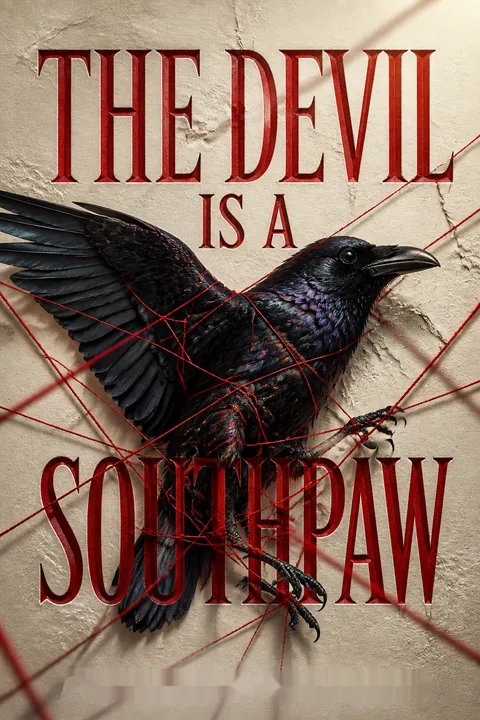

Plot Summary
The Vanishing of Matthew
On a spring morning in 1988, the Tophet County Juvenile Correctional Facility erupts in chaos: Matthew Echota, a quiet, gifted boy, is missing. The other residents, already hardened by punishment and deprivation, are sent into the woods to search for him. The air is thick with fear and superstition—rumors swirl about Matthew's prophetic abilities and strange behaviors. As they trudge through the forest, haunted by stories of tricksters and lepers, the group's anxiety grows. Nora, Matthew's sister, is frantic, convinced her brother's nightmares have come true. The searchers are forced to confront their own guilt, envy, and the violence that permeates their lives. The woods become a mirror for their collective trauma, and the absence of Matthew is a wound that exposes the darkness at the heart of their world.
Shadows in the Woods
The search for Matthew is as much a journey through the haunted landscape of Old Dublan as it is a literal quest. The children encounter ominous signs: a vulture feasting, a black curtain hiding lepers, and the spectral presence of the three dead brothers. The woods are alive with the folklore of their childhood—tricksters, spirits, and the ever-present threat of violence. Nora's memories of Matthew's nightmares blur with reality, and the group's fear of the unknown is compounded by the cruelty of the guards. The boundaries between myth and memory dissolve, and the children's sense of self is threatened by the oppressive environment. The search becomes a rite of passage, forcing them to reckon with the loss of innocence and the scars of institutional abuse.
Old Dublan's Curse
Old Dublan is a place of poverty, superstition, and decline—a town where dreams wither and violence festers. The narrative paints a portrait of a community haunted by its own failures: failed businesses, abandoned buildings, and a legacy of suffering. The town's history is marked by tragedy, from the downfall of Matthew's father, a once-promising pitcher, to the mysterious disappearances and deaths that plague its youth. The juvenile facility itself is a symbol of this decay, a place where children are warehoused and broken. The story of Old Dublan is inseparable from the fate of its children, who inherit its curses and are shaped by its indifference. The town's darkness is both literal and metaphorical, a force that consumes hope and perpetuates cycles of trauma.
Tophet County Arrival
The boys' first night at Tophet County is a descent into dehumanization. Stripped, searched, and assigned numbers, they are reduced to bodies to be managed and reformed. The facility is a world of strict rules, arbitrary punishments, and constant surveillance. The staff, especially the drill sergeants, enforce discipline through humiliation and violence, convinced that only suffering can produce obedience. The residents, many of them Native, are forced to suppress their individuality and creativity. Yet, even in this environment, small acts of resistance and solidarity emerge—art, writing, and whispered conversations in the dark. The struggle to maintain a sense of self becomes an act of survival, and the bonds formed in adversity are both a comfort and a source of further pain.
Solitude and Survival
Matthew's arrival at the facility is shrouded in rumor and fear. His quiet intensity and artistic talent set him apart, making him both a target and an object of fascination. Solitude becomes his refuge, a space where he can write, draw, and commune with his visions. For others, isolation is a torment that drives them to the brink of despair. The threat of solitary confinement hangs over everyone, a punishment that can break even the strongest. Yet, in their loneliness, the boys find ways to connect—through shared stories, secret plans, and the hope of escape. The struggle to survive is not just physical but spiritual, as they search for meaning in suffering and cling to the possibility of redemption.
Cassie's Vision of Evil
Cassie Magdal, Matthew's former girlfriend, is caught between worlds: her evangelical upbringing, her attraction to troubled boys, and her own visions of the devil. When she becomes entangled in a plot to commit violence at school, her sense of reality fractures. Cassie's encounters with evil—both supernatural and human—reflect the larger moral confusion of the community. Her relationship with Matthew is marked by longing, jealousy, and the search for salvation. Cassie's visions are both a warning and a symptom of the sickness that infects Old Dublan. Her story is a meditation on the ways faith, trauma, and desire can become entangled, leading to both destruction and the possibility of grace.
Suffering and Forgiveness
The residents of Tophet County are united by suffering—abuse, neglect, addiction, and loss. The facility's routines are designed to break them, but suffering also becomes a source of connection. Visits from outsiders, like the poet Agatha Klemm, offer moments of empathy and inspiration. The boys grapple with questions of guilt, shame, and the possibility of forgiveness. Writing and art become tools for processing pain and imagining a different future. The struggle to forgive—both themselves and those who have hurt them—is central to their journey. Suffering is not redemptive in itself, but it opens the door to understanding and, perhaps, healing.
Plague of Frogs
A freak storm brings a literal plague of frogs, turning the facility into a surreal landscape of death and decay. The event is both a biblical omen and a metaphor for the chaos within the boys' lives. The guards' cruelty intensifies, and Matthew is once again singled out for punishment. The frogs become a symbol of the inescapable trauma that haunts the residents, invading their dreams and their waking lives. The natural world, once a source of solace, becomes another arena of suffering. Yet, even in the midst of horror, the boys find ways to assert their humanity—through art, humor, and acts of quiet rebellion.
Strangelove's Dominion
The facility's director, Strangelove, is a grotesque figure whose seizures and eccentricities embody the madness of the institution. His rule is arbitrary and capricious, a performance of power that is both terrifying and absurd. The boys are forced to participate in rituals of humiliation and control, from forced music sessions to lectures on discipline. Yet, Strangelove's own vulnerability—his illness, his isolation—mirrors that of the boys he torments. The lines between victim and perpetrator blur, and the boys begin to see the adults as fellow sufferers, trapped by their own failures and fears. The struggle for autonomy becomes a battle of wills, with art and imagination as the only real weapons.
Letters and Confessions
The narrative shifts to a series of letters and confessions, offering intimate glimpses into the inner lives of the characters. Milton, the narrator, writes to his fellow residents and to his parents, grappling with shame, longing, and the desire for forgiveness. The act of confession is both a burden and a release, a way to make sense of the chaos and to reach for connection. The letters reveal the deep wounds inflicted by family, community, and the self. Through writing, the characters attempt to reclaim their stories and assert their humanity in the face of dehumanization.
Rivalries and Obsessions
The central rivalry between Milton and Matthew is fueled by envy, admiration, and a desperate need for validation. Both boys are artists, but Matthew's talent and mystique make him a target for Milton's obsession. Their relationship is complicated by Cassie, whose affections shift between them. The triangle of desire, jealousy, and creative ambition becomes a microcosm of the larger struggles within the facility and the town. The boys' attempts to define themselves—through art, violence, and love—are both a rebellion against their circumstances and a reflection of their deepest insecurities.
School Shooting Plot
The simmering tensions within the group explode into a plot to commit violence at school. Milton and his cousin Trusty John, driven by years of bullying and humiliation, plan a shooting as an act of revenge. Cassie is drawn into the scheme, torn between loyalty and fear. The plot is both a symptom and a cause of the community's sickness, a desperate attempt to assert control in a world that offers none. The narrative does not sensationalize the violence but situates it within the broader context of trauma, alienation, and the failure of adults to protect or understand their children.
The Sickness Spreads
A wave of sickness—both literal and metaphorical—sweeps through the facility. Food poisoning incapacitates many residents, and the threat of death becomes palpable. The boys' plans for escape are derailed by their own bodies' betrayals. The sickness is a manifestation of the toxic environment, a reminder that suffering is not just emotional but physical. The staff's indifference and incompetence compound the boys' vulnerability. In the midst of illness, the boundaries between reality and hallucination blur, and the search for healing becomes ever more urgent.
Descent into the Hypogeum
Led by the enigmatic Anna Darko, the boys descend into the hypogeum—a labyrinthine underground world filled with skulls, art, and the ghosts of the past. The journey is both an escape from the facility and a confrontation with the traumas that haunt them. The hypogeum is a place of transformation, where the boundaries between life and death, reality and fantasy, dissolve. Encounters with doppelgangers, artists, and spirits challenge the boys' understanding of themselves and their world. The descent is both a literal and symbolic passage, a test of courage and a search for meaning in the face of suffering.
Escape and Illusion
The boys' escape from the facility is marked by surreal encounters and shifting realities. They meet figures from art and history, navigate landscapes that blur the line between dream and waking, and confront the ever-present threat of recapture. The promise of freedom is complicated by the persistence of trauma and the difficulty of trust. Even in the outside world, the boys are pursued by the ghosts of their past and the systems that seek to control them. The journey becomes a meditation on the nature of liberation, the cost of survival, and the possibility of transformation.
The Last Interview
Years later, Matthew Echota is interviewed as an acclaimed but reclusive artist. The scars of his time in Tophet County remain, shaping his art and his sense of self. The interview reveals the long shadow cast by childhood trauma, the ways in which suffering can become both a wound and a source of creative power. Matthew's reluctance to speak, his immersion in art, and his ongoing struggle with memory and identity are testament to the enduring impact of the past. The interview is both a coda and a continuation, suggesting that the search for meaning and healing is never truly finished.
Confessions and Ghosts
Milton, now an adult, reflects on his lifelong obsession with Matthew and the events of their youth. The boundaries between memory, fiction, and confession blur as he attempts to make sense of his own failures and longings. The act of writing becomes a form of exorcism, a way to confront the ghosts that haunt him. The narrative is suffused with regret, envy, and the search for humility. Milton's confessions are both an attempt to reclaim his story and an acknowledgment of the limits of understanding. The past is both inescapable and endlessly revisited, a source of pain and, perhaps, wisdom.
Against a Sea of Troubles
The final movement of the narrative is a meditation on the relationship between suffering, art, and the search for redemption. Milton, living in solitude by the sea, contemplates the meaning of his life and the legacy of his obsessions. The arrival of a mysterious stranger—perhaps Matthew, perhaps a saint—offers the possibility of connection and healing. The act of creation, whether through writing, painting, or confession, is both a burden and a gift. The story ends not with resolution but with the ongoing struggle to find hope, meaning, and forgiveness in a broken world.
Analysis
A meditation on trauma, envy, and the search for redemptionThe Devil Is a Southpaw is a powerful exploration of the ways in which suffering shapes identity, relationships, and the possibility of healing. Set against the backdrop of a decaying town and a brutal juvenile facility, the novel delves into the psychological and social forces that drive children to violence, self-destruction, and desperate acts of creativity. Through its fragmented narrative, shifting perspectives, and rich symbolism, the book refuses easy answers, instead inviting readers to inhabit the confusion, longing, and resilience of its characters. At its core, the novel is a study of envy—the corrosive desire to possess what others have, and the ways in which this desire can both destroy and inspire. The story's engagement with art, confession, and forgiveness suggests that redemption is possible, but only through the difficult work of honesty, empathy, and the acceptance of one's own limitations. In a world marked by loss and injustice, the act of telling one's story—however fractured or incomplete—becomes an act of resistance and hope.
Review Summary
The Devil Is a Southpaw receives highly polarized reviews (3.11/5 average). Readers praise its ambitious, multilayered narrative about two Cherokee boys in 1980s Oklahoma juvenile detention, particularly Milton's obsessive rivalry with artist Matthew. Many admire Hobson's experimental style, surrealist elements, rich symbolism, and literary references. However, others find the verbose prose, complex vocabulary, and run-on sentences challenging and distracting. The metanovel structure—Milton's unreliable manuscript—divides readers: some see it as brilliant psychological horror depicting trauma, while others consider it confusing and pretentious. Most agree it's demanding literature requiring patience and possibly rereading.
People Also Read



Characters
Matthew Echota
Matthew is the enigmatic center of the novel—a shy, stuttering, and prodigiously talented Native American boy whose artistic gifts and prophetic aura set him apart. His presence inspires both admiration and jealousy, especially in Milton, whose obsession with Matthew drives much of the narrative. Matthew's relationship with his family, particularly his sister Nora and his absent, tragic father, deepens his sense of isolation. He is both a victim and a survivor, enduring abuse, confinement, and the projections of others. Matthew's development is marked by a search for meaning in suffering, a retreat into solitude and art, and a longing for connection that is continually thwarted by the violence of his environment. His disappearance and ambiguous fate become a symbol of lost innocence and the enduring wounds of trauma.
Milton Muleborn
Milton is the novel's primary voice—a self-described "fool" whose envy of Matthew shapes his identity and actions. He is intelligent, creative, and deeply insecure, forever measuring himself against Matthew's talent and charisma. Milton's psychological landscape is marked by longing, shame, and a desperate need for validation. His relationships—with Cassie, his family, and his peers—are colored by rivalry and self-sabotage. As an adult, Milton's inability to let go of the past leads him into isolation, addiction, and a cycle of confession and self-examination. His narrative is both an act of self-justification and a plea for forgiveness, revealing the corrosive effects of envy and the possibility of redemption through art and honesty.
Cassie Magdal
Cassie is a complex figure—intelligent, beautiful, and spiritually attuned, yet drawn to danger and chaos. Her evangelical upbringing and visions of evil make her both a moral anchor and a participant in the novel's violence. Cassie's relationships with Milton and Matthew are fraught with longing, jealousy, and the search for meaning. She is both a muse and a victim, caught between the expectations of her family, her own desires, and the destructive forces at work in her community. Cassie's development is marked by moments of insight and confusion, as she struggles to reconcile her faith with the realities of suffering and love.
Nora Echota
Nora is Matthew's younger sister, a sensitive and perceptive presence who shares in his suffering and isolation. Her role as both witness and participant in the search for Matthew gives her a unique perspective on the events of the novel. Nora's own trauma—her disappearance, her adaptation to life outside the bounds of society—mirrors the larger themes of loss and resilience. She is a symbol of the possibility of survival and transformation, even in the face of overwhelming adversity.
Trusty John
Trusty John is Milton's cousin and co-conspirator, a figure whose mischief and bravado mask deep wounds. He is both a victim of bullying and a perpetrator of violence, drawn into the plot to commit a school shooting as a way to assert control over his life. Trusty John's humor and resourcefulness provide moments of levity, but his story is ultimately one of vulnerability and the search for belonging.
Strangelove
The director of the juvenile facility, Strangelove is a figure of both terror and pity. His physical disabilities, eccentricities, and seizures make him a symbol of the brokenness of the system he oversees. Strangelove's arbitrary rule and moments of vulnerability blur the lines between oppressor and victim. He is both a product and a perpetuator of the violence that defines Tophet County.
Vlad Siren
Vlad Siren is the facility's counselor, a man whose own history of addiction and failure informs his attempts to help the boys. He is earnest, sometimes ridiculous, but ultimately well-intentioned. Siren's belief in the power of forgiveness and self-actualization is both a comfort and a source of frustration for the residents. His presence highlights the limits of institutional care and the difficulty of genuine connection in a world defined by suffering.
Anna Darko
Anna Darko is a nocturnal staff member and artist who becomes a guide for the boys during their descent into the hypogeum. Her painted skulls and enigmatic presence mark her as both a healer and a keeper of secrets. Anna's actions blur the boundaries between reality and fantasy, offering the possibility of escape and transformation. She is a symbol of the power of art to both reveal and conceal truth.
Agatha Klemm
Agatha Klemm is an outsider who brings moments of compassion and inspiration to the residents. Her poetry and presence offer a counterpoint to the brutality of the institution, reminding the boys of the possibility of beauty and understanding. Agatha's own history of suffering and isolation connects her to the children she seeks to help.
Cassie's Father
Cassie's father is a peripheral but significant figure, representing the failures of authority and the transmission of pain across generations. His death, addictions, and secrets shape Cassie's worldview and contribute to the atmosphere of instability and longing that pervades the novel.
Plot Devices
Fragmented Narrative and Shifting Perspectives
The novel employs a fragmented, nonlinear narrative that shifts between first-person confession, letters, interviews, and third-person accounts. This structure reflects the psychological fragmentation of the characters, the unreliability of memory, and the difficulty of making sense of trauma. The use of multiple voices and forms allows for a polyphonic exploration of suffering, envy, and the search for meaning. The narrative's refusal to offer easy resolution or closure is both a reflection of the characters' experiences and a challenge to the reader's desire for coherence.
Metafiction and Self-Referentiality
The text is deeply self-aware, with characters writing stories, poems, and letters that mirror and comment on the main narrative. The act of storytelling becomes both a survival strategy and a source of anxiety, as characters struggle to control their own narratives and to distinguish between truth and fiction. The novel's references to other works of art, literature, and film create a dense intertextual web that situates the characters' struggles within a larger cultural context.
Symbolism and Magical Realism
The novel is rich in symbolism—plagues of frogs, painted skulls, underground labyrinths, and recurring motifs of birds, salt, and water. These elements serve both as metaphors for psychological states and as literal events within the story's world. The blending of realism and the supernatural reflects the porous boundaries between trauma, memory, and imagination. The use of magical realism allows the narrative to explore the ineffable aspects of suffering and the possibility of transcendence.
Foreshadowing and Recursion
The narrative is marked by recurring images, dreams, and events that foreshadow later developments and reinforce the cyclical nature of trauma. The repetition of certain phrases, motifs, and story structures creates a sense of inevitability and entrapment. The characters' attempts to escape—whether from the facility, their pasts, or themselves—are continually undermined by the return of the repressed. The story's recursive structure mirrors the difficulty of breaking free from cycles of violence and suffering.
Download PDF
Download EPUB
.epub digital book format is ideal for reading ebooks on phones, tablets, and e-readers.








































