
Plot Summary
Under the Bridge Shadows
Brooklyn Meadow's life is a symphony of violence, loneliness, and survival. Homeless and hardened, she's learned to trust no one but herself, her memories haunted by the night she was broken by her tormentors. Her father's death left her adrift, and her uncle's neglect forced her into the shadows beneath city bridges. Brooklyn's only solace is her own dark humor and the thrill of violence, which she craves more than food or comfort. Her world is a constant battle, and when she's attacked under the bridge, her ferocity is unleashed. But this time, her rage isn't enough—she's captured, drugged, and sold, her fate now in the hands of monsters.
The Butcher's Daughter
Brooklyn's past is a tapestry of trauma. Bullied, abused, and ultimately betrayed by those she once hoped would be friends, she became the "Bully Butcher" after a night of vengeance in the woods. Her hands stained with blood, she was locked away in juvie, then a psychiatric hospital, where cruelty reigned. Brooklyn's lack of remorse is her armor, her refusal to be a victim her only rebellion. She emerges from the system more dangerous than ever, her soul scarred but unbroken, determined to never be powerless again. The world calls her a monster, but she knows monsters are made, not born.
Blood and Family Ties
Niall O'Brien is the youngest son of a notorious Irish mob family, a man forged in violence and loss. Haunted by the brutal murder of his wife, Ava, Niall has become his father's most ruthless enforcer, his soul hollowed by grief. The O'Brien family is a nest of vipers, each sibling vying for power, loyalty a currency paid in blood. Niall's only connection is his nephew Kyan, and his only solace is the act of killing. When his father arranges a marriage to unite the family with Russian mobsters, Niall's rage simmers, but he plays along, knowing rebellion means death. His life is a cycle of murder, memory, and the search for meaning in a world that offers none.
The Devil's Bargain
Brooklyn is trafficked into a world of depravity, stripped of agency and forced into a deadly auction. Her captors are merciless, their eyes seeing only profit in her pain. But Brooklyn's spirit is unbroken; she fights, bites, and claws, refusing to be a victim. When she's purchased by a masked man—Niall—her fate takes a new turn. Niall sees something in her, a kindred darkness, and instead of using her, he locks her in his basement, offering her a twisted kind of protection. Their relationship is a dance of power, violence, and reluctant trust, each recognizing the monster in the other.
Caged with Monsters
In Niall's basement, Brooklyn meets Mateo, a cartel fixer with a soul as scarred as her own. Mateo is caged, tortured for secrets he refuses to give, his hatred for Niall matched only by his fascination with Brooklyn. The three form a volatile triangle—Niall the captor, Mateo the rival, Brooklyn the wild card. Brooklyn's survival instincts sharpen; she seduces, manipulates, and learns, always searching for a way out. The basement becomes a crucible, forging new alliances and enmities, each character testing the limits of trust and betrayal.
Death Games and Chains
Brooklyn is thrust into the deadly world of the Death Club, where the rich and powerful gamble on human lives. Forced to fight for survival in a brutal cage match, she unleashes her inner beast, killing with a savage joy that both terrifies and liberates her. Niall watches, captivated by her ferocity, seeing in her the same hunger that drives him. Mateo, too, is drawn to her, recognizing a fellow predator. The games are a microcosm of their world—kill or be killed, trust no one, and embrace the darkness within.
The Club of Killers
After surviving the death match, Brooklyn becomes part of Niall's twisted household, her place earned through violence and cunning. Niall trains her, teaching her the art of killing, while Mateo schemes for his own freedom. The three form the Death Club, a pact of killers bound by shared trauma and mutual need. Their dynamic is fraught with tension—sexual, emotional, and violent. Each tests the others, pushing boundaries and searching for meaning in a world that has only ever offered them pain.
Lessons in Violence
Niall's training is brutal, forcing Brooklyn to confront her own limitations and embrace her killer instincts. She learns to fight, to seduce, to manipulate—skills that blur the line between survival and pleasure. Mateo, too, is drawn into the dance, his rivalry with Niall simmering beneath the surface. Brooklyn's sexuality becomes a weapon, her body a battlefield where desire and danger intertwine. The lessons are harsh, but they awaken something in her—a sense of agency, a hunger for more than mere survival.
Seduction and Betrayal
The triangle between Brooklyn, Niall, and Mateo intensifies, each drawn to the others in ways they can't control. Brooklyn's seduction of Mateo is both genuine and strategic, a test of loyalty and a bid for freedom. Niall's jealousy flares, his possessiveness revealing the depth of his own wounds. Betrayals are inevitable—secrets kept, alliances shifted, and hearts broken. The lines between love, hate, and need blur, each character forced to confront the cost of trust in a world where betrayal is survival.
The Wedding Dress Inferno
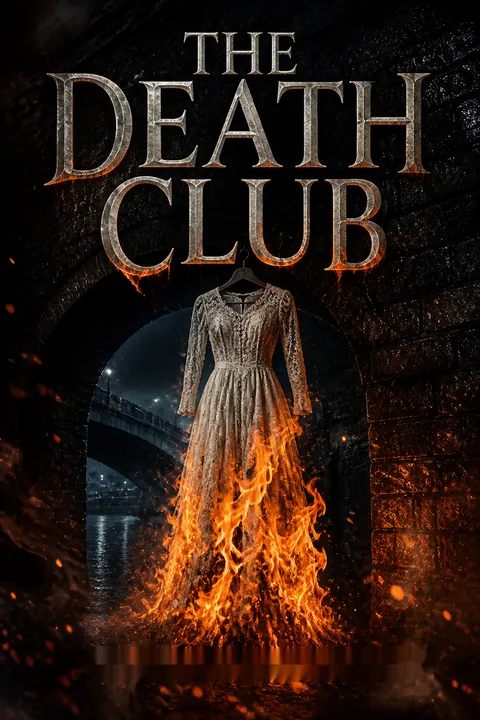
Brooklyn's attempt to comfort Niall by wearing his dead wife's wedding dress backfires, igniting a conflagration of grief and rage. Niall destroys the last remnants of his past, burning Ava's memory in a desperate bid for freedom. The act is both cathartic and devastating, severing the final tie to the man he once was. Brooklyn and Niall's relationship is forever changed, their connection deepened by shared pain but fractured by the impossibility of healing. The fire is both an ending and a beginning, a symbol of the destruction necessary for rebirth.
The Escape Attempt
Brooklyn, wounded by Niall's rejection and desperate to prove her worth, escapes into the night, determined to take revenge on her childhood tormentors. Her journey is a gauntlet of violence and self-discovery, each kill a step toward reclaiming her power. But freedom is fleeting—her actions draw the attention of the law, and she is captured, her fate once again in the hands of others. Niall and Mateo, forced into an uneasy alliance, set out to rescue her, their own demons driving them as much as any sense of loyalty.
The List of Vengeance
Brooklyn's kill list is both a manifesto and a confession, each name a chapter in her story of pain and retribution. Niall and Mateo become her avenging angels, each with their own reasons for embracing the darkness. The Death Club's purpose crystallizes—vengeance is their creed, violence their language. But the list is never complete; each kill brings only temporary relief, the ghosts of the past always waiting to return. The act of writing the names is both an assertion of agency and an admission of the endless cycle of violence that defines their lives.
The Psychiatric Hell
Brooklyn is returned to Eden Heights, the psychiatric hospital that broke her once before. Drugged, restrained, and tormented by sadistic staff, she is forced to confront her deepest fears. The institution is a microcosm of the world's cruelty, a place where power is wielded without mercy and hope is a liability. Brooklyn's only allies are the other inmates, each as broken and dangerous as she is. Her fight for freedom is both literal and psychological, a battle to retain her sense of self in a place designed to erase it.
Fire and Rescue
Niall and Mateo, united by their need to save Brooklyn, launch a violent assault on Eden Heights. Their methods are brutal—fire, blood, and mayhem their tools. The rescue is a testament to the power of found family, the willingness to burn the world for those you love. Brooklyn, aided by her own cunning and the chaos unleashed by her friends, escapes the institution, her freedom won through violence and sacrifice. The trio is reunited, their bond forged in the crucible of shared suffering.
The Final Reckoning
Brooklyn's journey comes full circle as she faces the ghosts of her past—her tormentors, her abusers, and the institutions that tried to break her. Each confrontation is a test of her resolve, her willingness to embrace the darkness that has always been her salvation. Niall and Mateo, too, must reckon with their own demons, their love for Brooklyn both a weakness and a source of strength. The final reckoning is not a victory, but a recognition of the cost of survival—the scars, the losses, and the unending hunger for vengeance.
The Death Club Reborn
The Death Club emerges from the ashes, its members bound by a loyalty deeper than blood. Brooklyn, Niall, and Mateo are no longer victims or outcasts—they are predators, united by a creed of violence and survival. Their future is uncertain, their pasts inescapable, but together they have found a purpose. The world may call them monsters, but they have claimed their own power, their own family, and their own place in the darkness. The story ends not with redemption, but with the promise of more blood, more vengeance, and the unbreakable bond of the Death Club.
Analysis
The Death Club is a brutal, unflinching exploration of trauma, violence, and the search for agency in a world that offers only pain. Caroline Peckham's narrative is a masterclass in psychological realism, using the conventions of dark romance and thriller to probe the deepest wounds of her characters. The novel's power lies in its refusal to offer easy redemption or simple answers—its protagonists are both victims and monsters, their relationships defined by cycles of betrayal, desire, and reluctant trust. The story's structure—alternating between moments of intimacy and violence, confession and spectacle—mirrors the psychological reality of trauma, where the past is never truly past and healing is always incomplete. The Death Club is ultimately a story about the possibility of found family, the way shared suffering can forge bonds deeper than blood. But it is also a warning: the cost of survival is high, and the hunger for vengeance can never truly be sated. In a world where monsters are made, not born, the only victory is to claim your own darkness—and to find others willing to walk through hell with you.
Review Summary
The Death Club is a darkly humorous romance featuring three psychopathic characters: Brooklyn, Niall, and Mateo. Readers praise the unique, chaotic narrative and memorable characters, particularly Brooklyn's unhinged personality. The slow-burn romance and intense chemistry between characters are highlights. However, some found the pacing slow and the characters too over-the-top. Overall, it's a divisive book that appeals to fans of dark, unconventional romances but may not suit everyone's tastes. The cliffhanger ending leaves readers eager for the sequel.
People Also Read

Characters
Brooklyn Meadow
Brooklyn is the heart of the story—a girl forged in trauma, violence, and betrayal. Her childhood was a crucible of abuse, neglect, and bullying, culminating in a night of vengeance that earned her the moniker "Bully Butcher." Brooklyn's psyche is a battleground between the need for connection and the instinct for self-preservation. She is both victim and predator, her humor a shield against the world's cruelty. Her relationships with Niall and Mateo are fraught with desire, rivalry, and the desperate need to be seen. Brooklyn's journey is one of reclaiming agency, embracing her darkness, and finding a twisted kind of family in the Death Club. Her development is marked by the struggle to trust, the hunger for vengeance, and the refusal to be defined by her past.
Niall O'Brien
Niall is the embodiment of violence and grief—a mob enforcer whose soul was shattered by the murder of his wife, Ava. His loyalty to his family is both a curse and a survival strategy, his every action a negotiation between duty and self-destruction. Niall's relationship with Brooklyn is a mirror of his own brokenness; he sees in her the same hunger for violence, the same refusal to be a victim. His rivalry with Mateo is both personal and professional, each man recognizing a kindred darkness in the other. Niall's development is a slow, painful process of letting go—of Ava, of the past, and of the illusion that redemption is possible. His love for Brooklyn is both a weakness and a salvation, forcing him to confront the possibility of hope in a world that has only ever offered him pain.
Mateo Ortega
Mateo is a former cartel fixer, a man whose life has been defined by violence, betrayal, and the relentless pursuit of power. His hatred for Niall is matched only by his fascination with Brooklyn, whom he sees as both a rival and a potential savior. Mateo's psyche is a labyrinth of trauma—abused by women in his youth, forged in the crucible of cartel politics, and broken by captivity. His relationship with Brooklyn is a dance of seduction, manipulation, and genuine connection, each recognizing the monster in the other. Mateo's development is marked by the struggle to reclaim agency, the hunger for freedom, and the willingness to burn the world for those he claims as his own.
Ava O'Brien
Ava is the absent center of Niall's world, her brutal murder the wound that defines him. She exists as memory, ghost, and unattainable ideal, her presence haunting every decision Niall makes. Ava's death is both a catalyst and a curse, the event that shattered Niall's soul and set him on a path of violence and self-destruction. Her memory is both a comfort and a torment, the standard by which Niall measures all other relationships. Ava's role is less as a character than as a symbol—the cost of love in a world ruled by violence.
Liam O'Brien
Liam is the head of the O'Brien family, a man whose power is built on blood, fear, and the ruthless enforcement of loyalty. His relationship with Niall is a study in control—demanding obedience, arranging marriages, and using his children as pawns in his endless games. Liam's presence is a constant reminder of the impossibility of escape, the weight of family as both curse and anchor. He is both father and enemy, the embodiment of the world's cruelty and the architect of Niall's suffering.
Penelope Weston
Penelope is the architect of Brooklyn's childhood torment, the girl who weaponized popularity and cruelty. Her betrayal is the wound that never heals, her role in Brooklyn's abuse both personal and symbolic. Penelope's eventual fate at Brooklyn's hands is both justice and tragedy, a reminder that the cycle of violence is never truly broken. She is both a product and a perpetrator of the world's cruelty, her death a necessary but hollow victory.
Andrew Fig
Andrew is the embodiment of the violence that shaped Brooklyn's life—a charming, handsome boy whose true nature is revealed in the woods. His actions are the catalyst for Brooklyn's transformation, the moment she becomes both victim and monster. Andrew's death is a reckoning, a moment of catharsis that is both satisfying and deeply unsettling. He is the face of the world's indifference, the reminder that monsters are made, not born.
Anastasia Novikov
Anastasia is Niall's arranged fiancée, a woman as trapped by family and circumstance as he is. Her beauty is both weapon and mask, her ambitions as ruthless as any man's. Anastasia's relationship with Niall is a study in power—each using the other, each aware of the impossibility of escape. She is both rival and mirror, a reminder that women in this world must be as cunning and ruthless as the men who would use them.
Madam Lucille
Lucille is the head nurse at Eden Heights, a woman whose power is built on the suffering of others. Her cruelty is both personal and institutional, her pleasure derived from the breaking of spirits. Lucille's role is to embody the world's indifference to suffering, the way institutions perpetuate violence under the guise of care. Her death is a moment of justice, but also a reminder that the system is bigger than any one person.
Angry Jack
Jack is a fellow inmate at Eden Heights, a man whose violence is both a symptom and a survival strategy. His alliance with Brooklyn is a testament to the power of shared suffering, the way trauma can forge unlikely bonds. Jack's role is to embody the possibility of resistance, the refusal to be broken by a system designed to destroy. He is both a warning and a promise—the line between monster and ally is always thin.
Plot Devices
Trauma as Identity
The novel's structure is built around the idea that trauma is not just a backstory, but the very foundation of identity. Each character is defined by their wounds—Brooklyn's abuse, Niall's loss, Mateo's captivity. The narrative uses flashbacks, confessions, and psychological introspection to reveal how pain becomes both armor and prison. The story's emotional arc is driven by the characters' attempts to reclaim agency, to turn their suffering into power, and to find meaning in a world that has only ever offered them pain.
Found Family and Twisted Loyalty
The Death Club is a family of choice, its members united by shared trauma and mutual need. The plot uses the trope of found family to explore the possibility of connection in a world where traditional bonds have failed. Loyalty is both a virtue and a weapon, each character testing the limits of trust and betrayal. The narrative structure alternates between moments of intimacy and violence, showing how love and hate are often two sides of the same coin.
Violence as Catharsis and Spectacle
Violence is not just a means to an end, but a language, a way of asserting agency and reclaiming power. The death games, the training sequences, and the acts of vengeance are all staged as spectacles, both for the characters and the reader. The plot uses these moments to explore the psychological effects of violence—the thrill, the guilt, the hunger for more. The narrative foreshadows each act of violence, building tension through repetition and escalation, and uses the aftermath to explore the cost of survival.
Seduction, Power, and Gender
Sexuality is a central plot device, used to explore the dynamics of power, trust, and betrayal. Brooklyn's seduction of Mateo, Niall's jealousy, and the constant negotiation of consent and control are all used to reveal the characters' deepest fears and desires. The narrative structure alternates between moments of intimacy and violence, showing how the two are often intertwined. The plot uses seduction as both a tool for survival and a source of danger, blurring the line between pleasure and pain.
Cycles of Trauma and Vengeance
The story is structured around the idea that violence begets violence, that the wounds of the past are never truly healed. Each act of vengeance is both a catharsis and a perpetuation of the cycle, each kill a step toward freedom that only leads to new chains. The plot uses foreshadowing, flashbacks, and confessions to show how the characters are trapped by their histories, and how the only way out is through. The narrative's emotional arc is a spiral, each turn bringing the characters closer to both destruction and understanding.
Dead Men Walking Series Series
About the Author
Other books by Caroline Peckham


Download PDF
Download EPUB
.epub digital book format is ideal for reading ebooks on phones, tablets, and e-readers.








































