

Plot Summary
Bloodlines and Bargains Forged
In a world where violence and betrayal are currency, six powerful mafia families, threatened by endless bloodshed, forge a desperate peace. The price: each must offer a daughter in marriage to a rival family, binding their fates and bloodlines. For the Hernandez and Moretti families, this means Lily, a Chicago mafia princess, will wed Alejandro, the stoic heir to a Mexican drug empire. The pact is cold, transactional, and leaves the daughters as pawns—sacrificed for a fragile hope of peace. The men see only business, but the women's lives are forever altered. The stage is set for a collision of tradition, power, and the unpredictable force of human emotion.
Sacrificial Bride, Reluctant Groom
Lily, intelligent and fiercely independent, is ripped from her academic life and thrust into a marriage she never wanted. Her wedding to Alejandro is a spectacle of opulence and control, conducted in a language she doesn't speak, surrounded by strangers. Alejandro, hard-edged and emotionally distant, is as much a prisoner of duty as she is. Their first moments together are awkward, charged with unspoken resentment and fear. Lily is sent away from her own wedding reception, a clear sign of her new role: an outsider in a dangerous world, her desires irrelevant. The emotional cost of the bargain begins to reveal itself.
Brothers, Guns, and Temptation
Escorted by Francisco, Alejandro's wild younger brother, Lily is introduced to the unpredictable dynamics of her new family. Francisco's irreverence and flirtation unsettle her, but also spark a dangerous attraction. Their banter is laced with threat and seduction, as Francisco tests Lily's boundaries and reveals the family's casual relationship with violence. Lily, trained to recognize danger, is both repelled and drawn in. The brothers' loyalty to each other is absolute, but their methods and morals are anything but clear. Lily's sense of self is challenged as she navigates this volatile new environment.
A Marriage of Strangers
Alone in a foreign city, Lily is forced to adapt quickly. She is given a room in Alejandro's penthouse, but the trappings of luxury cannot mask her captivity. The brothers' interactions are a mix of protectiveness and possessiveness, and Lily is acutely aware of her vulnerability. Her attempts to assert control—requesting to finish her degree, seeking small freedoms—are met with indifference or denial. The family's code is clear: obedience and appearances matter more than personal happiness. Lily's resilience is tested as she struggles to find agency within the gilded cage.
Seduction in the Shadows
The tension between Lily and Francisco erupts into a passionate encounter, breaking the unspoken rules of her marriage. Their connection is raw, fueled by mutual need and the thrill of rebellion. For Lily, the act is both a claim of autonomy and a dangerous gamble. Francisco, for all his bravado, reveals vulnerability and longing. Their intimacy is a secret, but in this world, secrets are never safe for long. The boundaries between loyalty, love, and betrayal begin to blur, setting the stage for deeper complications.
The Language of Survival
As Lily acclimates to her new life, she recognizes the importance of language—not just Spanish, but the unspoken codes of the mafia. She observes the staff, the security, and the subtle hierarchies that govern every interaction. Her intelligence and adaptability become her greatest assets. She forms uneasy alliances with Javier, the tattooed doctor brother, and even with the silent, traumatized housekeeper, Guadalupe. Each relationship is fraught with risk, but also offers glimpses of humanity beneath the hardened exteriors. Lily's survival depends on her ability to read danger and seize moments of connection.
Boundaries, Betrayals, and Brotherhood
The fragile peace within the Hernandez household is threatened by internal and external pressures. Alejandro's emotional distance masks deep wounds, while Francisco and Javier's affections for Lily complicate loyalties. The brothers' bond is strong, but their individual desires and traumas create fault lines. Lily's presence is both a balm and a catalyst, forcing each man to confront his own demons. The family's enemies are never far, and betrayal can come from within. The cost of trust becomes painfully clear as secrets surface and old wounds are reopened.
Dinner, Deals, and Deceptions
A tense dinner between Lily and Alejandro becomes a turning point. Alejandro reveals the trauma that has shaped him—abuse and impotence resulting from a childhood kidnapping. The marriage, he confesses, was designed to provide him with a wife for appearances, while his brothers fulfill her physical needs. Lily is stunned, but also moved by his vulnerability. They negotiate the terms of their relationship, agreeing to friendship, honesty, and mutual protection. The arrangement is unconventional, but in this world, survival often requires rewriting the rules.
The Unraveling of Trust
As Alejandro's business is sabotaged, suspicion falls on those closest to him. Shipments disappear, and trusted allies become potential traitors. The family's patriarch and uncle loom as menacing figures, their motives opaque. Lily's outsider perspective proves invaluable, as she helps Alejandro devise a methodical plan to root out the betrayer. The tension escalates, and the threat of violence becomes ever-present. Lily's role shifts from pawn to partner, her intelligence and courage earning her a place in the inner circle.
Violence, Vows, and Vulnerability
The Hernandez home is invaded by assassins, shattering any illusion of safety. Lily and Guadalupe hide, surviving by wit and luck. The aftermath is bloody and traumatic, but also galvanizing. Alejandro, Francisco, and Javier rally to protect Lily, their commitment to her—and to each other—strengthened by crisis. The violence exposes the family's vulnerabilities, but also their capacity for love and sacrifice. Lily's resilience inspires the brothers, and together they begin to envision a future built on more than fear.
The Enemy Within the Family
The investigation into the business sabotage uncovers a devastating truth: Alejandro's uncle, Ricardo, is the traitor. His motives are rooted in envy and a twisted sense of loyalty to his brother, the patriarch. The revelation is a blow to Alejandro, who must confront the reality that family is not always synonymous with trust. The confrontation is brutal, and the consequences are deadly. The family's code demands retribution, but the emotional toll is profound. Lily's support is crucial as Alejandro grapples with the cost of leadership.
Abduction and Endurance
Ricardo, aided by the broken housekeeper Guadalupe, abducts Lily, intent on "breaking" her as he once tried with Alejandro. Lily endures physical and psychological torture, drawing on her inner strength and the memory of those she loves to survive. Her ordeal is harrowing, but she refuses to be destroyed. The brothers, united in purpose, stop at nothing to find her, burning down their own assets and defying their father's orders. The family's enemies underestimate the power of love and loyalty, and the cost of underestimating Lily.
Rescue, Revenge, and Ruin
The rescue is violent and cathartic. Alejandro, Francisco, and Javier confront their father and uncle, dispensing justice without mercy. The patriarch is killed, and Ricardo is left to suffer at the hands of those he betrayed. Lily, battered but unbroken, is brought home. The family is forever changed—scarred by loss, but also forged anew by the fires of adversity. The cycle of violence is not ended, but a new order begins to take shape, one defined by the bonds of chosen family.
Healing, Forgiveness, and Fury
Lily's return is marked by pain, both visible and hidden. Javier tends to her wounds, Francisco offers unwavering devotion, and Alejandro, now fully in command, becomes her anchor. The process of healing is slow, complicated by guilt, anger, and the ghosts of trauma. Lily confronts her own need for vengeance, ultimately choosing to end Ricardo's life herself. The act is both closure and liberation, allowing her to reclaim agency and begin to forgive herself and those she loves. The family, too, must learn to forgive and move forward.
Love, Loyalty, and Liberation
With the old order destroyed, Alejandro, Francisco, and Javier redefine what it means to be a family. Their love for Lily is open, unapologetic, and fiercely protective. The boundaries of their relationships are redrawn, embracing the unconventional and rejecting the shame of secrecy. Lily, once a pawn, becomes a queen—her intelligence, courage, and compassion earning her the respect and devotion of all three men. Together, they build a life that honors the past but is not bound by it.
The Queen Among Wolves
No longer content to be a bystander, Lily takes an active role in the family's affairs. She finishes her degree, helps modernize the business, and becomes a symbol of strength for the women around her. The family's enemies learn to fear her as much as the men. The brothers support her ambitions, and together they create a new legacy—one that values love, loyalty, and intelligence as much as power. Lily's journey from victim to victor is complete.
A New Order Rises
The Hernandez brothers, with Lily at their side, emerge as unchallenged leaders. Their enemies are vanquished, their allies loyal, and their love for each other unbreakable. Publicly, they claim Lily as their own, defying tradition and daring anyone to challenge their union. The family's reputation is transformed, and a new era begins—one where strength is measured not just by violence, but by the capacity to love and protect. The scars of the past remain, but they are worn as badges of survival.
Happily Ever After, Redefined
In the aftermath of chaos, Lily and her men find peace—not in the absence of danger, but in the strength of their bond. They celebrate their unconventional love openly, refusing to hide or apologize. Lily's family, once complicit in her sacrifice, comes to respect her choices. The future is uncertain, but for the first time, hope outweighs fear. Together, they have rewritten the rules of their world, proving that even in the darkest places, love can take root and flourish. Their happily ever after is hard-won, imperfect, and utterly their own.
Analysis
Gunmetal Lily is a dark, contemporary mafia romance that subverts and reimagines the genre's conventions. At its core, the novel is a meditation on power—who wields it, who suffers under it, and how it can be reclaimed. Through Lily's journey, the story interrogates the cost of survival in a world built on violence and the ways in which love can both wound and heal. The reverse harem structure challenges traditional notions of fidelity and possession, offering a vision of partnership rooted in mutual respect and shared trauma. The novel's treatment of trauma is unflinching, refusing to romanticize suffering but also refusing to let it define the characters' futures. Ultimately, Gunmetal Lily is about the possibility of forging new identities and new families in the ashes of the old. It suggests that true strength lies not in domination, but in vulnerability, connection, and the courage to rewrite the rules. The story's lessons are clear: love is a risk, but it is also the only path to liberation. In a world where everyone is both hunter and hunted, the greatest victory is to choose one's own fate—and to do so surrounded by those who would burn the world to keep you safe.
Review Summary
Gunmetal Lily receives mixed reviews, with an average rating of 3.83/5. Readers appreciate the strong female lead, fast-paced plot, and unique take on the mafia romance genre. Many enjoy the reverse harem elements and character dynamics. However, some criticize the rushed relationships, inconsistencies with the series timeline, and lack of character development. The book is praised for its steamy scenes and refreshing approach to the arranged marriage trope, but criticized for plot holes and pacing issues. Overall, it's considered an entertaining addition to the Mafia Wars series.
People Also Read





Characters
Lily Moretti Hernandez
Lily is the daughter of a powerful Chicago mafia family, raised with privilege, intelligence, and a keen sense of self-preservation. Forced into marriage as part of a peace pact, she is initially a pawn—isolated, resentful, and determined to retain her autonomy. Her psychological journey is one of transformation: from victim to survivor, from outsider to leader. Lily's resilience, wit, and empathy allow her to navigate the treacherous world of the Hernandez family, forging deep connections with Alejandro, Francisco, and Javier. Her trauma—both past and present—shapes her, but never defines her. Ultimately, Lily becomes the heart of the family, her love and strength binding the brothers together and redefining what it means to be powerful in a world ruled by men.
Alejandro Hernandez
Alejandro is the eldest Hernandez son, groomed from childhood to inherit the family's criminal empire. Stoic, disciplined, and emotionally scarred, he is shaped by a traumatic kidnapping and abuse that left him impotent and distrustful. His marriage to Lily is a duty, not a choice, and he initially keeps her at arm's length. Alejandro's psychological armor hides deep vulnerability and a longing for connection. Through Lily's compassion and the loyalty of his brothers, he learns to trust, love, and ultimately reclaim his own agency. As the family's leader, he is ruthless with enemies but fiercely protective of those he loves. His journey is one of healing, as he moves from isolation to intimacy, and from survivor to sovereign.
Francisco Hernandez
The youngest Hernandez brother, Francisco is wild, impulsive, and magnetic. His outward bravado masks a deep need for acceptance and love. Francisco's relationship with Lily is electric—marked by flirtation, passion, and genuine affection. He is fiercely loyal to his brothers, but often feels underestimated or overlooked. Francisco's psychological complexity emerges as he confronts his own capacity for violence and tenderness. His willingness to risk everything for Lily, even his own life, reveals a core of integrity and courage. Over time, Francisco matures, embracing responsibility and finding purpose beyond chaos.
Javier Hernandez
Javier, the middle brother, is a study in contrasts: a doctor with a face tattoo, a man of science in a world of brutality. He is calm, methodical, and deeply empathetic, serving as the family's medic and moral compass. Javier's relationship with Lily is built on mutual respect, intellectual connection, and a shared understanding of pain. He struggles with the duality of his nature—capable of great kindness and great violence. Javier's loyalty to his family is unwavering, but he is not afraid to challenge Alejandro or Francisco when necessary. His love for Lily is steady and sustaining, providing her with a safe harbor in the storm.
Miguel Hernandez (Father)
Miguel is the head of the Hernandez family, a man for whom loyalty and profit outweigh all else. He is cold, calculating, and emotionally distant, viewing his children as assets rather than individuals. Miguel's willingness to sacrifice Lily and his own sons for the sake of business reveals a profound moral bankruptcy. His eventual betrayal and death are the inevitable consequences of a life built on fear and control. Miguel's legacy is both a cautionary tale and a catalyst for his children's transformation.
Ricardo Hernandez (Uncle)
Ricardo is Miguel's brother and Alejandro's uncle, a man consumed by envy and resentment. His outward loyalty masks a deep-seated desire for power and recognition. Ricardo's betrayal is both personal and political, as he orchestrates the sabotage of the family business and the abduction of Lily. His psychological profile is that of a sociopath—manipulative, remorseless, and ultimately self-destructive. Ricardo's downfall is a testament to the dangers of unchecked ambition and the corrosive effects of jealousy.
Guadalupe
Guadalupe is the family's long-serving housekeeper, her lips literally sewn shut as a symbol of her trauma and loyalty. She is both victim and accomplice, manipulated by Ricardo and complicit in Lily's abduction. Guadalupe's presence is a constant reminder of the cost of silence and the ways in which women are used and discarded in this world. Her fate is tragic, but her story serves as a warning and a call to empathy.
Salvatore Moretti (Lily's Brother)
Salvatore is Lily's eldest brother, responsible for her upbringing after their father's death. His decision to sacrifice Lily for the family's survival is both pragmatic and devastating. Salvatore's love is real, but his actions are shaped by the same patriarchal logic that governs the mafia. His relationship with Lily is strained, marked by guilt, regret, and a longing for forgiveness.
Armani Moretti (Lily's Brother)
Armani is Lily's closest sibling, her confidant and ally. His inability to protect her from the family's machinations is a source of deep shame. Armani's love for Lily is genuine, but ultimately powerless in the face of tradition and necessity. His attempts to reconnect with her after her ordeal are fraught with unresolved emotion.
The Mafia Wives
The wives of the Hernandez lieutenants are a chorus of ambition, envy, and survival. They serve as both foils and potential friends for Lily, reflecting the limited options available to women in this world. Their interactions with Lily are marked by competition, camaraderie, and the ever-present threat of betrayal.
Plot Devices
Arranged Marriage as Power Play
The central plot device is the forced marriage between Lily and Alejandro, a union designed to end a cycle of violence between rival families. This arrangement is both a literal and symbolic sacrifice, turning women into bargaining chips. The marriage sets the stage for all subsequent conflicts—personal, political, and emotional—forcing characters to navigate the tension between duty and desire.
Reverse Harem Structure
The novel employs a reverse harem dynamic, with Lily forming intimate relationships with all three Hernandez brothers. This structure subverts traditional mafia romance tropes, allowing for a nuanced exploration of love, loyalty, and power. The brothers' willingness to share Lily is both a practical solution to Alejandro's trauma and a radical act of solidarity. The arrangement challenges notions of possession and fidelity, creating space for genuine connection and healing.
Trauma and Healing
The narrative is driven by the characters' responses to trauma—kidnapping, abuse, betrayal, and violence. Each character's journey is shaped by their ability to confront, process, and ultimately transcend their wounds. Healing is depicted as a communal process, requiring vulnerability, trust, and the willingness to rewrite old scripts. The novel uses flashbacks, confessions, and moments of intimacy to reveal the psychological scars that drive behavior.
Betrayal and Internal Sabotage
The plot is propelled by acts of betrayal, both personal and professional. The revelation that Alejandro's uncle is the saboteur underscores the theme that danger often comes from those closest to us. The use of methodical investigation, process of elimination, and strategic deception highlights the importance of intelligence and adaptability in a world where trust is a luxury.
Female Agency and Empowerment
Lily's evolution from sacrificial bride to powerful partner is a key narrative device. Her intelligence, courage, and refusal to be broken challenge the patriarchal order. The novel uses her perspective to critique the ways in which women are commodified, while also celebrating their capacity for resilience and leadership. Lily's ultimate act of vengeance—killing Ricardo herself—serves as both closure and a reclamation of agency.
Cycles of Violence and Redemption
The story is structured around cycles of violence—betrayal, revenge, and retribution. Each act of brutality is met with an act of love or forgiveness, suggesting that redemption is possible, but never easy. The narrative uses foreshadowing, parallelism, and symbolic acts (such as burning down the family home) to illustrate the possibility of transformation.
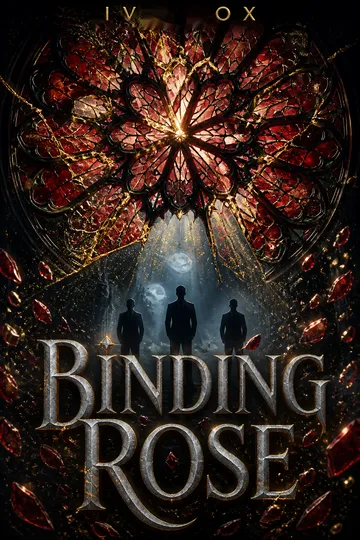
Mafia Wars Series Series








Download PDF
Download EPUB
.epub digital book format is ideal for reading ebooks on phones, tablets, and e-readers.








































