
Plot Summary
Secrets Beneath the Parlor Table
In 1925, young Ruby Thornhill hides beneath the parlor table at Wind Thorne, her family's grand estate in upstate New York, recording the secrets and hypocrisies of her relatives and their guests. The house is alive with preparations for her sister Elizabeth's wedding, but beneath the glittering surface, tensions simmer—especially with the presence of Uncle Peter, a damaged war veteran whose cruelty and volatility cast a shadow over the household. Ruby's observations, both innocent and sharp, reveal the fractures in her family and the dangers lurking just out of sight. Her longing for connection and fear of abandonment are palpable, especially as she clings to her sister and dreads the changes marriage will bring. The chapter sets the tone for a story where innocence collides with the dark realities of adulthood.
A Legacy Unearthed
In the present day, Lindsey McKenna arrives at her aunt's house near Wind Thorne, the estate her family unexpectedly inherited. The estate, now a museum, is steeped in history and unresolved trauma, both personal and collective. Lindsey, still grieving her mother's death and estranged from her father, is drawn into the estate's mysteries while helping with an antique show. The house's grandeur and the weight of its past evoke memories of her mother's fascination with Wind Thorne. Lindsey's interactions with her aunt Petra and the charming gemologist Otis hint at new beginnings, but also at the unresolved wounds and secrets that continue to haunt the family. The chapter introduces the dual timeline structure and the emotional stakes of uncovering the past.
Blood on the Stairs
During Elizabeth's engagement party, a scream interrupts the festivities. Ruby witnesses the aftermath: Indira, a beloved servant, lies dead at the bottom of the stairs, her head twisted and blood pooling beneath her. The family quickly covers up the incident, blaming Indira's clumsiness, but Ruby's keen eye notices inconsistencies and her mother's lies to the police. The revelation that Indira was pregnant adds another layer of tragedy. Ruby's world is upended as she confronts the reality of violence, complicity, and the limits of her own power. The event marks the end of her childhood innocence and sets her on a path of questioning loyalty, justice, and the true nature of her family.
Inheritance and Estrangement
Lindsey's present-day narrative deepens as she learns more about her family's inheritance of Wind Thorne and the emotional fallout from her mother's death. The estate's history is intertwined with her own, and the discovery of a diary from a former servant, Amrita's mother, adds complexity. Lindsey's strained relationship with her father and brother is mirrored in her aunt's cautious stewardship of the estate. The chapter explores themes of legacy, grief, and the ways families both protect and wound each other. Lindsey's growing connection with Otis and her determination to uncover the truth about Wind Thorne's past signal a shift from passive mourning to active engagement with her history.
Flight to the City
Haunted by Indira's death and threatened by Uncle Peter, Ruby conspires with Chester Mensley, the neighbor boy, to flee Wind Thorne. Disguised as a boy, Ruby joins Chester on a train to New York City, leaving behind her family, privilege, and the only home she's ever known. Their journey is fraught with fear, uncertainty, and the thrill of freedom. In the city, they struggle to survive, searching for Chester's missing brother and navigating the dangers of poverty and anonymity. Ruby's resourcefulness and determination are tested as she confronts the realities of life without a safety net. The chapter captures the exhilaration and terror of breaking away from the past.
The Governess's Disguise
In New York, Ruby and Chester secure positions as servants in a wealthy household, the Wellsleys. Ruby adopts the guise of a governess, writing home with fabricated tales of adventure and sophistication. The work is grueling, the conditions harsh, and the camaraderie among servants both a comfort and a reminder of her lost status. Ruby's friendship with Millie and her evolving relationship with Chester provide solace, but the constant threat of exposure and the guilt of her deception weigh heavily. The chapter explores themes of identity, adaptation, and the blurred lines between survival and integrity.
Servants and Sins
Ruby's experiences as a servant deepen her empathy for those she once overlooked. She witnesses the exploitation and suffering of her fellow workers, many of whom are immigrants trapped by debt and false promises. The discovery of a hidden group of servants living in squalor beneath Wind Thorne's tunnels reveals the extent of her family's complicity in human trafficking. Ruby's growing awareness of systemic injustice forces her to confront her own privilege and the moral imperative to act. The chapter is a turning point, as Ruby resolves to help the servants escape, even at great personal risk.
The Diary's Revelation
Lindsey's research leads her to a hidden safe in Wind Thorne's library, guided by clues from Ruby's diary. With Otis's help, she discovers a trove of historical documents, jewelry, and the legendary diamond ring—though it appears to be a replica. The diary's confessions reveal Ruby's role in the servants' escape and her love for Chester. Lindsey's emotional connection to Ruby deepens as she recognizes parallels between their struggles for agency, justice, and belonging. The chapter weaves together past and present, showing how the act of bearing witness can be a form of redemption.
The Cost of Survival
As the Great Depression tightens its grip, both the Thornhill and Mensley families face starvation and ruin. Ruby's return to Wind Thorne is marked by illness, estrangement, and the collapse of her family's fortunes. The farm's reliance on illegal whiskey and the exploitation of servants become unsustainable. Ruby's attempts to reconcile with her sister and mother are fraught with pain and misunderstanding. The chapter highlights the personal and collective costs of survival in a world where the old rules no longer apply, and where doing the right thing often comes at a terrible price.
Tunnels of Despair
Ruby and Chester discover a group of servants imprisoned in the tunnels beneath Wind Thorne, victims of Peter's trafficking scheme. The revelation is devastating, shattering any remaining illusions about her family's innocence. Ruby's confrontation with Annabelle, a young servant, confirms the extent of the exploitation. The moral urgency to act becomes overwhelming, and Ruby and Chester begin to plan a daring escape for the servants. The chapter is a harrowing exploration of complicity, courage, and the possibility of redemption through collective action.
The Ring's Disappearance
The fate of the legendary diamond ring becomes a symbol of loss, longing, and the tangled web of family secrets. Ruby's theft of the ring sets off a chain of events that leads to Indira's death, Chester's sacrifice, and the unraveling of the Thornhill legacy. In the present, Lindsey's discovery of the ring's inscription and its connection to her own family raises questions about inheritance, identity, and the ways the past shapes the present. The ring's journey—from a token of love to an object of betrayal and, finally, to a reclaimed heirloom—mirrors the characters' search for meaning and closure.
Family, Forgiveness, and Betrayal
Both timelines converge on themes of forgiveness and the limits of loyalty. Ruby's confession to Elliot about her role in Indira's death and Elliot's admission of his own guilt create a space for mutual forgiveness and the possibility of healing. In the present, Lindsey's reconciliation with her father reveals the hidden struggles and sacrifices that shaped their estrangement. The chapter underscores the necessity of confronting painful truths in order to move forward, and the ways in which love and forgiveness can break cycles of harm.
The Safe in the Library
A break-in at Lindsey's aunt's house and the attempted theft of the safe's contents at Wind Thorne bring the story's tensions to a head. Lindsey's suspicion of Otis and the revelation of Amrita's true motives force her to confront her own capacity for trust and vulnerability. The safe, once a symbol of hidden history, becomes a battleground for control over the narrative of the past. The chapter is a suspenseful meditation on the dangers of secrecy and the importance of safeguarding both material and emotional legacies.
The Past Comes Alive
Ruby's plan to free the servants culminates in a night of violence and loss. As the escape unfolds, gunfire erupts, and Chester is fatally wounded. The trauma of his death and the subsequent massacre of the Thornhill family mark the end of an era and the beginning of Ruby's exile. The chapter is a powerful depiction of the costs of resistance, the unpredictability of justice, and the ways in which personal and historical tragedies are intertwined.
Escape in the Snow
Fleeing the destruction of Wind Thorne, Ruby finds refuge with strangers and gives birth to Chester's child. Her decision to assume a new identity and raise her daughter in secrecy is both an act of self-preservation and a testament to her resilience. The chapter explores the possibility of starting anew, even in the aftermath of unimaginable loss. Ruby's story becomes a hidden thread in the tapestry of Wind Thorne's history, waiting to be rediscovered by future generations.
The Price of Freedom
The aftermath of the servants' escape and the Thornhill family's downfall reverberate through the community. Ruby's guilt over her role in the tragedy is compounded by the knowledge that justice is incomplete and that cycles of exploitation persist. In the present, Lindsey's research uncovers the extent of Wind Thorne's involvement in trafficking and the ways in which silence and denial enabled injustice. The chapter is a sobering reflection on the costs of freedom and the ongoing struggle for accountability.
The Truth About Annabelle
Lindsey's investigation leads her to the realization that her great-grandmother Annabelle was, in fact, Ruby, living under an assumed identity to protect herself and her child. The revelation reframes the family's history, transforming Ruby from a tragic figure into a survivor and a hero. The chapter is a celebration of hidden strength, the power of storytelling, and the ways in which the past can be reclaimed and reinterpreted.
The Last Collection
Lindsey discovers her mother's final jewelry collection, inspired by Wind Thorne and containing the long-lost diamond ring. The act of creating and sharing art becomes a means of healing, connection, and honoring the women who came before her. Lindsey's reconciliation with her father and her decision to use her mother's work to support victims of trafficking signal a new chapter for the family and the estate. The chapter is a testament to the enduring power of creativity and the possibility of transformation.
Reconciliation and Renewal
The story concludes with Lindsey and her father forging a new relationship, grounded in honesty and mutual respect. The legacy of Wind Thorne is reimagined as a site of remembrance, justice, and hope. Lindsey's partnership with Otis and her commitment to using her inheritance for good reflect the lessons learned from Ruby's courage and sacrifice. The final image is one of light breaking through darkness, as the past is honored and the future embraced.
Analysis
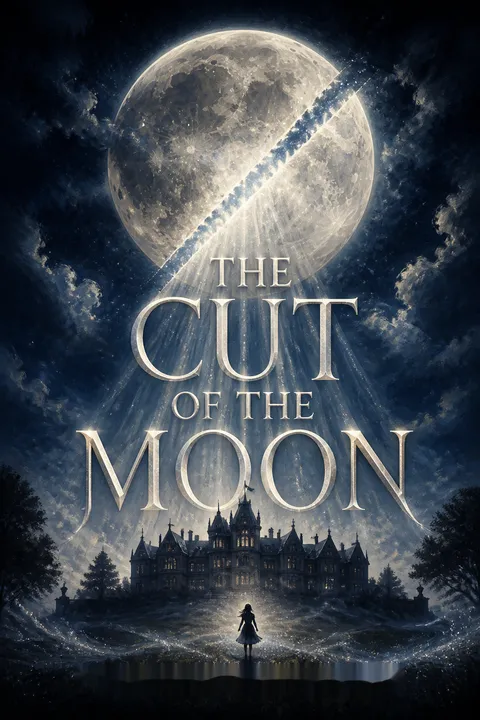
The Cut of the Moon is a sweeping, multi-generational novel that interrogates the legacies of privilege, exploitation, and resilience. By weaving together the stories of Ruby Thornhill—a young woman forced to confront the darkness within her own family—and Lindsey McKenna—a modern descendant seeking to reconcile with her past—the novel offers a nuanced exploration of how history shapes identity and the possibility of redemption. Through its dual timeline, the book exposes the hidden costs of wealth and the ways in which silence and complicity enable injustice. The use of personal artifacts—diaries, jewelry, art—serves as a reminder that history is not only written in official records but also in the intimate, everyday acts of resistance and remembrance. Ultimately, the novel argues that healing requires both the courage to face uncomfortable truths and the willingness to act on behalf of others. The lessons of The Cut of the Moon are timely and universal: that love and justice are inseparable, that forgiveness is both necessary and fraught, and that the past, no matter how painful, can be transformed into a source of strength and hope for the future.
People Also Read

Characters
Ruby Thornhill
Ruby is the youngest daughter of the Thornhill family, whose journey from sheltered privilege to self-sacrificing advocate forms the emotional core of the novel. Initially a keen observer, Ruby's innocence is shattered by violence and betrayal within her family. Her flight to New York and subsequent life as a servant expose her to the realities of exploitation and injustice, deepening her empathy and resolve. Ruby's love for Chester and her determination to free the trafficked servants at Wind Thorne mark her transformation from passive witness to active agent of change. Her ultimate survival, reinvention as Annabelle, and legacy as Lindsey's great-grandmother underscore the novel's themes of resilience, forgiveness, and the redemptive power of truth.
Lindsey McKenna
Lindsey is a data analyst and the present-day protagonist, whose return to Wind Thorne is both a personal and historical reckoning. Haunted by her mother's death and estranged from her father, Lindsey's quest to uncover the estate's secrets mirrors her search for identity and connection. Her analytical mind and emotional vulnerability drive the investigation into Ruby's past, while her evolving relationships with her aunt Petra and Otis provide support and challenge. Lindsey's journey from passive grief to active engagement with her family's legacy is marked by moments of doubt, courage, and ultimately, reconciliation. Her decision to use her inheritance for justice and healing reflects her growth and the novel's call to action.
Chester Mensley
Chester is Ruby's childhood friend and eventual lover, whose loyalty, humor, and resourcefulness make him both a partner in survival and a symbol of lost potential. His willingness to risk everything for Ruby and the servants at Wind Thorne is both his greatest strength and his undoing. Chester's death during the escape is a devastating loss, but his legacy endures through Ruby and their child. His character embodies the costs of courage and the complexities of love in a world marked by injustice.
Otis Allen
Otis is Lindsey's contemporary counterpart to Chester—a gemologist whose expertise and warmth help Lindsey navigate both the mysteries of Wind Thorne and her own emotional landscape. His patience, humor, and integrity provide a safe space for Lindsey to confront her fears and vulnerabilities. Otis's partnership with Lindsey is marked by mutual respect, intellectual curiosity, and a shared commitment to truth. He represents the possibility of new beginnings and the healing power of love.
Elizabeth Thornhill
Elizabeth is Ruby's older sister, whose impending marriage and subsequent suffering reflect the constraints and dangers faced by women in their era. Her relationship with Ruby is a source of comfort and pain, marked by moments of deep connection and devastating misunderstanding. Elizabeth's complicity in the family's crimes and her inability to protect herself or others highlight the limits of agency in a patriarchal world. Her fate is a reminder of the collateral damage of silence and denial.
Uncle Peter
Peter is a complex figure—traumatized by war, addicted, and ultimately responsible for the trafficking operation at Wind Thorne. His initial role as a menacing presence in Ruby's life evolves into that of a tragic villain, whose actions are both a product of personal pain and moral failure. Peter's relationship with Indira and his betrayal by his family add layers of pathos to his character, but his inability to break the cycle of harm makes him a cautionary figure.
Annabelle Rakoto
Annabelle is initially introduced as a servant at Wind Thorne and later revealed to be Ruby herself, living under an assumed identity. Her story embodies the erasure and resilience of those exploited by the powerful. Annabelle's kindness, intelligence, and eventual escape are a testament to the strength of the human spirit. Her legacy, preserved through Lindsey's research, reframes the family's history and offers a model of survival and reinvention.
Elliot Mensley
Elliot is Chester's brother, whose guilt over his role in Indira's death and his subsequent support of Ruby and her child make him a figure of both tragedy and redemption. His confession to Ruby and his offer of marriage are acts of atonement, reflecting the novel's emphasis on forgiveness and the possibility of healing even after profound harm.
Aunt Petra
Petra is Lindsey's aunt and the caretaker of Wind Thorne, whose pragmatic wisdom and emotional intelligence provide stability in the face of chaos. Her commitment to preserving the estate's history and supporting Lindsey's quest for truth make her a vital ally. Petra's own struggles with grief and responsibility mirror those of the other women in the novel, highlighting the intergenerational nature of trauma and resilience.
Amrita / Tabitha Moraney
Amrita, later revealed as Tabitha Moraney, is a complex antagonist whose quest for the diamond ring and connection to the trafficked servants at Wind Thorne drive much of the present-day suspense. Her duplicity, rooted in her father's exploitation by the Thornhills, makes her both a victim and a perpetrator. Amrita's actions force Lindsey to confront the ongoing consequences of historical injustice and the dangers of unchecked entitlement.
Plot Devices
Dual Timeline Structure
The novel employs a dual timeline, alternating between Ruby's coming-of-age in the 1920s–1930s and Lindsey's contemporary investigation. This structure allows for dramatic irony, as the reader uncovers secrets alongside the protagonists, and for thematic resonance, as the struggles of one generation echo in the next. The interplay between timelines creates suspense, deepens character development, and underscores the enduring impact of historical trauma.
The Hidden Diary
Ruby's diary serves as both a literal and metaphorical key to unlocking Wind Thorne's secrets. Its confessions, observations, and coded messages guide Lindsey's research and provide an intimate window into the past. The diary's existence raises questions about whose stories are preserved, whose are erased, and how personal narratives can challenge official histories.
The Missing Diamond Ring
The diamond ring is a central plot device, representing the intertwined fates of the Thornhill and Mensley families. Its disappearance, replication, and eventual rediscovery mirror the characters' search for truth and belonging. The ring's journey through theft, betrayal, and reclamation encapsulates the novel's themes of inheritance, justice, and the possibility of redemption.
Foreshadowing and Suspense
From the opening scenes of secrets and surveillance to the climactic escape and massacre, the novel uses foreshadowing to create a sense of impending doom. The gradual unveiling of family crimes, the threat of exposure, and the uncertainty of survival keep the reader engaged and emotionally invested. Suspense is heightened by the characters' limited knowledge and the ever-present danger of betrayal.
Intergenerational Trauma and Healing
The novel explores how trauma, guilt, and silence are passed down through generations, shaping identities and relationships. The characters' efforts to break these cycles—through confession, forgiveness, and acts of courage—form the emotional heart of the story. Healing is depicted as a collective, ongoing process, requiring both personal reckoning and communal action.
Download PDF
Download EPUB
.epub digital book format is ideal for reading ebooks on phones, tablets, and e-readers.








































