
Plot Summary
Blood and Chains
In the rain-soaked Latari Forest, young Simon's life is shattered when Travelers from rival Territories murder his parents. Indirial, a Valinhall Traveler, intervenes, saving Simon and planting the seeds of vengeance and power. Haunted by loss and the memory of chains—both literal and metaphorical—Simon's journey begins with blood, guilt, and the promise of strength. The world is one of Territories, each with unique powers and costs, and Simon's fate is bound to Valinhall, a place of cold steel, shadowy advisors, and the ever-present threat of Incarnation. The trauma of this night will echo through every choice he makes, forging him into a weapon shaped by pain and the hope of never being powerless again.
Swords in the Rain
Years later, Simon is a Valinhall Traveler, struggling to master the House's deadly rooms and the powers within. He is joined by others—Andra, Lycus, and the Agnos family—each bearing their own wounds from the world's conflicts. The House is a place of relentless tests: rain gardens, healing pools, and sword forms that demand perfection. Simon's scars, both physical and emotional, are reminders of past failures and the cost of survival. The House's dolls, his advisors, offer cryptic guidance and biting humor, but true mastery remains elusive. Simon's ambition is fueled by the memory of helplessness, driving him to become strong enough to protect others—and himself—from the world's cruelty.
Royal Shadows Stir
In the royal palace, Leah, an Heiress with secrets, navigates a web of ambition, betrayal, and deadly politics. Her siblings, especially Talos and Adessa, plot for the throne, each willing to spill blood for power. An assassination attempt on King Zakareth is foiled by Indirial's brutal efficiency, revealing the razor's edge on which the kingdom balances. Leah's own loyalties are tested as she spies, manipulates, and records every move, determined to survive and shape the future. The royal family's legacy is one of sacrifice and ruthlessness, and Leah must decide what she is willing to become to claim her place in the succession.
Incarnation Unleashed
Deep in the Badari Desert, Kai, a master of Valinhall, retrieves Mithra, the legendary Dragon's Fang, only to witness the unraveling of the world's fragile balance. The Hanging Tree, a living prison for the Incarnation of Valinhall—Valin, the Wanderer—weakens and dies. The Eldest Nye, shadowy and manipulative, orchestrates Valin's release, unleashing a force of nature upon the world. Kai's loyalty and guilt are tested as he faces his former mentor, now a monster of chains and steel. The Incarnation's awakening signals the end of an era, as the boundaries between Territories and the world begin to blur, and the cost of power becomes terrifyingly clear.
Broken Alliances
As the Incarnation of Valinhall carves a path of destruction, alliances fracture. Indirial, Denner, and Kai scramble to contain the threat, while Simon is drawn into the heart of the conflict. The Grandmasters of Enosh, sensing opportunity, plot to destroy the Hanging Trees and free more Incarnations, believing this will end Damasca's bloody sacrifices. Alin, the Elysian Traveler, is celebrated as a hero but struggles with the burden of leadership and the ambiguity of right and wrong. Old friendships are tested, and new betrayals emerge, as each character must choose between loyalty, survival, and the greater good.
The Grandmasters' Gambit
In Enosh, the Grandmasters convene, debating how to exploit the chaos. Simon, mistrusted and out of place, is drawn into their schemes by Alin's insistence. The council is a theater of power, with each Grandmaster representing a Territory and its unique agenda. The plan: attack the Overlords, destroy the Trees, and unleash the Incarnations. But trust is scarce, and every alliance is a potential betrayal. Simon's presence is both a threat and a hope, as the Grandmasters weigh the risks of using a Valinhall Traveler against the dangers of leaving him unchecked. The stage is set for a war that will reshape the world.
Masks and Motives
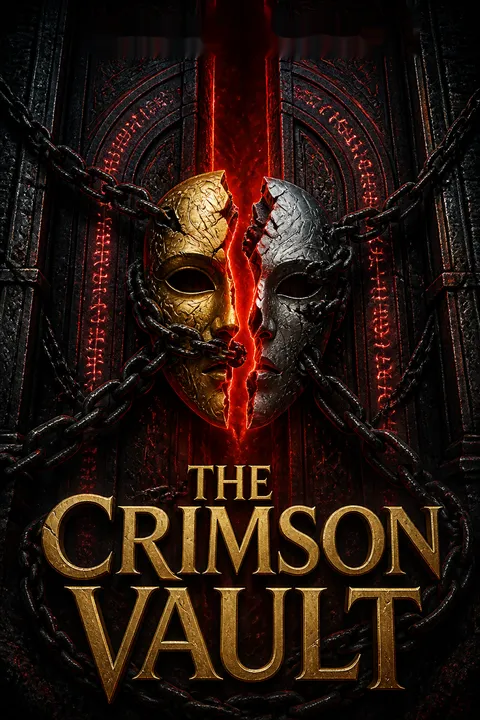
Simon survives an assassination attempt by Naraka's Gar'rosh, saved only by Kai's timely intervention. The House's powers and the dolls' guidance prove both blessing and curse. Meanwhile, Leah's double life as a royal and a villager is exposed, shattering Simon's trust and forcing both to confront the lies that have defined them. The mask—both literal and figurative—becomes a symbol of the costs of power and the dangers of hidden motives. As the lines between friend and foe blur, Simon and Leah must decide who they truly are, and what they are willing to sacrifice for their chosen causes.
Betrayal in the Vault
The Grandmasters' assault on Damasca culminates in a bloody battle within the Crimson Vault, the heart of Ragnarus' power. King Zakareth, wielding artifacts of unimaginable strength, faces the invaders with lethal precision. Talos' betrayal is revealed, and the cost of ambition is paid in blood. The Vault becomes a crucible, testing the resolve and morality of all who enter. Alin, torn between heroism and vengeance, is forced to confront the true nature of sacrifice. The Vault's doors close on a kingdom forever changed, as the seeds of future conflict are sown in the ashes of the old order.
The Crimson Ascendant
With the destruction of the Hanging Trees, multiple Incarnations are unleashed: Naraka, Endross, Ornheim, and Ragnarus. The world trembles as these forces of nature rampage, each embodying the raw, unchecked power of their Territory. Leah, now Queen, inherits a kingdom on the brink, her father slain and her brother dead. Simon, exhausted and haunted, becomes a reluctant hero, while Alin, transformed by Elysia's power, teeters on the edge of Incarnation himself. The Crimson Vault's legacy is one of blood and fire, and the survivors must reckon with the consequences of their choices as the world descends into chaos.
Duel of Destinies
Empowered by a mask forged from Ragnarus and Valinhall, Simon faces the Incarnation in a battle that shatters the boundaries of possibility. The duel is a storm of steel, speed, and will, each combatant pushing the limits of their power and sanity. The mask's seductive strength threatens to consume Simon, echoing Valin's own fall. Only the intervention of Leah, wielding the authority of Ragnarus, and the guidance of the House's dolls, allows Simon to break the cycle. The duel ends not with triumph, but with exhaustion and the sobering realization of what it means to wield—and survive—such power.
The Gates Unbarred
Alin, desperate to save his sisters from the Naraka Incarnation, opens the Orange District's door and becomes something more than human. The City of Light pours forth its armies, and Alin's mastery of Elysia's virtues grants him overwhelming strength. Yet the cost is steep: the boundaries between heroism and Incarnation blur, and Alin's humanity is at risk. The Gates of Heaven open, but mercy and justice become weapons as much as virtues. The world witnesses the birth of a new kind of power, one that may save or doom them all, depending on the choices of those who wield it.
Incarnations Awakened
The destruction of the Trees triggers a cascade: Incarnations of Naraka, Endross, Ornheim, and Ragnarus are freed, each bringing their own brand of devastation. Cities burn, armies fall, and the old order collapses. Grandmaster Naraka, driven by her own vision of justice, manipulates events to ensure the Incarnations' freedom, even as the consequences spiral beyond her control. The balance of power is shattered, and the survivors must navigate a landscape where gods walk and the rules of the world are rewritten. The age of sacrifice ends, but the age of Incarnations has only begun.
The Queen's Burden
With her father dead and her brother slain, Leah becomes Queen of Damasca. The weight of the crown is heavy, and the responsibilities are overwhelming. She must rally the remnants of her people, forge new alliances, and confront the unleashed Incarnations. The House of Blades becomes a refuge and a war room, as Leah, Indirial, and their allies plan for survival and resistance. The cost of leadership is isolation, sacrifice, and the constant threat of betrayal. Yet Leah's resolve hardens, and she vows to restore her kingdom, no matter the price.
Seeds of Sacrifice
Alin, haunted by loss and guilt, entrusts the seed of a Hanging Tree to his sisters in Myria, hoping to preserve a chance for redemption. Grandmaster Naraka, ever scheming, seeks the seed for her own ends, threatening the fragile peace of the village. The seed becomes a symbol of both hope and peril, a reminder that the cycle of sacrifice may not be broken so easily. As Incarnations hunt for the last vestiges of their prison, the fate of the world may rest in the hands of those least prepared to bear it.
The Hero's Price
In his quest to save his family, Alin embraces the full power of Elysia, becoming an Incarnation of light and virtue. The cost is devastating: his sisters die, and his own humanity slips away. The battle with the Naraka Incarnation is both triumph and tragedy, as Alin's victory is hollowed by grief and the realization that power cannot undo the past. The hero's journey ends not with glory, but with the burden of memory and the knowledge that some prices are too high, even for a savior.
The End of Kings
In the Crimson Vault, King Zakareth faces his end with stoic resolve. Betrayed by his son, outmaneuvered by his enemies, and overwhelmed by the unleashed Incarnations, he entrusts the last seed of a Hanging Tree to Alin. The Ragnarus Incarnation offers him a final bargain: immortality and power in exchange for his humanity. Zakareth's choice echoes through the kingdom, as the old order dies and a new, uncertain era begins. The end of kings is not the end of struggle, but the beginning of a new cycle of sacrifice and ambition.
Heaven's Gate Opens
As the dust settles, the survivors gather in the House of Blades. Simon, Leah, Indirial, and their allies face a world transformed by Incarnations and the collapse of the old order. The Gates of Heaven—Elysia's ultimate power—stand open, offering both hope and danger. The future is uncertain, and the choices of heroes and villains alike will shape what comes next. The story ends not with resolution, but with the promise of new battles, new alliances, and the enduring question: what is the true cost of power?
Long Live the Light
In the wake of war and loss, Simon awakens in a world forever changed. Alin, now an Incarnation, entrusts him with the care of Ilana, while Leah, crowned Queen, must rebuild from the ashes. The House of Blades becomes a sanctuary for the broken and the brave, a place where new plans are forged and old wounds begin to heal. The seeds of sacrifice, ambition, and hope are planted anew, as the survivors look to the future. The light of Elysia and the shadow of Valinhall both linger, and the story closes with the knowledge that the struggle for the world's soul is far from over.
Analysis
The Crimson Vault is a masterful exploration of power, sacrifice, and the human cost of ambition. Will Wight crafts a world where magic is both blessing and curse, and where every choice is fraught with peril. The novel interrogates the nature of heroism, asking whether strength is a virtue or a vice, and whether the ends can ever justify the means. Through the intertwined journeys of Simon, Leah, and Alin, the story examines the psychological toll of trauma, the seduction of power, and the difficulty of forgiveness. The Incarnations serve as both literal and symbolic warnings: unchecked power, no matter how well-intentioned, inevitably leads to destruction. Yet the novel is not without hope. The survivors—scarred, weary, and changed—find new purpose in the ashes of the old world. The Crimson Vault ultimately asks: what are we willing to sacrifice for a better future, and can we ever truly escape the chains of our past? Its lessons are as relevant to our world as to its own: power must be tempered by compassion, and true strength lies not in domination, but in the courage to choose mercy over vengeance.
People Also Read
Characters
Simon
Simon's journey is defined by trauma, loss, and the desperate need for strength. Orphaned by Travelers, he is shaped by guilt and the memory of helplessness, driving him to embrace the cold, demanding power of Valinhall. His relationships—with the House's dolls, with Kai and Indirial, with Leah and Alin—are marked by both loyalty and suspicion. Simon's psychological arc is one of self-forgiveness and the struggle to balance power with humanity. He is often caught between worlds, never fully belonging, and his victories are always tinged with the fear of becoming what he hates. In the end, Simon is a survivor, defined not by triumph, but by endurance and the hope of redemption.
Leah
Leah is a master of masks—Heiress, spy, villager, and finally Queen. Her intelligence and ambition are matched by a deep-seated fear of becoming as cold and ruthless as her father. Leah's relationships are transactional, shaped by the politics of succession and the necessity of survival. Yet she is capable of genuine loyalty and even love, as seen in her complex ties to Simon and her family. Her psychological journey is one of accepting responsibility, embracing vulnerability, and learning that true leadership requires both strength and compassion. As Queen, she inherits a kingdom in ruins, but her resolve is unbroken.
Alin
Alin begins as a village boy with dreams of heroism, thrust into the role of Elysian Traveler and savior. His journey is one of escalating power and escalating cost: the more he gains, the more he loses—family, innocence, and ultimately, his humanity. Alin's relationships are marked by admiration and rivalry, especially with Simon and Leah. His psychological arc is a cautionary tale about the dangers of unchecked ambition and the seductive nature of power. By the end, Alin is both hero and monster, a being of light whose shadow is long and dark.
Indirial
Indirial is the embodiment of Valinhall's strength and the Damascan ideal of sacrifice. Haunted by his own past and the choices that led to Valin's Incarnation, he serves as both protector and judge. His relationship with Simon is paternal, marked by both pride and regret. Indirial's psychological struggle is with the cost of duty—how much of oneself must be given up for the greater good, and at what point does sacrifice become self-destruction? His loyalty to Damasca is unwavering, but his heart remains with the lost children of Valinhall.
Kai
Kai is a relic of Valinhall's golden age, a swordsman whose brilliance is matched only by his eccentricity and guilt. He is both mentor and cautionary example to Simon, embodying the dangers of power without purpose. Kai's relationship with the House's dolls is both comic and tragic, a reminder of the family he lost. His psychological arc is one of atonement, as he seeks to make peace with his failures and find meaning in a world that has moved on without him.
Valin (The Wanderer, Incarnation of Valinhall)
Valin is both legend and nightmare, the creator of Valinhall and its greatest failure. As Incarnation, he is a force of nature—driven, relentless, and ultimately inhuman. His relationships—with Kai, Indirial, and the House—are defined by betrayal and the consequences of ambition. Psychologically, Valin is a study in the corruption of ideals: his desire to free the world from tyranny becomes a justification for endless violence. He is both warning and mirror for Simon and Alin, a reminder of what lies at the end of the path of unchecked power.
Talos
Talos is the archetype of the royal rival: charming, ruthless, and ultimately self-destructive. His relationship with Leah is one of rivalry and resentment, while his alliance with Lysander and the Grandmasters reveals his willingness to betray anyone for power. Psychologically, Talos is driven by a need for validation and a fear of irrelevance, leading him to choices that doom both himself and his kingdom.
Grandmaster Naraka
Grandmaster Naraka is the embodiment of her Territory's harsh ideals: justice without mercy, punishment without forgiveness. Her relationship with Alin is that of mentor and tormentor, pushing him toward greatness while using him as a tool. Psychologically, she is both visionary and zealot, willing to sacrifice anything—and anyone—for her vision of a better world. Her actions unleash forces she cannot control, making her both architect and victim of the chaos that follows.
King Zakareth
Zakareth is the last bulwark against the Incarnations, a king whose life is defined by sacrifice and the burden of impossible choices. His relationship with Leah is distant but respectful, while his interactions with Talos and the Overlords reveal the loneliness of power. Psychologically, Zakareth is a study in duty: he is willing to pay any price for his people, even his own life and soul. His death marks the end of an era, but his legacy endures in the choices of those who follow.
The Eldest Nye
The Eldest is both guide and antagonist, serving the House's interests above all. His relationship with Simon, Kai, and Indirial is transactional, offering power at a price. Psychologically, the Eldest represents the amoral logic of the Territory: growth, strength, and survival, regardless of the cost. He is a reminder that power is never free, and that every bargain has its consequences.
Plot Devices
Territories and Incarnations
The world of The Crimson Vault is structured around nine (now ten) Territories, each granting unique powers to Travelers at a cost. The Territories are both sources of magic and living entities, capable of producing Incarnations—beings who embody their essence and threaten the world's balance. The Hanging Trees serve as prisons for these Incarnations, and their destruction is both a plot catalyst and a metaphor for the unleashing of unchecked power. The interplay between Territories, their Travelers, and the Incarnations drives the narrative, creating a world where every choice has both magical and moral consequences.
Masks, Chains, and the Cost of Power
The mask forged from Ragnarus and Valinhall is both a literal and figurative device, representing the seductive danger of power without restraint. The chains of Valinhall, crawling up the arms and bodies of Travelers, are a constant reminder of the risk of Incarnation—the point at which power overtakes humanity. These devices foreshadow the fates of Simon, Valin, and Alin, and serve as warnings about the dangers of ambition, vengeance, and the loss of self.
Duality and Betrayal
The narrative structure is built on dualities: Simon and Alin, Leah and Talos, Kai and Indirial, master and student, hero and monster. Betrayal is a recurring motif, from Talos' treachery to Leah's hidden identity, to the Grandmasters' shifting alliances. These dualities are used to explore the psychological costs of power, the ambiguity of good and evil, and the difficulty of trust in a world defined by secrets and sacrifice.
Foreshadowing and Prophecy
The story is laced with prophecies, warnings, and the ever-present sense that the world is on the brink of transformation. The opening of the Gates of Heaven, the unleashing of the Incarnations, and the repeated references to the cost of power all serve to foreshadow the coming apocalypse—and the possibility of redemption. The narrative uses these devices to build tension, deepen character arcs, and remind the reader that every action has consequences that echo far beyond the present.
Traveler's Gate Series

Download PDF
Download EPUB
.epub digital book format is ideal for reading ebooks on phones, tablets, and e-readers.








































