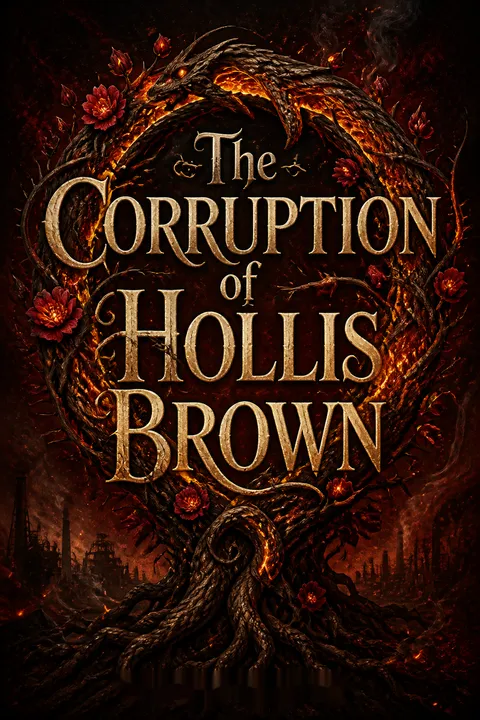

Plot Summary
Fists and Friendship
Hollis Brown is a sharp-tongued, quick-witted teen in a struggling Midwestern town, often finding himself on the receiving end of fists—most recently from James, a popular athlete. His friends, Annie and Yulia, patch him up, offering both tough love and tenderness. Their friendship is a lifeline in a place where poverty and stagnation breed frustration and violence. Hollis's home life is marked by resilience: his mother's warmth and his father's quiet disappointment. The trio's dynamic is shaped by accountability, affection, and the shared experience of being outsiders. Hollis's bruises are both physical and emotional, but the care he receives from Annie and Yulia is a reminder that, in a town where everyone is stuck, connection is the only way to survive.
Haunted Roots
The town is a relic of America's industrial past, haunted by economic decline and literal ghosts. Rose Town, once prosperous, is now abandoned, its factories and fruit trees left to rot. The specter of the past looms over everyone—especially the young, who dream of escape but rarely succeed. Hollis feels bound to the land, his family's roots sunk deep into the hard soil. The town's decay is mirrored in its people: parents scraping by, children inheriting hopelessness. Yet, there's a stubbornness to stay, a refusal to let go of what little they have. The legend of Rose Town's haunting is both a warning and a comfort, a story that explains why things never change and why leaving is so hard.
Bread and Bandages
Hollis's skill in baking is more than a hobby—it's survival. He bakes sweet potato bread to repay Yulia for covering his medical bills, and the act becomes a symbol of care and community. Food is currency, comfort, and connection in a place where money is scarce. His mother's kitchen is a sanctuary, filled with the smells of roasting onions and fresh bread. The rituals of cooking and sharing meals bind the family together, offering small moments of joy amid hardship. Annie and Yulia's presence in Hollis's life is similarly nourishing; their scolding and support are as essential as bread. In a world of scarcity, these acts of care are radical, sustaining both body and spirit.
Ghosts of Rose Town
Rose Town is more than a backdrop—it's a character, its history of tragedy and violence shaping the lives of those nearby. The town's haunted reputation is both a deterrent and a dare for local teens, who organize overnight stays as rites of passage. Hollis and Annie join one such gathering, their friendship tested by the tensions and dangers that arise. The night is marked by conflict—Jorge's jealousy, violence, and a mysterious attack that leaves him bloodied and unconscious. The supernatural is ambiguous, its presence felt in the fear and chaos that ensue. The event becomes a catalyst, forcing Hollis and his friends to confront the darkness within themselves and their community.
The Pact at Midnight
After being unfairly blamed for Jorge's injuries, Hollis is suspended and isolated. In his lowest moment, he meets Walt—a strange, shivering boy with nowhere to go. Out of pity and kinship, Hollis offers Walt his coat and, implicitly, his trust. This act of kindness becomes a pact, binding their fates together. Walt is more than he appears: a drifter, a survivor, and, as Hollis soon discovers, something not entirely human. Their connection deepens as they share stories and vulnerabilities, each recognizing the other's loneliness. The midnight meeting is a turning point, setting in motion a supernatural partnership that will challenge everything Hollis knows about himself, his town, and the nature of survival.
Possession and Partnership
Walt reveals his true nature: a spirit who survives by inhabiting others. When he merges with Hollis, the experience is terrifying and intimate, blurring the boundaries between self and other. At first, Hollis is horrified by the loss of control, the invasion of his most private spaces. But as they learn to coexist, a partnership forms—one built on negotiation, compromise, and unexpected affection. Walt brings new skills and confidence, helping Hollis navigate school, friendships, and the challenges of small-town life. Their relationship is fraught with tension and desire, each learning from the other. The possession becomes a metaphor for intimacy, vulnerability, and the possibility of transformation.
Becoming Us
As Hollis and Walt adapt to their shared existence, they develop a system of communication and control. The initial terror gives way to curiosity, then to a strange kind of joy. They discover that physical touch—skin to skin—creates overwhelming sensations, a feedback loop of pleasure and pain that neither fully understands. Their connection deepens into something like love, though it defies easy categorization. Hollis finds himself missing Walt when he's gone, craving the sense of being carried, of never being alone. Together, they become more than the sum of their parts: braver, kinder, more whole. Their union is both a blessing and a curse, a new way of being in a world that resists change.
Secrets and Suspicion
Hollis's transformation does not go unnoticed. Annie and Yulia grow suspicious of his new demeanor, his improved appearance, and his emotional distance. Their concern turns to intervention, culminating in a confrontation and an attempted exorcism. The truth of Walt's presence is revealed, shattering the trust between Hollis and his friends. Annie, ever adaptable, comes to accept the new reality, while Yulia struggles with fear and betrayal. The revelation forces Hollis to reckon with the consequences of secrecy and the limits of friendship. The group must renegotiate their bonds, deciding what it means to love and support someone who is no longer entirely themselves.
Exorcism Attempt
The exorcism is a violent, traumatic event. Yulia's ritual, meant to free Hollis from Walt, instead causes pain and chaos. Walt is torn from Hollis and briefly inhabits Annie, who becomes violently ill. The experience leaves all three shaken, their relationships strained to the breaking point. Hollis, bereft without Walt, realizes how much he has come to depend on their connection. The reunion is desperate and messy, marked by tears and apologies. The ordeal cements the bond between Hollis and Walt, making clear that their partnership is not easily undone. The friends, too, must come to terms with the new reality, choosing whether to accept or reject the supernatural in their midst.
Reckoning in the Hollow
Hollis and Walt retreat to a hidden hollow, a place of warmth and safety. There, Walt confesses the full truth of his past: his origins in Rose Town, the crime that led to his death, and the guilt that has haunted him for nearly a century. The revelation is devastating, but it also offers a path to redemption. Hollis, angry but compassionate, challenges Walt to stop running from his pain and to choose life with him instead of oblivion. Their confrontation is raw and cathartic, a reckoning with the past that opens the possibility of a future together. Forgiveness is hard-won, but it is the foundation on which they begin to build something new.
Redemption and Release
Determined to make amends, Walt and Hollis, with the help of Yulia and Annie, devise a plan to confront the haunting of Rose Town. Armed with ritual, courage, and community support, they enter the heart of the abandoned town. The confrontation with the spirits is harrowing, a battle of wills and memories. Walt faces his family and the consequences of his actions, offering apology and acceptance. The ritual succeeds: the spirits are released, the haunting ends, and Rose Town is finally at peace. The victory is bittersweet—Walt nearly lost, Hollis forever changed—but it marks the end of a long cycle of suffering and the beginning of something new.
Building Something New
With the curse lifted, the friends and their families seize the opportunity to reclaim Rose Town. Yulia's family invests in the land, envisioning a community project that will provide food, shelter, and work for those who remain. Hollis, Walt, and their friends become the architects of renewal, drawing on their skills and dreams to build a better future. The work is hard, the obstacles many, but the sense of purpose is transformative. The town's history of loss and violence is not forgotten, but it is no longer the only story. In its place grows a new narrative: one of resilience, cooperation, and hope.
Love in the Ruins
As the community rebuilds, so too do the relationships at its heart. Hollis and Walt's love deepens, becoming a source of strength and comfort. Their friends, once wary, come to accept and even celebrate their bond. The group's dynamic shifts, old wounds healing as new connections form. The love between Hollis and Walt is unconventional, born of trauma and magic, but it is real and sustaining. Together, they navigate the challenges of adulthood, the demands of work, and the complexities of identity. Their partnership is a testament to the power of acceptance, the necessity of vulnerability, and the possibility of joy even in the most unlikely places.
Facing the Past
Walt's journey is one of reckoning—not only with the ghosts of Rose Town, but with his own guilt and shame. Through research, ritual, and conversation, he learns the fate of those he left behind and the true impact of his actions. The process is painful, but it allows for healing and closure. Hollis, too, must confront his own history: his family's struggles, his brushes with self-destruction, his longing for escape. Together, they learn that the past cannot be changed, but it can be understood and integrated. The act of facing history—personal and communal—is essential to moving forward.
The Haunting Ends
The final exorcism of Rose Town is both an ending and a beginning. The spirits are laid to rest, the land is freed, and the cycle of violence is broken. Hollis and Walt are separated briefly, the pain of loss underscoring the depth of their bond. Their reunion is a moment of profound relief and affirmation: together, they are whole. The town, too, is transformed, its future no longer dictated by the tragedies of the past. The ending is not without sorrow—there are losses that cannot be undone—but it is suffused with hope. The haunting is over, but the work of living continues.
Choosing Each Other
With the supernatural threat gone, Hollis and Walt must decide what kind of life they want to build together. Their love, forged in crisis, is tested by the demands of ordinary life: work, family, community. They choose each other, not out of desperation, but out of genuine affection and respect. Their relationship is a model of mutual care, honesty, and growth. The choice to stay, to build, to love, is an act of courage—a rejection of despair and a commitment to hope. In choosing each other, they choose life, in all its messiness and beauty.
Community and Continuance
The story ends with a vision of continuity: the town rebuilt, the community thriving, the bonds of friendship and family stronger than ever. Hollis and Walt, once haunted and alone, are now at the center of a web of relationships that sustain and uplift them. The lessons of the past are not forgotten, but they are no longer a source of fear. Instead, they are the foundation for a new way of living—one rooted in care, cooperation, and the belief that even in the hardest places, love can take root and flourish. The corruption of Hollis Brown is not his undoing, but his transformation.
Analysis
A modern parable of trauma, intimacy, and communal healingThe Corruption of Hollis Brown is a haunting, genre-bending exploration of what it means to be possessed—by history, by grief, by love, by the ghosts of our ancestors and the wounds of our communities. Through the supernatural device of possession, the novel interrogates the boundaries of selfhood, the ethics of intimacy, and the possibility of redemption. At its heart, the story is about survival: not just the endurance of hardship, but the active work of building something better from the ruins. The relationships—between Hollis and Walt, among friends, within families—are messy, fraught, and deeply human, offering a vision of love that is both radical and ordinary. The haunting of Rose Town is both literal and metaphorical, a reminder that the past is never truly past until it is faced and integrated. The novel's ultimate message is one of hope: that even in the most broken places, with enough care, courage, and community, new life can take root. The recipes, rituals, and acts of kindness that fill the story are not just survival strategies—they are blueprints for transformation, reminders that we are all, in the end, each other's bread and shelter.
Review Summary
The Corruption of Hollis Brown receives widespread acclaim (4.24/5) for its unique premise: a 17-year-old boy possessed by a ghost named Walt, leading to an unconventional love story. Readers praise K. Ancrum's poetic, lyrical writing style with short, sharp chapters. The "toxic codependent gays" dynamic and body-sharing intimacy resonated strongly, with many calling it intensely romantic and sensual despite no explicit content. The bleak small-town setting and themes of poverty, loneliness, and self-love impressed readers. Some found the ending rushed or the plot occasionally weak, but most were emotionally devastated in the best way.
People Also Read


Characters
Hollis Brown
Hollis is a sharp-tongued, sensitive teen shaped by poverty, violence, and the weight of generational stagnation. His relationships with Annie and Yulia are lifelines, offering both accountability and affection. Psychologically, Hollis is marked by self-doubt and a tendency toward self-destruction, seeking out danger as a way to feel alive. His encounter with Walt—first as a stranger, then as a possessing spirit—forces him to confront his own vulnerabilities and desires. Over the course of the story, Hollis transforms from a boy defined by his wounds to a young man capable of love, forgiveness, and hope. His journey is one of integration: learning to accept all parts of himself, even those that frighten him.
Walt Eidelman
Walt is a spirit who survives by inhabiting others, a drifter haunted by the crimes and losses of his past. Originating from Rose Town in the early 20th century, Walt's life and death are marked by poverty, violence, and a desperate act that led to tragedy. Psychologically, he is burdened by guilt and a profound sense of unworthiness, believing himself to be a curse. His partnership with Hollis is both a lifeline and a challenge, forcing him to confront his longing for connection and his fear of causing harm. Over time, Walt learns to accept love and to seek redemption—not through self-sacrifice, but through building something new. His arc is one of self-forgiveness and the courage to choose life.
Annie Watanabe
Annie is Hollis's childhood friend, a creative and socially adept girl who navigates the complexities of small-town life with resilience. She is the emotional anchor of the group, offering both tough love and unwavering support. Psychologically, Annie is marked by a desire for belonging and a fear of abandonment, but she faces challenges with pragmatism and grace. Her adaptability allows her to accept the supernatural reality of Hollis and Walt's partnership, even when it strains her understanding. Annie's journey is one of self-discovery, as she learns to articulate her own desires and to support her friends without losing herself.
Yulia Egunyemi
Yulia is the daughter of Nigerian immigrants, a striking and self-assured presence in a town that often resents difference. She is both Hollis's best friend and his conscience, holding him accountable and pushing him to be better. Psychologically, Yulia is marked by a strong sense of justice and a deep loyalty to her chosen family. Her skepticism and fear of the supernatural are rooted in cultural knowledge and personal experience, making her both a skeptic and a protector. Yulia's arc is one of learning to trust, to forgive, and to use her knowledge and resources to help her community heal.
James Miller
James is the archetypal popular athlete, but beneath his tough exterior lies a deep fear of being trapped by circumstance. His initial antagonism toward Hollis masks a shared vulnerability, and over time, James becomes an unexpected ally. Psychologically, James is driven by the desire to escape the limitations of his environment, but he is also capable of empathy and growth. His willingness to defend Hollis, even at personal cost, marks a turning point in both their lives. James's journey is one of moving beyond toxic masculinity and learning the value of solidarity.
Jorge
Jorge is Annie's possessive ex-boyfriend, whose jealousy and violence set off the chain of events that drive the plot. Psychologically, Jorge is marked by insecurity and a desperate need for control, lashing out when he feels threatened. His actions are both a symptom and a cause of the town's dysfunction, embodying the cycles of violence and blame that haunt the community. Jorge's eventual downfall and the group's response to his suffering force everyone to confront the limits of empathy and the consequences of unchecked pain.
Timothy Reid
Timothy is James's best friend, a tough athlete who initially participates in the culture of violence but ultimately becomes a key ally to Hollis. Psychologically, Timothy is torn between loyalty to his friends and a growing sense of justice. His willingness to provide an alibi for Hollis and to challenge Jorge's behavior marks his growth from bystander to upstander. Timothy's arc is one of learning to question inherited norms and to act with integrity, even when it is difficult.
Mrs. Brown
Hollis's mother is the emotional heart of his family, providing stability and care in a world of uncertainty. She is practical, resourceful, and deeply loving, her kitchen a sanctuary for Hollis and his friends. Psychologically, Mrs. Brown is marked by resilience and a capacity for joy amid hardship. Her acceptance of Hollis, even as he changes, is a model of unconditional love. She represents the best of the town's traditions: generosity, hard work, and the belief that survival is a collective effort.
Mr. Brown
Hollis's father is a man shaped by labor and disappointment, his love expressed through sacrifice rather than words. He is often absent, working in the city to provide for his family, and his relationship with Hollis is marked by unspoken expectations and quiet longing. Psychologically, Mr. Brown embodies the costs of masculinity and the burdens of generational poverty. His presence is both a comfort and a source of pain, a reminder of what is lost and what endures.
Rose Town
Though not a person, Rose Town is a central character—its history of violence, loss, and haunting shaping every life in the story. It is both a literal and metaphorical ghost, embodying the cycles of poverty, blame, and longing that define the community. Psychologically, Rose Town represents the weight of the past, the difficulty of change, and the possibility of redemption. Its transformation from cursed land to a site of renewal mirrors the journeys of the characters, offering hope that even the most haunted places can be healed.
Plot Devices
Dual Narrative and Possession
The novel's central device is the supernatural possession of Hollis by Walt, which allows for a dual narrative—two consciousnesses sharing one body. This structure enables a deep exploration of identity, agency, and intimacy, as the boundaries between self and other blur. The possession is both literal and metaphorical, representing the ways in which trauma, love, and history inhabit us. The narrative shifts between horror and tenderness, using the mechanics of possession to explore themes of consent, vulnerability, and transformation. The device also allows for moments of humor, tension, and revelation, as Hollis and Walt negotiate control and learn to live as "us."
Haunting as Metaphor
The haunting of Rose Town operates on multiple levels: as a literal supernatural threat, as a metaphor for the cycles of poverty and violence that trap the community, and as a symbol of unresolved guilt and grief. The ghosts are both personal (Walt's family, his own past) and collective (the town's history of loss). The process of confronting and releasing the spirits mirrors the characters' journeys toward healing and forgiveness. The haunting is not just a plot obstacle, but a lens through which the story examines the costs of forgetting, the necessity of reckoning, and the possibility of renewal.
Food and Ritual
Food is a recurring motif, symbolizing care, survival, and connection. Recipes are interspersed throughout the narrative, grounding the supernatural in the everyday. The acts of baking, cooking, and sharing meals are rituals of love and resistance, ways of asserting agency in a world of scarcity. Food becomes a language through which characters express affection, make amends, and build community. The rituals of exorcism and cleansing are similarly grounded in the material—herbs, water, bread—emphasizing the importance of tangible acts in the work of healing.
Cyclical Structure and Ouroboros
The novel's structure is cyclical, with events and motifs repeating in new forms: violence begets violence, care begets care, the past returns until it is faced. The ouroboros—the snake eating its own tail—is a symbol of this cycle, representing both the danger of endless repetition and the hope of transformation. The story's resolution comes not from breaking the cycle, but from changing its nature: turning corruption into growth, haunting into healing, isolation into community. The cyclical structure invites readers to consider how change happens—not through escape, but through engagement and renewal.
Download PDF
Download EPUB
.epub digital book format is ideal for reading ebooks on phones, tablets, and e-readers.








































