
Plot Summary
Runaways and Star Sigils
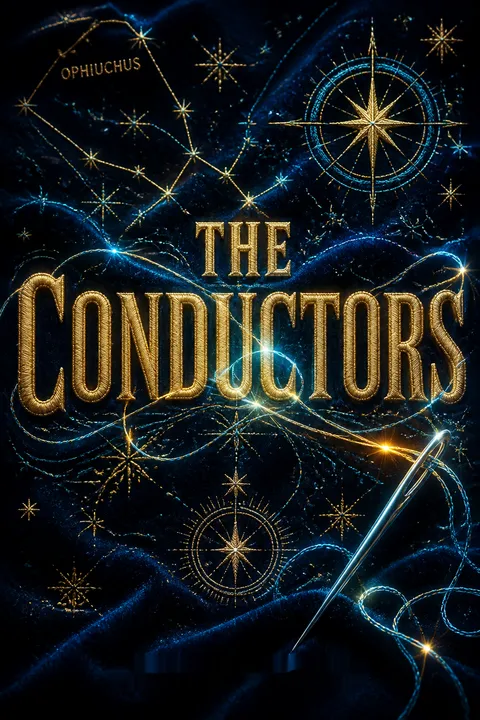
In post–Civil War Philadelphia, Henrietta "Hetty" Rhodes and her husband Benjy, both former Underground Railroad conductors, use celestial magic to help their Black community. When a young girl named Elle is kidnapped, Hetty and Benjy spring into action, using star sigils—magical symbols based on constellations—to outwit the kidnappers and free the captives. Their magic, rooted in African traditions, is both a tool of survival and a symbol of resistance. The city, though free, is still dangerous for Black people, especially those with magical talent. Hetty's scars from her time enslaved are a constant reminder of the past, but her determination to protect others is unwavering. The rescue cements Hetty and Benjy's reputation as the community's secret guardians, but it also hints at deeper threats lurking in the city's shadows.
Philadelphia's Hidden Dangers
After Elle's rescue, Hetty and Benjy return to their circle of friends—Penelope, Darlene, and Marianne—each with their own secrets and scars from slavery. The city's Black elite, striving for respectability, are not immune to danger or prejudice. Hetty's magical skills are both a blessing and a burden, as laws restrict Black spellcasters and wands are forbidden. The friends' gathering is interrupted by news of a dangerous potion circulating in the community, a reminder that not all threats are external. Hetty's investigation into the potion's source reveals the precariousness of Black life, where even hope can be weaponized. The chapter ends with a sense of unease: the city is a patchwork of safety and peril, and the past is never far behind.
Friends, Favors, and Feuds
Hetty's relationships with her friends are complex, shaped by shared trauma and diverging ambitions. Marianne, now part of the Black upper class, distances herself from her past, while Darlene and Penelope remain closer to Hetty's world. The group's dynamic is strained by old resentments and the pressures of respectability. When Hetty is approached by Charlie, Marianne's husband, with a cryptic warning, she senses trouble but is reluctant to get involved. The friends' loyalty is tested as secrets surface—about marriages, ambitions, and the lengths they'll go to protect each other. The city's social clubs and political organizations, meant to uplift the community, are revealed to be rife with their own intrigues and dangers.
The Cursed Mark Appears
The discovery of Charlie's mutilated body in an alley shocks Hetty and Benjy. The corpse bears the Serpent Bearer sigil—Ophiuchus—carved into his chest, a symbol feared for its association with curses and violent death. The murder is staged to send a message, and the magical residue left behind is both a clue and a threat. Hetty's investigation is complicated by the community's fear of magic and the police's indifference to Black victims. The friends rally to support Marianne, but suspicion and grief strain their bonds. The murder is not an isolated act; it is the first sign of a deeper conspiracy, one that will force Hetty to confront both her past and the limits of her trust.
Past Shadows, Present Fears
Flashbacks to Hetty's childhood on a South Carolina plantation reveal the origins of her magic and her determination to escape. The trauma of being collared for her magical abilities, the pain of losing her family, and the promise to protect her sister Esther shape Hetty's every action. The past is not just memory—it is a living force, influencing the present. As Hetty and Benjy investigate Charlie's death, they are forced to reckon with the ways slavery's legacy persists: in the laws, in the scars on their bodies, and in the dangers that stalk their community. The search for justice becomes a search for healing, but the wounds are deep and the threats are real.
A Body in the Alley
The investigation takes a darker turn when a second body is found, marked with the same cursed sigil as Charlie. The victim, a man with no clear ties to the community, is dressed to look like a runaway slave, complete with a bloodied collar. The staging is theatrical, meant to confuse and terrify. Hetty and Benjy realize they are being watched, manipulated by someone who knows their methods and their history. The murders are not random; they are part of a pattern, a message written in blood and magic. The friends' circle tightens as suspicion falls on those closest to them, and the line between protector and suspect blurs.
The Web of Suspects
As the murders mount, Hetty and Benjy compile a list of suspects: Marianne, with her secrets and grief; Darlene and George, whose past as conductors may have made them enemies; Eunice and Clarence, whose marriage hides more than unhappiness; and Isaac Baxter, the ambitious club leader with a talent for manipulation. The investigation is complicated by personal loyalties and old resentments. Every friend is a potential suspect, and every clue leads to more questions. The community's desire for respectability clashes with the need for justice, and Hetty is forced to confront the possibility that the killer is someone she once called family.
Secrets in the Sewing
Hetty's sewing is more than a craft—it is a form of magic, a way to embed protection and power into everyday life. As she stitches sigils into clothes and bands, she reflects on the stories and promises that bind her to her friends and to her lost sister. The investigation uncovers secrets hidden in plain sight: coded songs, enchanted objects, and the ways Black women use magic to survive in a world that seeks to erase them. The search for Judith, a missing woman teaching forbidden Sorcery, intersects with the murder case, revealing a network of resistance and danger. The past and present are stitched together, and every thread is a potential lifeline—or a noose.
The Grave Robber's Game
The investigation leads Hetty and Benjy to Elmhurst Cemetery, where they discover that Charlie was involved in a grave-robbing scheme. The theft of Black bodies for medical research is a lucrative but dangerous business, and Charlie's debts and ambitions made him vulnerable. The murders are revealed to be part of a cover-up, a way to silence those who know too much. The cursed sigil is a warning, meant to keep others away. The revelation forces Hetty to confront the ways the living profit from the dead, and the ways Black bodies are commodified even in death. The search for justice becomes a battle against a system that values profit over people.
Boxing, Betrayal, and Blood
The climax unfolds at an illegal boxing match, where Benjy is forced to throw a fight to settle Charlie's debts. The match is rigged, and the crowd's excitement turns to chaos when a Sorcerous spell is cast, nearly killing Benjy. The attack is the work of someone close, someone who knows both magic and the community's secrets. The violence of the ring mirrors the violence of the world outside, where Black lives are always at risk. Hetty's desperation to save Benjy brings her face to face with the killer, and the final confrontation is as much about survival as it is about truth.
The Club's Dark Heart
The investigation leads Hetty and Benjy to the heart of the E.C. Degray club, where the real mastermind is revealed: Clarence Loring, Eunice's husband. Consumed by grief and jealousy over the loss of his first wife, Clarence orchestrated the murders to frame Benjy and destroy the Rhodes' reputation. Using Sorcery learned from Judith, he staged the killings as magical curses, manipulating the community's fears. The final showdown is a battle of magic and wills, with Hetty and Benjy fighting not just for their lives, but for the soul of their community. The truth, once revealed, is both liberating and devastating.
The Trap Is Sprung
Clarence lures Hetty into a trap, using her as bait to draw out Benjy. The ensuing magical duel is fierce and personal, with Hetty's celestial magic pitted against Clarence's Sorcery. The friends rally to her aid, and Penelope's enchanted bullet delivers the final blow. The aftermath is messy: Clarence is exposed, but the community is left to grapple with the betrayal and the scars left behind. Eunice, finally free from her husband's control, finds support among her friends. The case is closed, but the cost is high, and the wounds—both physical and emotional—will take time to heal.
Truths Under Starlight
In the quiet after the storm, Hetty and Benjy reflect on what they have gained and lost. The search for Hetty's sister Esther ends in bittersweet revelation: Esther is found, but she has died, leaving behind a legacy of healing and hope. The friends gather to mourn and to celebrate, finding solace in each other and in the rituals that have sustained them. The house that once belonged to Oliver becomes a new home, a place where the past and present can coexist. The bonds of friendship, forged in struggle and sacrifice, endure.
The Bonds That Remain
The story ends with Hetty and Benjy surrounded by friends and family, sharing stories under the stars. The pain of loss is tempered by the joy of connection, and the promise of a future built on love, magic, and resistance. The legacy of the conductors lives on—not just in the cases they solve, but in the lives they touch and the community they build. The past is never truly gone, but it can be transformed. Under the watchful eyes of the constellations, Hetty and Benjy step into a new chapter, together.
Analysis
Nicole Glover's The Conductors is a genre-bending blend of historical mystery, fantasy, and social commentary, set in a world where the scars of slavery are both visible and invisible, and where magic is both a weapon and a shield. At its heart, the novel is about the struggle to build a life—and a community—out of the wreckage of trauma. Through Hetty and Benjy, Glover explores the complexities of love, trust, and survival in a world that is both hostile and hopeful. The use of celestial magic is a powerful metaphor for Black resilience and creativity, transforming pain into power and memory into action. The mystery structure allows for a nuanced exploration of suspicion, loyalty, and the dangers of respectability politics, while the richly drawn characters embody the tensions between past and present, individual and collective. The novel's ultimate message is one of hope: that healing is possible, not through forgetting the past, but by facing it together, under the watchful eyes of the stars. The lessons are clear—freedom is a process, not a destination; justice is communal, not individual; and love, in all its forms, is the greatest magic of all.
People Also Read
Characters
Henrietta "Hetty" Rhodes
Hetty is the heart of the story—a Black woman shaped by the trauma of slavery, the loss of her family, and the promise she made to protect her sister. Her scars, both physical and emotional, are reminders of a past that never fully releases its grip. As a conductor on the Underground Railroad, Hetty learned to wield celestial magic, embedding star sigils into her sewing as both protection and rebellion. In Philadelphia, she is both detective and healer, using her skills to solve mysteries and safeguard her community. Hetty's relationships—with Benjy, her friends, and her lost sister—are marked by fierce loyalty and deep vulnerability. Her journey is one of self-discovery, as she learns to balance the weight of the past with the possibilities of the present, and to accept love even when it feels dangerous.
Benjamin "Benjy" Rhodes
Benjy is Hetty's husband and partner in both magic and life. A former conductor, he is a man of few words but deep feeling, carrying his own scars from slavery and loss. His magic is practical, rooted in the forge and the physical world, but his intellect is sharp and his loyalty unwavering. Benjy's relationship with Hetty is built on mutual respect and shared trauma, evolving from partnership to deep, abiding love. He is both protector and equal, willing to risk everything for those he cares about. Benjy's journey is one of learning to trust, to let go of control, and to accept the vulnerability that comes with love.
Penelope Jones
Penelope is Hetty's closest friend, a skilled herbalist and singer whose warmth and humor provide comfort in dark times. Orphaned by slavery, she found family among her cousins and in the community she helps heal. Penelope's magic is rooted in the earth, in potions and remedies, but her true gift is her ability to listen and to love without judgment. She is fiercely loyal, quick-witted, and unafraid to speak her mind. Penelope's role as healer extends beyond the physical; she is the glue that holds the group together, offering hope and laughter even in the face of tragedy.
Darlene
Darlene is a former conductor turned schoolteacher, haunted by the past but determined to build a better future. Her adoption of a child and her marriage to George are acts of hope, but she struggles with the compromises required by respectability. Darlene's creativity is both her strength and her vulnerability; she sees connections others miss, but is often paralyzed by fear of loss. Her friendship with Hetty is complicated by old wounds and new secrets, but ultimately grounded in shared experience and mutual respect.
Marianne Richardson
Marianne is Hetty's former friend, now part of Philadelphia's Black elite. Her desire to escape her past and secure her family's future leads her to make difficult choices, including distancing herself from those who remind her of what she has lost. Marianne's marriage to Charlie is both a refuge and a source of pain, and his murder shatters the fragile world she has built. Her grief is raw, her pride formidable, and her eventual reconciliation with Hetty is hard-won. Marianne embodies the tensions between survival and integrity, ambition and loyalty.
Charlie Richardson
Charlie is the spark that ignites the central mystery. A former conductor with a talent for making and losing money, he is both beloved and resented by those around him. His ambition leads him into dangerous schemes—gambling, grave robbing, and ultimately betrayal. Charlie's death is both a tragedy and a reckoning, forcing his friends to confront uncomfortable truths about themselves and their community. In death, he is both victim and perpetrator, a reminder that survival often comes at a cost.
Eunice Loring
Eunice is the wife of Clarence, outwardly the perfect hostess and committee woman. Beneath her calm exterior lies a woman struggling with an abusive marriage and the expectations of respectability. Eunice's friendship with Hetty is tentative but deepens as secrets are revealed. Her courage in the face of Clarence's violence is quiet but profound, and her eventual liberation is a testament to the power of community and solidarity among women.
Clarence Loring
Clarence is the story's hidden villain, a man consumed by grief over the loss of his first wife and by resentment toward those he perceives as more fortunate. His mastery of forbidden Sorcery, learned from Judith, allows him to manipulate and murder with impunity. Clarence's crimes are driven by a toxic mix of love, envy, and a desire for control. His unraveling is both a personal tragedy and a commentary on the dangers of unchecked power and unaddressed trauma.
Isaac Baxter
Baxter is the charismatic head of the E.C. Degray club, a man skilled at navigating the politics of Philadelphia's Black elite. His ambition and talent for manipulation make him a prime suspect, but his true role is more complicated. Baxter embodies the dangers of respectability politics and the ways power can be wielded for both good and ill. His presence is a constant reminder that not all threats come from outside the community.
Judith Freeman
Judith is the missing woman whose secret lessons in Sorcery set the plot in motion. Her disappearance is both a mystery and a symbol of the risks faced by those who challenge the status quo. Judith's courage in teaching forbidden magic is matched by her fear of the consequences, and her eventual reappearance brings closure to one thread of the story. She represents the power of knowledge and the dangers of isolation.
Plot Devices
Celestial Magic and Star Sigils
The novel's central device is the use of celestial magic—star sigils drawn from constellations, each with unique powers. This magic, rooted in African and diasporic traditions, is both a tool of survival and a symbol of cultural identity. The sigils are embedded in everyday objects, especially Hetty's sewing, allowing magic to be hidden in plain sight. The contrast between Celestial magic (Black, communal, adaptive) and Sorcery (white, rigid, forbidden to Black people) is a powerful metaphor for the struggle over power, knowledge, and self-determination. Magic is also a narrative device for foreshadowing, with sigils hinting at danger, protection, or betrayal before events unfold.
Mystery Structure and Red Herrings
The novel is structured as a classic whodunit, with each chapter revealing new clues, suspects, and motives. The use of red herrings—characters like Isaac Baxter, Geraldine, and even Benjy—keeps the reader guessing and mirrors the uncertainty faced by the protagonists. The investigation is both external (solving the murders) and internal (confronting personal and communal trauma). Flashbacks to Hetty's past provide context and emotional depth, while the present-day mystery forces characters to confront the ways the past shapes the present.
Community and Found Family
The story's emotional core is the web of relationships among Hetty, Benjy, and their friends. The community is both a source of strength and a site of conflict, with alliances shifting as secrets are revealed. The found family trope is used to explore themes of loyalty, forgiveness, and the possibility of healing after trauma. The final scenes, with the friends gathered under the stars, underscore the importance of collective survival and the power of chosen kin.
The Legacy of Slavery
The scars of slavery—literal and metaphorical—are ever-present. Collars, laws against magic, and the commodification of Black bodies in life and death are woven into the plot as both obstacles and motivators. The legacy of slavery is not just background; it is the engine that drives the characters' choices, fears, and hopes. The novel uses historical detail and magical realism to comment on the persistence of racial violence and the ongoing struggle for justice.
Foreshadowing and Symbolism
Dreams, songs, and stories are used to foreshadow events and reveal hidden truths. The recurring motif of the stars—guiding, watching, and recording the characters' journeys—serves as both a literal and symbolic map. The use of sewing and mending as metaphors for healing and connection is threaded throughout, reinforcing the idea that survival is an act of creation as much as resistance.
Murder and Magic Series
Download PDF
Download EPUB
.epub digital book format is ideal for reading ebooks on phones, tablets, and e-readers.








































