
Plot Summary
Windows Into Other Lives
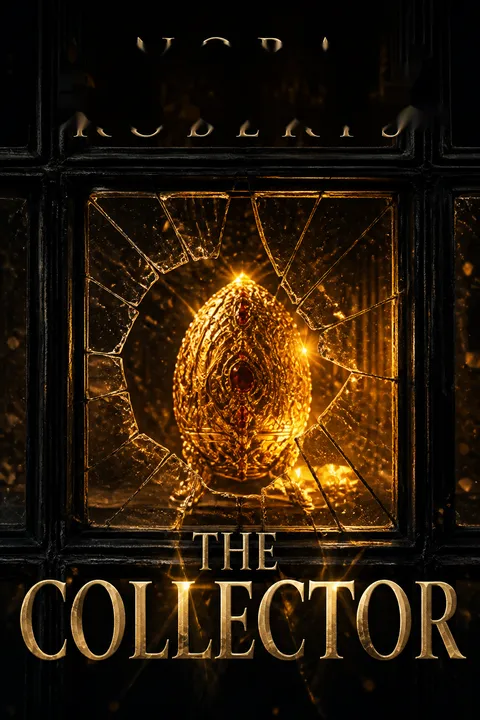
Lila Emerson, a professional house-sitter and aspiring novelist, thrives on the freedom and variety her unusual job brings. Settling into a luxurious New York apartment, she observes her neighbors through binoculars, inventing stories about their lives. Her days are filled with caring for pets, tending plants, and writing her young adult werewolf series. Lila's curiosity about others is matched by her contentment with her own independence, and her best friend Julie is her anchor in the city. The apartment's windows become her stage, offering glimpses into the dramas, joys, and secrets of strangers, all while she remains a detached observer—until one night, her role as a bystander is shattered.
Witness to a Fall
One night, Lila's voyeuristic pastime turns traumatic when she witnesses a violent altercation in a neighboring apartment. She sees a beautiful woman, Sage, pleading with her boyfriend, Oliver, before being struck and thrown through a window to her death. Lila's quick call to 911 makes her the key witness in what appears to be a murder-suicide when Oliver is later found dead by his own hand. The event shakes Lila's sense of safety and thrusts her into the center of a real-life mystery, forcing her to confront the limits of her detachment and the consequences of seeing too much.
Aftermath and Unanswered Questions
Lila is questioned by the police, her observations and instincts scrutinized. Though the case seems closed—murder-suicide, fueled by drugs and jealousy—Lila's testimony and the details she recalls don't quite fit. Oliver's brother, Ash, a brooding artist, refuses to believe his brother capable of such violence. Their paths cross at the police station, and a tentative connection forms as they share grief and confusion. Lila's empathy draws her into Ash's world, and together they begin to question the official story, sensing that something more sinister is at play.
The Artist's Grief
Ash Archer, haunted by guilt and disbelief, is determined to clear his brother's name. He enlists Lila's help, seeking her perspective from the apartment window. Their investigation reveals inconsistencies: the angle of the attack, the presence of drugs, and the possibility of a third party. As Ash and Lila grow closer, their shared pursuit of answers becomes personal. Ash's large, complicated family adds layers of tension and support, while his art becomes both an escape and a means of processing his pain.
Unlikely Alliances
Lila and Ash's partnership deepens into romance, complicated by their emotional wounds and the looming threat of the unsolved crime. Julie, Lila's best friend, becomes entangled when her apartment is mysteriously broken into, suggesting someone is searching for Lila. The break-in, coupled with the murder's unresolved nature, draws the friends and Ash's circle together. As Lila and Ash piece together clues, they discover Oliver was involved in a high-stakes deal involving a priceless Fabergé egg, and that his death was no accident.
The Shadow of Danger
A professional assassin, Jai Maddok, enters the narrative—a woman as beautiful as she is lethal, working for a shadowy employer obsessed with the lost Imperial eggs. Jai's methods are ruthless, her motivations chillingly pragmatic. She stalks Lila and Ash, eliminating anyone who stands in her way, including Oliver's uncle Vinnie. The danger becomes immediate and personal, forcing Lila and Ash to confront their vulnerabilities and rely on each other for survival. The police, though skeptical, begin to see the pattern of calculated violence.
A Deadly Puzzle
The investigation leads Lila and Ash into the world of art theft, Russian history, and international crime. They discover Oliver had acquired one of the lost Imperial Fabergé eggs, and that a second may exist. With the help of experts and family connections, they trace the egg's journey from Russia to New York, uncovering a web of greed, betrayal, and murder. The egg becomes both a prize and a curse, drawing the attention of collectors, criminals, and law enforcement alike.
The Egg and the Web
As Lila and Ash close in on the truth, they form uneasy alliances with art dealers, family members, and the police. The Bastone family in Italy, former owners of the second egg, reveal the lengths to which they were forced to go to protect their own. The assassin's employer, Vasin, is revealed as a reclusive, obsessive collector who believes the eggs are his birthright. The stakes rise as Lila and Ash realize they are not just solving a crime, but are targets in a deadly game.
Tangled Motives
Ash arranges a meeting with Vasin, offering the egg in exchange for Jai Maddok. The negotiation is fraught with tension, as both sides attempt to outmaneuver the other. Lila and Ash must play roles—ruthless, vengeful, greedy—to convince Vasin of their intentions. The plan is complicated by the unpredictability of Jai, whose personal vendetta against Lila adds a volatile element. The moral cost of justice, revenge, and survival weighs heavily on all involved.
The Hunter and the Hunted
The final confrontation erupts when Jai, betrayed by her employer, escapes custody and comes after Lila. In a brutal, desperate fight, Lila uses her wits and whatever tools she can find to defend herself. Ash arrives in time to help subdue Jai, but not before both he and Lila are injured. The violence is raw and personal, a culmination of all the fear, anger, and determination that has built throughout their ordeal. The police and FBI move in, arresting Vasin and Jai, finally ending the threat.
Truths Revealed
With the villains in custody and the eggs secured for a museum, Lila and Ash are left to process the trauma and loss. The truth about Oliver's death is finally known, and his name is cleared. The Bastones and other victims find closure, and the art world celebrates the recovery of the lost treasures. Lila and Ash, battered but alive, must decide what comes next for them—individually and together.
The Final Exchange
As the dust settles, Lila and Ash confront their fears about love, commitment, and change. Both have lived lives defined by movement and independence, but their ordeal has forged a bond neither can deny. They negotiate the terms of their future—home, family, and the possibility of stability. The lessons of the past, the pain of loss, and the triumph of survival shape their choices as they move forward.
Love, Loss, and New Beginnings
In the aftermath, Lila and Ash find solace in each other and in the friends who stood by them. They celebrate love's resilience, the power of trust, and the courage to choose happiness despite uncertainty. The story closes with the promise of new adventures, both in life and in art, as Lila and Ash step into a future they will build together—one where the windows into other lives have become the open doors of their own.
Analysis
Nora Roberts' The Collector is a deft blend of romantic suspense, psychological intrigue, and modern fairy tale. At its heart, the novel explores the boundaries between observer and participant, safety and vulnerability, independence and intimacy. Through Lila and Ash, Roberts examines how trauma can both isolate and connect, and how love—when chosen freely—can be a force for healing and transformation. The Fabergé eggs serve as a potent symbol of beauty, value, and the destructive power of obsession, while the recurring motif of windows and art underscores the importance of perspective and creation. The novel's structure—alternating viewpoints, layered mysteries, and a cast of richly drawn characters—invites readers to question what they see, what they believe, and what they are willing to risk for truth and happiness. Ultimately, The Collector is a story about the courage to step through the window, to engage with life's messiness, and to choose love, even when the future is uncertain. The lesson is clear: the greatest treasures are not those locked behind glass, but those found in the willingness to open one's heart and build a life—together.
Review Summary
The Collector by Nora Roberts receives mixed reviews averaging 4 out of 5 stars. Positive reviews praise the engaging romantic suspense plot, likeable protagonists Lila and Ash, and compelling mystery involving Fabergé eggs. Fans appreciate Roberts' signature style and dual romance storylines. Critics cite formulaic characters, implausible scenarios, rushed romance, and repetitive plotting from previous Roberts novels. Some found Ash controlling and Lila unrealistically perfect. The premise—a house-sitter witnessing murder through binoculars—divides readers. Julia Whelan's audiobook narration earns consistent praise. Overall, devoted fans enjoy it while others find it disappointingly mediocre.
People Also Read

Characters
Lila Emerson
Lila is a professional house-sitter and novelist whose life is defined by movement, observation, and self-reliance. Her curiosity about others is matched by a deep empathy, and her ability to see stories in the lives around her is both her gift and her vulnerability. Lila's independence is hard-won, shaped by a childhood of constant change as a military brat. She is wary of attachment, preferring the safety of temporary connections, but her involvement in the murder investigation forces her to confront her fears of intimacy and loss. Through her relationship with Ash, Lila learns to trust, to accept love, and to risk building a life that is not defined by escape but by choice.
Ashton "Ash" Archer
Ash is a successful painter from a sprawling, complicated family. Haunted by guilt over his brother Oliver's death, Ash is driven by a need for justice and a fierce loyalty to those he loves. His grief is channeled into his art, which becomes both a refuge and a means of understanding the world. Ash's protective instincts are both his strength and his flaw, as he struggles to balance control with vulnerability. His relationship with Lila challenges him to let go of the past, to trust in partnership, and to believe in the possibility of happiness after loss.
Jai Maddok
Jai is a professional killer whose beauty masks a cold, calculating mind. She is motivated by money, power, and a love of the hunt, viewing her work as both vocation and art. Jai's loyalty is to herself and her employer, Vasin, but her pride and need for dominance make her unpredictable. Her encounters with Lila become personal, turning the job into a vendetta. Jai's presence in the story is a constant threat, embodying the dangers of obsession and the dehumanizing effects of violence.
Julie Bryant
Julie is Lila's best friend, a gallery manager whose warmth and humor provide a counterbalance to the story's darkness. Twice-divorced, Julie is wary of love but ultimately finds it again with her first husband, Luke. Her friendship with Lila is a source of strength for both women, and her involvement in the mystery—through the break-in at her apartment—underscores the interconnectedness of the characters' lives. Julie's journey is one of healing, forgiveness, and the courage to embrace second chances.
Luke Talbot
Luke is a baker and Julie's former—and future—husband. His calm, practical nature and unwavering support make him a stabilizing force in the chaos. Luke's history with Julie adds depth to the story's exploration of love, regret, and redemption. He is a man who has learned from his mistakes and is willing to fight for happiness, both for himself and those he cares about.
Oliver Archer
Oliver is Ash's younger brother, whose charm and ambition lead him into dangerous territory. His involvement in the Fabergé egg deal sets the story in motion, and his death is the mystery's central question. Oliver's flaws—his impulsiveness, his need for approval, his inability to see consequences—make him both sympathetic and frustrating. In death, he becomes a symbol of lost potential and the high cost of secrets.
Vincent "Vinnie" Tartelli
Vinnie is Oliver's uncle and Ash's confidant, a respected antiques dealer whose integrity stands in stark contrast to the story's villains. His murder by Jai is a devastating blow, underscoring the reach and ruthlessness of the antagonist. Vinnie's legacy is one of honesty, loyalty, and the importance of doing what is right, even when it is difficult.
Nicholas Vasin
Vasin is the shadowy employer behind Jai, a reclusive billionaire obsessed with acquiring the lost Imperial eggs. His belief in his own entitlement, rooted in a delusional connection to the Romanovs, drives him to orchestrate murder and betrayal. Vasin's cold rationality and lack of empathy make him a chilling villain, embodying the dangers of unchecked power and obsession.
Gina and Giovanni Bastone
The Bastones are an Italian family whose possession of the second egg brings them into the web of danger. Their willingness to sacrifice for their family, and their ultimate decision to do what is right, highlight the story's themes of loyalty, courage, and the moral cost of survival.
Spence Archer
Ash's father, Spence, is a powerful, controlling figure whose own regrets and fears shape his relationship with his son. His initial suspicion of Lila and interference in Ash's life create tension, but his eventual acceptance and support are crucial to the story's resolution. Spence represents the complexities of family, the difficulty of letting go, and the possibility of reconciliation.
Plot Devices
The Window as Metaphor
The story's inciting incident—Lila witnessing a murder through a window—serves as a powerful metaphor for the boundaries between observer and participant. The window represents safety, curiosity, and the illusion of distance, but when violence shatters that barrier, Lila is forced to engage with the world she once watched from afar. This device recurs throughout the novel, as characters are drawn out of their comfort zones and into the lives—and dangers—of others.
The Fabergé Egg as MacGuffin
The lost Imperial eggs drive the plot, serving as both literal and symbolic treasures. Their beauty and rarity inspire greed, betrayal, and murder, but also acts of courage and sacrifice. The eggs are a classic MacGuffin—objects of desire that reveal the true nature of those who seek them. Their journey from Russia to New York to Italy mirrors the characters' own quests for meaning, justice, and connection.
Dual Protagonists and Alternating Perspectives
The narrative alternates between Lila and Ash, allowing readers to experience the story's emotional and psychological stakes from both perspectives. Their individual arcs—Lila's struggle with attachment, Ash's need for justice—intersect and evolve as they confront external threats and internal fears. This structure deepens the romance and heightens the suspense, as each character's choices impact the other.
Foreshadowing and Red Herrings
The novel employs foreshadowing through Lila's observations, Ash's family dynamics, and the recurring motif of hidden dangers. Red herrings—such as the initial murder-suicide verdict, the break-in at Julie's, and the shifting suspicions—keep readers guessing and maintain narrative momentum. The gradual revelation of the true antagonist and the assassin's motives adds layers of complexity to the mystery.
Thematic Use of Art and Creation
Art is both a literal and figurative device in the story. Ash's paintings, Lila's writing, and the Fabergé eggs themselves symbolize the power of creation to heal, to reveal truth, and to forge connections. The act of making art becomes a way for characters to process trauma, express love, and imagine new possibilities. The final painting of Lila as a gypsy, holding the future in her hands, encapsulates the novel's message of hope and agency.
About the Author


Download PDF
Download EPUB
.epub digital book format is ideal for reading ebooks on phones, tablets, and e-readers.








































