
Plot Summary
Prologue: Cities Before Collapse
The novel opens with a vision of Ukrainian cities still intact, their daily rhythms undisturbed, the countryside stretching beyond, and the sky above holding only the occasional miracle. This fragile normalcy is haunted by the knowledge that history is a catastrophe that passes over ordinary lives, leaving people to live out their small dramas unaware of the coming storm. The prologue sets the tone: a world on the edge, where the ordinary is about to be shattered by forces far beyond individual control, and where the smallest creatures and the most personal stories are swept up in the tides of history.
Yeva's Unlikely Romance Tour
Yeva, a malacologist obsessed with saving endangered snails, finds herself funding her mobile lab by working as a "bride" on international romance tours. Jaded and isolated, she's more interested in her 276 snails than in the Western bachelors she's paid to date. The tours are a surreal blend of hope, exploitation, and performance, with Yeva playing the part of desirable bait while secretly tending to her dying charges. Her family's pressure to marry, her asexuality, and her failed attempts at connection all swirl together as she navigates a world that values spectacle over substance, and where her true passion—conservation—is met with indifference.
Snails, Endlings, and Loss
Yeva's work is a lonely vigil at the edge of oblivion. She rescues the last of various snail species, recording their "death stamps" as they vanish forever. Her only solace is a long-distance friendship with a Hawaiian conservationist, who shares her sense of futility and hope. Their bond is deep but ultimately unsatisfying, as Yeva cannot bring herself to meet him in person or to believe in the possibility of human intimacy. The chapter explores the pain of being the last witness to a vanishing world, the burden of care, and the ways in which personal and ecological grief intertwine.
Nastia's Disguise and Hunger
Nastia, barely eighteen, starves herself to fit the mold of the perfect "bride" for the romance tours, her body and identity shaped by the expectations of men and the legacy of her radical mother, Iolanta. Alongside her sister Sol, who acts as her interpreter and protector, Nastia navigates the predatory world of international matchmaking, haunted by her mother's absence and the hope that a grand protest will bring them back together. The chapter delves into the violence women do to themselves and each other, the commodification of femininity, and the hunger—literal and metaphorical—for love, approval, and agency.
Mothers, Daughters, and Protest
Iolanta, once a famous protest leader, has vanished, leaving her daughters to fend for themselves. Nastia's memories of growing up in a household of activists, her mother's performative nudity, and the blurred lines between personal and political resistance all shape her sense of self. The chapter explores the complicated inheritance of feminist rebellion, the wounds of maternal absence, and the ways in which daughters both emulate and reject their mothers. As Nastia waits for her mother's promised return, she is drawn deeper into the machinery of the marriage industry she was raised to despise.
The Hostage Plan Emerges
Disillusioned by her mother's continued absence and the emptiness of the romance tours, Nastia hatches a plan to kidnap a group of Western bachelors as a protest against the international marriage industry. She enlists Yeva's help, bargaining for the use of her mobile lab, and ropes in Sol as her co-conspirator. The plan is both grandiose and naïve, a last-ditch effort to send a message to the world—and to her mother. The chapter is charged with the energy of youthful rebellion, the desire to be seen, and the tragicomic logistics of trying to make a difference in a world that seems indifferent to both human and nonhuman suffering.
Bargaining for a Lab
Yeva, initially resistant, is drawn into Nastia's scheme through a combination of manipulation, pity, and the need for purpose. The two women negotiate terms, with Yeva insisting on safety, limits, and a formal "project proposal." Their uneasy alliance is marked by mutual suspicion and a grudging respect, as each sees in the other a reflection of her own desperation. The chapter explores the dynamics of power, mentorship, and the ways in which women are forced to navigate systems designed to exploit them.
The Twelve Chosen Bachelors
As the plan takes shape, Nastia and Sol vet the bachelors, choosing twelve to serve as their hostages. The men are a mix of the earnest, the deluded, and the predatory, each seeking love or escape in Ukraine. Among them is Pasha, a Canadian-Ukrainian engineer searching for belonging, and Bertrand, a tech bro whose bravado masks insecurity. The chapter is a darkly comic exploration of the global marketplace of intimacy, the fantasies and disappointments of cross-cultural romance, and the ways in which everyone is both a player and a pawn.
Pasha's Return and Regret
Pasha's story unfolds in parallel, tracing his emigration from Ukraine as a child, his parents' relentless drive for success, and his own sense of rootlessness. Disillusioned by life in Canada, he returns to Ukraine in search of authenticity and connection, only to find himself out of place and out of time. His journey is one of longing for a home that no longer exists, the pain of failed ambition, and the realization that the past cannot be reclaimed. Pasha's arc is a meditation on diaspora, masculinity, and the elusive promise of return.
The Invasion Begins
As the kidnapping unfolds, the Russian invasion of Ukraine begins, upending every scheme and certainty. The women, the bachelors, and the entire country are thrown into chaos, forced to improvise and survive as the world they knew collapses around them. The mobile lab becomes both refuge and prison, the lines between captor and captive blur, and the characters are forced to confront the limits of their agency. The chapter is a harrowing account of confusion, fear, and the ways in which history overtakes individual lives.
Chaos, Escape, and Betrayal
In the aftermath of the invasion, alliances fray and betrayals multiply. The group is forced to flee, navigating checkpoints, violence, and the ever-present threat of death. Yeva's quest to save her last snail becomes a symbol of stubborn hope in the face of annihilation, while Nastia's search for her mother leads to painful revelations. The Bachelors, stripped of their illusions, must reckon with their own complicity and vulnerability. The chapter is a meditation on the ethics of care, the price of survival, and the possibility of redemption.
The Field of Liberation
The group is swept up in a Russian propaganda film, forced to play the roles of grateful Ukrainians welcoming their liberators. The scene devolves into chaos as real protesters storm the set, violence erupts, and the boundaries between fiction and reality dissolve. Yeva's desperate attempt to rescue her snails unfolds against the backdrop of burning trees and gunfire, while Nastia is forced to confront the limits of her own agency. The chapter is a searing indictment of the ways in which war turns people into extras in someone else's story.
The Acacia's Secret
Amid the carnage, Yeva discovers a second left-coiling snail on the acacia tree—a one-in-forty-thousand chance, a symbol of hope and survival. As she rescues the pair, the group is forced to flee once more, wounded and traumatized but carrying with them the possibility of renewal. The snails' unlikely union becomes a metaphor for resilience, the stubborn persistence of life, and the ways in which even the smallest victories matter in the face of overwhelming loss.
Endings, Beginnings, and Home
In the aftermath, the characters scatter: Yeva tends to her snails and her wounds, Nastia and Sol reckon with the truth about their mother, and Pasha finds a new home in Kherson, painting bridges as acts of witness and defiance. The war continues, the future is uncertain, but the story ends with a gesture of hope: the possibility of reunion, the persistence of memory, and the belief that even in the darkest times, small acts of care and connection can endure.
Analysis
Endling is a fiercely original, darkly comic, and deeply moving meditation on extinction—of species, cultures, and selves—in the shadow of war and global capitalism. Maria Reva weaves together the personal and the political, the tragic and the absurd, to create a narrative that is both a searing indictment of exploitation and a celebration of stubborn hope. The novel interrogates the machinery of desire, the commodification of women, and the violence of spectacle, while also honoring the small acts of care and resistance that persist in the face of catastrophe. Through its fragmented structure, metafictional play, and richly drawn characters, Endling asks what it means to bear witness, to survive, and to find meaning when the world is ending. The lessons are both timely and timeless: that history is lived in the cracks between catastrophes; that grief and hope are inseparable; and that even in the darkest times, the possibility of connection—between people, between species, between past and future—endures. The novel's refusal of easy closure, its embrace of ambiguity and contradiction, is itself an act of resistance against the forces that would flatten, erase, or commodify human experience. In the end, Endling is a testament to the power of story, the necessity of bearing witness, and the stubborn persistence of life.
Review Summary
Endling by Maria Reva receives widespread acclaim (3.89/5, 8383 reviews) for its innovative metafictional structure blending Ukraine's war reality with a quirky narrative about Yeva, a scientist saving endangered snails while working in Ukraine's marriage tourism industry. Readers praise Reva's bold experimentation, dark humor, and poignant commentary on writing during wartime, though some find the disjointed structure and tonal shifts challenging. The novel's meta elements—where Reva inserts herself questioning the ethics of fiction amid tragedy—resonate powerfully, especially her exploration of diaspora guilt and Ukraine's suffering, making it a Booker Prize 2025 frontrunner.
Characters
Yeva
Yeva is a malacologist whose life is defined by her devotion to saving endangered snails—creatures as overlooked and misunderstood as she feels herself to be. Her asexuality and emotional detachment set her apart from her family and peers, who pressure her to conform to traditional roles. Yeva's relationship with her snails is both a refuge and a burden, as she becomes the last witness to their extinction. Her alliance with Nastia is born of desperation and a need for purpose, and through their shared ordeal, Yeva is forced to confront her own capacity for care, vulnerability, and hope. Her arc is one of reluctant mentorship, the search for meaning in a collapsing world, and the possibility of connection beyond the boundaries of species and self.
Nastia
Nastia is a young woman shaped by deprivation—of food, love, and certainty. Her body is a battleground, starved to fit the mold of desirability, and her identity is a performance crafted for the gaze of men and the shadow of her absent mother. Driven by a desperate need to be seen and to matter, she hatches the plan to kidnap the bachelors, hoping to send a message to the world and to her mother. Nastia's journey is one of disillusionment, as she confronts the limits of protest, the pain of abandonment, and the possibility of forging her own path. Her relationship with Yeva and Sol is fraught but ultimately redemptive, as she learns to let go of impossible expectations and to find meaning in small acts of care.
Sol
Sol is Nastia's older sister, her interpreter on the romance tours, and her reluctant accomplice in the kidnapping plot. Practical, sharp-tongued, and fiercely loyal, Sol is the voice that animates Nastia's persona, spinning stories and soothing anxieties. Her own desires and wounds are often subsumed by her role as caretaker, but as the crisis deepens, Sol is forced to assert her own agency and to reckon with the costs of loyalty. Her arc is one of self-discovery, the struggle to balance duty and desire, and the search for a voice that is truly her own.
Iolanta (Mrs. Brown)
Iolanta is a legendary figure in the world of feminist protest, known for her audacious stunts and uncompromising vision. Her disappearance leaves a void in her daughters' lives, fueling their hunger for meaning and connection. Iolanta's own journey is one of escape and reinvention, as she flees Ukraine, marries an American, and becomes "Mrs. Brown," a suburban housewife and amateur playwright. Her refusal to contact her daughters is both an act of protection and a source of guilt, and her story is a meditation on the costs of rebellion, the possibility of contentment, and the enduring bonds of family.
Pasha
Pasha is a Canadian-Ukrainian engineer who returns to Ukraine in search of belonging, only to find himself caught in the chaos of war and the absurdity of the romance tour. Haunted by nostalgia and the pressure to succeed, Pasha is both earnest and hapless, a man out of place and out of time. His journey from passive observer to reluctant participant, and finally to chronicler of Kherson's suffering and resilience, is a testament to the power of witness, the pain of exile, and the possibility of transformation in the face of catastrophe.
Bertrand
Bertrand is a swaggering, self-assured bachelor whose bravado masks insecurity and loneliness. His role as Pasha's foil and friend is both comic and poignant, and his fate—killed in a moment of bravado and misunderstanding—serves as a stark reminder of the randomness and brutality of war. Bertrand's arc is a meditation on masculinity, vulnerability, and the ways in which even the most confident personas can be undone by forces beyond their control.
The Conservationist (Kevin)
Kevin is Yeva's long-distance confidant, a Hawaiian conservationist who shares her passion for saving endlings and her sense of futility. Their relationship is intimate but ultimately unsatisfying, as Yeva cannot bring herself to bridge the gap between them. Kevin's optimism and willingness to adapt stand in contrast to Yeva's stubbornness, and his presence in the story is a reminder of the possibilities and limits of connection across distance and difference.
The Bachelors
The twelve (later eleven) Western bachelors are a cross-section of global masculinity: earnest, deluded, predatory, and vulnerable. Each is searching for love, escape, or validation, and each is both a player and a pawn in the machinery of the marriage industry. Their captivity and eventual disillusionment serve as a darkly comic commentary on the global marketplace of intimacy, the fantasies and disappointments of cross-cultural romance, and the ways in which everyone is implicated in systems of exploitation.
Masha (Agency Founder)
Masha is the founder of the marriage agency, a self-mythologizing figure who frames her own story as a romance and positions herself as a benevolent guide for her "brides." Her role as narrator, negotiator, and gatekeeper is both comic and sinister, and her interactions with Nastia and the others reveal the ways in which stories are crafted, sold, and weaponized. Masha's arc is a meditation on authorship, power, and the ethics of storytelling.
Grandfather
The grandfather is a figure of endurance and resistance, refusing to leave his home in Kherson even as war and disaster close in. His apartment is a repository of family history, memory, and loss, and his refusal to be rescued is both an act of defiance and a source of heartbreak. The grandfather's arc is a meditation on the limits of agency, the power of place, and the ways in which the past persists in the present.
Plot Devices
Metafiction and Narrative Framing
The novel is structured as a series of interlocking narratives, with frequent interruptions by the author, agency founder, and "yurt makers" who comment on the action, question the ethics of storytelling, and blur the lines between fiction and memoir. This metafictional device foregrounds the constructed nature of narrative, the unreliability of memory, and the ways in which stories are used to make sense of chaos. The shifting perspectives and recursive structure mirror the fragmentation of identity, history, and nationhood.
The Endling Motif
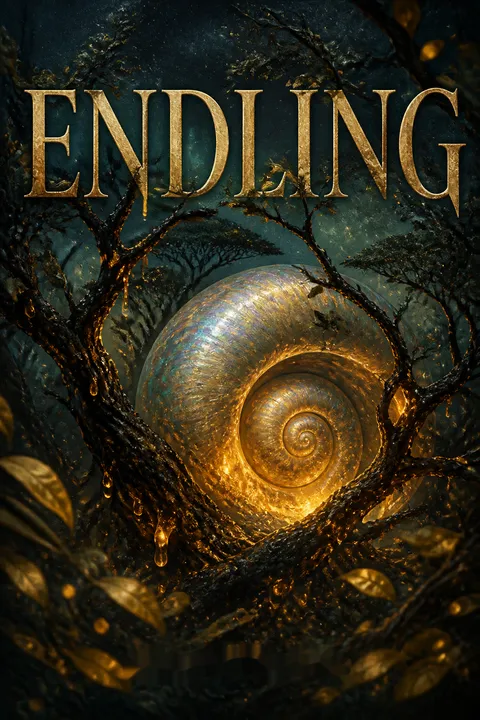
The recurring image of the endling—the last of a species—serves as a powerful metaphor for personal, cultural, and ecological loss. Yeva's vigil over her snails becomes a lens through which to explore grief, hope, and the ethics of care. The motif is echoed in the stories of the characters: Nastia as the last of her line, Pasha as the last to remember a vanished home, the grandfather as the last keeper of memory. The possibility of renewal, however slim, is embodied in the miraculous survival of the left-coiling snails.
Satire and Irony
The novel employs biting satire to expose the absurdities of the marriage industry, the commodification of women, and the machinery of propaganda. Irony is both a shield and a weapon, allowing characters to survive the unbearable and to critique the systems that exploit them. The use of humor in the face of catastrophe is both a coping mechanism and a form of resistance, echoing the Ukrainian tradition of dark jokes in times of crisis.
Propaganda and Performance
The characters are repeatedly forced to perform for the gaze of others: as brides, as grateful civilians, as extras in a propaganda film. The boundaries between reality and fiction dissolve, and the violence of spectacle becomes literal. The novel interrogates the ways in which people are turned into objects, stories, and symbols, and the costs of being forced to play a part in someone else's narrative.
Intergenerational Trauma and Inheritance
The novel is haunted by the legacies of war, occupation, and resistance, as characters inherit wounds, stories, and expectations from their parents and grandparents. The struggle to break free from or redeem these legacies is a central tension, as is the question of what can be saved, remembered, or passed on. The motif of the locked door, the preserved apartment, and the burning of archives recurs as a symbol of both loss and endurance.
Fragmented Structure and Nonlinear Time
The narrative is deliberately fragmented, looping back on itself, revisiting scenes from new angles, and refusing closure. This structure mirrors the chaos of war, the unreliability of memory, and the impossibility of neat endings. The use of meeting minutes, metafictional asides, and alternative versions of events foregrounds the instability of truth and the multiplicity of perspectives.
Download PDF
Download EPUB
.epub digital book format is ideal for reading ebooks on phones, tablets, and e-readers.








































