
Summary Temporarily Unavailable
This summary is temporarily unavailable and is currently being updated. You can still explore the FAQs and other metadata below.
Plot Summary
Sisters Against the Night
Viji, fiercely protective of her older but developmentally disabled sister Rukku, endures their father's violence and their mother's helplessness. Viji's resolve hardens as she witnesses her father's cruelty escalate from their mother to them. She realizes that hope for change is futile, and that her mother's faith in endurance and the afterlife cannot protect them. Viji's love for Rukku is unwavering, and she promises herself to never beg or submit, unlike her mother. The sisters' bond is their only certainty, and Viji's imagination becomes their nightly refuge, spinning tales of magical lands where they rule together, always safe, always together.
Bruises and Broken Promises
On Viji's birthday, their father's drunken rage leaves their mother with a broken arm and both girls with bruises—physical and emotional. Their mother's inability to leave, bound by social stigma and her own broken spirit, leaves Viji feeling alone in her determination to protect Rukku. The girls' isolation is deepened by the community's scorn and the absence of extended family. Viji's anger at her mother's passivity and her father's empty apologies crystallizes into a decision: she must take Rukku and run, even if it means leaving behind the only home they've ever known.
Escape to the Unknown
At dawn, Viji quietly packs their few belongings, including a precious book from a kind teacher, and leads Rukku away from their sleeping parents. Their journey to Chennai is fraught with fear and doubt. Rukku's innocence and trust contrast with Viji's anxiety as they navigate the chaos of the city. A near-encounter with a predatory bus driver is averted by Rukku's quick thinking, and the sisters find themselves alone, penniless, and invisible in a city that does not care. Yet, Viji's resolve is strengthened by Rukku's trust and the memory of their shared stories.
City of Shattered Glass
The sisters' first day in Chennai is a gauntlet of hunger, exhaustion, and threats. A broken glass at a teashop leads to their first job—washing dishes in exchange for food. Teashop Aunty's brief kindness is a rare comfort, but the city's indifference is overwhelming. When Rukku loses her beloved doll, Viji's frustration boils over, but a stray puppy, Kutti, becomes their new companion. The sisters' vulnerability is stark, but their bond and the small joys they find—like sharing a banana or a smile—keep them moving forward.
Bridge of Strangers
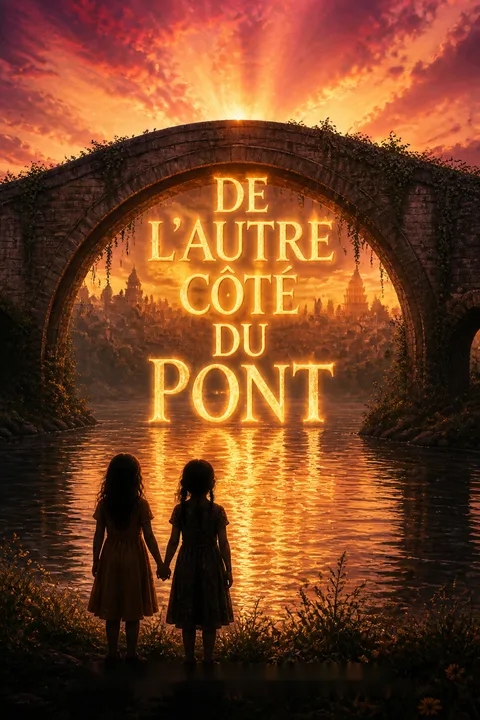
Seeking shelter, the sisters settle on an abandoned bridge, where they meet two homeless boys: Muthu, mischievous and quick-witted, and Arul, gentle and principled. Initial suspicion gives way to camaraderie as the four children share food, stories, and laughter. The bridge, though crumbling and exposed, becomes a place of belonging. Viji's nightly fairy tales, now including the boys, weave hope into their harsh reality. Together, they form a makeshift family, united by necessity and the shared dream of a better life.
Found Family, Found Laughter
The children's days are filled with scavenging, washing in the polluted river, and sharing meager meals. Rukku's beadwork, taught by Teashop Aunty, becomes a source of pride and income. The group's laughter—especially Rukku's, unselfconscious for the first time—transforms their suffering into moments of joy. The boys' acceptance of Rukku's differences and Viji's leadership deepens their bond. Despite hunger and hardship, the children find strength in each other, and Viji begins to hope that together, they can survive anything.
Earning with Dirty Hands
Arul and Muthu teach Viji and Rukku the art of scavenging in the city's vast garbage dumps, the "Himalayas" and "Blue Hills." The work is filthy and dangerous, but it brings a sense of agency and pride. Rukku, excluded at first, proves her worth by sorting recyclables and making bead necklaces to sell. The children's earnings, though meager, are shared equally. Viji learns to let go of her need to control Rukku, recognizing her sister's capabilities and the importance of dignity. Their unity is tested by rival gangs and the ever-present threat of exploitation.
Beads, Bananas, and Balloons
Rukku's necklaces attract buyers, and the children experience a taste of prosperity—new clothes, food, and even a balloon for Rukku. The joy of earning and sharing is tempered by the knowledge that their security is fragile. Viji's dreams of school and a better future resurface, fueled by the kindness of strangers and the children's resourcefulness. Yet, the city's dangers loom: the waste mart man's interest in their home, the monsoon rains, and the constant risk of illness. Still, hope persists, embodied in Rukku's pride and the group's growing sense of family.
Shelter in the Storm
The monsoon brings misery—soaked shelters, swarms of mosquitoes, and sickness. Rukku and Muthu fall ill, and Viji's desperation leads her to a heartbreaking decision: selling Kutti, their beloved dog, to a wealthy family for money to buy medicine. The loss devastates the group, and Viji is wracked with guilt and grief. The children's fragile world unravels as Rukku's condition worsens, and Viji is forced to confront the limits of her strength and the consequences of her choices.
Graveyard of Fears
Driven from the bridge by the waste mart man, the children take refuge in a graveyard. The setting amplifies their fears and vulnerability, but also their resilience. Rukku's illness deepens, and Viji's faith in herself falters. The children's stories and rituals—lighting candles in a church, sharing food scavenged from a wedding—become acts of hope and remembrance. The graveyard, a place of death, paradoxically becomes a sanctuary where the children confront their deepest fears and the reality of mortality.
The Price of Freedom
As Rukku's fever rages, Viji faces an impossible choice: trust a stranger, Celina Aunty, who offers help at a home for working children. Haunted by stories of abuse in institutions, Viji hesitates, but Arul's support and her own desperation push her to seek help. Celina Aunty's compassion and the hospital's care come too late for Rukku, who succumbs to her illness. The loss shatters Viji, but also opens the door to healing, forgiveness, and the possibility of a new life.
Loss, Forgiveness, and Hope
In the aftermath of Rukku's death, Viji is consumed by guilt and anger. Celina Aunty, Arul, and Muthu help her navigate her grief, encouraging her to write, to forgive herself, and to find meaning in her pain. Visits to Rukku's grave, the return of their father seeking forgiveness, and the rediscovery of dreams—teaching, helping others—mark Viji's journey toward acceptance. The bonds forged on the bridge endure, and Viji learns that moving forward does not mean leaving love behind.
Letters Across the Bridge
Encouraged by Celina Aunty, Viji begins to write letters to Rukku, pouring out her memories, regrets, and hopes. Through writing, she reconnects with her sister's spirit and her own sense of purpose. The act of remembering—both the pain and the joy—allows Viji to honor Rukku's life and to carry her forward. The bridge, once a symbol of survival, becomes a metaphor for connection, resilience, and the enduring power of love.
New Beginnings, New Dreams
Viji embraces new opportunities: attending school, volunteering at a center for children with disabilities, and nurturing her dream of becoming a teacher. The friendships with Arul and Muthu deepen, and the memory of Rukku inspires Viji to help others like her. Forgiveness—of her father, herself, and the world—frees Viji to imagine a future filled with hope, purpose, and the possibility of happiness. The story ends with Viji moving forward, carrying Rukku's laughter and love in her heart, ready to build new bridges wherever she goes.
Analysis
Padma Venkatraman's The Bridge Home is a luminous exploration of resilience, love, and the search for belonging amid the harshest circumstances. Through Viji's voice—raw, honest, and fiercely protective—the novel confronts the realities of child homelessness, disability, and abuse in contemporary India. The story's power lies in its refusal to sentimentalize suffering; instead, it honors the agency, creativity, and dignity of its young protagonists. The found family on the bridge is a testament to the human capacity for connection and hope, even when society fails its most vulnerable. Rukku's beadwork and laughter, Arul's faith, Muthu's humor, and Viji's storytelling become acts of resistance against despair. The novel's epistolary structure invites readers into Viji's process of grief and healing, illustrating how memory and imagination can transform loss into purpose. Ultimately, The Bridge Home is a call to empathy and action, urging us to see and value every child, to recognize the bridges—both literal and metaphorical—that connect us, and to believe in the possibility of new beginnings, even after the deepest loss.
Last updated:
Report IssueReview Summary
The Bridge Home is a moving middle-grade novel about two sisters who escape an abusive home in India and survive on the streets with two boys. Readers praised its authentic portrayal of homelessness, child labor, and found family, while appreciating the hopeful moments amidst heartbreak. Many were emotionally impacted by the story, though some felt uncomfortable with certain plot elements. The book received acclaim for its writing style, character development, and ability to raise awareness about important social issues, making it a popular choice for both young and adult readers.
People Also Read

Characters
Viji
Viji is the narrator and emotional core of the story. Her fierce love for her older sister Rukku, who has developmental disabilities, drives her to escape their abusive home. Viji's intelligence, independence, and stubbornness are both her strengths and her burdens; she shoulders responsibility for Rukku and later for her found family on the bridge. Viji's journey is one of learning to trust, to let go of control, and to forgive—herself, her parents, and the world. Her imagination and storytelling are survival tools, and her growth is marked by her ability to accept help, process grief, and dream of a better future.
Rukku
Rukku, Viji's older sister, is perceived as childlike due to her intellectual disability, but she possesses a unique wisdom and kindness. Her love for beads, animals, and simple joys brings light to the group. Rukku's vulnerability is matched by her surprising courage—she defends Viji, befriends strangers, and adapts to hardship with resilience. Her beadwork becomes a symbol of her value and agency. Rukku's illness and death are the story's emotional climax, but her spirit endures in Viji's memories and the lives she touched.
Arul
Arul is an older homeless boy who becomes a protective figure for the group. His Christian faith, moral compass, and calm strength provide stability. Arul's backstory—losing his family in a tsunami—shapes his outlook on suffering and hope. He challenges Viji's cynicism, encourages her to trust, and models forgiveness. Arul's journey is one of finding new family and purpose, and his influence helps Viji process grief and envision a future beyond survival.
Muthu
Muthu is the youngest of the bridge children, quick with jokes and bravado but hiding deep scars from past abuse and betrayal. His humor and energy lift the group's spirits, and his bond with Rukku is especially tender. Muthu's distrust of adults and institutions is rooted in trauma, but his loyalty to his friends is unwavering. Through the group's support, Muthu begins to heal, reclaiming his sense of self-worth and hope.
Kutti
Kutti, the stray puppy adopted by Rukku, represents unconditional love and the small comforts that sustain the children. His presence soothes Rukku and brings the group together. The decision to sell Kutti for medicine is a devastating sacrifice, highlighting the impossible choices poverty demands. Kutti's eventual happiness in a new home offers bittersweet closure and a lesson in letting go.
Teashop Aunty
Teashop Aunty is one of the few adults who shows the children genuine care, offering food, work, and encouragement. Her practical wisdom and small acts of generosity have a lasting impact, especially on Rukku, whose beadwork is inspired by her. Teashop Aunty's departure from the city is a reminder of the transience of kindness in the children's world.
Celina Aunty
Celina Aunty runs a home for working children and becomes a lifeline for Viji and her friends. Her empathy, patience, and refusal to judge create a safe space for healing. She encourages Viji to write, to forgive, and to pursue her dreams. Celina Aunty's own experience with a disabled sister deepens her understanding and connection to Viji.
Amma (Mother)
Viji and Rukku's mother is trapped by social stigma, poverty, and her own sense of duty. Her inability to protect her daughters is a source of pain and anger for Viji, but her love is never in doubt. Amma's faith in endurance and the afterlife contrasts with Viji's insistence on action and change.
Appa (Father)
Appa's violence and alcoholism drive the sisters to flee. His later remorse and plea for forgiveness reveal his own brokenness, and Viji's eventual pity for him marks her growth. Appa's inability to change is a cautionary counterpoint to the children's resilience.
Kumar and Sridar
Kumar and Sridar represent the competition and hostility faced by homeless children. Their interactions with Viji's group highlight the constant threat of violence, exploitation, and death that shadows street life.
Plot Devices
Epistolary Framing
The story is told as a series of letters from Viji to her deceased sister, blending memory, confession, and reflection. This device allows for intimate access to Viji's thoughts and emotions, and frames the story as both a tribute and a process of healing. The act of writing becomes a bridge between past and present, loss and hope.
Found Family
The children's formation of a makeshift family on the bridge is central. Their shared suffering, mutual support, and acceptance of each other's flaws and strengths create a sense of belonging that transcends blood ties. This device challenges traditional notions of family and highlights the resilience of love in adversity.
Symbolism of Bridges and Beads
The ruined bridge is both a literal shelter and a symbol of transition, connection, and vulnerability. Beads, crafted by Rukku, represent creativity, agency, and the beauty found in brokenness. Both motifs recur throughout, reinforcing themes of resilience, hope, and the power of small acts.
Foreshadowing and Circular Structure
Early references to illness, danger, and the fragility of happiness foreshadow Rukku's death and the group's eventual separation. The story's circular structure—beginning and ending with Viji's letters and memories—emphasizes the enduring impact of love and the possibility of new beginnings.
Social Realism
The narrative does not shy away from the harsh realities of homelessness, caste prejudice, child labor, and systemic neglect. These elements ground the story in real-world issues, lending urgency and authenticity to the children's struggles.
About the Author
Padma Venkatraman is an accomplished American author with a diverse background in science and education. Her five novels, including The Bridge Home, have garnered critical acclaim, earning 22 starred reviews and numerous awards. Venkatraman's work often explores themes of resilience, diversity, and social issues, drawing from her experiences living in multiple countries. As a sought-after speaker, she provides keynote addresses, participates in author festivals, and conducts workshops. Her latest novel, Born Behind Bars, continues to showcase her talent for crafting impactful stories that resonate with readers of all ages.
Download PDF
Download EPUB
.epub digital book format is ideal for reading ebooks on phones, tablets, and e-readers.








































