
Plot Summary
Nightmares and Broken Bodies
Maksym, a hardened Bratva enforcer, is tormented by recurring nightmares of his brutal captivity and torture at the hands of a rival Russian mafia, The Thieves. His body is scarred, his mind fractured, and his soul haunted by the memory of his beloved Taya, whose gentle presence once soothed his pain. Now, even in freedom, he remains a prisoner of trauma, unable to find solace. The brotherhood that once gave him purpose now feels hollow, and the only thing that keeps him moving is the memory of Taya and the code of loyalty that binds him to his Bratva family. The pain of his past is ever-present, shaping his every thought and action.
News of Taya's Death
Maksym's fragile recovery is shattered when his brother-in-arms, Demyan, delivers the news that Taya has been murdered—stabbed outside her workplace. The loss is a wound deeper than any physical scar, and guilt gnaws at him for not being there to protect her. The pain is compounded by the knowledge that her death is likely retribution for his own escape from The Thieves. Grief turns to rage, and Maksym's only solace is the promise of vengeance. He vows to find those responsible, no matter the cost, and to make them pay in blood. The world narrows to a single, burning purpose: revenge.
Vows of Vengeance
Consumed by grief and rage, Maksym throws himself into brutal physical training, determined to heal his body and sharpen his mind for the hunt ahead. He takes on the role of executioner within the Bratva, channeling his pain into violence against those who cross the brotherhood. Yet, the reports of Taya's death being a random act do not convince him. Instinct tells him it was orchestrated by The Thieves. With the help of his brothers and the hacker Larissa, Maksym begins to unravel the truth, searching for the mark of his enemies and the thread that will lead him to Taya's killers.
The Mark of the Thieves
Larissa uncovers crucial evidence: a hidden tattoo—a six-pointed star—identifying members of The Thieves. Security footage reveals Taya's killer bore this mark, and Yuri, the leader of The Thieves, was present nearby. The revelation confirms Maksym's suspicions and ignites his fury. The path to vengeance becomes clear: to reach Yuri, he must find his weakness. Larissa's research reveals Yuri's daughter, Olena, is vulnerable. Maksym resolves to abduct her, using her as leverage to draw Yuri out and exact his revenge. The lines between justice and cruelty begin to blur.
Olena: The Target
Olena, Yuri's sheltered daughter, lives under constant surveillance, isolated by her father's paranoia and power. She longs for freedom and normalcy, but her life is dictated by bodyguards and secrets. When Maksym enters her world, she is both frightened and inexplicably drawn to his dangerous presence. Their first encounter is charged with tension and forbidden attraction. Olena senses the threat beneath his charm, but her yearning for connection blinds her to the peril she faces. She is about to become a pawn in a deadly game she cannot comprehend.
The Abduction
Maksym executes his plan with ruthless efficiency, killing Olena's guards and sedating her before whisking her away to the Bratva compound. Olena awakens to terror and confusion, stripped of her autonomy and dignity. Maksym's presence is both menacing and magnetic, and she is forced to confront the reality of her captivity. The Bratva's code demands obedience, and Maksym is determined to break her will to serve his purpose. Yet, beneath the brutality, a strange connection begins to form—a flicker of empathy, a recognition of shared pain.
Captive and Captor
Olena's captivity is marked by humiliation, punishment, and psychological warfare. Maksym alternates between cruelty and unexpected tenderness, testing her limits and forcing her into submission. He is haunted by memories of his own torture and loss, and Olena's defiance both infuriates and fascinates him. As she endures his punishments, she glimpses the broken man beneath the enforcer's mask. Their dynamic becomes a twisted dance of domination and resistance, with moments of vulnerability that hint at something deeper than hatred or revenge.
The First Punishments
Maksym disciplines Olena with spankings and restraints, determined to teach her obedience. Yet, the punishments awaken unexpected desires in both captor and captive. Olena's body betrays her, responding to his dominance with arousal, even as her mind rebels. Maksym is tormented by guilt and longing, torn between his vow of vengeance and the growing attraction he feels for his prisoner. Their encounters blur the line between pain and pleasure, punishment and reward, forging a bond neither can deny.
Defiance and Submission
Olena's spirit refuses to break, and her defiance provokes harsher punishments. Yet, each act of rebellion is met with a complex mix of discipline and care. Maksym is forced to confront his own boundaries, questioning the morality of his actions and the true nature of his feelings for Olena. As they navigate the shifting power dynamic, moments of trust and honesty emerge. Olena reveals scars from her past, and Maksym begins to see her not as a pawn, but as a person—one who has suffered at the hands of men like him.
Unlikely Confessions
In the quiet aftermath of violence, Maksym and Olena share confessions of pain and loss. Maksym reveals the depth of his trauma, haunted by nightmares of his captivity and the death of Taya. Olena admits her hatred for her father and the isolation she has endured. Their mutual vulnerability creates a fragile connection, a sense of understanding that transcends their roles as captor and captive. For the first time, the possibility of forgiveness and healing flickers between them, even as danger looms.
The Attack in the Night
Their uneasy peace is shattered when an assassin infiltrates the compound and attempts to strangle Olena. Maksym's protective instincts override his mission of vengeance, and he saves her life, realizing he cannot bear to lose her. The attack exposes a traitor within the Bratva and forces Maksym to relocate Olena to a remote cabin—his former home with Taya. The move is both a retreat and a reckoning, as the ghosts of the past collide with the uncertain future.
Flight to the Cabin
In the isolation of the cabin, Maksym and Olena are forced to confront their pasts and the reality of their situation. The cabin, once a place of love and hope, is now a battleground for guilt and longing. Maksym struggles with memories of Taya, while Olena grapples with her growing feelings for her captor. Their relationship deepens, marked by moments of tenderness and raw honesty. Yet, the threat of betrayal and violence remains ever-present, and trust is a fragile, hard-won prize.
Ghosts of the Past
As days pass in uneasy peace, Maksym and Olena share stories of their childhoods, losses, and dreams. Maksym confesses the truth about Taya and the darkness that has shaped him. Olena reveals her own scars, both physical and emotional, and the pain of being used as a pawn by her father. Their confessions become a form of absolution, allowing them to see each other as more than enemies. The possibility of love emerges, tentative and hard-earned, as they begin to imagine a future beyond violence.
Betrayal Within the Brotherhood
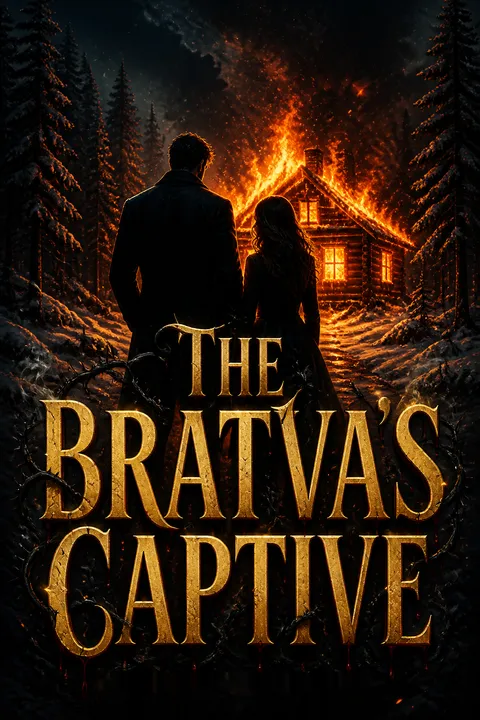
The fragile sanctuary is destroyed when a traitor within the Bratva betrays Maksym's location, leading to an arson attack that engulfs the cabin in flames. Maksym and Olena barely escape with their lives, pursued through the forest by unseen enemies. The betrayal exposes the rot within the brotherhood and forces Maksym to confront the limits of loyalty and trust. Olena's courage and resourcefulness become vital to their survival, and their bond is tested in the crucible of danger.
The Angel Revealed
In the aftermath of the fire, Maksym and Olena find refuge with strangers and finally confess the truth that has haunted them both: Olena was the "angel" who comforted Maksym during his captivity, risking her life to bring him water and solace. The revelation transforms their relationship, binding them together by fate and gratitude. Maksym realizes he cannot use Olena as a pawn any longer—she is his salvation, not his tool for revenge. Their love, born of pain and sacrifice, becomes a source of hope.
Fire and Escape
As they return to the Bratva compound, Maksym and Olena are confronted by the full extent of the betrayal within their ranks. The traitor is revealed, and the brotherhood prepares for war with The Thieves. Olena, torn between her love for Maksym and her desire for freedom, makes a desperate choice to escape, seeking help from Larissa. Her flight sets off a chain of events that leads to a violent confrontation between the rival mafias, with Olena once again caught in the crossfire.
The Final Confrontation
The Bratva and The Thieves clash in a brutal battle, with Maksym fighting to save Olena from her father's wrath. Olena is captured and faces torture at the hands of Yuri, but Maksym infiltrates the enemy ranks to rescue her. In a final act of retribution, Maksym kills Yuri, ending the cycle of violence that began with Taya's death. The cost is high, but the chains of the past are finally broken. Maksym and Olena are free—but forever changed.
Blood, Freedom, and Forgiveness
With their enemies defeated and the traitor punished, Maksym and Olena must decide what kind of life they want to build. Both are scarred by violence and loss, but together they find the strength to forgive themselves and each other. Maksym chooses to leave the Bratva, seeking a new beginning far from the shadows of his past. Olena, no longer a pawn, claims her own agency and future. Their love is imperfect, forged in fire, but it is real—a testament to the power of redemption.
A New Life Begins
In a new country, under new names, Maksym and Olena start over. Surrounded by allies and family, they build a life defined not by violence, but by love and trust. The ghosts of the past linger, but no longer dictate their future. Maksym finds peace in Olena's arms, and Olena discovers the freedom she always longed for. Together, they prove that even the most broken souls can find healing—and that love, once found, is worth any price.
Analysis
A modern dark romance of trauma, power, and healing
The Bratva's Captive is a visceral exploration of the ways trauma shapes identity and relationships, set against the violent backdrop of Russian organized crime. The novel interrogates the boundaries between victim and perpetrator, love and obsession, punishment and care. Through the evolving relationship between Maksym and Olena, the story challenges the reader to consider the possibility of redemption even for the most broken souls. The use of alternating perspectives, psychological realism, and explicit depictions of power dynamics creates a narrative that is both unsettling and deeply human. Ultimately, the book suggests that healing is possible—not through denial or revenge, but through the hard work of forgiveness, vulnerability, and the willingness to build something new from the ashes of the past. In a world defined by violence and betrayal, love becomes an act of rebellion, and the choice to trust is the bravest act of all.
Review Summary
The Bratva's Captive receives mostly positive reviews, with readers praising its intense storyline, complex characters, and steamy romance. Many appreciate the emotional depth and character development, particularly of Maksym and Olena. The book is noted for its dark themes, captivating plot twists, and passionate scenes. Some readers found it too intense or had issues with the power dynamics. Overall, it's considered a compelling addition to the Wicked Doms series, with strong writing and a satisfying conclusion.
People Also Read
Characters
Maksym Alexeev
Maksym is the Bratva's executioner, a man forged in violence and scarred by trauma. His loyalty to the brotherhood is absolute, but the loss of his beloved Taya and the torture he endured at the hands of The Thieves have left him broken and adrift. Driven by vengeance, he kidnaps Olena to use as leverage, but her defiance and vulnerability awaken something long dormant within him. Maksym's journey is one of painful self-discovery, as he confronts the darkness within and learns to forgive himself. His relationship with Olena transforms him from a tool of violence into a man capable of love and mercy, though the path is fraught with guilt, rage, and the ever-present threat of relapse into brutality.
Olena Baranova
Olena is the sheltered daughter of Yuri, leader of The Thieves. Raised in isolation and ignorance, she is thrust into a world of violence when Maksym abducts her. Her initial terror gives way to defiance, and her resilience is tested by humiliation, punishment, and the psychological games of her captor. Olena's journey is one of awakening—both to her own desires and to the reality of her father's cruelty. Her compassion and courage become a lifeline for Maksym, and her willingness to risk everything for love marks her transformation from victim to survivor. Ultimately, Olena claims her agency, choosing forgiveness and hope over bitterness and fear.
Taya
Taya is Maksym's beloved, whose murder sets the story in motion. Though she appears only in memory and dream, her presence haunts Maksym, representing all he has lost and the innocence destroyed by violence. Taya's death is both a wound and a catalyst, driving Maksym's quest for vengeance and shaping his inability to move on. Her memory is a source of both pain and healing, and her influence lingers as Maksym learns to love again.
Yuri Baranov
Yuri is the leader of The Thieves and Olena's father. Cold, calculating, and merciless, he values power above all else—even the lives of his own family. His willingness to use Olena as a pawn and to order her torture reveals the depth of his depravity. Yuri's actions are driven by pride and the need to maintain control, but his inability to inspire true loyalty leads to his downfall. He is both a symbol of the old order and a cautionary tale of the cost of unchecked ambition.
Demyan
Demyan is the Bratva's pakhan, a man of discipline and authority. He is Maksym's closest friend and confidant, providing guidance and support throughout the ordeal. Demyan's loyalty is unwavering, but he is not blind to the flaws within the brotherhood. His relationship with Larissa and his willingness to adapt mark him as a leader capable of change. Demyan's pragmatism and sense of justice are crucial in navigating the treacherous waters of betrayal and revenge.
Larissa
Larissa is Demyan's wife and the Bratva's resident hacker. Fiercely intelligent and independent, she is both an asset and a potential liability. Her skills uncover the truth behind Taya's murder and the identity of the traitor within the brotherhood. Larissa's empathy for Olena and her willingness to challenge the men around her make her a vital bridge between the worlds of violence and compassion. She is a survivor in her own right, having once been a captive herself.
Filip
Filip is a member of the Bratva whose betrayal nearly destroys the brotherhood. Motivated by self-interest and resentment, he sabotages Maksym's plans and aids The Thieves. Filip's duplicity is a reminder that danger often comes from within, and his eventual unmasking is both a moment of catharsis and a warning about the corrosive effects of mistrust.
Nicolai
Nicolai is a younger member of the Bratva, recruited from the American brotherhood. His special forces training and loyalty make him a valuable asset. Nicolai's connection to Olena—revealed late in the story—adds a layer of complexity and hope, suggesting that family can be found even in the unlikeliest of places.
Shepherd
Shepherd, the stray dog adopted by Maksym and Olena, serves as a symbol of loyalty, protection, and the possibility of redemption. His presence offers comfort and a sense of normalcy amid chaos, reflecting the characters' longing for home and safety.
Taya's Memory
Though not a character in the traditional sense, the memory of Taya functions as a guiding force for Maksym, shaping his actions and serving as a touchstone for his conscience. Her influence is both a source of torment and a beacon of hope, reminding Maksym of what he has lost and what he might still gain.
Plot Devices
Trauma as a Prison and Catalyst
The narrative is structured around the enduring effects of trauma—both physical and psychological. Maksym's nightmares and flashbacks serve as both exposition and motivation, revealing the depth of his wounds and the impossibility of simple healing. Olena's own scars, both literal and metaphorical, mirror Maksym's, creating a bond forged in shared suffering. The story uses trauma not only as a source of conflict but as a catalyst for transformation, forcing characters to confront their pasts and choose between vengeance and forgiveness.
Power Dynamics and Submission
The relationship between Maksym and Olena is defined by shifting power dynamics, explored through scenes of punishment, submission, and reluctant trust. The use of physical discipline, restraints, and psychological games blurs the line between cruelty and care, forcing both characters to question their roles as victim and perpetrator. The narrative structure alternates perspectives, allowing readers to experience the internal struggles of both captor and captive, and to witness the gradual evolution from domination to partnership.
Betrayal and Loyalty
The plot is driven by the ever-present threat of betrayal—within families, organizations, and even oneself. The revelation of a traitor within the Bratva adds suspense and urgency, while the shifting allegiances of characters like Larissa and Nicolai complicate the notion of loyalty. Foreshadowing is used to build tension, with early hints of sabotage and duplicity paying off in dramatic confrontations and reversals.
Redemption and Forgiveness
At its core, the story is about the search for redemption—both personal and collective. Maksym's journey from vengeance to forgiveness is mirrored by Olena's transformation from pawn to survivor. The narrative structure allows for moments of confession, vulnerability, and absolution, culminating in the choice to leave the past behind and build a new life. The use of symbolic elements—such as the "angel" who ministers to Maksym, or the burning of the cabin—reinforces the theme of rebirth through suffering.
Duality and Mirroring
The story frequently employs mirroring—between Maksym and Olena, between past and present, between violence and tenderness. Their shared experiences of captivity, loss, and betrayal create a sense of inevitability and fate, while their differences highlight the possibility of change. The alternating perspectives and repeated motifs (such as the scent of roses, or the act of rescue) create a sense of unity and resonance, drawing the reader into the emotional arc of the characters.
Download PDF
Download EPUB
.epub digital book format is ideal for reading ebooks on phones, tablets, and e-readers.








































