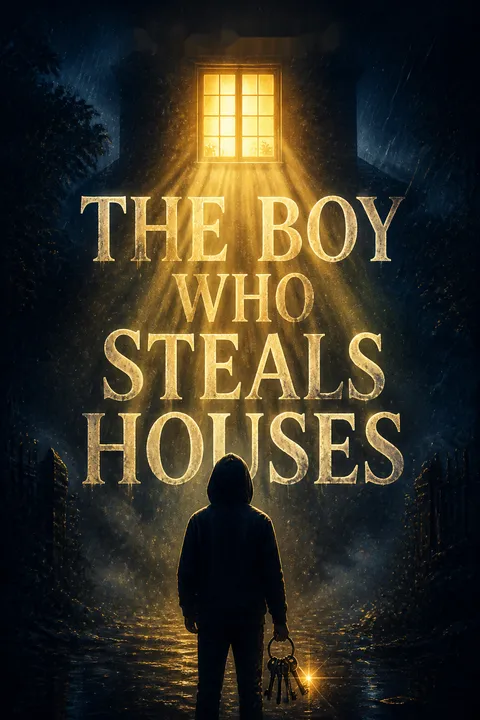

Plot Summary
Night of Broken Locks
Fifteen-year-old Sam Lou, battered and hungry, attempts to break into an empty house under cover of darkness. His lock-picking skills, a point of pride, fail him tonight—his hands are slick with blood, his nerves frayed. The arrival of his older brother Avery, anxious and unpredictable, complicates the job. Their banter is laced with love and frustration, revealing a history of codependence and trauma. Sam's life is a cycle of breaking and entering, not for thrill or greed, but for shelter and fleeting safety. The night ends with the brothers inside, but their fragile peace is shattered by old wounds and new arguments, setting the tone for a story of survival, loyalty, and longing for home.
Brothers in the Shadows
The brothers' relationship is a tangle of fierce love and mutual resentment. Avery, autistic and older, is both vulnerable and volatile, his needs overwhelming Sam's own. Sam's violence—always in defense of Avery—haunts them both. Their argument over plans for escape and survival exposes the cracks in their partnership. Avery's impulsive threat to leave, and Sam's desperate fear of abandonment, echo the traumas of their childhood. The night ends with Avery storming out, leaving Sam alone with guilt and the ache of being unwanted. Their bond, tested by poverty and abuse, is both their salvation and their curse.
The House of Sunflowers
After a night of rain and fever, Sam stumbles upon a chaotic, sun-yellow house brimming with evidence of life and love. He breaks in, seeking medicine and rest, and is overwhelmed by the warmth and mess of the De Lainey family home. The house, with its overflowing laundry, glittery whiteboard, and signs of a large, boisterous family, offers a stark contrast to Sam's rootless existence. He collapses in an armchair, lulled by the comfort and safety he's never known. For a moment, he allows himself to dream of belonging, even as he knows he's only a thief passing through.
Invisible Among the De Laineys
Sam awakens to the noise of the De Lainey family's return. Panicked, he hides in a cupboard, heart pounding as the house fills with laughter and chaos. Mistaken for a friend of one of the many De Lainey children, Sam is swept into the current of their Sunday lunch. He is invisible, yet included—fed, teased, and put to work washing dishes. The family's easy acceptance and noisy affection are intoxicating and painful. Sam, always on the outside, is drawn into their orbit, stealing not just shelter but the feeling of family. For the first time, he is seen and not judged.
Borrowed Family, Stolen Lunch
Sam spends the day with the De Laineys—at the beach, in the kitchen, around the dinner table. He is folded into their rituals: swimming, eating waffles, watching movies. Moxie, the sharp-tongued, creative daughter, becomes his anchor. Their banter is electric, their connection immediate. Sam is both terrified and elated by the ease with which he fits. Yet, guilt gnaws at him; he is a thief, an impostor, and the threat of discovery looms. The day is a stolen paradise, a glimpse of the life he's always wanted but believes he can never have.
Waffles and Wounds
As the De Lainey house quiets, Sam is left alone with his hunger—for food, for love, for safety. He sneaks back into the office to sleep, unable to let go of the comfort he's found. Memories of childhood abuse and neglect surface, fueling his belief that he is unworthy of kindness. The next morning, he is wracked with guilt over the money he stole from the family's emergency fund. His self-loathing intensifies, and he flees, convinced he can never truly belong. The cycle of hope and self-destruction continues, each act of survival costing him a piece of his soul.
The Weight of Keys
Sam's most treasured possessions are the keys he steals from every house he breaks into. Each key is a talisman, a memory of fleeting safety, a symbol of his longing for home. The keys are his map of survival, his proof of existence. When Avery's new friends betray him, and Sam's backpack of keys is thrown into the sea, he is gutted. The loss is more than material—it is the erasure of his story, his identity. The keys represent everything he cannot say: his need to be wanted, his fear of being forgotten, his desperate hope for a place to belong.
Glitter and Guilt
Sam's secret is discovered when Moxie catches him living in the De Lainey house. In a panic, she douses him in glitter, marking him as an intruder. Humiliated and heartbroken, Sam flees, convinced he has ruined his one chance at happiness. The glitter becomes a symbol of his shame, impossible to wash away. He seeks refuge with Avery, only to find his brother entangled with dangerous people. Sam's world narrows to survival and regret. The weight of his choices, and the pain of being seen as a monster, threaten to crush him. Yet, the memory of Moxie's kindness lingers, a spark of hope in the darkness.
The Cost of Survival
Desperation drives Sam deeper into crime. He and Avery run scams, pick pockets, and fall in with Vin, a ruthless criminal who exploits their skills. Sam's violence escalates, mirroring the abuse he suffered as a child. He is haunted by the fear that he is becoming his father—a man who hurt to survive. The line between protector and perpetrator blurs. When Vin betrays him, and Avery is caught in the crossfire, Sam's world implodes. The cost of survival is innocence, trust, and the possibility of redemption. Sam is left with blood on his hands and nowhere to turn.
Moxie's Forgiveness
Haunted by guilt, Sam returns to the De Laineys to apologize. Moxie, fierce and wounded, demands honesty. Through small acts—gifts of thread, fabric, and caramel chocolates—Sam begins to rebuild trust. Moxie's forgiveness is hard-won, conditional, and transformative. She invites him back into her world, not as a thief, but as a friend and partner. Together, they create—sewing, cooking, dreaming of futures beyond survival. Sam learns that forgiveness is not erasure, but the willingness to try again. The possibility of love, fragile and real, offers him a reason to hope.
Summer's Last Dance
The end of summer is marked by a beach party, a celebration of youth and possibility. Sam, dressed in a waistcoat Moxie made, feels almost whole. For a night, he is just a boy in love, dancing under the stars. But the past catches up—an old enemy recognizes him, and violence erupts. Sam's protective rage is unleashed, and he nearly kills a boy who threatens Moxie. The cycle of violence, inherited and learned, reasserts itself. The night ends in blood and flight, shattering the illusion of safety. Sam is forced to confront the truth of who he is and what he has done.
The Truth Unravels
Wounded and hunted, Sam is drawn back into Vin's world, coerced into one last crime. Betrayal and violence culminate in a brutal alleyway confrontation, where Sam is stabbed protecting Avery. As he bleeds out, he is held by his brother, the roles of protector and protected finally reversed. The truth of Sam's life—his crimes, his love, his longing—is laid bare. In the hospital, he faces the consequences: police, social workers, the loss of freedom. Moxie visits, torn between anger and love, demanding honesty and change. Sam's journey of hiding and running is over; the only way forward is through.
The Breaking Point
Sam's recovery is slow and painful. The threat of prison looms, and the system seems indifferent to his suffering. Evans, his social worker, is cold and unsympathetic, intent on separating the brothers. Sam's escape attempt is a final act of desperation, a refusal to be caged. Bleeding and broken, he returns to the De Laineys, seeking forgiveness and a place to belong. Mr. De Lainey offers him a choice: keep running, or stay and build something real. The moment is quiet, but seismic—a turning point where Sam must decide if he is worthy of love, and if he can accept help.
Blood and Buttons
Moxie finds Sam on the steps, bleeding and defeated. She tends his wounds, both physical and emotional, refusing to let him disappear into self-loathing. Their conversation is raw and honest—about violence, forgiveness, and the possibility of change. Avery arrives, exhausted and afraid, but willing to try for a new life. Mr. De Lainey offers them both a place, a job, and the promise of family. The act of caring—bandaging wounds, sharing food, making space—is revolutionary. Sam learns that love is not stolen, but built, one act of trust at a time. The future is uncertain, but hope is real.
Building a Home
The De Lainey house becomes a place of healing and possibility. Sam and Avery are invited to stay, to work, to be part of something larger than themselves. The process is slow, fraught with setbacks and fears. Sam must face the legal consequences of his actions, but he does so with the support of people who care. The act of building—houses, relationships, a sense of self—is both literal and metaphorical. Sam learns that home is not a place you steal, but one you create, brick by brick, with patience and love. The journey is ongoing, but the foundation is strong.
The Choice to Stay
In the final moments, Sam is given a choice: keep running, or stay and fight for a future. He chooses to stay, to face the consequences, to build a life with the people who have shown him kindness. The story ends not with resolution, but with the promise of growth. Sam is no longer the boy who steals houses; he is the boy who learns to build one. The act of picking up the phone, of asking for help, is an act of courage. The past cannot be erased, but the future is unwritten. Sam's story is one of survival, transformation, and the enduring power of love.
Analysis
C.G. Drews' The Boy Who Steals Houses is a raw, unflinching exploration of trauma, survival, and the longing for home. Through the lens of two brothers battered by abuse and neglect, the novel interrogates the meaning of family, the cost of violence, and the possibility of redemption. Drews crafts a narrative that is both harrowing and hopeful, refusing easy answers or tidy resolutions. The story's power lies in its emotional honesty—the depiction of Sam's guilt, rage, and yearning is visceral and deeply affecting. The De Lainey family, with their chaos and kindness, offer a vision of what healing can look like: messy, imperfect, but real. The novel challenges readers to consider the ways we fail and save each other, the importance of chosen family, and the courage it takes to ask for help. Ultimately, The Boy Who Steals Houses is a testament to resilience, the transformative power of love, and the belief that even the most broken among us can find a place to belong.
Review Summary
The Boy Who Steals Houses by C.G. Drews receives overwhelming praise with a 4.27/5 rating. Readers describe it as emotionally devastating yet hopeful, following fifteen-year-old Sam and his autistic brother Avery as they break into empty houses seeking safety. The chaotic, loving De Lainey family becomes central when Sam accidentally invades their home. Reviewers praise the authentic autism representation, complex family dynamics, raw depiction of homelessness and abuse, and beautiful writing style. Many compare it favorably to the author's debut. Common reactions include tears, emotional attachment to characters, and appreciation for themes of found family and redemption despite dark subject matter.
People Also Read


Characters
Sam Lou
Sam is a fifteen-year-old boy shaped by trauma, poverty, and relentless responsibility. Forced to care for his autistic older brother, Avery, after their parents' abuse and abandonment, Sam becomes a master lock-picker and house thief—not for greed, but for shelter and fleeting safety. His psyche is a battleground of guilt, rage, and longing. Sam's violence is always in defense of Avery, but it terrifies him, echoing the brutality of his father. He is fiercely loyal, self-sacrificing, and deeply lonely, convinced he is unworthy of love. Sam's journey is one of seeking belonging, learning to accept help, and choosing to build rather than steal a home.
Avery Lou
Avery, two years older than Sam, is autistic, sensitive to chaos, and struggles with social cues and emotional regulation. His needs are overwhelming, often triggering meltdowns and self-harm. Avery's innocence and naivety make him easy prey for exploitation, yet he is also resourceful and mechanically gifted. His relationship with Sam is both a lifeline and a source of pain—he depends on Sam, but resents the control. Avery's journey is about learning to assert his independence, accept help, and believe he is worthy of care. His love for Sam is unwavering, and in the end, he becomes the protector when Sam is at his most vulnerable.
Moxie De Lainey
Moxie is the heart of the De Lainey family—a sharp-tongued, passionate girl with a gift for sewing and a deep well of empathy. She is burdened by the loss of her mother and the expectation to fill that void, often at the expense of her own dreams. Moxie's relationship with Sam is electric, built on mutual recognition of pain and longing. She demands honesty, offers forgiveness, and refuses to let Sam disappear into self-loathing. Moxie is both anchor and catalyst, challenging Sam to believe in the possibility of love and a future beyond survival.
Reece De Lainey
Mr. De Lainey is the patriarch of the chaotic, loving household that becomes Sam's accidental sanctuary. A builder by trade and by nature, he is patient, kind, and quietly heroic. He offers Sam and Avery not just shelter, but the chance to build something real—a home, a future, a sense of belonging. His approach is pragmatic and compassionate, understanding that healing takes time and that love is an act, not a promise. He becomes the father Sam never had, modeling what it means to care without conditions.
Vin
Vin is a manipulative, ruthless criminal who preys on vulnerable youth like Sam and Avery. She offers the illusion of safety and belonging, but her affection is transactional and her loyalty fleeting. Vin's relationship with Avery is exploitative, using his skills and naivety for her own gain. She is a mirror of the world's indifference and cruelty, pushing Sam to the brink of self-destruction. Vin's violence and betrayal force Sam to confront the darkness within himself and choose a different path.
Jack and Jeremy De Lainey
Jack and Jeremy are the twin sons of the De Lainey family, embodying the noisy, affectionate chaos of their home. Jack is brash and reckless, Jeremy warm and nurturing. Their sibling rivalry is fierce but loving, and they quickly accept Sam as one of their own. The twins provide comic relief, support, and a model of brotherhood that is both aspirational and real. Their presence helps Sam imagine a life where love is loud, messy, and unconditional.
Grady De Lainey
Grady is the oldest De Lainey sibling, bookish and reserved, often acting as the voice of reason in the family's chaos. He is protective, quietly supportive, and offers Sam a model of stability and responsibility. Grady's presence is grounding, reminding Sam that strength can be gentle and that leadership is about care, not control.
Dash De Lainey
Dash, one of the younger De Lainey children, is a whirlwind of creativity and energy. Her love of fantasy and playfulness brings lightness to the story, reminding Sam of the innocence and joy he lost too soon. Dash's acceptance of Sam is immediate and unconditional, offering him a glimpse of the childhood he never had.
Evans (Social Worker)
Evans represents the impersonal, often hostile face of the child welfare system. He is efficient, unsympathetic, and more interested in procedure than people. His interactions with Sam and Avery highlight the failures of institutions to address trauma and complexity. Evans is an obstacle to healing, forcing Sam to fight for agency and dignity.
The Lou Parents and Aunt Karen
Sam and Avery's parents are defined by violence, neglect, and abandonment. Their father's abuse and mother's disappearance leave deep scars, shaping the brothers' fears and behaviors. Aunt Karen, their reluctant guardian, is cold and punitive, reinforcing their belief that they are unwanted. These adults are the ghosts Sam and Avery must exorcise to build new lives.
Plot Devices
Nonlinear Narrative and Flashbacks
The novel employs a nonlinear structure, weaving flashbacks of Sam and Avery's childhood with the present-day narrative. These glimpses into their past—moments of abuse, neglect, and fleeting happiness—provide context for their actions and emotional wounds. The flashbacks are strategically placed to heighten emotional impact, foreshadow key events, and deepen the reader's understanding of the brothers' bond and struggles. This structure allows the story to build empathy and suspense, gradually revealing the full extent of their trauma and the stakes of their choices.
Symbolism of Keys and Houses
Keys are a recurring symbol, representing Sam's longing for safety, belonging, and identity. Each stolen key is a memory, a marker of survival, and a silent wish for home. Houses, in turn, symbolize both sanctuary and unattainability—the dream of a place to belong, always just out of reach. The act of stealing houses is both literal and metaphorical, reflecting Sam's desperate attempts to claim what he has been denied. The eventual shift from stealing to building a home marks his journey toward healing and self-acceptance.
Found Family and Chosen Belonging
The De Lainey family serves as a foil to Sam and Avery's fractured home life. Their noisy, loving chaos offers a vision of what family can be—messy, imperfect, but safe and nurturing. The theme of found family is central, challenging the idea that blood is destiny. Sam's gradual acceptance into the De Laineys, and his relationship with Moxie, illustrate the transformative power of chosen belonging. The story suggests that healing is possible, not through erasure of the past, but through the creation of new, loving connections.
Cycles of Violence and Redemption
Violence is both a legacy and a survival strategy for Sam. The novel explores the cyclical nature of abuse—how victims can become perpetrators, and how breaking the cycle requires courage, support, and self-forgiveness. Sam's fear of becoming his father, and his eventual choice to seek help and accept love, are central to the narrative's emotional arc. Redemption is not presented as a single act, but as an ongoing process of accountability, vulnerability, and change.
Foreshadowing and Parallelism
The narrative is rich with foreshadowing—early scenes of violence, abandonment, and longing echo in later events. The parallel journeys of Sam and Avery, their shifting roles as protector and protected, and the mirroring of their childhood traumas in present-day crises, create a sense of inevitability and poignancy. The story's resolution is seeded throughout, inviting readers to hope even as they fear the worst.
The Boy Who Steals Houses Series
About the Author




Download PDF
Download EPUB
.epub digital book format is ideal for reading ebooks on phones, tablets, and e-readers.








































