
Plot Summary
Culloden's Shadow
The novel opens in the bloody aftermath of the Battle of Culloden, where Iain MacGillivray lies wounded among the dead and dying. The moor is a place of horror, echoing with the cries of the fallen and the brutality of the victorious government troops. Iain's face is scarred by grapeshot, and his cousin Lachlan dies beside him, symbolizing the shattering of the Highland way of life. The trauma of defeat, the loss of kin, and the collapse of the Jacobite cause set the emotional tone for the years to come. The survivors, marked by physical and psychological wounds, must navigate a world where their loyalties are dangerous and their identities are under threat. Culloden's shadow lingers, shaping every choice and relationship in the years that follow.
The Bookseller's Wounds
Six years after Culloden, Iain MacGillivray runs a bookshop in Inverness, his face visibly marked by the battle. The shop is both a refuge and a prison, filled with the ghosts of the past and the tensions of the present. Iain's daily life is shaped by routine and caution, his interactions with townsfolk tinged with suspicion and grief. The shop's bindery, run by the volatile Donald Mòr, is a microcosm of Highland resilience and secrecy. Iain's relationships—with his formidable grandmother Mairi, the loyal but haunted Aeneas, and the townspeople—are colored by loss, pride, and the ever-present threat of government scrutiny. The wounds of war are not only physical but deeply psychological, manifesting in isolation, mistrust, and a longing for meaning.
The Grandes Dames' Secrets
Mairi Farquharson and her circle of elderly friends, the Grandes Dames, are the keepers of Jacobite tradition and memory. Their gatherings are filled with coded toasts, loyal songs, and reminiscences of lost husbands and sons. These women have survived imprisonment, betrayal, and the destruction of their families, yet their spirit endures. Their influence on Iain is profound, shaping his sense of duty and identity. The Dames' secrets—of past risings, clandestine communications, and personal sacrifices—form a hidden network of resistance. Their presence is both comforting and burdensome, a reminder of the cost of loyalty and the impossibility of forgetting. Through them, the novel explores the intergenerational transmission of trauma and hope.
Ghosts in the Bookshop
The uneasy calm of Iain's life is broken when a stranger is found murdered in his shop, a white cockade tied to the murder weapon—a symbol of Jacobite allegiance. The killing draws the attention of both the town's authorities and the British garrison, threatening to expose old loyalties and hidden networks. Iain is forced to confront the unresolved dangers of his past, as suspicion falls on him and those close to him. The bookshop, once a sanctuary, becomes a site of fear and investigation. The murder is not just a crime but a message, signaling that the old conflicts are far from over. The ghosts of the past, both literal and metaphorical, are stirred, and the fragile peace of post-Culloden Inverness is shattered.
The White Cockade Murders
As more bodies are discovered, each marked by the white cockade, it becomes clear that someone is enacting a deadly reckoning among those suspected of betrayal during the Jacobite risings. The murders target both prominent and obscure figures, exposing old wounds and hidden enmities. Iain, caught between suspicion and duty, must navigate a web of secrets that implicates friends, family, and himself. The killings force the community to confront its divided loyalties and the unresolved legacy of the rebellion. The white cockade, once a symbol of hope, becomes an emblem of vengeance and fear. The line between justice and revenge blurs, and the true cost of loyalty is revealed in blood.
The King's Agent Returns
Iain's father, Hector MacGillivray, long thought dead or exiled, returns to Inverness under a false identity. His arrival is both a blessing and a curse, bringing hope of renewed purpose but also drawing the attention of government agents and old enemies. Hector is on a secret mission for the exiled Stuart king, seeking to uncover a traitor within the Jacobite ranks. His presence forces Iain to confront unresolved feelings of abandonment, admiration, and resentment. The reunion is fraught with tension, as father and son must work together while navigating the dangers of surveillance, betrayal, and the ever-present threat of arrest. Hector's return signals that the struggle for the Stuart cause is not yet finished.
Forbidden Names Revealed
At the heart of the mystery is the so-called Book of Forbidden Names, a volume rumored to contain the identities of those who betrayed the Jacobite cause. Hidden within the binding of an old copy of Blind Hary's Wallace, the book's secrets are sought by multiple parties—loyalists, traitors, and government spies alike. The search for the book drives the plot, as Iain and Hector race to find it before it falls into the wrong hands. The book's code, once deciphered, reveals a list of names marked for vengeance. The revelation of these names sets off a chain of violence and retribution, as old scores are settled and the true nature of loyalty is tested.
Castle Leod's Hidden Pages
The trail leads Iain to Castle Leod, where the missing volume is believed to be hidden among the remnants of a looted library. The castle, now occupied by government troops and haunted by the ghosts of its Jacobite past, is a place of danger and intrigue. Iain must navigate the hostility of Captain Dunne, the suspicions of old acquaintances, and the ever-present threat of discovery. The search for the book becomes a test of cunning, courage, and endurance. The castle's labyrinthine passages and secret compartments mirror the complexity of the secrets it holds. The quest culminates in a desperate escape, as Iain and his allies risk everything to secure the book and its deadly knowledge.
The Dance of Allegiances
The town's grand assembly becomes a stage for the drama of shifting allegiances and hidden agendas. Old enemies and new allies mingle, their true intentions masked by civility and dance. Iain's performance of a Jacobite song is both an act of defiance and a signal to those who share his loyalties. The assembly is disrupted by violence and betrayal, as Hector's presence is revealed and the authorities move to arrest him. The event exposes the fault lines within the community, as personal and political loyalties collide. The dance is both literal and metaphorical, a swirling interplay of love, resentment, hope, and despair. In the chaos, the true nature of courage and treachery is revealed.
The Pit and the Escape
Hector is captured and thrown into the infamous pit beneath the bridge, a place from which no one has ever escaped. The pit symbolizes the inescapable weight of history and the seeming impossibility of redemption. Yet, through the ingenuity and loyalty of Iain's friends—especially the resourceful Donald Mòr and the young Tormod—a daring escape is engineered. The episode is a testament to the power of solidarity and the enduring spirit of resistance. The escape is fraught with danger, suspense, and sacrifice, as each character risks their life for the cause and for each other. The pit becomes a crucible, forging new bonds and testing old ones.
Blood and Betrayal
As the list of forbidden names is revealed, it becomes clear that betrayal runs deep, touching even the closest bonds of family and friendship. The murders are not random acts of vengeance but a calculated settling of old scores. The revelation that Aeneas, the loyal steward, is the avenger—and that Mairi, Iain's grandmother, sanctioned his actions—shatters Iain's understanding of loyalty and justice. The cost of survival in a world of shifting allegiances is laid bare, as love and duty are pitted against each other. The blood spilled is not only that of enemies but of kin, and the legacy of betrayal is both personal and collective.
The Last Cockade Falls
The cycle of retribution reaches its climax as the last name on the list is targeted. The pursuit leads Iain and Hector to Corrimony, where the truth about Janet Grant's betrayal and Aeneas's deadly mission is finally revealed. The confrontation is both tragic and cathartic, as the characters are forced to reckon with the consequences of their choices. The last cockade falls, symbolizing the end of an era and the exhaustion of vengeance. The survivors are left to pick up the pieces, their relationships forever altered by the revelations and losses. The chapter is a meditation on the limits of justice and the possibility of forgiveness.
The Book's Final Secret
With the cycle of vengeance complete, The Book of Forbidden Names is rendered obsolete. Hector, recognizing the danger it poses, destroys the book, casting it into the depths of Loch Ness. The act is both practical and symbolic, an attempt to break the chain of violence and secrecy that has haunted the community. The destruction of the book is an act of liberation, freeing the survivors from the tyranny of the past. Yet, the legacy of the book endures, in memory, in loss, and in the lessons learned. The final secret is not just the names it contained, but the recognition that the true enemy is the cycle of betrayal and revenge itself.
The Price of Loyalty
The novel's denouement explores the personal and collective cost of loyalty to a lost cause. The survivors—scarred, bereaved, and changed—must find a way to live in a world that no longer values their sacrifices. The price of loyalty is measured in blood, exile, and the loss of innocence. Yet, there is also resilience, as the characters forge new bonds and find meaning in small acts of kindness and solidarity. The price paid is not in vain, as the memory of the cause endures in song, story, and the quiet defiance of those who refuse to forget. The chapter is a meditation on endurance, hope, and the possibility of renewal.
The Gathering Storm
Even as the wounds of the past remain raw, rumors of a new Jacobite rising—the Elibank plot—begin to circulate. Hector departs once more, carrying warnings and hopes to the exiled court. The community is left in a state of anxious anticipation, torn between the desire for justice and the fear of renewed suffering. The storm gathers on the horizon, both literal and metaphorical, as the characters brace themselves for whatever the future may bring. The chapter captures the tension between hope and resignation, the longing for redemption and the dread of further loss.
The Enduring Cause
In the aftermath of violence and betrayal, the cause endures—not as a political movement, but as a set of values, memories, and relationships. The survivors find new ways to honor the past, through music, storytelling, and acts of compassion. The bookshop becomes a place of healing and community, where old wounds are acknowledged and new beginnings are possible. The enduring cause is not the restoration of a lost king, but the affirmation of dignity, loyalty, and love in the face of adversity. The chapter is a quiet celebration of resilience and the human capacity for renewal.
The Ghosts of Inverness
The ghosts of Culloden and the Jacobite past linger in Inverness, shaping the lives of the living. Iain, Ishbel, and the others are haunted by loss, regret, and the weight of history. Yet, they also find moments of peace and connection, as they learn to live with their ghosts rather than be ruled by them. The past is not forgotten, but integrated into a new sense of self and community. The chapter is both elegiac and hopeful, acknowledging the pain of memory while affirming the possibility of healing.
A New Beginning
In the novel's final movement, Iain and Ishbel, both marked by suffering and survival, find the courage to begin anew. Their union is not a triumph over adversity, but a quiet act of hope and defiance. The bookshop, once a site of trauma, becomes a place of belonging and possibility. The community, though diminished, is sustained by acts of kindness, remembrance, and the enduring power of story. The new beginning is fragile but real, a testament to the resilience of the human spirit and the possibility of grace after catastrophe.
Analysis
The Bookseller of Inverness is a profound meditation on the aftermath of civil war, the costs of loyalty, and the enduring power of memory. Set in the shadow of Culloden, the novel explores how trauma, betrayal, and the longing for justice shape individuals and communities long after the guns have fallen silent. Through its intricate plot and deeply drawn characters, the book interrogates the meaning of honor, the dangers of vengeance, and the possibility of forgiveness. The Book of Forbidden Names, both literal and symbolic, is a powerful metaphor for the secrets we carry and the cycles of violence they perpetuate. The novel's modern resonance lies in its exploration of how communities reckon with the past—how they remember, whom they blame, and how they move forward. Ultimately, The Bookseller of Inverness offers a vision of hope: that even in the ruins of defeat, love, resilience, and the quiet acts of everyday courage can forge new beginnings. The ghosts of history may never be fully laid to rest, but they can be transformed into sources of wisdom, empathy, and renewal.
Review Summary
The Bookseller of Inverness is widely praised for its atmospheric evocation of post-Culloden Scotland, rich historical detail, and compelling characters. Most reviewers highlight the vivid setting of 1752 Inverness, the nuanced portrayal of Jacobite loyalties, and the engaging protagonist, Iain MacGillivray. While many award it four or five stars, some critics note pacing issues, an overly large cast, and excessive historical exposition weighing down the narrative. Comparisons to Outlander are frequent, and readers with an interest in Scottish history tend to respond most enthusiastically.
Characters
Iain MacGillivray
Iain is the scarred protagonist, a former Jacobite soldier whose life is defined by the trauma of Culloden and the loss of his kin. His physical wounds mirror deep psychological scars—guilt, grief, and a sense of displacement. As a bookseller, he is both custodian of memory and reluctant participant in ongoing intrigue. His relationships—with his formidable grandmother, his estranged father, and the townspeople—are fraught with tension, loyalty, and longing. Iain's journey is one of reluctant heroism, as he is drawn back into the world of secrets, vengeance, and resistance. Over the course of the novel, he moves from isolation and resignation to a fragile hope, finding connection and purpose in love and community.
Mairi Farquharson
Mairi is Iain's grandmother and the leader of the Grandes Dames, a formidable woman whose life has been shaped by loss, betrayal, and unwavering loyalty to the Jacobite cause. She is both nurturing and ruthless, capable of great tenderness and calculated vengeance. Her influence over Iain is profound, shaping his sense of duty and identity. Mairi's secrets—of past risings, clandestine actions, and personal sacrifices—are central to the novel's plot. Her complicity in the cycle of vengeance is both tragic and understandable, a testament to the cost of survival in a world of shifting allegiances. She is a symbol of the enduring spirit of the Highlands.
Hector MacGillivray
Hector, Iain's father, is a legendary figure—handsome, daring, and haunted by the failures of the Jacobite cause. His return to Inverness reignites old hopes and dangers, as he pursues a secret mission to uncover a traitor. Hector's relationship with Iain is complex, marked by admiration, resentment, and unresolved longing. He is both a hero and a fugitive, driven by loyalty to the exiled king and a sense of unfinished business. Hector's actions are shaped by a deep sense of honor, but also by the recognition of the futility and cost of endless struggle. His ultimate decision to destroy the Book of Forbidden Names is an act of wisdom and mercy.
Aeneas Farquharson
Aeneas is Mairi's kinsman and household steward, a man whose life has been defined by service, loyalty, and unspoken grief. Beneath his stern exterior lies a capacity for both devotion and violence. His role as the avenger—carrying out the murders of those named in the Book of Forbidden Names—reveals the corrosive effects of betrayal and the impossibility of closure. Aeneas's actions are both understandable and tragic, a manifestation of the unresolved wounds of the past. His death is both a release and a reckoning, forcing the survivors to confront the limits of justice and the need for forgiveness.
Donald Mòr
Donald is the bookbinder in Iain's shop, a larger-than-life figure whose passions, rages, and loyalties are legendary. He is both comic and tragic, a survivor of war and exile who finds meaning in his craft and his relationships with Iain and the young Tormod. Donald's ingenuity and courage are crucial to the plot, especially in the daring escape from the pit. His relationship with his cat, Morag, and his mentorship of Tormod, reveal a softer side beneath his bluster. Donald embodies the resilience and creativity of the Highland spirit, refusing to be broken by defeat.
Ishbel MacLeod
Ishbel is a confectioner and former indentured servant, marked by her own history of displacement, trauma, and resilience. Her relationship with Iain is one of mutual recognition and healing, as both are haunted by loss and the struggle to belong. Ishbel's son, Tormod, is a symbol of hope and the possibility of renewal. Ishbel's refusal to be defined by her past, and her insistence on dignity and autonomy, make her a quietly heroic figure. Her journey is one of survival, adaptation, and the forging of new bonds in a fractured world.
Julia Rose
Julia is the daughter of a Hanoverian family, caught between the expectations of her mother and her own sympathies for the Jacobite survivors. Her intelligence, empathy, and quiet strength set her apart from the society around her. Julia's relationship with Major Thornlie is a subplot of hope and reconciliation, bridging the divide between former enemies. Her interactions with Iain and the other characters reveal the possibility of understanding and connection across lines of conflict. Julia's journey is one of self-discovery, courage, and the search for a place to belong.
Major Philip Thornlie
Thornlie is an English officer with a reputation for decency and restraint, respected even by his former enemies. His role as both investigator and protector places him at the center of the novel's moral dilemmas. Thornlie's relationship with Julia Rose is a source of hope and healing, as both seek to move beyond the divisions of the past. His refusal to participate in post-battle atrocities marks him as a man of principle, and his eventual departure from Inverness is both a loss and a sign of change. Thornlie embodies the possibility of reconciliation and the enduring value of honor.
Janet Grant
Janet is one of the Grandes Dames, a woman whose life has been marked by loss, fear, and a fateful act of betrayal. Her decision to save her husband at the cost of another's life haunts her, and her name's appearance in the Book of Forbidden Names seals her fate. Janet's story is a meditation on the limits of loyalty, the burden of guilt, and the possibility of redemption. Her relationship with Mairi and Iain is both loving and fraught, a reminder of the complexity of human motives and the tragedy of divided loyalties.
Tormod MacLeod
Tormod, Ishbel's son, is a child of mixed heritage, born of trauma but embodying the possibility of a new beginning. His intelligence, curiosity, and courage endear him to the adults around him, especially Donald Mòr and Mairi. Tormod's role in the escape from the pit and his presence in the bookshop symbolize the resilience of the next generation. He is both a link to the past and a promise for the future, a living testament to survival and the enduring power of love.
Plot Devices
The Book of Forbidden Names
The Book of Forbidden Names is the central plot device, a physical object that embodies the novel's themes of secrecy, loyalty, and retribution. Hidden within the binding of an old volume, the book contains a coded list of those who betrayed the Jacobite cause. Its discovery sets off a chain of murders, as the avenger seeks to settle old scores. The book's code, once deciphered, reveals not only names but the tangled web of relationships and betrayals that define the community. The pursuit of the book drives the narrative, bringing together characters from different backgrounds and forcing them to confront the unresolved legacy of the past. Its eventual destruction is both a practical act and a symbolic gesture, an attempt to break the cycle of violence and secrecy.
Dual Timelines and Flashbacks
The novel employs a dual timeline structure, moving between the immediate aftermath of Culloden and the events of 1752. Flashbacks to earlier risings, personal histories, and moments of betrayal provide context and depth, revealing the psychological scars carried by the characters. This structure allows the reader to experience the weight of history as a living presence, shaping every choice and relationship. The interplay of past and present heightens the sense of inevitability and tragedy, while also allowing for moments of hope and renewal.
Symbolism of the White Cockade
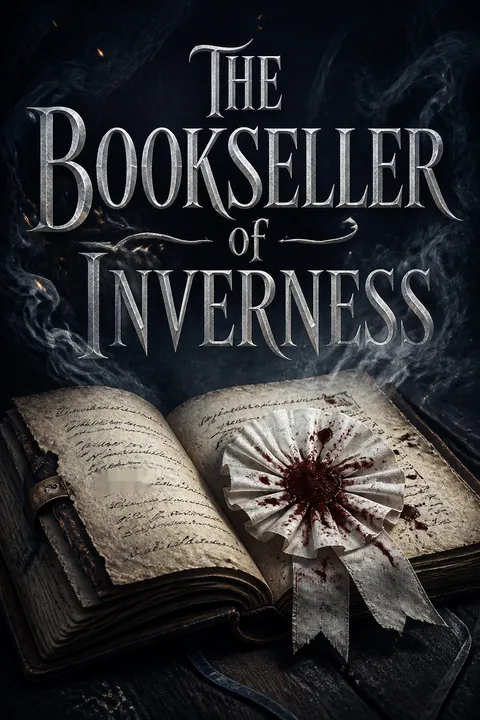
The white cockade, once a symbol of Jacobite loyalty and hope, becomes a marker of death and retribution as it is left at the scene of each murder. Its transformation from badge of honor to sign of vengeance mirrors the novel's exploration of the costs of loyalty and the dangers of unresolved grievance. The cockade's presence at each crime scene is both a clue and a warning, signaling the persistence of old conflicts and the impossibility of closure without reckoning.
Foreshadowing and Irony
The narrative is rich in foreshadowing, with early hints of betrayal, divided loyalties, and the dangers of secrecy. The irony of characters seeking justice only to perpetuate cycles of violence is a recurring motif. The ultimate revelation that the avenger is someone trusted and beloved underscores the tragic futility of revenge. The destruction of the Book of Forbidden Names is foreshadowed by earlier acts of mercy and wisdom, suggesting that true resolution lies not in retribution but in forgiveness and renewal.
The Bookshop as Microcosm
Iain's bookshop serves as both a refuge and a site of conflict, embodying the tensions between past and present, secrecy and revelation, trauma and healing. It is a place where stories are preserved, secrets are hidden, and the community gathers to remember and to hope. The shop's transformation—from a haunted space to a place of new beginnings—mirrors the characters' journeys from isolation to connection, from grief to the possibility of love.
Download PDF
Download EPUB
.epub digital book format is ideal for reading ebooks on phones, tablets, and e-readers.








































