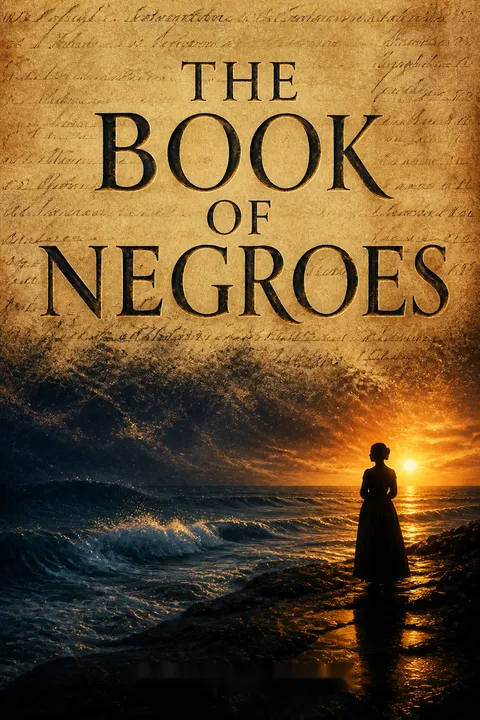

Plot Summary
London: Ghosts and Griots
Aminata Diallo, now an elderly woman in London, reflects on her long, tumultuous life. Surrounded by abolitionists who parade her as a symbol, she feels both useful and used, haunted by the absence of her children and the ghosts of her past. She is asked to tell her story to children and dignitaries, and she muses on the power of storytelling, the ache of longing for family, and the strange comfort of being cared for by strangers. Aminata's voice is sharp, witty, and wise, and she is determined to write her own account, not just for the abolitionists but for herself and those who come after. Her story begins as a "ghost story," a testimony to survival and memory.
Bayo: Roots and Rupture
In the West African village of Bayo, Aminata grows up cherished by her parents, Mamadu and Sira. Her father, a jeweller and a learned Muslim, teaches her to read and write in secret, while her mother, a midwife, instructs her in the mysteries of birth and healing. The village is vibrant, full of laughter, work, and tradition, but also shadowed by the threat of slave raiders. Aminata's world is upended when, returning from a birth with her mother and Fomba, they are ambushed. Her mother is killed, her father later murdered trying to save her, and Aminata is yoked and marched away, her childhood shattered in a single night.
Coffle: Three Moons March
Aminata, Fomba, and other captives are forced to march for months toward the coast, naked and humiliated. Along the way, she witnesses cruelty, death, and the indifference of villagers who trade with the captors. She meets Chekura, a boy forced to work for the slavers, who becomes both a source of food and a complicated friend. Aminata's skills as a midwife and her quick mind help her survive, but she is marked by the loss of her faith, her language, and her sense of safety. The march is a crucible, forging her resilience but also deepening her wounds.
Crossing: The Anus of a Lion
Loaded onto a slave ship, Aminata endures the unspeakable horrors of the Middle Passage. She is chained, branded, and forced to serve as a translator and helper to the ship's doctor, who both protects and exploits her. She witnesses death, madness, and a failed revolt, and is haunted by the unburied dead beneath the waves. Her skills as a midwife and her ability to learn languages make her valuable, but nothing can shield her from the trauma. The crossing is a journey through hell, but Aminata's determination to remember and bear witness becomes her lifeline.
Sullivan's Island: New World, New Chains
In South Carolina, Aminata is quarantined on Sullivan's Island before being sold. She is separated from Fomba and the other captives, and witnesses the dehumanizing spectacle of the slave market. She is bought as "refuse" by Appleby, a brutal indigo planter, and is thrust into a world where her skills and intelligence are both a blessing and a curse. She finds a protector in Georgia, a formidable midwife, and begins to learn the languages and customs of her new world, adapting to survive even as she mourns all she has lost.
Indigo: Blue Mud and Blood
On Appleby's indigo plantation, Aminata becomes Georgia's apprentice, learning the secrets of healing, childbirth, and survival. She is also taught to read and write English by Mamed, a mixed-race overseer. The work is grueling, the punishments severe, and the threat of sexual violence constant. Aminata is raped by Appleby, loses her first child to sale, and is forced to watch friends die of disease and despair. Yet she also finds moments of joy, love, and community, especially in her secret marriage to Chekura, who visits her when he can.
Losses: Milk and Mourning
Aminata gives birth to a son, Mamadu, but her joy is short-lived. Appleby sells her child, shattering her spirit. She refuses to work, is beaten, and is eventually sold to Solomon Lindo, a Jewish indigo inspector in Charles Town. The cycle of loss and adaptation continues, but Aminata's resolve hardens. She clings to her memories, her skills, and her ability to learn, determined to survive and one day find her way home.
Charles Town: Words and Wages
In Charles Town, Aminata's intelligence and literacy set her apart. Lindo allows her to work as a midwife on a self-hire system, keeping a portion of her earnings. She learns the intricacies of money, trade, and negotiation, and becomes a respected figure among both blacks and whites. Yet she is still property, and her son remains lost. The city is a place of both opportunity and danger, and Aminata navigates its complexities with growing skill, always searching for a way to reclaim her freedom.
Canvas Town: Fugitive Lessons
As the American Revolution erupts, Aminata flees Lindo and finds refuge in Canvas Town, a community of fugitive slaves in New York. She becomes a teacher, helping others learn to read and write, and forms deep bonds with fellow fugitives like Bertilda and Claybourne. The British promise freedom to blacks who serve them, and Aminata becomes a scribe for the Book of Negroes, recording the names of those who will be evacuated to Nova Scotia. The hope of freedom is tempered by betrayal, as many are re-enslaved or left behind.
Book of Negroes: Names for Freedom
Aminata's work on the Book of Negroes is both empowering and heartbreaking. She gives names and stories to the nameless, helping hundreds secure passage to Nova Scotia. She is briefly reunited with Chekura, and they dream of a new life together. But the British betray their promises, and many are left vulnerable to slave catchers. Aminata's own freedom is precarious, and she is nearly claimed by former owners before finally securing passage to Canada.
Birchtown: Scarcity and Survival
In Birchtown, Nova Scotia, Aminata and the Black Loyalists face poverty, racism, and broken promises. Land is scarce, provisions are meager, and white hostility erupts in violence. Aminata loses her daughter May to abduction by a white family, and Chekura is lost at sea. Yet she becomes a teacher, midwife, and leader in the community, helping others survive and keep hope alive. The dream of true freedom remains elusive, but Aminata's resilience endures.
Freetown: Return and Betrayal
When the Sierra Leone Company offers passage to Africa, Aminata joins the exodus, hoping to find home at last. In Freetown, she and the Nova Scotians face new challenges: disease, betrayal by the British, and the proximity of the slave trade. Aminata becomes a teacher and advisor, but is haunted by the realization that she is now seen as a foreigner in her own land. The dream of return is complicated by the persistence of slavery and the impossibility of truly going home.
Bance Island: The Branded Scar
Aminata visits Bance Island, the site of her branding and departure. She confronts the slave traders, witnesses the ongoing trade, and negotiates for a guide to take her inland. The journey is perilous, and she is nearly betrayed and sold again. She escapes, finding refuge in a village where she becomes a storyteller, sharing her knowledge and experiences. The journey home is both a fulfillment and a letting go, as Aminata realizes that true return is impossible, but her story can still have meaning.
Homeward: The Djeli's Journey
Aminata becomes a djeli, a griot, sharing her story with villagers who have never seen the sea or the toubabu. She is honored for her wisdom and survival, but knows she cannot stay. She returns to Freetown, and eventually to London, carrying with her the scars, memories, and lessons of a lifetime. Her journey is both a personal odyssey and a testament to the resilience of her people.
London: Testimony and Legacy
In London, Aminata is celebrated as a witness and survivor. She testifies before Parliament, meets the King and Queen, and becomes a symbol for the abolitionist cause. She is reunited with her daughter May, and together they found a school for black children. As her life draws to a close, Aminata reflects on the power of words, the importance of memory, and the hope that her story will help end the trade in human beings. Her legacy is one of endurance, dignity, and the unbreakable will to choose life.
Analysis
The Book of Negroes is a sweeping, deeply human exploration of the transatlantic slave trade, told through the indomitable voice of Aminata Diallo. Lawrence Hill's novel is both a personal odyssey and a collective history, illuminating the resilience, intelligence, and agency of those who endured and resisted slavery. Through Aminata's journey—from the vibrant world of Bayo, through the horrors of the Middle Passage, the brutality of American slavery, the false promises of British freedom, and the fraught return to Africa—the novel interrogates the meaning of home, identity, and belonging. Hill's use of language, literacy, and storytelling as tools of survival and resistance is particularly powerful, challenging the erasures of official history and reclaiming the voices of the enslaved. The novel's cyclical structure, with its repeated journeys and impossible homecomings, underscores the enduring wounds of displacement and the necessity of memory. Ultimately, The Book of Negroes is a testament to the power of witness, the importance of naming and remembering, and the unbreakable will to choose life in the face of unimaginable loss. Its lessons—about the costs of dehumanization, the complexities of freedom, and the redemptive power of story—resonate urgently in our own time.
Review Summary
The Book of Negroes follows Aminata Diallo, abducted from West Africa at eleven and sold into slavery. The novel spans six decades and three continents, chronicling her survival through wit, midwifery skills, and resilience. She witnesses the American Revolution, becomes part of the Black Loyalists' exodus to Nova Scotia, and eventually reaches London to advocate for abolition. Reviewers praise Hill's honest, balanced portrayal of human nature across races, meticulous historical research, and compelling protagonist. Most found the narrative deeply moving and educational, though some felt character development was thin or the accumulation of tragedy excessive.
People Also Read




Characters
Aminata Diallo
Aminata is the heart and soul of the narrative—a woman of extraordinary intelligence, resilience, and compassion. Born in Bayo, she is shaped by her parents' love and her early education, but is torn from her home by slavers. Her journey from Africa to America, through slavery, loss, and eventual freedom, is marked by her ability to adapt, learn languages, and heal others. Aminata's relationships—with her parents, Chekura, Georgia, and her children—are deep and complex, fueling both her pain and her hope. Psychologically, she is marked by trauma, longing, and a fierce will to survive. Over time, she transforms from a victim to a griot, determined to bear witness and ensure that the stories of her people are not forgotten. Her development is a testament to the power of memory, literacy, and self-determination.
Chekura
Chekura is first introduced as a boy forced to work for the slavers, both a victim and a collaborator. His relationship with Aminata is fraught with ambiguity, guilt, and tenderness. Over time, he becomes her lover and husband, sharing her dreams of freedom and return. Chekura's own journey is marked by repeated separations, forced labor, and loss. He is resourceful, loving, and haunted by his own compromises. Psychologically, he embodies the struggle between survival and integrity, and his fate—lost at sea—underscores the precariousness of black life in the age of slavery.
Georgia
Georgia is a formidable presence on Appleby's plantation, a midwife who teaches Aminata the arts of healing, childbirth, and survival. She is both nurturing and tough, providing a model of resilience and community. Georgia's wisdom is practical and spiritual, rooted in African traditions and adapted to the brutal realities of slavery. Her death in Nova Scotia is a profound loss for Aminata, symbolizing the passing of an older generation and the fragility of black community.
Fomba
Fomba, a captive from Aminata's village, is marked by his physical power and his psychological wounds. After the Middle Passage, he loses the ability to speak, embodying the unspeakable trauma of slavery. He is both a protector and a reminder of all that has been lost. His eventual death at the hands of white patrollers in Nova Scotia is a stark illustration of the ongoing vulnerability of black bodies, even in supposed freedom.
Solomon Lindo
Lindo, a Jewish indigo inspector, purchases Aminata and allows her a measure of autonomy as a self-hire midwife. He is educated, cosmopolitan, and at times kind, but ultimately complicit in the system of slavery. His relationship with Aminata is complex—he both enables her growth and profits from her labor. Psychologically, he represents the moral ambiguities of those who benefit from oppression while claiming to oppose it.
John Clarkson
Clarkson is a British naval officer and abolitionist who helps organize the exodus to Sierra Leone. He is earnest, idealistic, and sometimes naïve, genuinely committed to the cause but limited by his own position and the realities of colonialism. His friendship with Aminata is marked by mutual respect and occasional tension. He is haunted by his own failures and the limits of white benevolence.
Thomas Peters
Peters is a Black Loyalist who becomes a leader in both Nova Scotia and Sierra Leone. He is bold, outspoken, and unafraid to challenge authority. His advocacy for land and rights inspires others, but also leads to his death at the hands of slavers. Psychologically, he embodies the hope and frustration of black leadership in the face of betrayal and violence.
May
May is Aminata's daughter, taken from her in Nova Scotia and raised by a white family. Her eventual reunion with Aminata in London is a moment of profound healing and joy. May represents both the pain of separation and the possibility of renewal. Her work as a teacher and her founding of the Aminata Academy continue her mother's legacy.
Daddy Moses
Daddy Moses is a blind, crippled preacher who becomes a leader in Birchtown and later in Sierra Leone. He is wise, compassionate, and deeply committed to his people. His faith is both a source of strength and a means of survival, helping others endure hardship and loss. Psychologically, he represents the sustaining power of belief and collective identity.
Anna Maria Falconbridge
Anna Maria is the wife of a British abolitionist and a rare white woman who befriends Aminata in Sierra Leone. She is curious, open-minded, and sometimes naïve, but genuinely interested in Aminata's story. Their conversations about race, gender, and power are marked by both connection and misunderstanding. Anna Maria's presence highlights the complexities of cross-cultural friendship and the limits of empathy.
Plot Devices
Framing Narrative and Testimony
The novel is structured as a first-person memoir, with Aminata in old age recounting her life for the abolitionist cause. This framing device allows for both immediacy and reflection, blending memory, trauma, and hope. The act of writing and storytelling is itself a form of resistance, reclaiming agency and ensuring that the stories of the enslaved are not erased. The narrative is punctuated by moments of direct address, as Aminata speaks to future generations and challenges the silences of history.
Language, Literacy, and Naming
Aminata's ability to learn languages, read, and write is a recurring motif, symbolizing both her adaptability and her resistance. Literacy becomes a tool for survival, negotiation, and ultimately liberation. The act of naming—recording names in the Book of Negroes, teaching others to read, reclaiming her own name—is central to the novel's exploration of identity and memory.
Cyclical Structure and Return
The novel is structured around repeated journeys: from Africa to America, from slavery to freedom, from Nova Scotia to Sierra Leone, and finally back to London. Each journey is both a physical and psychological passage, marked by loss, adaptation, and the search for home. The motif of return—both literal and symbolic—underscores the impossibility of truly going back, but also the enduring power of memory and storytelling.
Foreshadowing and Irony
The narrative is rich in foreshadowing, as Aminata's early experiences of loss and betrayal are echoed throughout her life. The promises of freedom—by the British, the Americans, the Sierra Leone Company—are repeatedly broken, and the reader is made aware of the ironies and contradictions of history. The use of historical documents, such as the Book of Negroes, adds a layer of realism and poignancy, highlighting the gap between official records and lived experience.
Symbolism: Maps, Scars, and Elephants
Maps recur as symbols of both possibility and erasure, with Africa depicted as a blank space filled with elephants "for want of towns." Aminata's branded scar is a physical reminder of her trauma, but also a mark of survival and testimony. The motif of the djeli, or griot, underscores the importance of storytelling as both personal and collective memory.
Download PDF
Download EPUB
.epub digital book format is ideal for reading ebooks on phones, tablets, and e-readers.








































