
Plot Summary
Names in the Shadows
Eva Abrams, an elderly librarian in Florida, is stunned when she sees a photograph in the New York Times of a book she hasn't seen in sixty years—a book stolen by the Nazis, now in a Berlin library. The book, containing a mysterious code, is a relic from her youth in wartime France. The sight of it reawakens memories Eva has long tried to bury: her life as a Jewish forger, her lost love, and the children she helped save. The world around her fades as she realizes the book is a key to her hidden past, and perhaps to the identities of those she once risked everything to protect. The pull of unfinished business is irresistible, and Eva knows she must confront the ghosts she's spent a lifetime evading.
The Night of Erasure
In 1942 Paris, Eva Traube's world collapses when her father is arrested during a Nazi roundup of Jews. Eva and her mother narrowly escape, forced to hide while their neighbors vanish. The trauma of watching her father taken away, powerless to intervene, marks Eva forever. Her mother, Faiga, is consumed by fear and grief, while Eva's own guilt and helplessness harden into resolve. The city she loves becomes a labyrinth of danger, and Eva realizes that survival will require not just luck, but the courage to become someone new. The night her father disappears is the night Eva's old life ends, and her journey into the shadows begins.
Fleeing Paris, Forging Hope
Eva and her mother, now fugitives, must flee Paris before they too are captured. With the help of her father's old employer, Eva obtains blank identity documents and, using her artistic skill, forges new papers for herself and her mother. The process is fraught with terror and uncertainty, but necessity sharpens her resolve. They travel south, evading checkpoints and suspicion, until they reach the small mountain town of Aurignon in the Free Zone. Each forged document is both a lie and a lifeline, and Eva's talent becomes their only hope. The journey is a crucible, forging not just papers, but a new, hardened version of Eva herself.
The Mountain Sanctuary
In Aurignon, Eva and her mother find shelter in a boardinghouse run by the formidable Madame Barbier. The town, seemingly untouched by war, is a haven for refugees and resistance. Eva is drawn into a clandestine network led by Père Clément, the local priest, who recognizes her skill and recruits her to forge documents for Jewish children escaping to Switzerland. The boardinghouse becomes both sanctuary and prison, as Eva's mother struggles with loss and displacement. Eva, meanwhile, finds purpose in her dangerous new role, even as the threat of exposure looms. The mountain air is thick with secrets, and trust is both a necessity and a risk.
The Art of Disguise
Eva's days are consumed by the meticulous work of creating false papers—birth certificates, baptismal records, ration cards. Each document is a shield against annihilation, and each name she invents is a life preserved. She partners with Rémy, a gifted forger with a mysterious past, and together they develop ingenious methods to outwit the Nazis. Their collaboration is intense, sometimes contentious, but gradually deepens into mutual respect and something more. Eva's sense of self blurs as she inhabits so many false identities, but the work gives her a sense of agency and hope. The line between survival and erasure is as thin as the paper she forges.
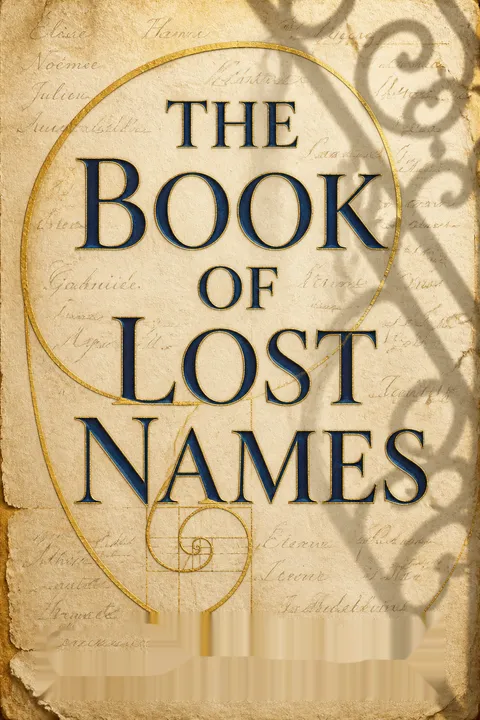
The Book of Lost Names
Troubled by the thought that the children she helps may never reclaim their true identities, Eva and Rémy devise a code to record their real names in an old religious book. Using the Fibonacci sequence and subtle marks, they create a hidden record—the Book of Lost Names. This act of quiet rebellion is both practical and symbolic: a refusal to let the Nazis erase Jewish existence. The book becomes a sacred object, a testament to resistance and remembrance. For Eva, it is also a way to hold on to her own identity amid the lies and disguises, and a promise that the lost will not be forgotten.
Betrayal in the Ranks
As the resistance network grows, so does the danger. Eva and Rémy's circle is infiltrated by betrayal: Joseph, a trusted friend from Eva's past, is revealed as an informant working for the Nazis. His treachery leads to arrests, deaths, and the collapse of their safe haven. The sense of safety in Aurignon is destroyed, and Eva is forced to confront the reality that even those closest to her can be corrupted by fear or ambition. The betrayal is a personal wound, deepening Eva's isolation and mistrust, and forcing her to make impossible choices to protect those she loves.
Love and Sacrifice
Amid the chaos, Eva and Rémy's partnership blossoms into love—a love shadowed by danger, difference, and the disapproval of Eva's mother. Their bond is forged in shared risk and purpose, but tested by the demands of loyalty, faith, and survival. When the time comes to escape, Eva must choose between her heart and her duty, between the man she loves and the mother who raised her. Their night together before the final crossing is both a consummation and a farewell, filled with longing, regret, and the hope of reunion. Love, in this world, is both a refuge and a sacrifice.
The Children's Exodus
As the Nazis close in, Eva and Rémy lead a group of Jewish children across the border into Switzerland. The journey is fraught with danger—patrols, betrayals, the ever-present threat of discovery. Each child is a bundle of hope and trauma, and Eva feels the weight of their futures on her shoulders. The crossing is a test of courage and ingenuity, and when it is over, Eva must make the agonizing decision to stay behind and continue the fight, or to seek safety in exile. The exodus is both a triumph and a heartbreak, marking the end of innocence and the beginning of a new chapter of loss.
Shattered Bonds
The aftermath of the escape is devastating. Eva's mother is arrested and executed, a casualty of Eva's choices and the network's betrayal. Friends and allies are killed or disappear. The resistance is decimated, and Eva is left alone, haunted by guilt and grief. The Book of Lost Names is stolen by the Nazis, and with it, the tangible proof of her work and the children's true identities. Eva's sense of purpose is shattered, and she is forced to confront the limits of what one person can do in the face of overwhelming evil. The price of resistance is paid in blood and memory.
The Price of Resistance
After the war, Eva returns to Paris, searching for her father and for Rémy, clinging to hope amid the ruins. The city is changed, emptied of the people she loved. She waits in vain for Rémy at the Mazarine Library, haunted by the possibility that he died not knowing her true feelings. Her father returns from the camps, broken but alive, and urges Eva to move on. She emigrates to America, marries, and builds a new life, but the past is never far behind. The burden of memory, of those lost and those saved, shapes every choice she makes.
The End of Innocence
Eva's postwar life is marked by silence and reinvention. She hides her past from her son, Ben, and from herself, burying the pain and the heroism alike. The Book of Lost Names, and the love she shared with Rémy, become distant echoes. Yet the scars remain: the guilt over her mother's death, the unresolved longing for Rémy, the knowledge that so many children's fates are unknown. The end of innocence is not just the loss of youth, but the acceptance that some wounds never heal, and that survival often means living with unanswered questions.
Reunion and Reckoning
In 2005, the rediscovery of the Book of Lost Names in Berlin forces Eva to confront her history. She travels to Germany, determined to reclaim the book and, with it, the truth of what happened. The journey is both literal and emotional, as Eva faces the ghosts of her past, the choices she made, and the people she lost. The reunion with the book is bittersweet: it is a testament to her courage, but also a reminder of all that was erased. Eva must decide whether to reveal her story, to her son and to the world, and whether forgiveness is possible.
The Ghosts of Aurignon
Eva's return to the Book of Lost Names is a reckoning with the ghosts of Aurignon—her mother, Rémy, the children, the traitors and the heroes. She relives the betrayals and the acts of kindness, the moments of cowardice and of bravery. The code in the book is finally revealed, and with it, the possibility of restoring lost identities. Eva is forced to forgive herself, to accept that she did what she could, and that the past cannot be changed. The ghosts linger, but they are no longer in control.
The Book Returns
The Berlin librarian, Otto Kühn, helps Eva unlock the code and begin the process of reuniting lost names with their rightful owners. The act of restoration is both practical and symbolic: a way to heal, to honor the dead, and to reclaim what was stolen. In the process, Eva finds the courage to share her story with her son, breaking the silence that has defined her life. The return of the book is a return of hope, a reminder that even in the face of erasure, memory endures.
The Code Revealed
As Eva and Kühn work through the book, they discover not just the names of lost children, but hidden messages between Eva and Rémy—declarations of love, promises of reunion. The code is more than a record; it is a testament to the resilience of the human spirit, and to the ways love and memory can survive even the worst horrors. The act of decoding is an act of healing, allowing Eva to finally accept her past and to believe in the possibility of redemption.
The Past Reclaimed
In a twist of fate, Eva is reunited with Rémy, who survived the war and has been searching for her. Their meeting, decades later, is a testament to endurance, forgiveness, and the power of love to transcend time and tragedy. The Book of Lost Names, once a symbol of loss, becomes a symbol of hope and continuity. Eva's story, once hidden in the shadows, is reclaimed and shared, ensuring that the names—and the lives—they saved will never be forgotten.
Analysis
A meditation on identity, memory, and moral courageThe Book of Lost Names is a powerful exploration of what it means to resist erasure—of self, of others, of history. Through Eva's journey from frightened daughter to master forger, the novel interrogates the boundaries between truth and deception, survival and betrayal, love and loss. The dual timeline structure underscores the persistence of trauma and the necessity of remembrance, while the encoded book at the story's heart becomes a symbol of both the fragility and resilience of identity. Harmel's narrative insists that even in the darkest times, small acts—of kindness, of resistance, of record-keeping—can have profound consequences. The novel challenges readers to consider the costs of silence and the responsibilities of memory, suggesting that heroism is not the absence of fear, but the refusal to let fear dictate one's actions. Ultimately, The Book of Lost Names is a testament to the enduring power of love, the necessity of forgiveness, and the importance of bearing witness, ensuring that the lost are never truly forgotten.
Review Summary
The Book of Lost Names by Kristin Harmel tells the story of Eva Traube, a Jewish woman in WWII France who becomes a forger creating identity documents for Jewish children escaping to Switzerland. Reviews are mixed: many praise the emotional depth, compelling storyline, and Eva's character development, while others criticize the predictable romance, Eva's naïve mother, and historical implausibility. Common complaints include too much focus on romance over the resistance work, unrealistic character decisions, and concerns about cultural authenticity. Positive reviews highlight the ingenious coded naming system and the moving ending. Overall ratings range from 1-5 stars.
People Also Read





Characters
Eva Traube Abrams
Eva is the novel's protagonist, a Jewish woman whose journey from Parisian student to master forger is marked by trauma, ingenuity, and moral courage. Her relationships—with her parents, with Rémy, with the children she saves—define her psychological landscape. Eva is haunted by guilt over her parents' fates and by the burden of memory, yet she is also driven by a fierce sense of responsibility and a longing for connection. Her development is a study in resilience: she learns to wield her talents for good, to love and lose, and ultimately to forgive herself. Eva's arc is one of transformation, from passive victim to active resister, and finally to a woman who reclaims her story and her name.
Rémy Duchamp
Rémy is Eva's collaborator and eventual lover, a man whose expertise in chemistry and forgery is matched by his passion and idealism. He is haunted by loss—his parents, his country, his innocence—and channels his pain into the fight against the Nazis. Rémy's relationship with Eva is both a source of strength and a site of conflict, as they navigate the dangers of love in a world where nothing is safe. His willingness to risk everything for others, and his struggle with the limits of what one person can do, make him a complex, deeply human figure. Rémy's fate is a meditation on sacrifice, hope, and the enduring power of love.
Faiga (Mamusia) Traube
Eva's mother is a woman broken by loss, whose fear and bitterness threaten to consume her. She clings to tradition and to the memory of her husband, unable to accept the changes forced upon her by war. Her relationship with Eva is fraught—she is both a source of comfort and a voice of reproach, accusing Eva of betrayal even as she depends on her. Faiga's psychological arc is one of gradual erasure, as she is left behind by history and by her daughter's choices. Her death is a pivotal trauma for Eva, symbolizing the cost of survival and the impossibility of saving everyone.
Joseph Pelletier (Gérard Faucon)
Joseph is a childhood friend of Eva's who becomes a leader in the resistance—and ultimately its betrayer. His charm and intelligence mask a deep insecurity and a willingness to do whatever it takes to survive. Joseph's betrayal is both personal and political, shattering Eva's trust and leading to the deaths of many. His psychological complexity lies in his rationalizations and his capacity for self-deception; he is both victim and perpetrator, shaped by fear and ambition. Joseph's arc is a cautionary tale about the corrosive effects of war on the soul.
Père Clément
The local priest in Aurignon, Père Clément is a figure of wisdom, compassion, and quiet strength. He recognizes Eva's potential and draws her into the resistance, providing both practical support and spiritual guidance. His faith is tested by the horrors he witnesses, but he remains committed to the sanctity of life and the power of memory. Père Clément's relationship with Eva is paternal, offering her the acceptance and forgiveness she cannot find elsewhere. His survival and later reunion with Eva symbolize the endurance of goodness amid evil.
Madame Barbier
The boardinghouse owner in Aurignon, Madame Barbier is a tough, resourceful woman who shelters Eva and her mother. Her brusque exterior hides a deep well of kindness and loyalty. She becomes a surrogate mother to Eva, offering practical advice and emotional support. Madame Barbier's fate—arrest and execution—underscores the risks ordinary people took to resist, and the tragic cost of courage.
Geneviève Marchand
Geneviève is sent to assist Eva after Rémy's departure, bringing expertise and a quiet resilience. Her own losses mirror Eva's, and their partnership is one of mutual respect and shared trauma. Geneviève's romance with Joseph ends in betrayal and her murder, a stark reminder of the dangers of misplaced trust. Her death is a catalyst for Eva's final transformation, fueling her resolve to fight and to remember.
Otto Kühn
In the present-day narrative, Otto is the Berlin librarian dedicated to returning looted books to their rightful owners. His empathy and curiosity drive the final act of restoration, and his interactions with Eva provide a space for healing and truth-telling. Otto represents the possibility of reconciliation and the importance of bearing witness.
Ben Abrams
Ben is the child of Eva's postwar life, unaware of his mother's true past. His pragmatic, modern outlook contrasts with Eva's haunted silence. Their relationship is marked by misunderstanding and missed connections, but also by the potential for revelation and forgiveness. Ben's eventual learning of Eva's story is a bridge between past and present, loss and legacy.
Erich
Erich is a Nazi soldier who secretly aids the resistance, motivated by conscience and faith. His double life is fraught with danger, and his ultimate sacrifice—saving Eva at the cost of his own life—complicates the novel's moral landscape. Erich embodies the possibility of goodness in unexpected places, and his actions challenge simplistic notions of enemy and friend.
Plot Devices
Dual Timeline Structure
The novel alternates between Eva's experiences during World War II and her journey in 2005 to reclaim the Book of Lost Names. This structure allows for suspense, gradual revelation, and emotional resonance, as the consequences of past actions are felt in the present. The interplay of timelines deepens the reader's understanding of trauma, memory, and the long shadow of history.
The Encoded Book
The Book of Lost Names is both a literal record and a metaphor for memory, identity, and resistance. Its coded entries drive the plot, providing a mystery to be solved and a means of restoring lost identities. The book's journey—from France to Berlin to Eva's hands—mirrors the journey of the characters, and its eventual decoding is a moment of catharsis and healing.
Forgery and Disguise
The act of forging documents is central to the narrative, serving as both a practical means of survival and a metaphor for the fluidity of self. The tension between real and false names, between erasure and remembrance, is explored through the mechanics of forgery and the psychological toll it takes on Eva and her allies. Disguise is both liberation and burden.
Betrayal and Trust
The novel uses foreshadowing and misdirection to build suspense around the question of betrayal. Characters who seem trustworthy are revealed as traitors, while unexpected figures become allies. This device heightens the emotional stakes and underscores the precariousness of life under occupation, where trust is both necessary and dangerous.
Love as Resistance
The love story between Eva and Rémy is interwoven with the themes of resistance and sacrifice. Their relationship is a source of strength, but also a vulnerability, forcing Eva to choose between personal happiness and collective duty. Love is depicted as an act of defiance in a world bent on erasure.
The Power of Memory
The act of recording names, of refusing to let the lost be forgotten, is both a plot device and a thematic core. Memory is shown as a form of resistance, a way to reclaim agency and dignity in the face of annihilation. The novel's resolution hinges on the restoration of memory, both personal and collective.
About the Author
Other books by Kristin Harmel



Download PDF
Download EPUB
.epub digital book format is ideal for reading ebooks on phones, tablets, and e-readers.








































