
Plot Summary
Seeds That Wouldn't Grow
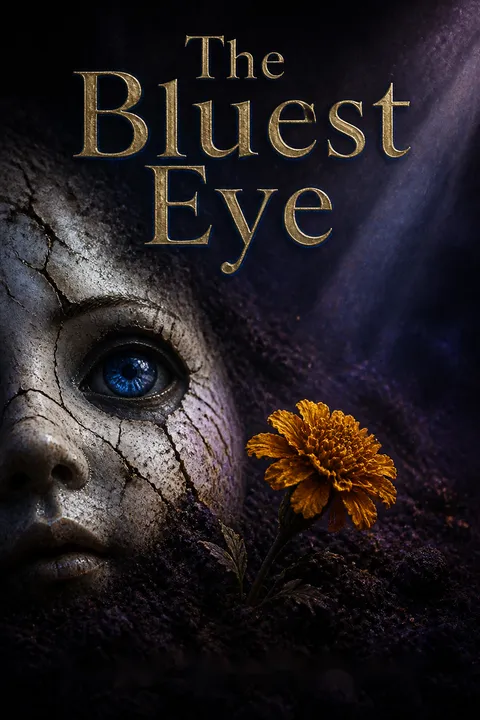
Claudia and Frieda MacTeer, two young sisters in 1941 Ohio, plant marigold seeds, believing their growth will bring healing to their friend Pecola Breedlove, who is pregnant by her own father. The seeds never sprout, mirroring the community's inability to nurture or protect its most vulnerable. The girls' innocent faith in magic and nature is slowly replaced by guilt and confusion as they try to make sense of Pecola's suffering. The marigolds become a symbol of hope denied, and the sisters' failed ritual marks the end of their innocence. The earth's refusal to yield flowers parallels the town's refusal to yield compassion, setting the tone for a story where love, beauty, and safety are as fragile and elusive as a flower in hostile soil.
Pecola's Wish for Blue
Pecola Breedlove, a quiet, sensitive black girl, believes that if she had blue eyes, she would be loved and her world would be transformed. Surrounded by images and messages that equate whiteness with beauty and worth, Pecola internalizes self-hatred and prays nightly for blue eyes. Her yearning is not just for physical transformation but for acceptance, visibility, and escape from the pain of her family and community's rejection. This wish becomes the novel's central metaphor, exposing the destructive power of racism and colorism. Pecola's hope is both heartbreaking and revealing, as it shows how deeply the desire for love and belonging can be twisted by a society that devalues blackness.
The MacTeer Sisters' World
Claudia and Frieda MacTeer grow up in a poor but loving household, where warmth and care are expressed through practical acts rather than words. Their parents are strict but protective, and the girls find comfort in each other and in small rituals of childhood. When Pecola comes to stay with them after her father burns down her family's house, the sisters try to make her feel welcome, sharing food and stories. Their world is shaped by scarcity, but also by resilience and imagination. Through their eyes, we see the complexities of black girlhood—jealousies, alliances, and the early awareness of social hierarchies and dangers lurking in the adult world.
The Breedlove Family's Shame
The Breedloves live in a decrepit storefront, convinced of their own ugliness and unworthiness. Cholly, the father, is violent and broken by his past; Pauline, the mother, finds solace in her work for a white family and in fantasies of movie-star beauty; Sammy, the son, runs away repeatedly; and Pecola retreats into silence and longing. Their poverty is compounded by a deep sense of inferiority, reinforced by the world around them. The family's dysfunction is both a cause and a consequence of their internalized shame, and their home becomes a place of pain rather than refuge. The Breedloves' tragedy is not just personal but emblematic of a community's failure to love its own.
Dolls, Dandelions, and Desire
Claudia resents the white baby dolls she receives as gifts, unable to understand why they are considered beautiful. She dismembers them, searching for the secret of their appeal. Pecola, by contrast, cherishes anything associated with whiteness—Shirley Temple cups, Mary Jane candies, and the blue-eyed images that fill her world. Even dandelions, which Pecola once found beautiful, become ugly when she realizes others see them as weeds. The girls' experiences reveal how insidious and pervasive the standards of beauty are, and how they distort black girls' perceptions of themselves and each other. The longing for love and acceptance becomes entangled with the longing to be someone else.
Maureen Peal's Arrival
Maureen Peal, a light-skinned, wealthy black girl, arrives at school and quickly becomes the object of admiration and envy. Her beauty and affluence set her apart, and she wields her privilege with both innocence and cruelty. Claudia and Frieda are fascinated and resentful, while Pecola is drawn into Maureen's orbit, briefly experiencing the warmth of her attention. But Maureen's kindness is conditional, and her casual insults reinforce the girls' insecurities. The episode exposes the divisions within the black community—colorism, class, and the internalization of white standards. Maureen's presence is a catalyst, forcing the other girls to confront their own desires and resentments.
The Weight of Ugliness
The Breedloves' belief in their own ugliness shapes every aspect of their lives. Pauline clings to her role as a martyr, finding purpose in suffering and in her work for the Fishers, a white family who treat her with respect. Cholly's self-hatred turns outward in violence and neglect. Pecola, absorbing her parents' misery, becomes convinced that her only hope is to disappear or be transformed. The family's interactions are marked by cruelty, misunderstanding, and a desperate search for validation. Their tragedy is not just the result of external oppression but of the way that oppression is internalized and perpetuated within the home.
Geraldine's House of Order
Geraldine, a middle-class black woman, maintains a spotless home and enforces strict boundaries between "colored people" and "niggers." Her son, Junior, is lonely and cruel, taking out his frustrations on Pecola when he lures her into the house and blames her for killing the family cat. Geraldine's obsession with order and propriety is a defense against the messiness of life and emotion, but it leaves her and her son isolated and unable to love. The episode highlights the ways in which respectability politics can be as damaging as overt racism, cutting off the possibility of genuine connection and compassion.
Cholly's Wounded Past
Cholly Breedlove's life is marked by abandonment, humiliation, and violence. Orphaned and rejected by his parents, he is raised by his aunt and later traumatized by a racist sexual assault by white men. His search for his father ends in further rejection and shame. These wounds leave Cholly emotionally crippled, unable to love or protect his family. His freedom is a kind of rootlessness, a dangerous lack of attachment that ultimately leads him to harm those he loves most. Cholly's story is a devastating portrait of how systemic racism and personal trauma can destroy a man's capacity for tenderness and responsibility.
Pauline's Lost Rainbow
Pauline Breedlove's early life is shaped by a sense of isolation and a longing for beauty and romance. Her marriage to Cholly begins with hope but is quickly eroded by poverty, loneliness, and the pressures of northern life. Pauline finds solace in movies and in her work for the Fishers, where she can create order and experience a fleeting sense of importance. Her own home, by contrast, becomes a site of neglect and disappointment. Pauline's inability to love her children or herself is rooted in her own unmet needs and the relentless messages that equate whiteness with worth. Her lost "rainbow" is the sum of all the color and joy she once imagined for herself.
The Cat, the Boy, the Blame
When Junior, Geraldine's son, lures Pecola into his home and kills the family cat, he blames Pecola, and Geraldine expels her with contempt. The episode is a microcosm of the larger dynamics at play: the innocent are scapegoated, and the powerful evade responsibility. Pecola's suffering is compounded by the indifference and hostility of those who should protect her. The incident also reveals the ways in which children absorb and enact the prejudices of their parents, perpetuating cycles of cruelty and exclusion.
Mr. Henry's Betrayal
Mr. Henry, a boarder in the MacTeer home, initially charms Claudia and Frieda with his kindness and playful tricks. But when he is caught molesting Frieda, the girls' sense of safety is destroyed. The adults' response is a mixture of outrage and helplessness, and the girls are left to process the violation on their own. The betrayal by a trusted adult is a turning point, forcing the sisters to confront the dangers that lurk even in familiar spaces. Their attempt to "cure" Frieda by seeking whiskey and planting marigolds is a desperate effort to restore order and innocence.
The Unforgivable Act
In a moment of drunken confusion and misplaced tenderness, Cholly rapes Pecola. The act is both a culmination of his own brokenness and a shattering of Pecola's last hope for love. Pauline's response is to blame and beat her daughter, deepening Pecola's isolation. The community responds with gossip and condemnation, but little compassion. The violation is not just physical but existential, destroying Pecola's sense of self and possibility. The event is the novel's darkest moment, exposing the full weight of generational trauma and the failure of love.
Soaphead Church's Promise
Desperate for blue eyes, Pecola seeks out Soaphead Church, a self-styled spiritualist and misanthrope. He promises her a miracle in exchange for poisoning his landlady's dog, convincing her that her wish will be granted. Soaphead's own letter to God reveals his self-delusion and moral emptiness. Pecola's faith in his promise is both tragic and revealing, as it shows how easily the vulnerable can be exploited by those who offer easy answers. The episode is a bitter commentary on the failure of both religion and community to provide real solace or transformation.
Madness and Blue Eyes
After the trauma of rape and the loss of her baby, Pecola retreats into madness, convinced that she has finally received blue eyes. She converses with an imaginary friend, obsessively seeking reassurance that her eyes are the bluest of all. Her delusion is both a refuge and a prison, cutting her off from reality and from the possibility of healing. The community, unable or unwilling to help, turns away, and Pecola becomes a ghostly presence on the margins of town. Her madness is both a symptom and a judgment on a world that could not or would not love her.
The Town's Quiet Guilt
Claudia, looking back as an adult, reflects on the community's role in Pecola's destruction. The townspeople use Pecola as a scapegoat, projecting their own fears and insecurities onto her and feeling "wholesome" by comparison. The failure to nurture, protect, or even mourn Pecola is a collective moral failure, masked by politeness and self-righteousness. Claudia's own guilt and regret are tempered by the recognition that the soil itself—the society—was hostile to certain kinds of beauty and life. The marigolds did not grow, and neither did Pecola.
The Unyielding Earth
The story ends where it began, with the image of seeds that would not sprout. Claudia and Frieda's attempt to save Pecola through magic and love has failed, but their memory of her endures. The earth's refusal to yield flowers becomes a metaphor for a society that refuses to nurture its most vulnerable. Yet in the act of remembering and telling Pecola's story, there is a glimmer of hope—a recognition of beauty, pain, and the urgent need for change. The unyielding earth is both a lament and a challenge, asking what it would take to make it fertile again.
Analysis
A searing indictment of internalized racism and the fragility of innocenceThe Bluest Eye is a devastating exploration of how societal standards of beauty, rooted in whiteness, can warp self-perception and destroy lives. Through the story of Pecola Breedlove, Morrison exposes the insidious effects of racism, colorism, and generational trauma—not just as external forces, but as poisons that seep into families, friendships, and the very souls of children. The novel's fragmented structure and shifting perspectives invite readers to piece together the story, implicating us in the community's failure to protect its most vulnerable. Morrison's language is both lyrical and unflinching, capturing the pain, longing, and small moments of tenderness that persist even in the bleakest circumstances. The Bluest Eye challenges us to confront the ways in which we participate in or benefit from systems of exclusion, and to recognize the urgent need for compassion, justice, and a reimagining of beauty that embraces all. The lesson is clear: when a society refuses to nurture certain seeds, it is not just the flowers that wither, but the soil itself that becomes barren.
Review Summary
The Bluest Eye is a powerful and devastating debut novel by Toni Morrison that explores racism, self-hatred, and beauty standards in 1940s Ohio. The story centers on Pecola, a young Black girl who prays for blue eyes, believing they will make her beautiful and loved. Readers praise Morrison's poetic prose and unflinching portrayal of difficult themes, including incest and child abuse. While some find the content disturbing, many consider it a masterpiece that sheds light on internalized racism and the psychological effects of oppression. The novel's impact and relevance persist decades after its publication.
People Also Read





Characters
Pecola Breedlove
Pecola is the fragile center of the novel, a young black girl whose yearning for blue eyes symbolizes her desperate wish for love, acceptance, and escape from her family's and society's rejection. She is quiet, sensitive, and deeply internalizes the messages of ugliness and unworthiness that surround her. Pecola's psychological journey is one of increasing isolation, culminating in madness as she retreats into a fantasy where her wish is granted. Her relationships—with her abusive parents, indifferent community, and fleeting friends—are marked by misunderstanding and neglect. Pecola's tragedy is both personal and emblematic, exposing the devastating effects of racism, colorism, and generational trauma on the most vulnerable.
Claudia MacTeer
Claudia is the story's primary narrator, offering both a child's and an adult's perspective on the events. She is fiercely independent, questioning, and resistant to the dominant standards of beauty and worth. Unlike Pecola, Claudia rejects the white dolls and images she is told to admire, seeking instead to understand and challenge the forces that shape her world. Her relationship with her sister Frieda is a source of strength, and her attempts to help Pecola reveal both her compassion and her limitations. Claudia's journey is one of growing awareness, guilt, and a longing for justice and healing.
Frieda MacTeer
Frieda is Claudia's older sister, braver and more knowledgeable about the adult world. She is protective of both Claudia and Pecola, often taking the lead in their efforts to make sense of and resist the injustices they encounter. Frieda's experience of molestation by Mr. Henry is a turning point, exposing her vulnerability and the dangers that lurk even in familiar spaces. Her determination to "save" Pecola by planting marigolds reflects both her hope and her helplessness. Frieda's character embodies the resilience and resourcefulness of black girlhood, as well as the pain of growing up too soon.
Cholly Breedlove
Cholly is Pecola's father, a man shattered by abandonment, humiliation, and systemic racism. His early life is marked by rejection and a traumatic sexual assault by white men, leaving him emotionally crippled and prone to violence. Cholly's love for his family is twisted by his own wounds, culminating in the rape of his daughter—a desperate, destructive act that is both an expression of his brokenness and a final betrayal. Cholly's character is a study in the ways that trauma begets trauma, and his inability to love or protect is both a personal failing and a reflection of larger social forces.
Pauline (Polly) Breedlove
Pauline is Pecola's mother, a woman whose early dreams of beauty and love are crushed by poverty, isolation, and the relentless pressures of racism. She finds solace in movies and in her work for a white family, where she can create order and experience fleeting validation. At home, she is harsh and neglectful, unable to love her children or herself. Pauline's internalized self-hatred and longing for whiteness shape her relationships and her sense of self. Her character reveals the ways in which societal standards of beauty and worth can poison even the most intimate bonds.
Maureen Peal
Maureen is a light-skinned, wealthy black girl whose beauty and affluence set her apart from her peers. She is both admired and resented, wielding her privilege with a mixture of innocence and cruelty. Maureen's interactions with Pecola, Claudia, and Frieda expose the divisions within the black community—colorism, class, and the internalization of white standards. Her character serves as a mirror, reflecting the girls' desires and insecurities, and as a catalyst, forcing them to confront the painful realities of their world.
Geraldine
Geraldine is a middle-class black woman obsessed with order, propriety, and the maintenance of boundaries between "colored people" and "niggers." Her emotional distance and fixation on cleanliness leave her son, Junior, lonely and cruel. Geraldine's character illustrates the costs of respectability politics—the suppression of emotion, the denial of connection, and the perpetuation of exclusion within the black community. Her inability to love or protect is both a personal failing and a reflection of the pressures to conform to white standards.
Soaphead Church (Elihue Micah Whitcomb)
Soaphead Church is a self-styled spiritualist and psychic, a man who despises humanity and finds solace in worn objects rather than people. His own history is marked by self-delusion, failed ambitions, and a twisted sense of morality. When Pecola comes to him seeking blue eyes, he exploits her vulnerability, offering false hope and convincing himself of his own benevolence. Soaphead's character is a bitter commentary on the failure of religion, community, and self-proclaimed saviors to provide real healing or transformation.
Junior
Junior is Geraldine's son, a boy starved for affection and trapped in a sterile, loveless home. He takes out his frustrations on Pecola, luring her into his house and blaming her for the death of the family cat. Junior's actions are both a cry for attention and an enactment of the prejudices and emotional emptiness he has absorbed from his mother. His character reveals the ways in which children can become both victims and perpetrators of cruelty in a world that denies them love and connection.
The MacTeer Parents
Claudia and Frieda's parents are strict but caring, providing a measure of stability and safety in a world marked by scarcity and danger. Their love is expressed through practical acts—food, warmth, discipline—rather than words. They are not immune to the pressures and prejudices of their environment, but their home is a place of relative refuge. The MacTeer parents' presence in the novel offers a contrast to the Breedloves, showing that love and resilience are possible even in the face of hardship.
Plot Devices
Fragmented Narrative and Shifting Perspectives
Morrison structures the novel through a fragmented, non-linear narrative, shifting between the perspectives of Claudia, an omniscient narrator, and various characters' inner lives. This approach allows the reader to see the same events from different angles, deepening our understanding of the characters' motivations and the forces shaping their world. The use of seasons as section headings, and the recurring, increasingly broken "Dick and Jane" primer passages, serve as both structural devices and thematic commentary, highlighting the gap between idealized American life and the reality of black experience. Foreshadowing, repetition, and symbolic imagery—especially flowers, eyes, and mirrors—are woven throughout, reinforcing the novel's central concerns with beauty, belonging, and the consequences of neglect.
About the Author
Other books by Toni Morrison





Download PDF
Download EPUB
.epub digital book format is ideal for reading ebooks on phones, tablets, and e-readers.








































