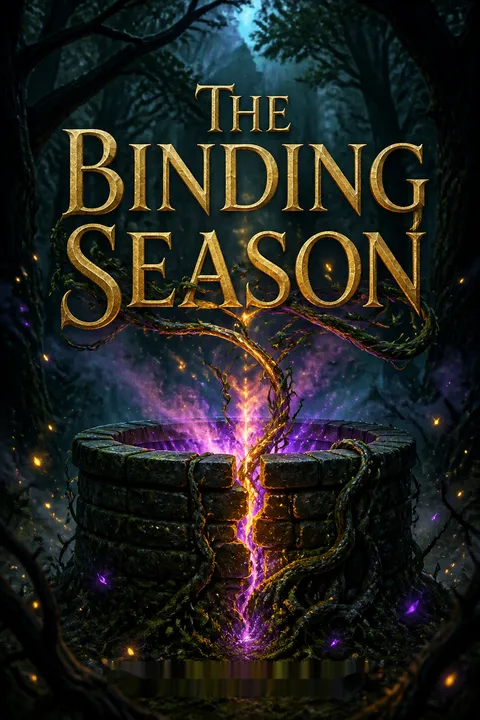

Plot Summary
Death and Rebirth in the Woods
Cassandra Reilly awakens in the woods, bloodied and disoriented, after performing the rite that should have killed her. Instead, she survives, becoming the new Witch of Fallow Creek, the magical guardian of her town. The rite's aftermath leaves her with visions, pain, and a sense of power humming beneath her skin, but also a deep uncertainty—her magic feels wrong, unreliable. Her siblings and the enigmatic Fae warrior Merich find her and bring her home, but Cassandra is haunted by the cost of her survival and the knowledge that she is now bound to Fallow Creek, immortal unless killed by another Witch. The weight of her new role and the trauma of her near-death experience set the tone for the struggle ahead.
The Witch's Broken Magic
Cassandra's attempts to use her new power end in disaster: spells backfire, objects explode, and her magic is either absent or catastrophically strong. Her siblings—Helen, Theo, and Pen—try to help her regain control, but their efforts only highlight her failures. The family, still reeling from the recent murder of their aunt Louisa and the loss of Cassandra's best friend Will, is fractured and tense. Merich, the Fae Warden, offers comfort and small tokens of hope, but Cassandra's inability to perform even simple spells leaves her feeling isolated and unworthy of her title. The sense of being fundamentally broken, of having survived the rite only to be left powerless, gnaws at her, deepening her depression and anxiety.
Family Fractures and Grief
The Reilly siblings struggle to cope with Louisa's death and the aftermath of supernatural violence. Helen and Theo's relationship is strained by old wounds and unspoken resentments, while Pen, the youngest, feels excluded and powerless. The family's grief is compounded by secrets: memory spells cast by Louisa have left gaps in their past, and Helen's recovered memories suggest a darker history—an attempt on her life at the rite stone, possibly by Louisa herself. The siblings' attempts to uncover the truth only lead to more pain, as they realize how little they know about their own family and the legacy of the Witch. The house, once a place of safety, is now a battleground of guilt, suspicion, and unresolved trauma.
Summons from the Fae
Merich arrives with a summons from the Fae: strange spirits are being pulled into the world, twisted into unnatural forms, and the Fae are under threat. Cassandra, despite her unreliable magic, is called to fulfill her duty as Witch and meet with the Fae Elders. The meeting is fraught with tension and prejudice—the Fae question her competence, insult her bloodline, and demand she solve the crisis or face dire consequences. The discovery of a murdered Fae Warden, his body transformed into a beehive, reveals the severity of the threat and the forbidden magic at play. Cassandra is tasked with finding the killer and stopping the plague of spirits, but the Fae's disdain and her own self-doubt make the challenge seem insurmountable.
The Summoning of Spirits
The woods are infested with bizarre, dangerous creatures—vile spirits summoned by a surge of forbidden magic. The Reillys adopt a harmless bee-bunny spirit, but more monstrous hybrids and carnivorous plants appear, signaling a growing imbalance in nature. The Fae's fear and anger escalate as more of their kind are killed or corrupted. Cassandra's investigation leads her to the scene of the Warden's murder, where she senses a power far beyond human magic—something is warping the very fabric of the land. The threat is not just to the Fae, but to all of Fallow Creek. As the magical plague spreads, Cassandra's inability to control her power becomes a liability, and the pressure to succeed mounts.
The Fae's Dire Request
The Fae, distrustful of Merich's allegiance to Cassandra, send new Wardens to spy on her and ensure she fulfills her duty. The house becomes a fortress under surveillance, and the siblings are forced to hide Cassandra's magical failures. The Fae's internal politics and the threat of a coup simmer beneath the surface, as some begin to sympathize with the mysterious summoner. When a monstrous spirit attacks, Cassandra and Merich barely survive, and the true enemy is revealed: Ianthe, a former Warden, is using forbidden magic to challenge the Witch's authority and incite rebellion. The lines between friend and foe blur, and Cassandra must decide whom she can trust as the crisis deepens.
The Plague of Vile Nature
Ianthe's power grows, twisting nature into grotesque forms and infecting both Fae and humans with a magical plague. Flowers and vines sprout from wounds, and even the Reillys are not immune—Cassandra, Merich, and Helen all begin to show signs of infection. The Fae are divided, some joining Ianthe's cause, others seeking sanctuary with Cassandra. The magical boundaries of Fallow Creek are tested as the plague spreads, and the threat of total collapse looms. Cassandra's desperation to save her loved ones and her town drives her to riskier magic and alliances, but every victory is met with new losses. The cost of power, and the price of failure, become painfully clear.
The Witch's Failing Power
Despite moments of success—growing flowers, conjuring fire—Cassandra's magic remains unpredictable. She learns that her power works best when she goes with the nature of things, not against it, but the underlying instability persists. The revelation that her mother, Elizabeth, was the previous Witch and is still alive, explains the inconsistency: the well of power is being pulled in two directions. As the memory spells fade, the siblings uncover the truth about their origins—experiments in magical breeding, intended to create the most powerful Witch. The knowledge is both liberating and devastating, fracturing their sense of identity and belonging.
The Fae's Deadly Test
Ianthe launches her coup, slaughtering Fae and unleashing her plague in a final bid for power. The Reillys and their allies are drawn into a brutal battle, where the boundaries between life and death, nature and corruption, blur. The Elders are killed or forced into hiding, and Cassandra is left as the last line of defense. The cost of leadership is made explicit: to protect others, she must be willing to kill. The trauma of violence, the weight of responsibility, and the fear of becoming a monster herself threaten to overwhelm her. In the aftermath, new oaths are sworn, and the survivors must reckon with the consequences of their choices.
The Truth About Louisa
Through memory spells, old grimoires, and the testimony of the Fae, the siblings learn the full extent of Louisa's secrets. Their mother, Elizabeth, was a Witch who sought to steal her children's power through blood sacrifice. Louisa intervened, casting memory spells to protect the children and banishing Elizabeth from Fallow Creek. The siblings were raised as experiments, bred for magical strength, and their entire lives have been shaped by the sins and fears of their elders. The revelation shatters their understanding of themselves and their family, but also offers a chance for healing and agency. The past cannot be changed, but the future is theirs to shape.
The Sins of the Mother
As the wards are laid to protect Fallow Creek, it becomes clear that Elizabeth, transformed by years of exile and magical backlash, is returning. The siblings realize that the true threat is not just Ianthe, but their own mother—a Witch twisted into something inhuman by her attempt to escape the boundaries of her power. The Fae, led by Holland, agree to help defend the town, but only if the Reillys swear loyalty and renounce any allegiance to Elizabeth. The stage is set for a final confrontation, as the sins of the past come home to roost and the cost of survival is measured in blood and sacrifice.
The Plague Spreads
With Ianthe's death, the immediate threat recedes, but the magical plague she unleashed lingers. The survivors bear the scars—literal and figurative—of the battle, and the town is forever changed. The boundaries are reinforced with Fae wards, and new alliances are forged, but the sense of safety is fragile. The knowledge that Elizabeth is still out there, and that the cycle of violence and power may repeat, haunts Cassandra and her family. The price of being Witch is not just immortality, but eternal vigilance and the willingness to make impossible choices.
The Coup of Ianthe
Cassandra and Merich track Ianthe to the ruins of the old church, where the last, desperate confrontation unfolds. Ianthe, consumed by her own magic, is a grotesque shadow of herself, but still deadly. In a brutal fight, Cassandra is forced to use forbidden magic, raising the bones of the dead to trap Ianthe, but it is Merich who delivers the killing blow, accepting exile from the Fae to save Cassandra. The victory is hollow—so much has been lost, and the threat of Elizabeth's return looms. The survivors must find meaning in their pain and build something new from the ashes.
The Witch's Last Stand
In the aftermath, Cassandra takes responsibility for Ianthe's death, bargaining with Holland for the Fae's protection against her mother. The siblings swear oaths of loyalty, and the boundaries of Fallow Creek are reinforced with blood, bone, and magic. The cost of power is clear: Cassandra is bound by duty, love, and the weight of her choices. Merich, now an exile, finds a home with her, and the family begins to heal. But the shadow of the past remains, and the future is uncertain.
The Price of Power
As the town recovers, the siblings grapple with the consequences of their actions and the knowledge that they are forever changed. Theo prepares to leave, seeking happiness beyond Fallow Creek, while Helen chooses to stay and rebuild. Cassandra and Merich find solace in each other, but the burden of immortality and the threat of Elizabeth's return linger. The cost of being Witch is not just personal sacrifice, but the acceptance of responsibility for others, and the willingness to face the darkness within and without.
The Aftermath and Oaths
With the Fae wards in place and the immediate threats vanquished, a fragile peace settles over Fallow Creek. The family begins to mend, and new bonds are formed. But Pen, feeling overlooked and betrayed by her siblings' secrets, takes matters into her own hands—removing a piece of the ward, she sets in motion the return of their mother. The cycle of secrets, power, and sacrifice is not yet broken, and the true test of the Witch is still to come.
The Shadow of the Past
In the final moments, Pen's actions threaten to undo all that has been achieved. Driven by loneliness and a desire for connection, she sabotages the wards, inviting her mother back into Fallow Creek. The story ends with the promise of new danger, as the past refuses to stay buried and the next chapter in the Reilly family's legacy begins.
Analysis
Claudia Cain's The Binding Season is a dark, emotionally charged exploration of power, trauma, and the cost of survival. At its heart, the novel interrogates the legacy of violence and secrecy within families and communities, using the supernatural as both metaphor and literal threat. The Witch's role is both a gift and a curse—granting immortality and authority, but at the price of freedom, connection, and, often, one's soul. The story's emotional arc is driven by the characters' struggle to reconcile love and duty, to heal from wounds both physical and psychological, and to break the cycles of abuse and sacrifice that have defined their lives. The novel's use of memory spells, forbidden magic, and oaths reflects the ways in which trauma is both hidden and inherited, and the difficulty of forging a new path in the shadow of the past. Ultimately, The Binding Season is a story about the necessity of facing darkness—within oneself, one's family, and the world—and the possibility of finding hope, love, and agency even in the face of overwhelming odds. The ending, with Pen's act of sabotage, is a powerful reminder that healing is never complete, and that the work of breaking cycles and building a better future is ongoing, uncertain, and deeply human.
Review Summary
The Binding Season receives overwhelmingly positive reviews (4.48/5), with readers praising its atmospheric horror, plant-based terror, and character development. Reviewers highlight the compelling witch-fae romance between Cass and Merich, describing it as a perfect slow burn. The sibling dynamics and trauma exploration resonate strongly. Many note this third installment is darker and more intense than previous books, featuring graphic botanical and body horror. Readers appreciate the balance between fantasy plot and romance, with authentic character arcs addressing grief and loss. The cliffhanger ending leaves fans eagerly anticipating book four.
People Also Read

Characters
Cassandra Reilly
Cassandra is the protagonist and new Witch of Fallow Creek, thrust into power by a rite that should have killed her. Haunted by grief, guilt, and the trauma of violence, she struggles with unreliable magic and the weight of responsibility. Her relationships with her siblings are fraught with secrets and pain, and her bond with Merich is both a source of comfort and fear. Cassandra's journey is one of reluctant leadership, as she learns to accept her power, make impossible choices, and face the darkness within herself and her family. Her development is marked by resilience, compassion, and a fierce determination to protect those she loves, even at great personal cost.
Merich
Merich is a Warden of the Woods, an immortal Fae warrior who becomes Cassandra's closest ally and eventual lover. Torn between his duty to the Fae and his loyalty to Cassandra, Merich is both protector and outsider, struggling with his own isolation and the consequences of his choices. His relationship with Cassandra is marked by tenderness, humor, and a deep understanding of pain. Merich's willingness to sacrifice everything for Cassandra—culminating in his exile from the Fae—reveals his capacity for love and his rejection of the Fae's cold pragmatism. He is both a symbol of the dangers of immortality and the possibility of finding home in another person.
Helen Reilly
Helen is Cassandra's older sister, marked by Fae blood and a history of trauma. Beautiful, sharp-tongued, and fiercely protective, Helen is both a source of strength and conflict within the family. Her years away from home are shrouded in mystery, and her return is driven by guilt and a desire for redemption. Helen's memories of violence and loss—friends killed, betrayals endured—shape her distrust of the Fae and her determination to protect her siblings. Her development is a journey from isolation to connection, as she learns to accept love and vulnerability, and to fight not just for survival, but for healing.
Theo Reilly
Theo is the eldest Reilly sibling, a scholar and witch whose rationality masks deep wounds. He is the family's caretaker, sacrificing his own happiness to protect his sisters. Theo's struggle with the truth of their origins—being bred as magical experiments—leaves him questioning his worth and place in the world. His desire to leave Fallow Creek is both an act of self-preservation and a source of guilt. Theo's development is marked by the tension between duty and desire, as he learns to let go, trust others, and seek his own happiness.
Pen Reilly
Pen is the youngest Reilly, often excluded from the family's secrets and decisions. Her feelings of isolation and betrayal drive her to seek connection and agency, culminating in her decision to sabotage the wards and invite her mother's return. Pen's actions are both a cry for help and a catalyst for new danger, embodying the cycle of secrets and unintended consequences that haunts the family. Her development is a warning about the costs of exclusion and the need for honesty and inclusion.
Holland
Holland is the last surviving Elder of the Fae, a figure of authority, cunning, and ambiguous morality. His alliance with Cassandra is born of necessity, and his willingness to bargain and make oaths reveals both his pragmatism and his understanding of power. Holland's survival is tied to Cassandra's, and his leadership is marked by a willingness to adapt and compromise. He is both a potential ally and a reminder of the dangers of power without compassion.
Ianthe
Ianthe is the former Warden who becomes the story's primary antagonist, wielding forbidden magic in a bid to overthrow the Witch and free the Fae from human authority. Her descent into monstrosity is both a warning about the dangers of unchecked ambition and a tragedy of isolation and pain. Ianthe's actions unleash a plague that threatens to consume all, and her final confrontation with Cassandra is a test of mercy, power, and the cost of survival.
Louisa
Louisa is the siblings' aunt and former guardian, whose death sets the story in motion. Her legacy is one of love, sacrifice, and secrecy—she casts memory spells to protect the children from their mother, banishes Elizabeth, and pushes Cassandra to become the Witch. Louisa's choices are both heroic and flawed, and her absence is felt in every decision the siblings make. She embodies the complexities of love, duty, and the costs of trying to do the right thing.
Elizabeth
Elizabeth is the siblings' mother, a Witch whose ambition and cruelty drive the story's deepest conflicts. Her attempt to steal her children's power, her banishment, and her transformation into something inhuman make her both a symbol of the past's sins and the future's dangers. Elizabeth's return is the story's final threat, a reminder that the cycle of violence and power is never truly broken.
Brigid
Brigid is a Warden who becomes an unexpected ally to Cassandra and her family. Her loyalty, courage, and willingness to challenge the Fae's prejudices make her a bridge between worlds. Brigid's survival and support are a testament to the possibility of change and the importance of choosing one's own path.
Plot Devices
The Rite and the Well of Power
The rite is the central plot device, a magical ritual that grants immense power and immortality to the Witch, but at the cost of their freedom and, often, their life. The well of power beneath Fallow Creek is both a source of strength and a prison, binding the Witch to the land and making them a target for those who would claim their power. The rite's rules—only one Witch at a time, the price of leaving the territory, the need for blood sacrifice—drive the story's conflicts and shape the characters' choices. The ambiguity and danger of the rite reflect the story's themes of power, sacrifice, and the costs of survival.
Memory Spells and Family Secrets
Memory spells are used to hide the truth about the siblings' origins, their mother's crimes, and the family's legacy. The gradual unraveling of these spells serves as both a plot engine and a metaphor for the process of healing and confronting the past. The secrets revealed—about magical breeding, attempted murder, and the true nature of the Witch—force the characters to reevaluate their relationships, their sense of self, and their place in the world. The interplay of memory, truth, and deception is central to the story's emotional arc.
The Plague and Magical Corruption
Ianthe's use of forbidden magic unleashes a plague that twists nature, creates monstrous spirits, and infects both Fae and humans. The spread of the plague is both a literal and symbolic threat, representing the dangers of unchecked ambition, the consequences of breaking natural laws, and the interconnectedness of all things. The plague's progression—flowers and vines growing from wounds, the transformation of bodies and land—serves as a constant reminder of the story's stakes and the urgency of the Witch's task.
Oaths, Bargains, and the Price of Power
Oaths and bargains are used to forge alliances, secure protection, and define the boundaries of power. The Witch's oath to protect the Fae, the siblings' oath to renounce their mother, and the bargains struck with Holland all carry weighty consequences. The story explores the tension between freedom and responsibility, the dangers of breaking promises, and the ways in which power is both a gift and a burden. The price of power—sacrifice, isolation, and the willingness to kill—is a recurring motif, shaping the characters' choices and the story's resolution.
Foreshadowing and Cyclical Structure
The story is structured around cycles—of violence, power, and sacrifice. The foreshadowing of Elizabeth's return, the repetition of the rite, and the echoes of past betrayals all serve to create a sense of inevitability and tension. The final chapter, with Pen sabotaging the wards, signals that the cycle is not yet broken, and that the true test of the Witch is still to come. The use of foreshadowing and cyclical structure reinforces the story's themes of legacy, trauma, and the possibility of change.
Download PDF
Download EPUB
.epub digital book format is ideal for reading ebooks on phones, tablets, and e-readers.








































