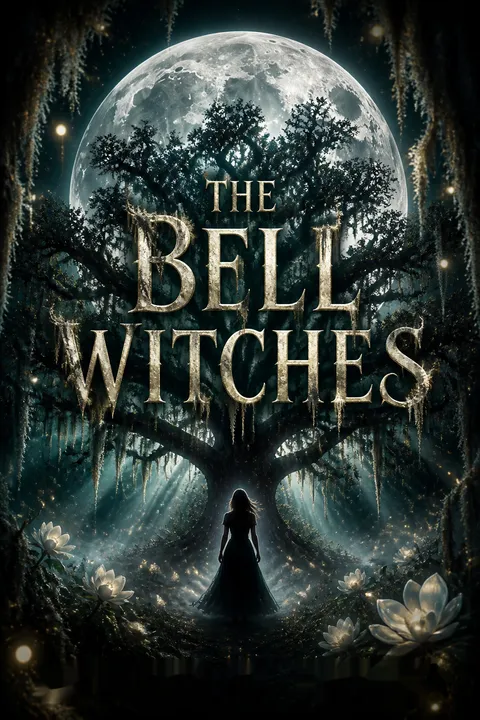

Plot Summary
Arrival at Bell House
Sixteen-year-old Emily arrives in sweltering Savannah, Georgia, orphaned after her father's sudden death. She's greeted by her enigmatic grandmother Catherine and aunt Ashley at the imposing Bell House, a mansion steeped in Southern history and family secrets. The house is both beautiful and intimidating, filled with echoes of a past Emily never knew. As she meets her relatives, she's struck by their uncanny resemblance and the sense of belonging she's always craved. Yet, beneath the warmth, there's a current of tension and unspoken pain—her father's estrangement, her mother's absence, and the mystery of why she was kept away. Emily's arrival marks the end of "before" and the uncertain beginning of "after."
Family Secrets Unveiled
Emily's first days in Bell House are a blur of jetlag, grief, and Southern hospitality. Catherine reveals the rift that drove Emily's father away: a clash of beliefs and stubborn pride. Emily learns her father lied about their family, claiming they were all dead, and that she has a living aunt and grandmother. The house itself is a character—grand, mysterious, and full of locked doors. Emily's sense of identity is shaken as she discovers her real name is Emma Catherine Bell, part of a long line of women with the same name. The past is everywhere, from her father's childhood room to the family portraits, and Emily is left wondering what else she doesn't know.
Southern Roots and Ghosts
Catherine takes Emily on a tour of Savannah, introducing her to the city's storied squares, haunted houses, and the weight of Southern tradition. Emily meets Lydia and Jackson Powell, twins from another old Savannah family, and is drawn into their world of debutante balls and whispered scandals. The city is alive with ghosts—both literal and metaphorical. Emily experiences strange visions and hears voices in the Spanish moss, hinting at a supernatural legacy. The past presses in from all sides, and Emily senses she's at the center of something much older and stranger than she imagined.
New Friends, Old Tensions
Emily bonds with Lydia and Jackson, finding in them the friendship she's always missed. Lydia is vibrant and rebellious, Jackson charming and flirtatious. Yet, beneath the surface, old family rivalries and secrets simmer. Emily's outsider status makes her both a curiosity and a target. Ashley, resentful of her own role as caretaker and her lost youth, is alternately cold and confiding. Emily's attempts to fit in are complicated by her growing feelings for Wyn, a mysterious boy she glimpses in the square. The city's traditions—debutante balls, family feuds, and ghost stories—become both a comfort and a cage.
Whispers in the Moss
Emily's visions intensify, and the Spanish moss seems to whisper warnings only she can hear: "Light hides the lies; truth lives in the dark." She's drawn to Wyn, whose presence is electric and unsettling. The city's supernatural undercurrent grows stronger—ghostly apparitions, time-slips, and memories that aren't her own. Emily's locket, a keepsake from her mother, refuses to open, holding secrets of its own. As she explores Bell House and Savannah, she senses she's being watched and tested. The boundaries between past and present, living and dead, begin to blur.
Wyn's First Encounter
Emily and Wyn finally meet under the oaks, their connection instant and charged with unspoken history. Wyn is an outsider too, from North Carolina, with secrets of his own. Their chemistry is undeniable, and Emily experiences visions of a future—or past—kiss beneath the trees. Wyn becomes her guide to Savannah, showing her the city's hidden corners and sharing his dreams. Their bond deepens, but both sense something uncanny at work. Emily's magic stirs in his presence, and the Spanish moss seems to bless—or warn—their union. The city, and fate, are conspiring to bring them together.
The Wolf in Bonaventure
Catherine takes Emily to Bonaventure Cemetery to meet her ancestors, but the visit turns deadly when a wolf attacks. In a moment of terror, Emily and Catherine fight for their lives. Emily, guided by instinct and the silver pin Catherine gives her, kills the wolf in a bloody struggle. The experience is traumatic, leaving Emily shaken and guilty. Catherine insists they keep the attack secret, warning that no one mourns a wolf. The violence awakens something in Emily—her magic, her fear, and her sense that she's at the center of a much larger, darker story.
Blood and Silver
Emily's wound from the wolf heals overnight, leaving only a silvery scar. She's haunted by what she's done and what it means. Ashley and Catherine ply her with herbal teas and cryptic advice, while Emily's visions grow more intense. She and Wyn grow closer, sharing secrets and stolen moments, but Catherine forbids her from dating until she's seventeen. Emily learns more about her family's magical legacy and the rules that bind Bell witches. The silver pin, the locket, and the Spanish moss become symbols of her inheritance—and her peril. The line between love and danger blurs.
Awakening the Magic
Catherine finally admits the family secret: Emily is a witch, the latest in a line of powerful women whose magic is tied to Savannah itself. The "blessing" passes from grandmother to granddaughter, skipping the middle generation. Ashley, the caretaker, is both resentful and protective. Emily's powers—visions, plant magic, elemental control, and the ability to see ghosts—begin to manifest. She learns that her abilities are rare and that her destiny is bound to the city's fate. The prophecy of a witch who will either save or destroy Savannah looms over her, and Emily must decide what kind of witch she will be.
The Burden of Legacy
Emily's training intensifies as her seventeenth birthday approaches. Catherine prepares her for the Becoming, a ritual that will fully awaken her magic. Emily struggles with the weight of expectation, the fear of losing control, and the knowledge that her father tried to protect her from this fate. She uncovers family journals, learns of past tragedies, and realizes that every Bell witch has faced a moment of reckoning. The prophecy hangs over her: she may be the one to revive the city's magic—or to end it forever. The past, present, and future converge as the full moon nears.
The Witch and the Wolf
Emily and Wyn's relationship deepens, but secrets threaten to tear them apart. Wyn reveals he is a werewolf, initiated by his family to investigate a rising darkness in Savannah. Emily confesses her own magic and the prophecy that haunts her. Their love is both a blessing and a curse, drawing them together even as their families' histories and supernatural natures threaten to destroy them. As the full moon approaches, Wyn's first transformation looms, and Emily must choose between her heart and her duty. The city's magic, and its monsters, are waking.
The Prophecy's Shadow
Catherine's true nature is revealed: she orchestrated Emily's father's death to bring her home and preserve the family's magic. Ashley, freed from her binding, confesses the truth about the family's dark history. Catherine's obsession with legacy and power leads her to kidnap Wyn and curse Lydia, forcing Emily into a deadly confrontation. The Becoming ceremony becomes a battleground, with Catherine determined to bind and drain Emily's magic for herself. The prophecy's shadow falls over them all, and Emily must decide whether to embrace her destiny or reject it—and at what cost.
Betrayals and Bindings
In the underground chapel, Emily faces Catherine, Wyn transformed and wounded, and the ghosts of her ancestors. Catherine's plan to bind and drain Emily's magic is revealed, and the two women battle for control. Emily, aided by the spirits of the Bell witches and her own newfound strength, resists Catherine's binding. The struggle is both physical and magical, with blood, fire, and sacrifice. In the end, Emily chooses her own path, refusing to be a pawn in anyone's game. Catherine is defeated, her fate left uncertain, and Emily claims her power—and her freedom.
Becoming Under the Moon
The Becoming ceremony, held under the full moon in Bonaventure, is both a rite of passage and a crucible. Emily steps through the archway, embracing her magic and her identity as Emma Catherine Bell. The spirits of her ancestors guide her, and she is given the choice: to save or destroy. The prophecy is not a sentence but a question, and Emily's answer is to choose love, compassion, and self-determination. She heals Wyn, saves Lydia, and refuses to perpetuate the cycle of violence and sacrifice. The city is spared, and Emily emerges changed but whole.
Fire or Salvation
The aftermath of the Becoming is both relief and reckoning. Emily's magic is stronger than ever, but she is haunted by what she's done and what she might become. The city is safe—for now—but the prophecy remains unresolved. Wyn must return to his family and face the consequences of his brother's death. Ashley is free at last, but the scars of the past linger. Catherine's absence is both a loss and a liberation. Emily stands at the threshold of adulthood, her choices her own, but the future uncertain. The fire inside her is both danger and hope.
Aftermath and New Beginnings
In the quiet after the storm, Emily claims Bell House as her home and her inheritance. She reconciles with Ashley, finds peace with her past, and looks to the future with hope. Wyn departs, but their bond endures, a promise of return. Lydia and Jackson are safe, and the city breathes easy once more. Emily is no longer the missing Bell baby or the girl with a prophecy—she is herself, a witch, a daughter, a friend, and the author of her own story. The cycle of before and after continues, but this time, Emily chooses what comes next.
Analysis
Lindsey Kelk's The Bell Witches is a modern Southern Gothic that reimagines the coming-of-age story as a battle for selfhood against the weight of history, family, and fate. At its heart, the novel is about the struggle to claim one's identity in the face of overwhelming expectation—be it magical, familial, or societal. Emily's journey from orphaned outsider to powerful witch is both literal and metaphorical: she must confront the ghosts of her past, the lies of her elders, and the seductive pull of prophecy. The book interrogates the nature of legacy—what we inherit, what we choose, and what we must let go. It asks whether we are doomed to repeat the mistakes of those who came before, or whether we can forge a new path. The supernatural elements serve as metaphors for trauma, generational conflict, and the longing for belonging. Ultimately, the novel argues for the power of choice: that destiny is not a sentence, but a question, and that the courage to choose—love, truth, selfhood—is the greatest magic of all. In a world haunted by the past, The Bell Witches offers hope that the future can be rewritten, one brave decision at a time.
Review Summary
People Also Read
Characters
Emily (Emma Catherine Bell)
Emily is a sixteen-year-old orphan thrust into a world of Southern tradition, supernatural legacy, and family secrets. Intelligent, sensitive, and fiercely independent, she's haunted by the loss of her parents and the lies that shaped her childhood. Emily's journey is one of self-discovery—learning she is the latest in a line of powerful witches, grappling with the burden of prophecy, and struggling to reconcile love and duty. Her relationships—with Catherine, Ashley, Wyn, and her friends—are marked by longing, betrayal, and the search for connection. Emily's greatest strength is her refusal to be defined by others' expectations; she chooses her own path, even when it means risking everything.
Catherine Bell
Catherine is Emily's grandmother and the head of the Bell family, a woman of immense power, pride, and complexity. Outwardly gracious and elegant, she is driven by a fierce devotion to family legacy and the preservation of magic. Catherine's love is possessive and often destructive—she orchestrates her son's death to bring Emily home, binds Ashley to the house, and is willing to sacrifice anything for the blessing. Her psychological depth lies in her inability to let go, her fear of loss, and her belief that the ends justify the means. Catherine is both villain and victim, her tragedy rooted in love twisted by obsession.
Ashley Bell
Ashley, Emily's aunt, is the overlooked middle generation—denied magic, bound to Bell House, and forced into a life of service. Her bitterness masks deep pain and longing for freedom. Ashley's relationship with Catherine is fraught with resentment, while her bond with Emily evolves from rivalry to solidarity. She is both a warning and a guide, showing Emily the cost of legacy and the dangers of self-sacrifice. Ashley's arc is one of liberation, as she finally breaks free from her binding and claims agency over her own life.
Wyn Evans
Wyn is a mysterious, artistic boy from North Carolina, drawn to Savannah by family secrets and supernatural duty. He is both Emily's soulmate and her opposite—a werewolf, chosen by his family to investigate a rising darkness. Wyn's struggle is one of identity and control, torn between love and loyalty, humanity and animal instinct. His relationship with Emily is passionate, fraught with danger, and ultimately redemptive. Wyn's journey mirrors Emily's: both must choose who they want to be, not who they were born to become.
Lydia Powell
Lydia is Emily's first true friend in Savannah—bold, creative, and unafraid to challenge tradition. She is the descendant of another magical family, though her own line's power has faded. Lydia's role is both confidante and comic relief, but her vulnerability and longing for acceptance run deep. Her friendship with Emily is tested by secrets and supernatural dangers, but ultimately endures. Lydia represents the possibility of a different kind of legacy—one built on choice, not inheritance.
Jackson Powell
Jackson, Lydia's brother, is the golden child—handsome, athletic, and effortlessly popular. He is drawn to Emily, both as a friend and potential love interest, but accepts her choices with grace. Jackson's loyalty to his sister and friends is unwavering, and he provides a grounding presence amid the chaos. His arc is one of quiet support, learning to let go and trust others to make their own decisions.
Paul (Emily's Father)
Paul is a shadowy presence—Emily's beloved father, whose choices shape the entire narrative. He flees Savannah to protect Emily from the family legacy, raising her in isolation and secrecy. Paul's love is genuine but flawed; his lies and omissions are meant to shield Emily but ultimately leave her unprepared. His death is both a catalyst and a mystery, orchestrated by Catherine's desperation. Paul's psychological complexity lies in his fear, his hope, and his inability to escape the past.
Angelica (Emily's Mother)
Angelica is the absent center of Emily's longing—a beautiful, vibrant woman whose early death haunts the family. Her memory is preserved in photographs, lockets, and stories, but the truth of her life and death is shrouded in magic and tragedy. Angelica represents the possibility of happiness denied by fate, and her legacy is one of love, sacrifice, and the cost of secrets.
The First Emma Catherine Bell
The original Emma Catherine Bell is both legend and presence—a founder of Savannah, healer, and the progenitor of the Bell witches. She appears to Emily in visions, offering wisdom, warnings, and the weight of history. Her story is one of survival, adaptation, and the struggle to balance power and compassion. She embodies the duality of the blessing: creation and destruction, light and dark.
The Wolf (Cole Evans)
Cole, Wyn's brother, is the wolf Emily kills in Bonaventure—a werewolf sent to investigate Savannah's darkness. His death is both an accident and a consequence of family secrets, setting off a chain of guilt, vengeance, and reckoning. Cole's role is that of the necessary antagonist, a reminder that every choice has a cost, and that monsters are often made, not born.
Plot Devices
Duality of Before and After
The novel is structured around the concept of "before" and "after"—Emily's life divided by her father's death, her arrival in Savannah, and the awakening of her magic. This device underscores the theme of transformation, the loss of innocence, and the inevitability of change. The narrative constantly contrasts past and present, memory and reality, forcing Emily (and the reader) to question what is true and what is constructed.
Generational Legacy and Prophecy
The Bell family's magic is passed down through generations, with each Emma Catherine Bell inheriting not just power but the weight of expectation and prophecy. The prophecy itself is a classic plot device—ambiguous, self-fulfilling, and open to interpretation. It creates tension between fate and free will, and drives the characters to both embrace and resist their destinies.
Supernatural Realism and Southern Gothic
The novel blends the supernatural with the deeply rooted traditions and haunted atmosphere of Savannah. Ghosts, visions, and magical realism are used to explore psychological trauma, family secrets, and the persistence of the past. The Spanish moss, the locket, the silver pin, and the house itself are recurring symbols, each carrying layers of meaning and foreshadowing.
Love as Catalyst and Conflict
Emily and Wyn's relationship is both a source of strength and a trigger for crisis. Their love is fated, magical, and forbidden, echoing classic tales of star-crossed lovers. The tension between desire and duty, self and other, is heightened by their supernatural natures and the threat of prophecy. Love becomes the crucible in which Emily's choices are tested.
Binding, Sacrifice, and Choice
The rituals of binding, the Becoming, and the threat of sacrifice are central plot devices. They represent the struggle for autonomy—who gets to choose, who is bound, and who is sacrificed for the greater good. The narrative structure builds toward a climactic choice: will Emily accept her destiny, reject it, or redefine it on her own terms? The use of foreshadowing, visions, and parallel histories heightens the suspense and emotional stakes.
Download PDF
Download EPUB
.epub digital book format is ideal for reading ebooks on phones, tablets, and e-readers.








































