
Plot Summary
Shattered Beginnings, Broken Returns
Tristan Cole's world is obliterated in a single moment: his wife Jamie and son Charlie are killed in a car accident while he's away chasing a dream. Meanwhile, Elizabeth, reeling from the sudden death of her husband Steven, flees her home with her young daughter Emma, seeking refuge with her unstable mother. Both are left hollow, their lives defined by loss and the ache of what's missing. When Elizabeth decides to return to her old house in Meadows Creek, she's determined to rebuild for Emma's sake, even as every corner of her home aches with memories. Tristan, now her neighbor, is a shadow of a man, haunted and angry, his grief manifesting as isolation and rage. Their stories begin as parallel lines of devastation, each struggling to breathe in a world that no longer makes sense.
Collision of Grief-Stricken Lives
Elizabeth's return to Meadows Creek is marked by a literal collision: she accidentally hits Tristan's dog, Zeus, with her car. The encounter is raw and hostile—Tristan's pain erupts as anger, Elizabeth's guilt is immediate. Yet, beneath the surface, both recognize a familiar agony in each other's eyes. The incident at the animal hospital, where Elizabeth insists on paying for Zeus's care, becomes the first crack in their emotional armor. Emma, with her innocent honesty, bridges the gap, calling Tristan "Tick" after a misunderstanding. The town's gossip swirls, but the two wounded souls are drawn together by the silent understanding of loss, even as they resist the pull.
Small Town, Big Wounds
Meadows Creek is a place where everyone knows everyone's business, and Elizabeth's return is met with both sympathy and scrutiny. She reconnects with old friends—Faye, her wild and loyal best friend, and Tanner, her late husband's best friend who harbors his own secrets. The town's women judge Elizabeth's choices, her grief, and her parenting, while rumors about Tristan's past paint him as a dangerous recluse. Both Elizabeth and Tristan are outsiders in their own ways, navigating the suffocating expectations of a small town while trying to find a way forward. The wounds of the past are never far, and every interaction is colored by what's been lost.
Ghosts in the Grass
Tristan's act of mowing Elizabeth's overgrown lawn—initially out of annoyance—becomes a turning point. The simple act stirs memories of their lost spouses, and for the first time, they speak openly about their grief. The conversation is tentative, but it's a relief to be understood without judgment. They begin to see each other not as monsters or burdens, but as fellow survivors. The grass, once a symbol of neglect, becomes a space where healing can begin. Their connection deepens, not through grand gestures, but through the quiet acknowledgment of pain and the small kindnesses that follow.
Unlikely Friendships, Unspoken Pain
Elizabeth and Tristan's relationship evolves from antagonism to a fragile friendship. They share meals, stories, and the weight of their memories. Emma, ever perceptive, bonds with Tristan and Zeus, bringing moments of lightness to their heavy hearts. The trio forms an unconventional family, united by loss but also by the desire to protect one another. Yet, beneath the surface, both adults are still bargaining with their ghosts—using each other to remember, to feel, and sometimes to forget. Their intimacy is both a balm and a risk, as neither is sure if they're ready to truly move on.
Bargaining with Memories
Elizabeth and Tristan's physical relationship begins as a way to hold onto their lost loves. They make love not as themselves, but as stand-ins for Jamie and Steven, whispering the names of the dead in the dark. The arrangement is comforting and destructive, a way to feel alive while refusing to let go. The boundaries between past and present blur, and both are left questioning whether they're healing or simply deepening their wounds. The town's judgment intensifies, and their secret becomes harder to keep. The risk of real feeling—of loving again—looms, threatening the fragile peace they've found.
Pretending to Heal
As weeks pass, Elizabeth and Tristan settle into a routine that mimics normalcy. They share inside jokes, care for Emma, and even begin to renovate Tristan's house together. Yet, the pretense of healing is just that—a pretense. Both are haunted by anniversaries, birthdays, and the "big moments" that make grief fresh again. Their relationship is tested by jealousy, misunderstandings, and the ever-present fear of forgetting their lost spouses. The comfort they find in each other is real, but so is the guilt. The question of whether they're truly moving on or just pretending becomes impossible to ignore.
The Past Demands to Be Felt
The fragile peace is shattered when the truth about the accident that killed Tristan's family comes to light: Elizabeth's late husband, Steven, was the driver of the car that collided with Jamie and Charlie. The revelation is devastating, threatening to destroy everything Elizabeth and Tristan have built. Tanner, driven by jealousy and obsession, manipulates the situation, exposing the truth in the most painful way possible. Tristan is consumed by rage and betrayal, Elizabeth by guilt and fear. The past, long buried, demands to be felt, and both are forced to confront the reality that their lives are inextricably linked by tragedy.
Kisses for the Dead
In the aftermath of the revelation, Elizabeth and Tristan are torn apart. Tristan flees, unable to reconcile his love for Elizabeth with the pain of his loss. Elizabeth is left to pick up the pieces, caring for Emma and grappling with the knowledge that her happiness is built on another's heartbreak. Both are haunted by memories—of love, of loss, of the moments that can never be reclaimed. Yet, even in their separation, they find ways to reach out: through Post-It notes, through small acts of remembrance, through the hope that forgiveness might be possible. The dead are never far, but neither is the possibility of new life.
Feathers from Angels
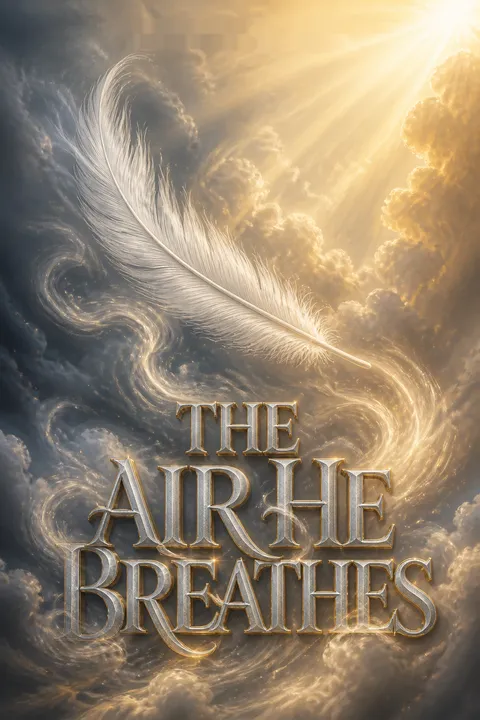
White feathers, believed by Emma to be messages from her father, become a recurring symbol of hope and connection. Tristan, in a quiet act of kindness, ensures that Emma continues to find feathers, helping her—and Elizabeth—believe that love endures beyond death. The feathers are a reminder that healing is possible, that the departed are never truly gone, and that forgiveness can be found in unexpected places. As Elizabeth and Tristan tentatively rebuild their relationship, the feathers serve as both a comfort and a challenge: to let go of guilt, to embrace the present, and to trust in the future.
The Monster Next Door
Tristan's reputation as the town's monster is both a reflection of his own self-loathing and the community's fear of what they don't understand. Elizabeth, too, is judged for moving on "too soon," for loving again, for being imperfect in her grief. Together, they confront the labels and expectations that have kept them isolated. The real monsters, they discover, are not the broken or the grieving, but those who refuse to see the humanity in others. By choosing each other, they defy the narratives imposed upon them, reclaiming their right to happiness and belonging.
When Broken Meets Broken
Elizabeth and Tristan's love story is not one of perfect healing, but of choosing to love in spite of the scars. They accept that they will always carry their losses, that some wounds never fully close. Yet, in each other, they find a reason to keep breathing, to keep hoping, to keep living. Their relationship is messy, complicated, and real—built not on the absence of pain, but on the willingness to face it together. They become a family, not by erasing the past, but by honoring it and allowing it to coexist with the present.
The Truth That Destroys
Tanner's obsession with Elizabeth, fueled by years of unrequited love and jealousy, reaches a breaking point. His actions—manipulating the truth, stalking, and ultimately kidnapping Emma—bring the story to its darkest moment. The violence that ensues is a manifestation of all the unspoken pain, the dangers of refusing to let go, and the consequences of unresolved grief. Elizabeth is forced to fight for her daughter's life, and in the process, confronts the depths of her own strength. The ordeal leaves everyone changed, but also opens the door to true healing.
The Cost of Forgiveness
In the aftermath of Tanner's death and Emma's rescue, Elizabeth and Tristan are left to pick up the pieces once more. The process of forgiveness—of themselves, of each other, of the past—is slow and painful. They must learn to trust again, to believe that happiness is possible, and to accept that love is always a risk. The community, once judgmental, begins to see them with new eyes, recognizing the courage it takes to keep going. The cost of forgiveness is high, but the reward is a life rebuilt on honesty, vulnerability, and hope.
The Madness of Love and Loss
Elizabeth and Tristan's journey is marked by moments of madness—of passion, of despair, of irrational hope. They learn that love is not about erasing the past, but about carrying it with grace. Their family grows, not just in number but in depth, as they welcome new beginnings while honoring old wounds. The madness of love is its refusal to be logical, its insistence on risking everything for the chance at connection. In embracing their imperfections, they find a peace that eluded them in their quest for closure.
The Final Goodbye
True healing comes when Elizabeth and Tristan are able to say goodbye—not just to their lost spouses, but to the versions of themselves defined by grief. They visit graves, pack away old clothes, and make space for new memories. The act of letting go is both heartbreaking and liberating, a necessary step toward embracing the future. Their love, once a means of survival, becomes a choice—a commitment to live fully, to love deeply, and to honor the past without being imprisoned by it.
Healing in the Ruins
With the past acknowledged and forgiven, Elizabeth and Tristan begin to build a life together. They open a shop, blending their talents and dreams, and create a home filled with laughter, love, and the echoes of those they've lost. Emma thrives, surrounded by the security of a family that has weathered every storm. The community, once skeptical, becomes a source of support and celebration. The ruins of their old lives become the foundation for something new, proof that even the most broken hearts can heal.
Choosing to Breathe Again
In the end, Elizabeth and Tristan's story is one of choosing to breathe—again and again, despite the pain, despite the fear, despite the uncertainty. Their love is not a cure for grief, but a testament to the resilience of the human spirit. Together, they learn that happiness is not the absence of sorrow, but the willingness to keep living, loving, and hoping. Surrounded by family, friends, and the memories of those they've lost, they find peace—not in forgetting, but in remembering, and in choosing each other every day.
Analysis
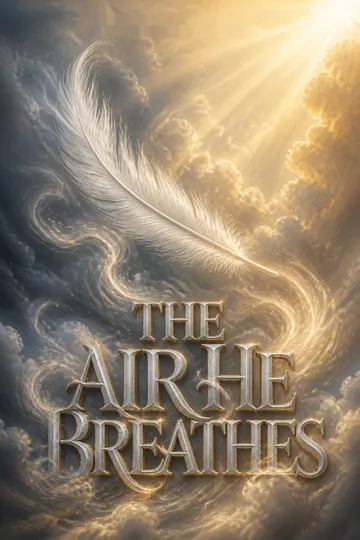
Brittainy C. Cherry's The Air He Breathes is a raw, emotionally charged exploration of grief, healing, and the messy, nonlinear path to love after loss. At its core, the novel asks whether it is possible to truly move on from tragedy, or whether healing means learning to live with the scars. Through the intertwined journeys of Elizabeth and Tristan, Cherry examines the ways in which pain isolates and connects us, the dangers of unresolved grief, and the courage required to risk loving again. The story is unflinching in its portrayal of trauma—there are no easy answers, no quick fixes, and no guarantees of happiness. Yet, it is also deeply hopeful, insisting that even the most broken hearts can find solace in connection, vulnerability, and the willingness to keep breathing. The novel challenges societal expectations around mourning, forgiveness, and what it means to be "good enough." It suggests that love is not about erasing the past, but about carrying it with grace, and that true healing comes not from forgetting, but from choosing to live—and love—fully, scars and all. In a world obsessed with perfection and closure, The Air He Breathes is a testament to the beauty of imperfection, the necessity of forgiveness, and the transformative power of choosing to breathe, again and again.
People Also Read

Characters
Elizabeth
Elizabeth is a young widow and mother, shattered by the sudden loss of her husband Steven. Her grief is compounded by guilt, loneliness, and the pressure to be strong for her daughter, Emma. Psychoanalytically, Elizabeth is caught between the desire to remember and the fear of moving on—her identity is fractured, her sense of self-worth eroded by loss. Her return to Meadows Creek is both an act of courage and desperation, a bid to reclaim her life while haunted by memories at every turn. Elizabeth's journey is one of gradual healing: she learns to accept her pain, to forgive herself, and to risk loving again. Her relationship with Tristan is both a mirror and a catalyst, forcing her to confront the darkest parts of herself while offering the possibility of new beginnings. Through vulnerability and perseverance, Elizabeth transforms from a woman defined by tragedy to one who chooses hope, love, and life.
Tristan Cole
Tristan is a man hollowed out by the loss of his wife Jamie and son Charlie in a tragic accident. Once hopeful and loving, he becomes the town's pariah—angry, reclusive, and self-destructive. His grief manifests as rage, guilt, and a refusal to let anyone close. Psychoanalytically, Tristan is trapped in a cycle of self-punishment, convinced he is undeserving of happiness or forgiveness. His relationship with Elizabeth is fraught with complexity: she is both a reminder of what he's lost and a chance at redemption. Tristan's journey is one of learning to forgive—not just Elizabeth, but himself. He must confront the truth about the accident, the limits of his control, and the possibility of loving again without betraying the memory of his family. Through acts of kindness, vulnerability, and courage, Tristan reclaims his humanity and discovers that healing is possible, even for the most broken.
Emma
Emma is Elizabeth's young daughter, a bright and sensitive child who has lost her father but retains a capacity for joy and wonder. She is the emotional anchor for both Elizabeth and Tristan, her needs forcing them to move beyond their own pain. Emma's belief in signs from her father—white feathers—serves as a symbol of hope and continuity. Her relationship with Tristan is transformative: she brings out his gentler side, and their bond helps both adults rediscover the possibility of family. Emma's resilience and innocence are a reminder that healing is not just for the wounded, but for those who must grow up in the aftermath of loss.
Jamie
Jamie, Tristan's late wife, is present throughout the novel as a memory, a ghost, and a standard against which all new love is measured. Her absence is a wound that shapes Tristan's every action, and her memory is both a comfort and a barrier to moving on. Jamie represents the life that was stolen, the dreams unfulfilled, and the love that seems impossible to replace. Her presence in Tristan's psyche is both a source of strength and a challenge—he must learn to honor her without being imprisoned by her memory.
Charlie
Charlie, Tristan's son, is the embodiment of innocence lost. His death is the central trauma that haunts Tristan, fueling his guilt and self-loathing. Charlie's memory is kept alive through stories, tattoos, and the rituals of remembrance. For Tristan, letting go of Charlie is the hardest task—one that requires accepting that love endures even after death. Charlie's presence is a reminder of what's at stake: the possibility of joy, the pain of loss, and the courage to keep living.
Faye
Faye is Elizabeth's best friend, a vibrant and unapologetic woman who uses humor and bravado to mask her own wounds. She is fiercely protective, quick to judge, but ultimately supportive. Faye's own struggles with love and heartbreak mirror Elizabeth's journey, and her willingness to confront pain head-on is both a source of strength and vulnerability. Faye's friendship is a lifeline for Elizabeth, offering both tough love and unconditional support.
Tanner
Tanner is Steven's best friend and Elizabeth's confidant, but beneath his helpful exterior lies a deep obsession and jealousy. His inability to let go of his feelings for Elizabeth leads him down a path of manipulation, betrayal, and ultimately violence. Tanner's character is a study in the dangers of unresolved grief and unrequited love—his actions are driven by a desperate need for control and validation. His descent into madness is both tragic and terrifying, a cautionary tale about the costs of refusing to move on.
Hannah (Elizabeth's Mother)
Hannah is Elizabeth's mother, a woman broken by the loss of her husband and unable to find her way back to herself. She copes through a series of unhealthy relationships, serving as both a warning and a mirror for Elizabeth. Hannah's journey is one of slow, painful growth—she eventually finds love again, but not before causing pain to herself and those around her. Her relationship with Elizabeth is fraught but ultimately redemptive, offering a model of forgiveness and the possibility of second chances.
Mr. Henson
Mr. Henson is the owner of the town's mystical shop, Needful Things, and serves as a mentor and confidant to both Tristan and Elizabeth. He represents the wisdom of experience, the importance of dreams, and the belief in magic—both literal and metaphorical. Mr. Henson's guidance helps Tristan and Elizabeth see beyond their pain, encouraging them to embrace hope and possibility. His presence is a reminder that healing often comes from unexpected places.
Zeus
Zeus, Tristan's golden retriever, is more than a pet—he is a companion, a source of comfort, and a bridge between Tristan and the world. Zeus's loyalty and unconditional love are a balm for Tristan's wounds, and his bond with Emma helps unite the fractured family. Zeus represents the simple, enduring power of love, even in the darkest times.
Plot Devices
Dual Narration and Time Shifts
The novel employs alternating first-person narration between Elizabeth and Tristan, allowing readers to inhabit the inner worlds of both protagonists. This structure creates a sense of intimacy and immediacy, making their pain and healing visceral. Time shifts—flashbacks to the moments before and after the tragedies—provide context and emotional depth, revealing how the past continues to shape the present. The dual narration also highlights the parallels and contrasts between their journeys, emphasizing the universality of grief and the uniqueness of each person's response.
Symbolism of Feathers and Post-It Notes
White feathers, believed by Emma to be messages from her father, serve as a recurring symbol of hope, continuity, and the enduring presence of the dead. Post-It notes, exchanged between Elizabeth and Tristan, become a means of silent communication, expressing feelings that words cannot. Both symbols function as plot devices to bridge the gap between past and present, absence and presence, loss and love. They are tangible reminders that healing is possible, that connections endure, and that small gestures can carry profound meaning.
The Monster Motif
Tristan is repeatedly referred to as a "monster"—by himself, by the town, and by Elizabeth. This motif explores the ways in which grief can distort self-image and how communities ostracize those who don't conform to expectations. The monster label becomes a lens through which the characters examine their own worth, the possibility of redemption, and the courage required to defy judgment. The motif is ultimately subverted as Tristan and Elizabeth reclaim their humanity and assert their right to happiness.
Foreshadowing and Suspense
The novel uses foreshadowing to build suspense, particularly around the true cause of the accident that killed Tristan's family and the growing instability of Tanner. Early hints—strange behaviors, unexplained hostility, and the presence of hidden cameras—create a sense of unease that culminates in the climactic confrontation. The gradual revelation of secrets keeps readers engaged and underscores the theme that the past cannot be buried forever.
Healing Through Shared Labor and Ritual
Mundane tasks—mowing the lawn, renovating a house, reading bedtime stories—become rituals through which Elizabeth and Tristan rebuild their lives. These acts of care are both practical and symbolic, representing the slow, deliberate work of healing. By engaging in shared labor, the characters create new memories, establish trust, and reclaim agency over their lives. The rituals of remembrance—visiting graves, reading old letters, celebrating small victories—anchor them in the present while honoring the past.
Elements Series





Download PDF
Download EPUB
.epub digital book format is ideal for reading ebooks on phones, tablets, and e-readers.








































