
Plot Summary
Divorce and New Beginnings
In the shadowed halls of Ungamot, Brynn, daughter of a dead king and a powerful sorceress, petitions her uncle, King Aelgar, for a divorce from her apathetic husband, Paega. The ceremony is public, cold, and final—her dowry returned, her grief for her lost child unspoken. The king, eager to rid himself of a political liability, has already arranged her next marriage. Brynn's numbness is pierced only by the presence of Alderman Cenric, a northern lord with Valdari blood, who is to be her new husband. The chapter closes with Brynn's sense of resignation and the first stirrings of agency as she steps into a future she has chosen, if only from a set of impossible options.
The Wolf's Proposal
Cenric, wary and pragmatic, meets Brynn in private. Both are haunted by loss—Cenric by the deaths of his family, Brynn by her murdered son. Their conversation is blunt, edged with pain and mutual suspicion. Brynn reveals her son was killed during a raid, a wound that has not healed. Cenric, needing a sorceress for his harsh northern shire, weighs the risks and rewards. The king's urgency pushes them together, and they agree to marry that night. Their union is not born of love, but of necessity, survival, and the hope that together they might find something resembling peace.
Haunted by Loss
As she prepares for her second wedding, Brynn is haunted by memories of her sister's death in war and the recent loss of her child. The wedding is a rushed, practical affair, lacking the joy or hope of her first. Brynn's mind drifts to the violence and betrayals that have shaped her life, and she steels herself for the unknowns of Ombra. The chapter explores the scars left by war, the weight of family expectations, and the quiet strength Brynn draws from her pain. She is determined not to be a pawn again, even as she steps into another arranged marriage.
A Marriage of Strangers
The newlyweds spend their first night together in awkward proximity, neither willing to force intimacy. Cenric, cautious and respectful, guards the door rather than claim his marital rights. Brynn, exhausted and wary, is surprised by his restraint. Their conversation is halting but honest, revealing wounds and vulnerabilities. The presence of Snapper, Cenric's loyal dyrehund, offers unexpected comfort. The night passes without incident, but both sense that trust will be hard-won. The chapter ends with a fragile truce and the first glimmers of mutual respect.
Northbound and Unmoored
Brynn, Cenric, and their retinue set sail for the northern shire. The journey is marked by practical cooperation—Brynn mends boots with magic, Cenric shares stories of his Valdari heritage, and the two begin to see each other's strengths. Brynn's grief remains close, but the rhythm of travel and the demands of survival draw her out. The harsh beauty of the north, the camaraderie of Cenric's men, and the playful presence of Snapper and the new puppy, Guin, begin to knit the couple together. By journey's end, a tentative partnership has formed.
The Longhouse and the Past
Arriving in Ombra, Brynn is introduced to the longhouse, its people, and the legacy of Cenric's family. She is both outsider and potential savior, her magic a source of awe and suspicion. The longhouse is a place of history and memory, haunted by the dead and shaped by the living. Brynn's skills as a healer quickly earn her respect, but she is also confronted by the ghosts of Cenric's past, including his former lover, Rowan. The chapter explores themes of belonging, envy, and the slow work of building trust in a new land.
Wolves and Wives
Brynn learns of Rowan, Cenric's former concubine, and must confront her own insecurities. The longhouse is a web of relationships—servants, thanes, and the ever-present dyrehunds. Brynn's role as lady and sorceress is tested as she heals the sick, manages the household, and negotiates the expectations of her new people. The arrival of Hróarr, Cenric's Valdari cousin, and his companion Vana, stirs old rivalries and new tensions. Brynn's jealousy and sense of displacement are palpable, but she begins to assert herself, claiming space and authority.
The Price of Peace
When Olfirth, a neighboring thane, arrives with armed men, Brynn must use wit and magic to avert violence. Her calm hospitality and subtle power defuse the situation, earning Olfirth's reluctant respect. Cenric, initially furious, learns to trust Brynn's judgment. The incident cements her place in Ombra and marks a turning point in their marriage. The couple's partnership deepens, built on shared danger and mutual reliance. The chapter highlights the costs of peace—humiliation, compromise, and the ever-present threat of betrayal.
The Old Life Returns
Brynn's mother, Selene, arrives with the Istovari Mothers, intent on reclaiming her daughter for political schemes. The reunion is fraught with manipulation, guilt, and old wounds. Selene's ambitions for Brynn—to be a queen, to bear heirs for powerful men—clash with Brynn's hard-won desire for autonomy. The longhouse becomes a battleground of wills, with Brynn resisting her mother's control. The chapter explores the generational cycle of sacrifice and the struggle to break free from familial expectations.
Blood and Betrayal
Cenric, determined to avenge Brynn's murdered son, tracks down the Valdari mercenary responsible. The confrontation is brutal—Brynn is given the chance for vengeance and, in a moment of cold resolve, kills the man with her magic. The act is both cathartic and hollow; her son remains dead, and the cycle of violence continues. The chapter examines the limits of justice, the corrosive nature of revenge, and the ways in which trauma shapes identity. Brynn's power is both a gift and a curse, setting her apart even as it protects her.
The Sorceress's Choice
In the aftermath of vengeance, Brynn is wracked by guilt and exhaustion. She questions the point of endless violence and the burden of being a weapon for others' ambitions. Cenric's unwavering support offers solace, but the threat of the Istovari persists. Brynn's refusal to be a pawn—whether for her mother, the Mothers, or the crown—marks a decisive break with her past. The chapter is a meditation on agency, the price of freedom, and the possibility of forging a new path.
The Mother's Plot
Selene, unwilling to relinquish control, orchestrates Brynn's abduction with the help of the Istovari. A stampede of cattle serves as a deadly distraction, and Brynn is taken captive, collared with magic-dampening iron. Esa, her loyal ward, is also threatened. The journey toward the coast is a harrowing ordeal, marked by Selene's manipulations and the looming threat of forced marriage and political exploitation. Brynn's resolve hardens—she will not be used again, even if it means fighting her own blood.
The Breaking of Chains
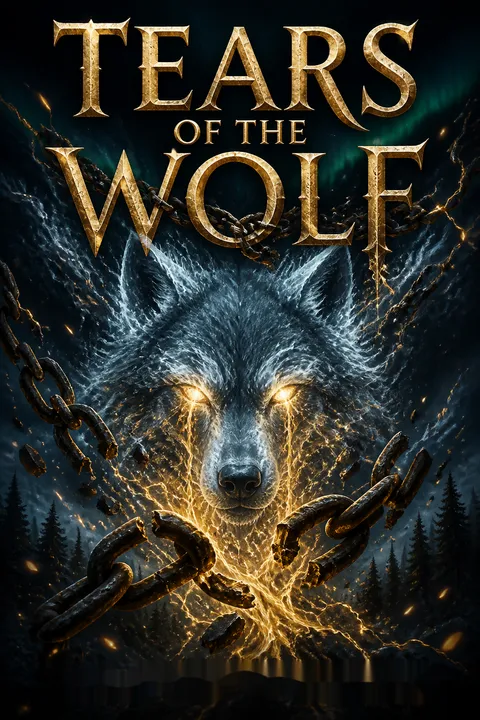
As the ship carrying her to exile approaches the sea, Brynn draws on every reserve of magic, overwhelming the collar's limits. The resulting explosion destroys the ship, scattering friend and foe alike. In the chaos, Brynn is swept into the river, her fate uncertain. The chapter is a visceral depiction of desperation, resilience, and the breaking of literal and figurative chains. Brynn's struggle is both physical and existential—a fight for survival and self-determination.
The Battle at the River
Cenric, aided by Olfirth and his thanes, intercepts the ship and joins the battle on the riverbank. Brynn, freed from her bonds, intervenes at the critical moment, absorbing and redirecting the combined magic of her enemies. In a final act of defiance, she kills her mother, ending Selene's machinations and the threat of the Istovari—for now. The aftermath is bloody and chaotic, but Brynn's sanctuary is granted to the surviving innocents. The chapter is a climax of violence, sacrifice, and the assertion of autonomy.
The End of the Line
The battlefield is littered with the dead—friends, foes, and family. Brynn is numb, exhausted, and haunted by the enormity of what she has done. The survivors tend to the wounded, burn the bodies, and reckon with the consequences of their choices. Brynn and Cenric, battered but alive, find solace in each other. The chapter is a meditation on loss, the futility of endless conflict, and the fragile hope that something better might be built from the ruins.
The Cost of Freedom
In the quiet after the storm, Brynn and Cenric confront the reality that the world will not easily let them be. The Istovari may return, and the cycle of violence may never truly end. Yet, for the first time, Brynn chooses her own happiness over duty, legacy, or the demands of others. Cenric, too, sacrifices pride and ambition for the sake of love. Their union, forged in blood and hardship, becomes a symbol of hope—a fragile, hard-won freedom.
Homecoming and Hope
Brynn and Cenric return to the longhouse, greeted by their people and the ever-faithful dyrehunds. The work of healing—bodies, hearts, and community—begins anew. Brynn's magic is now a source of healing rather than destruction, and her place as lady of Ombra is secure. The couple's love, tested and tempered, offers a foundation for the future. The chapter is suffused with the promise of renewal, the warmth of home, and the quiet joy of belonging.
Love Among Wolves
In the final chapter, Brynn and Cenric, scarred but unbroken, find peace in each other's arms. Their love is not a fairy tale, but a hard-won partnership built on trust, respect, and shared struggle. The longhouse is filled with laughter, the dyrehunds with puppies, and the promise of new life. The story closes on a note of hope—love among wolves, freedom among the ruins, and the possibility of happiness, at last.
Analysis
A modern saga of trauma, agency, and hard-won loveTears of the Wolf is a powerful reimagining of the epic fantasy romance, blending the brutality of a Norse-inspired world with the intimate struggles of two deeply wounded protagonists. At its core, the novel is a meditation on the cost of survival—how trauma shapes identity, how agency is wrested from the jaws of tradition, and how love can be both a refuge and a crucible. Brynn's journey from pawn to self-possessed woman is mirrored by Cenric's evolution from haunted warrior to vulnerable partner. The narrative refuses easy answers—violence begets violence, and the scars of the past are never fully erased. Yet, in the ashes of betrayal and loss, the possibility of hope endures. The novel's lessons are clear: freedom is never given, only seized; love is not a panacea, but a choice made daily; and healing, whether of bodies or hearts, is the work of a lifetime. In a world of wolves, to love and be loved is the bravest act of all.
Review Summary
Tears of the Wolf received overwhelmingly positive reviews, praised for its well-developed characters, engaging romance, and Viking-inspired fantasy setting. Readers appreciated the realistic portrayal of grief, the slow-burn romance, and the inclusion of telepathic dogs. Many found the book emotionally resonant and difficult to put down. Some critics noted issues with pacing and dialogue, but most reviewers eagerly anticipated the sequel. The book's blend of historical elements, magic, and romance particularly appealed to fans of the genre.
Characters
Brynn
Brynn is the daughter of a dead king and a powerful Istovari sorceress, shaped by war, loss, and the relentless expectations of her family. Her first marriage to Paega is marked by neglect and the devastating loss of her infant son to raiders. Brynn's psychological landscape is defined by grief, guilt, and a desperate hunger for autonomy. She is both healer and weapon, capable of great compassion and terrifying violence. Her journey is one of reclaiming agency—breaking free from the manipulations of her mother, the Istovari, and the crown. Through her marriage to Cenric, she learns to trust, to love, and to choose her own path, even at great cost. Brynn's development is a study in resilience, the struggle for selfhood, and the possibility of hope after trauma.
Cenric
Cenric is the alderman of Ombra, a borderland lord with Valdari blood and a legacy of violence. Orphaned by war, he is pragmatic, wary, and fiercely protective of his people. His relationship with Brynn begins as a political alliance but deepens into genuine partnership and love. Cenric is marked by survivor's guilt, a longing for connection, and the burden of leadership. His ability to communicate with dyrehunds and his gift of foretelling dreams add layers of mysticism and vulnerability. Cenric's arc is one of learning humility, sacrificing pride, and embracing vulnerability. His love for Brynn transforms him, offering redemption and a sense of home he has long been denied.
Selene
Selene, Brynn's mother, is a formidable Istovari sorceress whose ambitions for her daughter are both grand and ruthless. She is a master of emotional manipulation, wielding guilt and duty as weapons. Selene's love is conditional, her approval always just out of reach. Her psychological makeup is a blend of maternal pride, bitterness, and a relentless drive for power. Selene's inability to see Brynn as anything but a tool ultimately leads to her downfall. Her death at Brynn's hands is both a personal and symbolic severing of the old order.
Snapper
Snapper is more than a pet—he is Cenric's constant companion, a dyrehund gifted by the goddess Morgi. Through their psychic bond, Snapper provides comfort, comic relief, and a unique perspective on human emotions. He is a symbol of loyalty, innocence, and the possibility of connection across boundaries. Snapper's presence grounds both Brynn and Cenric, offering a touchstone of unconditional love amid chaos.
Esa
Esa is Brynn's young handmaiden, herself a budding sorceress. She is wracked by guilt over the death of Brynn's son, having been present during the raid. Esa's relationship with Brynn is one of mutual care and forgiveness, each seeing in the other a reflection of their own vulnerability. Esa's survival and eventual rescue are testaments to Brynn's capacity for compassion and the importance of chosen family.
Hróarr
Hróarr is Cenric's cousin, a larger-than-life Valdari mercenary whose presence brings both danger and camaraderie. He is a foil to Cenric—boisterous, unapologetic, and deeply loyal to his own. Hróarr's arrival stirs old rivalries and tests the boundaries of trust. His willingness to help Cenric, despite cultural differences, underscores the possibility of alliance across divides.
Rowan
Rowan is Cenric's former concubine, now displaced by Brynn's arrival. Her presence forces Brynn to confront her own insecurities and the realities of life in the longhouse. Rowan's arc is one of acceptance and moving on, her eventual marriage to another thane a quiet assertion of agency. She serves as a reminder that love and loyalty are complex, and that the past must be reckoned with, not erased.
Olfirth
Olfirth is a neighboring lord, initially hostile to Cenric but ultimately swayed by Brynn's diplomacy and the demands of crisis. He is pragmatic, proud, and a shrewd judge of character. Olfirth's willingness to aid Cenric in rescuing Brynn is a testament to the power of respect, humility, and shared interest. He represents the old order, but is capable of change.
Selene's Twins (Tessaine and Anselma)
The twins serve Selene with unwavering loyalty, their identities subsumed in service to the Istovari cause. They are both victims and perpetrators, caught in the web of generational ambition. Their deaths in the final battle are tragic, underscoring the cost of blind obedience and the collateral damage of power struggles.
Keeva
Keeva is a minor but pivotal character—a sorceress hired to ferry Selene and Brynn to safety. Her pragmatic self-interest and eventual plea for mercy highlight the complexities of allegiance and the possibility of redemption. Keeva's survival, granted by Brynn's mercy, is a rare note of grace amid the carnage.
Plot Devices
Dual Protagonist Structure
The novel's structure alternates between Brynn and Cenric, allowing readers to inhabit both the internal and external conflicts of the protagonists. This device creates a layered narrative, where misunderstandings, secrets, and emotional growth are revealed in tandem. The dual perspective heightens tension, fosters empathy, and underscores the theme of partnership—two wounded souls learning to trust and heal together.
Magic as Metaphor
Magic in the novel is not merely a tool, but a metaphor for agency, trauma, and the struggle for selfhood. Brynn's ability to heal and to kill mirrors her internal battles—her compassion and her rage, her desire to protect and her capacity for destruction. The magic-dampening collar, the explosive breaking of chains, and the absorption of enemy spells all serve as externalizations of psychological conflict and transformation.
Foreshadowing and Prophecy
Cenric's gift of foretelling dreams introduces a thread of prophecy and fatalism. His visions of Brynn's potential death create suspense and drive the plot, while also exploring the limits of knowledge and the burden of responsibility. The fulfillment and subversion of these prophecies underscore the novel's meditation on choice, destiny, and the possibility of change.
Political Intrigue and Family Legacy
The machinations of the Istovari, the ambitions of Selene, and the shifting alliances among thanes and aldermen create a backdrop of political intrigue. The personal is always political—Brynn's body, marriage, and offspring are battlegrounds for power. The legacy of kings, the scars of war, and the cycles of violence are woven into every decision, highlighting the inescapable weight of history.
Animal Companions as Emotional Anchors
The presence of Snapper, Guin, and the other dyrehunds offers both comic relief and emotional grounding. Their psychic bond with Cenric, their acceptance of Brynn, and their role in key moments of crisis reinforce themes of loyalty, innocence, and the possibility of unconditional love. The animals serve as bridges between worlds—human and wild, past and future.
Download PDF
Download EPUB
.epub digital book format is ideal for reading ebooks on phones, tablets, and e-readers.








































