
Plot Summary
New Year's Confessions
Ford Aston, emotionally guarded and brilliant, faces Rook, the woman he loves but cannot have, at a New Year's Eve party. In a raw, vulnerable confrontation, he confesses his longing and jealousy, admitting that Rook changed him, made him feel, and left him weak. Yet, he cannot bear to watch her with Ronin, his friend and her chosen partner. Ford's pain is palpable as he walks away, determined to never care for another woman again, setting the stage for his journey of self-exile and transformation.
Running from the Past
Overwhelmed by rejection and loneliness, Ford leaves the city, driving into the snowy Colorado mountains. His internal monologue reveals a lifetime of feeling like an outsider—diagnosed with Asperger's, hyper-intelligent, and emotionally isolated. He reflects on his childhood, his need for control, and his inability to be touched. The drive becomes a metaphor for escape, as Ford vows to never again let himself be vulnerable, even as he aches for connection.
Stranded in the Storm
Ford's old Bronco breaks down in a blizzard near Vail, stranding him at a roadside motel. There, he meets Ashleigh, a young woman with a three-month-old baby, also stranded and desperate. Their initial interaction is tense—Ford offers her shelter, and she reluctantly accepts. Both are wary, wounded, and hiding secrets. The snowstorm outside mirrors the emotional storms within, as two lost souls are forced into uneasy proximity.
Unexpected Guests
Inside the freezing motel room, Ford and Ashleigh navigate awkwardness and boundaries. Ashleigh's exhaustion and Ford's discomfort with touch create a fragile truce. As the night unfolds, Ford is drawn to Ashleigh's quiet strength and her fierce protectiveness of her child. The baby's presence unsettles Ford, but also awakens something tender in him. Their shared isolation becomes a crucible for honesty, and the first cracks in their armor appear.
Shelter and Boundaries
The next morning, Ford arranges for both their cars to be repaired, paying for Ashleigh's without her knowledge. He brings her and the baby to his family's empty mountain house, offering shelter. Ashleigh, proud and secretive, struggles to accept help. Ford, still reeling from his own heartbreak, tries to maintain emotional distance but finds himself caring despite his vows. Their interactions are laced with tension, humor, and the slow thawing of defenses.
The Girl and Her Baby
As they settle into the house, Ford is both fascinated and unnerved by Ashleigh's maternal intimacy—her breastfeeding, her exhaustion, her resilience. He is forced to confront his own issues with touch and control, while Ashleigh's sadness and mysterious past begin to surface. Their conversations grow more personal, revealing wounds and desires. The baby, Kate, becomes a symbol of hope and vulnerability, drawing Ford and Ashleigh closer.
Unraveling Ford Aston
Alone in his father's study, Ford reflects on his upbringing, his diagnosis, and the loss of his father in a tragic avalanche. He grapples with guilt, the burden of genius, and his inability to connect. His relationship with Rook haunts him, as does his fear of ruining others. Ford's internal struggle is laid bare—he wants to be loved, but is terrified of being known. The arrival of Ashleigh and Kate challenges his self-imposed isolation.
Ashleigh's Secrets
Ashleigh's emotional state deteriorates as she reveals fragments of her story: a lost love, a family estranged, a desperate journey to find closure. Her breakdown over a lost toy exposes the depth of her grief and exhaustion. Ford, initially frustrated, becomes protective, sensing the darkness she carries. Their mutual confessions—of loss, longing, and the need for control—create a fragile intimacy. Both are running from ghosts, and both are searching for meaning.
Collision of Wounds
Tensions flare as Ford and Ashleigh challenge each other's coping mechanisms. Ford's need for control clashes with Ashleigh's need for agency. Their arguments are raw, exposing insecurities and fears. Yet, in the aftermath, they find common ground in their brokenness. Ford's offer of help is met with Ashleigh's reluctant acceptance. Their connection deepens, not through romance, but through shared survival and the recognition of each other's pain.
The Offer of Control
The dynamic between Ford and Ashleigh shifts as they negotiate the terms of intimacy. Ford, used to transactional, controlled sexual encounters, is challenged by Ashleigh's insistence on respect and reciprocity. They strike a deal—fifteen minutes of control for Ford, a question answered for Ashleigh. Their first physical encounter is intense, blending pleasure and pain, dominance and vulnerability. Both are left unsettled, realizing that true connection requires more than rules.
Trust and Surrender
Ashleigh removes her engagement ring, signaling her willingness to let go of the past. She asks Ford for honesty, and he responds with rare openness about his emotional limitations. Their subsequent encounters become more tender, as Ford learns to balance control with care. Ashleigh, in turn, surrenders some of her defenses, allowing herself to be cared for. Their trust grows, not through grand gestures, but through small acts of kindness and understanding.
The Road to Healing
With their cars repaired, Ford and Ashleigh embark on a road trip west, each seeking closure. Along the way, they share stories, confront fears, and navigate setbacks. Ashleigh reveals the truth about her lost love, Tony—a Marine killed in action—and her struggle to move on. Ford, in turn, faces his guilt over his father's death and his fear of intimacy. Their journey becomes a metaphor for healing, as they learn to lean on each other and embrace the possibility of a future together.
Vegas Interlude
In Las Vegas, Ford orchestrates a night of luxury and intimacy for Ashleigh, determined to give her a respite from grief. They share a quiet walk through an aquarium, a symbol of life observed from a distance. Ford's careful attention and Ashleigh's willingness to trust create a space for joy and connection. Their physical union is passionate and healing, marking a turning point in their relationship. For the first time, both allow themselves to hope for more.
The Cemetery Goodbye
Arriving in Los Angeles, Ashleigh insists on visiting the cemetery where Tony is buried. In a torrential rainstorm, she collapses in grief at his grave, finally voicing the pain and longing she has carried alone. Ford, moved by her vulnerability, offers comfort and a promise to be her partner in healing. This act of bearing witness to her sorrow becomes the foundation for their new beginning, as Ashleigh is finally able to say goodbye.
The Family Intervention
Ashleigh's family, alarmed by her depression and perceived instability, intervenes, threatening to separate her from Kate and commit her to psychiatric care. Ford is blindsided, powerless as Ashleigh is taken away. The trauma of loss and the fear of abandonment resurface for both. Ford, devastated, realizes the depth of his love and the lengths he is willing to go to fight for Ashleigh and Kate. The stakes are raised, and the future hangs in the balance.
The Grand Gesture
Refusing to give up, Ford enlists help to confront Ashleigh's powerful family. He orchestrates a daring plan, leveraging his resources and connections to secure a private meeting with Ashleigh. In a moment of desperation and hope, he proposes marriage, offering her not just rescue, but partnership and belonging. Ashleigh, moved by his vulnerability and determination, accepts. Their union is both a rebellion and a promise—a grand gesture that redefines their future.
Claiming a Future
With Ashleigh and Kate finally safe, Ford embraces his new role as partner and father. They travel to New Zealand for Ford's work, forging a life together built on trust, honesty, and mutual care. The ghosts of the past linger, but no longer define them. Ford learns to accept love and give it freely, while Ashleigh finds strength in vulnerability. Together, they create a family, not in spite of their wounds, but because of them.
Love, Loss, and Grace
In the aftermath, Ford and Ashleigh reflect on their journey—the pain, the healing, the risks taken for love. They acknowledge the scars they carry, but also the grace that comes from surviving together. Their story is not one of perfect happiness, but of resilience, forgiveness, and the courage to begin again. In each other, they find not just solace, but the possibility of joy. The past is honored, the future is claimed, and love endures.
Analysis
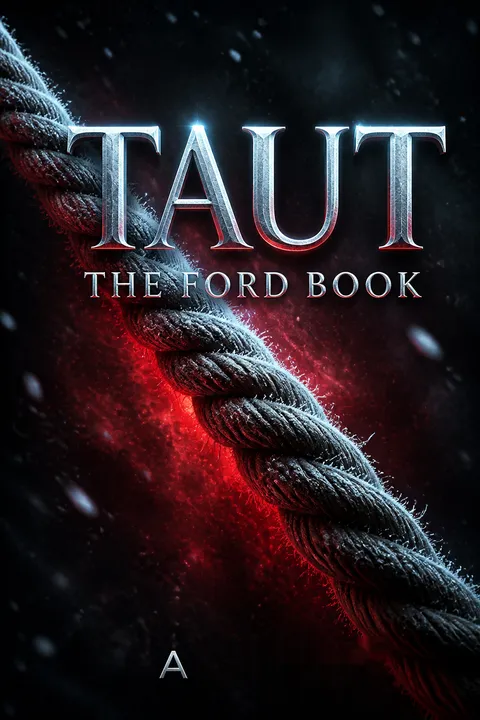
Taut: The Ford Book is a raw, emotionally charged exploration of trauma, healing, and the transformative power of love. At its core, the novel asks what it means to be truly seen and accepted, even in our most broken states. Through the intersecting journeys of Ford and Ashleigh—two wounded souls running from their pasts—the story dismantles the myth of self-sufficiency, revealing that vulnerability is not weakness, but the gateway to connection. The narrative's focus on control, consent, and negotiation challenges traditional romance tropes, offering a nuanced portrayal of intimacy that is both erotic and deeply human. The use of weather, setting, and symbolism externalizes the characters' internal struggles, while the grand gesture at the climax affirms the necessity of action in love. Ultimately, Taut is a testament to resilience, the importance of chosen family, and the grace that comes from embracing imperfection. Its lesson is clear: healing is possible, not through denial or isolation, but through the courage to risk, to trust, and to begin again.
Review Summary
Taut by J.A. Huss features Ford Aston, a complex character with Asperger's syndrome who leaves Denver heartbroken over his friend Ronin's girlfriend, Rook. Stranded in a snowstorm, Ford helps Ashleigh, a struggling single mother with a three-month-old baby. Their road trip to LA becomes a journey of healing and unexpected connection. Readers praised Ford's character development, finding him quirky, intelligent, and endearing. The chemistry between Ford and Ashleigh captivated reviewers, with many loving Ford's interactions with baby Kate. Most rated it 5 stars, calling it steamy, emotional, and their favorite in the series.
People Also Read





Characters
Ford Aston
Ford is a man defined by contradictions: a genius with Asperger's, he craves control and fears intimacy, yet yearns for connection. Haunted by childhood isolation, the loss of his father, and unrequited love for Rook, Ford builds walls to protect himself from pain. His relationships are transactional, his rules strict—no touching, no names, no vulnerability. Yet, beneath the surface, he is deeply compassionate, loyal, and capable of profound love. Ashleigh and her baby challenge his self-imposed exile, forcing him to confront his fears and embrace the messy, beautiful reality of human connection. Through his journey, Ford transforms from a man running from pain to one willing to risk everything for love.
Ashleigh Li
Ashleigh is a young woman marked by loss, resilience, and fierce maternal love. Estranged from her family, grieving the death of her fiancé Tony, and struggling with depression, she embarks on a desperate journey to find meaning and say goodbye. Her vulnerability is matched by her strength—she cares for her infant daughter with determination, even as she battles exhaustion and despair. Ashleigh's willingness to trust Ford, to accept help, and to confront her pain head-on becomes the catalyst for healing. Her journey is one of reclaiming agency, embracing imperfection, and daring to hope for a future beyond grief.
Kate (Katelynn Li)
Kate, Ashleigh's infant daughter, is both a source of joy and a reminder of loss. Her presence forces Ford and Ashleigh to confront their fears, to care for another, and to imagine a future. Kate's needs—her cries, her laughter, her dependence—become the glue that binds Ford and Ashleigh, transforming their relationship from survival to family. She represents innocence, possibility, and the enduring power of love.
Rook Corvus
Rook is the woman Ford cannot have, the friend who awakens his capacity for emotion. Her choice of Ronin over Ford is both a wound and a gift, forcing Ford to confront his limitations and seek healing elsewhere. Rook's compassion and honesty provide a model for vulnerability, while her absence creates the space for Ford to grow. She remains a touchstone for Ford's journey, embodying both loss and the hope of friendship.
Ronin Flynn
Ronin is the charismatic, lucky counterpart to Ford's brooding intensity. As Rook's partner and Ford's friend, he embodies the ease and confidence Ford envies. Ronin's ability to attract love and happiness without effort highlights Ford's struggles, but also offers a model for acceptance and forgiveness. Their friendship is tested by jealousy and competition, but ultimately endures, providing Ford with a sense of belonging and loyalty.
Spencer Shrike
Spencer is Ford's childhood friend and business partner, offering unwavering support and a grounding presence. His humor and pragmatism balance Ford's intensity, while his own struggles with love and identity mirror the central themes of the story. Spencer's loyalty is a reminder that family can be chosen, and that healing often requires the support of others.
Damian Li
Ashleigh's father, Damian, is a powerful, complex figure—both a source of pain and a misguided protector. His attempts to control Ashleigh's life, to "save" her through intervention and medication, are rooted in fear and love. His actions force Ashleigh and Ford to fight for autonomy and happiness, highlighting the tension between family loyalty and self-determination.
Tony Fenici
Tony, Ashleigh's deceased fiancé, is a constant presence in her thoughts and heart. His death in military service leaves Ashleigh adrift, searching for closure and meaning. Tony's memory shapes Ashleigh's grief, her journey, and her capacity to love again. He is both a source of pain and a reminder of what it means to be truly seen and cherished.
Veronica "Ronnie" (Secondary)
Ronnie provides support and perspective for both Ford and Ashleigh, offering humor, honesty, and a reminder that healing is a communal effort. Her own struggles with love and identity mirror the central characters', reinforcing the story's themes of resilience and hope.
Evelyn (Pam)
Evelyn, posing as Ford's assistant, plays a crucial role in the story's climax, helping Ford orchestrate the grand gesture that wins Ashleigh's freedom. Her presence underscores the importance of allies, resourcefulness, and the willingness to fight for those we love.
Plot Devices
Dual Narratives and Internal Monologue
The novel employs a close first-person narrative, alternating between Ford's and Ashleigh's points of view. This structure allows readers to inhabit the characters' minds, experiencing their fears, hopes, and transformations in real time. Ford's internal monologue is especially prominent, revealing his struggles with control, emotion, and connection. The dual narrative deepens empathy, highlights misunderstandings, and creates dramatic irony as each character misinterprets the other's actions.
Symbolism of Weather and Setting
The blizzard, the empty mountain house, the road trip, and the cemetery all serve as metaphors for the characters' internal landscapes. The storm mirrors their isolation and turmoil; the journey west represents the search for healing; the cemetery is the site of confrontation and release. These settings are not just backdrops, but active participants in the narrative, shaping mood and driving transformation.
Control, Consent, and Negotiation
The novel explores themes of dominance, submission, and the negotiation of boundaries—both sexual and emotional. Ford's need for control is both a defense mechanism and a source of pleasure, while Ashleigh's willingness to surrender is rooted in trust, not weakness. Their evolving dynamic challenges traditional notions of power, emphasizing the importance of consent, communication, and mutual care.
The Grand Gesture
The story's climax hinges on Ford's willingness to fight for Ashleigh, to risk everything in a public, irreversible way. The grand gesture—marriage as rescue—serves as both a narrative payoff and a commentary on the need for action, not just words, in the pursuit of love. It is a reversal of Ford's earlier passivity and a fulfillment of Ashleigh's longing to be chosen and claimed.
Healing through Witness and Partnership
The novel's emotional arc is driven by the characters' willingness to witness each other's pain, to bear it together, and to offer hope. Healing is not achieved through isolation or denial, but through the messy, imperfect work of partnership. The presence of Kate, the baby, reinforces the idea that love is both a risk and a responsibility, and that true intimacy requires courage, forgiveness, and grace.
Rook and Ronin Spinoff Series
About the Author
Other books by J.A. Huss









Download PDF
Download EPUB
.epub digital book format is ideal for reading ebooks on phones, tablets, and e-readers.








































