
Plot Summary
Fire and Reckoning
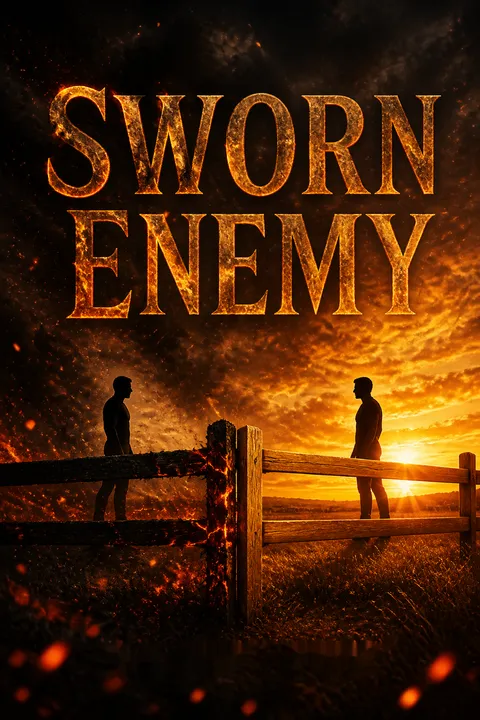
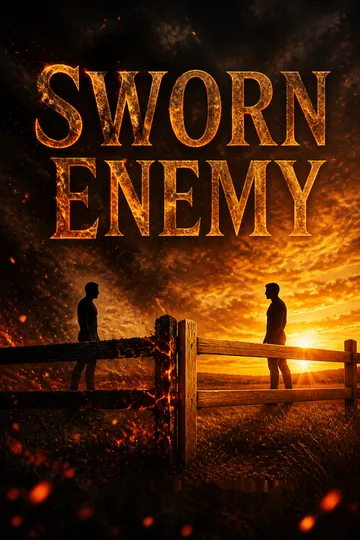
Justin, newly sober and working on his brother's ranch crew, is called to help fight a fire at the Wills ranch—property belonging to Charlie, the boy he bullied in high school. The fire devastates Charlie's home, forcing him to confront the ghosts of his past and the man who caused him so much pain. As they battle the flames side by side, both men are forced to reckon with the history that binds them, the guilt that haunts Justin, and the unresolved hurt that Charlie carries. The fire becomes a catalyst, burning away the old and making space for something new, even as the ashes settle on a landscape forever changed.
Ashes of the Past
In the aftermath of the fire, Charlie surveys the ruins of his childhood home, feeling lost and questioning his decision to return to Texas. With his best friend Erik by his side, Charlie contemplates rebuilding—not just the ranch, but his life. The scars on his arms are a constant reminder of the pain Justin caused, and the community's shifting attitudes toward queerness only complicate his feelings. As he accepts help from neighbors and old friends, Charlie is forced to confront the possibility of forgiveness, both for Justin and for himself, even as bitterness lingers like smoke in the air.
Sobriety and Second Chances
Justin's journey through sobriety is marked by daily battles with shame and regret, especially regarding his treatment of Charlie. The fire reignites old feelings—both romantic and remorseful—and he wonders if he can ever make amends. Supported by his brother Jason and a tight-knit queer community, Justin begins to see glimmers of acceptance and the possibility of redemption. Invitations to community dinners and the slow rebuilding of trust hint at second chances, but the weight of the past is never far behind, threatening to pull him under just as he starts to surface.
Rescues and Revelations
While rebuilding, Charlie continues his covert work rescuing victims of human trafficking with Erik. A dangerous mission in Austin exposes the darkness he fights against and the trauma he carries. When a rescue goes sideways, Charlie's compassion and scars become lifelines for a young survivor, mirroring his own journey from victimhood to agency. The experience deepens his understanding of pain, survival, and the need for found family. It also reveals to the reader the depth of Charlie's courage and the complexity of his healing, setting the stage for his eventual confrontation with Justin.
Awkward Tables, Honest Words
At a community dinner hosted by the Goodnights, Justin and Charlie are forced into proximity. The meal is thick with tension, old wounds, and the awkwardness of shared history. Yet, amidst laughter and food, moments of vulnerability emerge. Justin's attempts at apology are clumsy but sincere, and Charlie's guarded responses hint at a desire for closure. The dinner becomes a microcosm of their journey—painful, hopeful, and laced with the possibility of something more. Both men begin to see each other not as enemies, but as fellow survivors seeking peace.
Blank Slates, Old Scars
As Charlie clears the land and prepares to rebuild, he is haunted by the anniversary of his suicide attempt. The physical labor is both cathartic and triggering, and Erik's gentle support helps him navigate the emotional minefield. Meanwhile, Justin marks his own anniversary of sobriety and survival, their timelines eerily intertwined. A chance encounter at a queer support group meeting brings their shared pain into sharp relief, forcing both men to confront the reality of their scars—visible and invisible—and the ways they have shaped their lives.
Anniversaries and Apologies
The anniversary of Charlie's suicide attempt collides with Justin's own, leading to a charged confrontation outside a support group. Old insults are thrown, confessions of love and regret spill out, and years of pent-up emotion erupt in anger and unexpected passion. The line between hate and desire blurs as they physically and emotionally collide, culminating in a cathartic, if messy, sexual encounter. Both are left shaken, unsure if this is the beginning of healing or just another wound to nurse.
Hate, Hurt, and Heat
The aftermath of their encounter leaves both men reeling. Charlie grapples with the morality of sleeping with his former bully, while Justin is overwhelmed by the intensity of his feelings. Their friends and chosen family offer support and advice, but the path forward is anything but clear. As they continue to cross paths—at work, in town, and at community events—their dynamic shifts from antagonism to something more complicated: a mix of attraction, resentment, and the slow, painful work of forgiveness.
Community and Contrition
Justin throws himself into community service, repairing fences and helping neighbors as a form of atonement. Charlie, too, finds solace in helping others, especially through his equine therapy project. Their efforts do not go unnoticed, and the community begins to embrace them both, recognizing the changes they've made. Small acts of kindness and mutual support lay the groundwork for trust, and the men begin to see themselves—and each other—as worthy of love and belonging, even as doubts linger.
Small Town, Big Changes
As the town rebuilds and grows more inclusive, Justin and Charlie's lives become increasingly intertwined. Accidental encounters at the grocery store, pharmacy, and local hangouts lead to moments of humor, vulnerability, and tentative flirting. The mundane becomes meaningful as they navigate the awkwardness of new attraction layered over old pain. Each interaction chips away at their defenses, revealing the possibility of a relationship built not on shared trauma, but on genuine connection and mutual respect.
Sunday Dinners and Softening
Regular Sunday dinners at the Goodnights' become a safe space for healing and growth. Surrounded by friends and allies, Justin and Charlie learn to let their guards down, sharing stories, laughter, and eventually, affection. The rituals of food and fellowship provide a backdrop for their evolving relationship, transforming old patterns of isolation into new habits of intimacy. As they open up to each other and their community, the lines between enemy, friend, and lover begin to blur for good.
Accidental Encounters, Intentional Healing
The frequency of their encounters increases, each one an opportunity for honesty and healing. Whether it's running into each other at the store or working side by side on community projects, Justin and Charlie begin to seek each other out, no longer content to let fate dictate their interactions. Their conversations grow deeper, their touches more intentional, and their trust more solid. The past is not forgotten, but it is no longer the only story they share.
Building Fences, Breaking Walls
As they collaborate on rebuilding fences and structures, the metaphor is not lost on either man. Each nail driven and board placed is a step toward mending what was broken—between them and within themselves. The work is hard, sometimes frustrating, but ultimately rewarding. Through sweat, laughter, and the occasional argument, they learn the value of persistence, patience, and partnership. The fences they build keep out the past, but the walls between them continue to fall.
Raising Barns, Raising Hope
The barn-raising for Charlie's new equine therapy center becomes a symbol of collective healing and hope. Friends, family, and neighbors gather to help, their support a testament to the power of forgiveness and second chances. Justin's presence is both a challenge and a comfort, as old wounds are acknowledged and new bonds are forged. The event marks a turning point, not just for the ranch, but for Justin and Charlie's relationship, as they begin to envision a future built on shared purpose and love.
New Beginnings, Old Wounds
As the therapy center takes shape, both men are confronted by lingering insecurities and the ghosts of their families. Justin's father's cruelty resurfaces, threatening his hard-won stability, while Charlie's mother struggles to accept her son's relationship with his former tormentor. Through honest conversations and mutual support, Justin and Charlie learn to navigate these challenges together, discovering that healing is not linear, but possible when faced side by side.
Vulnerability and Validation
Nights spent together become opportunities for vulnerability and validation. Justin and Charlie share their fears, dreams, and desires, finding comfort in each other's arms. Their physical intimacy is matched by emotional openness, as they learn to trust not just each other, but themselves. Therapy, support groups, and the unwavering presence of friends help them process the trauma of the past and embrace the joy of the present. Each night is a small victory, a testament to the power of love to heal even the deepest wounds.
Family, Forgiveness, and Fear
Family dynamics come to a head as Justin faces his father's venom and Charlie navigates his mother's skepticism. Both men are forced to articulate what they want and deserve, drawing boundaries and seeking forgiveness where possible. The support of chosen family—friends, mentors, and each other—proves crucial, offering models of acceptance and resilience. Through difficult conversations and acts of courage, Justin and Charlie begin to redefine what family means, choosing love over fear.
Love in the Aftermath
A violent encounter with a figure from Charlie's rescue work threatens everything they've built. Justin is forced to defend Charlie, and the trauma of the event shakes them both. In the aftermath, they must decide whether love is worth the risk, and whether they can protect each other without losing themselves. With the help of friends and a network of support, they find a way forward, choosing each other despite the dangers and uncertainties that remain.
Found Family, Chosen Home
As the therapy center opens and the ranch flourishes, Justin and Charlie settle into a new rhythm. They welcome others into their home—survivors, friends, and those in need—creating a chosen family that reflects their values and experiences. The community's acceptance and celebration of their relationship mark a final turning point, as old enemies become allies and love becomes the foundation of their shared life. Together, they prove that healing is possible, and that even the deepest wounds can give way to joy.
Danger Returns, Decisions Made
When a figure from Charlie's past returns, bringing violence to their doorstep, Justin is forced to act to save the man he loves. The ordeal tests their bond and forces them to confront the realities of Charlie's dangerous work. In the aftermath, they must decide whether to continue together or part ways for safety's sake. With the support of their extended family, they choose each other, reaffirming their commitment and finding strength in vulnerability.
Breaking, Healing, Belonging
The trauma of violence and loss brings Justin and Charlie closer, as they lean on each other and their community for support. Therapy, honesty, and the unwavering presence of friends help them process what happened and move forward. Their relationship, once forged in pain, is now tempered by trust and mutual care. Together, they learn that belonging is not about erasing the past, but about building a future where love and acceptance are possible.
Full Circle, Open Hearts
The grand opening of the therapy center becomes a celebration of healing, love, and community. Surrounded by friends, family, and those they've helped, Justin and Charlie publicly affirm their commitment to each other. The event is a testament to the power of forgiveness, the importance of chosen family, and the possibility of joy after suffering. As they look to the future, they do so with open hearts, ready to face whatever comes next—together.
Celebration and Commitment
In the epilogue, Justin and Charlie are married, surrounded by the friends and family who supported their journey. Their love, once forged in the fires of pain and regret, is now a source of strength and hope. Together, they continue their work—rescuing others, building community, and nurturing the home they've created. Their story is a testament to the resilience of the human spirit, the power of forgiveness, and the enduring possibility of love.
Analysis
Sworn Enemy is a powerful exploration of trauma, redemption, and the transformative power of love and community. At its core, the novel asks whether those who have caused harm—and those who have been harmed—can ever truly heal, and what it takes to move from enemy to ally, from guilt to grace. Through the intertwined journeys of Justin and Charlie, the story demonstrates that healing is neither linear nor solitary; it requires vulnerability, accountability, and the support of a chosen family. The narrative refuses to shy away from the darkness—addiction, suicide, violence—but wraps it in humor, compassion, and hope. By foregrounding queer resilience and the importance of found family, Sworn Enemy offers a vision of recovery that is both realistic and deeply optimistic. The lessons are clear: forgiveness is possible, but it must be earned; love is risky, but it is worth the risk; and even the deepest wounds can give way to joy when met with honesty, courage, and community. In a world that often feels divided and unforgiving, Sworn Enemy is a testament to the possibility of reconciliation, the necessity of kindness, and the enduring power of second chances.
People Also Read



Characters
Justin Jennings
Justin is a complex, deeply wounded man whose journey from self-loathing bully to loving partner forms the heart of the story. Scarred by a homophobic upbringing and years of addiction, Justin's guilt over his treatment of Charlie—and his own suicide attempt—drives his quest for atonement. His relationship with his brother Jason is a lifeline, offering unconditional support and a model for coming out and healing. Justin's development is marked by vulnerability, honesty, and a willingness to do the hard work of recovery. His love for Charlie is both a source of pain and a path to redemption, as he learns to forgive himself and accept love in return.
Charlie Wills
Charlie is a survivor of bullying and suicide, whose scars—both physical and emotional—shape his worldview. His work rescuing victims of human trafficking is both a form of service and a way to reclaim agency over his own trauma. Charlie's spirituality and commitment to healing are tempered by a sharp wit and a reluctance to forgive those who hurt him. His relationship with Justin is fraught with history, but ultimately becomes a space for mutual healing and growth. Charlie's journey is one of reclaiming power, choosing vulnerability, and learning to trust again.
Erik Bash
Erik is Charlie's best friend and partner in rescue work. His quiet strength, loyalty, and dry humor provide grounding for Charlie, especially during moments of crisis. Erik's own history of trauma and recovery informs his empathy and commitment to service. As a member of a sprawling found family, Erik models healthy masculinity and the importance of chosen kin. His relationship with Nacho adds depth and levity to the narrative, highlighting the healing power of friendship and love.
Jason Jennings
Jason is Justin's older brother, whose unwavering support is crucial to Justin's recovery. Openly gay and in a relationship with the town sheriff, Jason models courage, integrity, and the possibility of acceptance in a conservative community. His partnership with Patrick and his role in the family business provide stability and hope for both brothers. Jason's journey is one of balancing loyalty to family with the pursuit of his own happiness.
Nacho Rivera
Nacho is Justin's best friend and co-worker, whose own history of addiction and incarceration mirrors Justin's struggles. His humor, honesty, and willingness to call Justin out make him an essential part of the support network. Nacho's relationship with Erik and his integration into the queer community demonstrate the power of second chances and the importance of belonging.
Patrick (the Sheriff)
Patrick is the town sheriff and Jason's partner, embodying both authority and compassion. His relationship with Jason is a model of healthy, supportive love, and his acceptance of Justin and Charlie signals the community's capacity for change. Patrick's presence provides safety and stability, especially during moments of crisis, and his willingness to bend the rules for the greater good highlights the complexity of justice in a small town.
Sam Goodnight
Sam is Trip's husband and a central figure in the queer community. His history of trauma and resilience, combined with his flamboyant style and sharp wit, make him both a source of comfort and a catalyst for change. Sam's friendship with Justin is a testament to the power of forgiveness and the importance of chosen family. His partnership with Trip models the possibility of joy after suffering.
Desi
Desi is Sam's best friend and Wyatt's partner, known for his style, humor, and ability to bring people together. He plays a key role in organizing community events and supporting both Justin and Charlie through their journeys. Desi's presence is a reminder that healing happens in community, and that joy and celebration are essential parts of recovery.
Ant (Antonio)
Ant is a survivor of trafficking, rescued by Charlie and Erik. His journey from victim to valued member of the community mirrors the central themes of the novel: healing, found family, and the search for self-worth. Ant's relationship with Justin and the Bashes highlights the importance of mentorship, acceptance, and the transformative power of kindness.
Anders Bash
Anders is Erik's cousin and a key member of the extended support network. His willingness to do whatever it takes to protect his loved ones—including violence when necessary—adds a layer of moral complexity to the story. Anders' humor, resourcefulness, and fierce loyalty make him both a source of comic relief and a reminder that family is chosen as much as it is given.
Plot Devices
Dual Narration and Alternating Perspectives
The novel alternates between Justin and Charlie's points of view, allowing readers to experience both sides of their shared history and individual struggles. This structure deepens empathy, reveals misunderstandings, and highlights the parallel paths of recovery and redemption. The dual narration also underscores the theme that healing is a collaborative process, requiring honesty, vulnerability, and the willingness to see oneself—and one's enemy—complexly.
Trauma as Catalyst and Mirror
Both protagonists are survivors of trauma—bullying, addiction, suicide attempts—and their journeys are shaped by the ways they process and respond to pain. The narrative uses trauma not as a source of melodrama, but as a catalyst for growth, empathy, and connection. The mirroring of their experiences (e.g., shared anniversaries, parallel recovery journeys) reinforces the idea that healing is possible, even for those who have hurt and been hurt.
Found Family and Community Support
The novel foregrounds the importance of found family—friends, mentors, and allies who provide the love, acceptance, and support that biological families sometimes cannot. Community events, shared meals, and collaborative projects serve as narrative anchors, providing spaces for reconciliation, celebration, and growth. The support network is not just a backdrop, but an active force in the protagonists' healing.
Redemption and Forgiveness Arcs
The central plot device is the transformation of sworn enemies into lovers, achieved through acts of service, honest conversation, and mutual vulnerability. Forgiveness is not granted lightly; it is earned through consistent effort, accountability, and the willingness to change. The narrative resists easy resolutions, instead depicting forgiveness as an ongoing process that requires both parties to confront their pain and choose love over resentment.
Symbolism of Rebuilding and Renewal
The rebuilding of the ranch, the construction of fences and barns, and the creation of the therapy center all serve as metaphors for the protagonists' emotional journeys. Each act of construction is mirrored by an act of healing, and the transformation of the land parallels the transformation of the characters. The fire that begins the novel is both an ending and a beginning, clearing the way for new growth.
Foreshadowing and Callbacks
The narrative uses foreshadowing—shared anniversaries, recurring motifs of fire and water, repeated phrases—to create a sense of inevitability and continuity. Callbacks to earlier events (e.g., the fire, the support group confrontation, the barn-raising) reinforce the cyclical nature of healing and the importance of facing the past to claim the future.
Wild Heart Ranch Series
Download PDF
Download EPUB
.epub digital book format is ideal for reading ebooks on phones, tablets, and e-readers.








































