


Key Takeaways
SIBO may afflict more Americans than diabetes — and doctors miss it
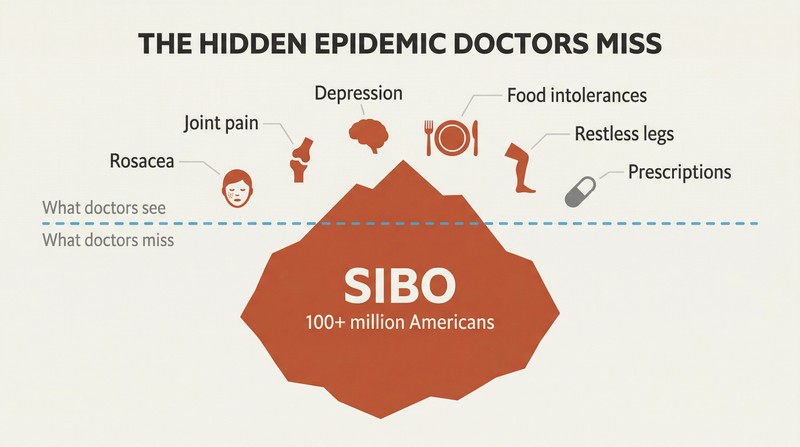
A hidden epidemic dwarfing diabetes. SIBO — small intestinal bacterial overgrowth — occurs when unhealthy fecal bacteria from the colon ascend into the 24 feet of small intestine where they don't belong, creating a 30-foot infection. Davis estimates over 100 million Americans have it: 35 – 84% of IBS patients, up to 100% of fibromyalgia sufferers, 23 – 88.9% of obese people, and 40 – 60% of those with fatty liver.
Doctors rarely screen for it. SIBO manifests as rosacea, joint pain, food intolerances, depression, restless legs, and dozens of other conditions. Physicians treat each symptom with prescriptions while the bacterial invasion underneath goes unrecognized. Ask your doctor about SIBO and the typical response is blank stares or dismissal.
Antibiotics, formula, and processed food built your 'Frankenbelly'
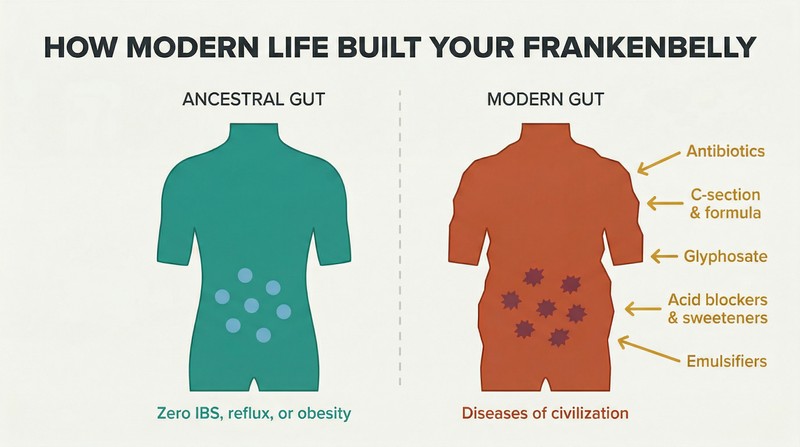
Davis coined "Frankenbelly" to describe the monstrous microbiome modern life has created — something almost no longer human. The key disruptors:
1. Antibiotics — 260 million prescriptions per year in the US, up to 50% unnecessary
2. C-section delivery (32% of births) and formula feeding that skip the mother's microbial transfer
3. Glyphosate herbicide, which kills beneficial Lactobacillus but spares harmful E. coli
4. Stomach acid-blocking drugs, NSAIDs, and artificial sweeteners
5. Emulsifiers in processed food
Hunter-gatherers escape entirely. Indigenous peoples unexposed to these factors show virtually zero IBS, acid reflux, colon cancer, or obesity — conditions anthropologists call "diseases of civilization." Their microbiomes, though separated by continents, look strikingly similar to each other and dramatically different from ours.
Bacterial toxins flooding your blood may drive your depression
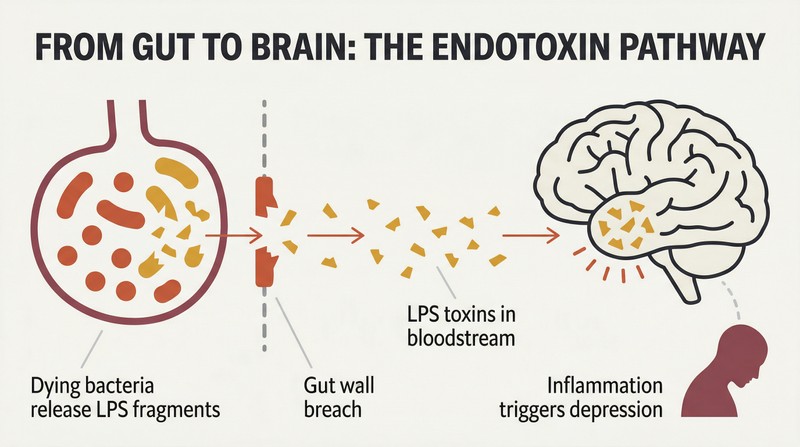
Endotoxemia is the missing link. When trillions of gut bacteria die, cell wall fragments — especially lipopolysaccharide (LPS) — leak into the bloodstream, a process called metabolic endotoxemia. In controlled experiments, healthy volunteers injected with LPS developed all hallmarks of depression within hours: dark moods, anxiety, loss of motivation. Brain imaging confirmed depression's neural signature in these previously healthy people.
This explains why roughly a third of depressed patients show elevated inflammation markers and resist antidepressants. People with SIBO carry tenfold higher LPS levels in portal blood than people without it. Rather than adding anti-inflammatory drugs to failing antidepressants, Davis argues, we should address the bacterial overgrowth flooding the bloodstream with inflammatory debris.
Restore L. reuteri to potentially reverse a decade of aging
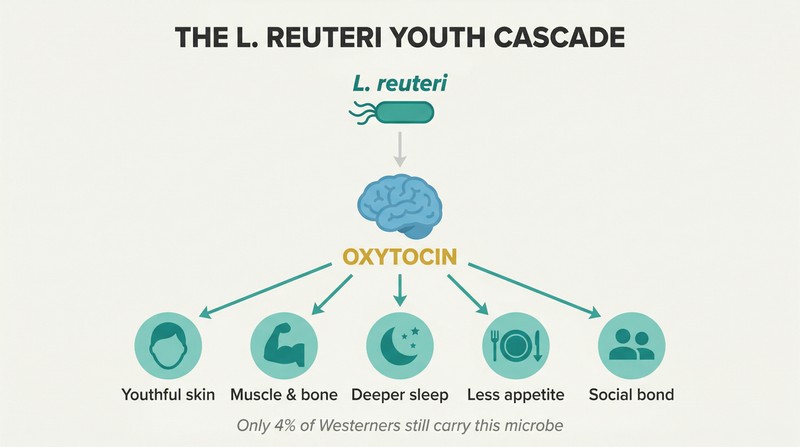
The "love bug" nearly everyone has lost. Lactobacillus reuteri once inhabited most people's GI tracts, passed from mother to infant. Today only 4% of Westerners carry it. MIT cancer researchers found elderly mice given L. reuteri maintained thick fur, youthful muscle, bone density, mating behavior, and slenderness — while control mice grew old and fat. The mechanism: L. reuteri triggers oxytocin release from the brain, the hormone of empathy and connectedness.
Human results mirror the mice. People consuming Davis's high-count L. reuteri yogurt report smoother skin, fewer wrinkles, deeper sleep with vivid dreams, reduced appetite, and renewed desire for social connection. L. reuteri also colonizes the upper GI tract and produces bacteriocins — natural antibiotics — that help prevent SIBO recurrences.
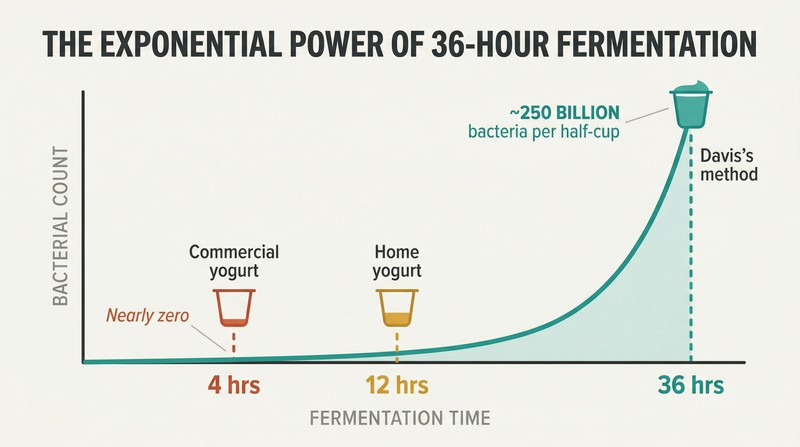
Ferment yogurt 36 hours to unlock a thousandfold more bacteria
Bacterial doubling works like compound interest. A penny doubling daily reaches $5.3 million after 30 days — but only $0.16 by day 4. Bacteria follow the same math: explosive growth happens only after ~30 hours of fermentation. Commercial yogurt (4 hours) and home yogurt (12 hours) capture almost nothing. Davis's method — 36 hours at species-specific temperatures plus added prebiotic fiber — yields 200 – 260 billion bacteria per half-cup, verified by flow cytometry.
This is why store-bought yogurt needs xanthan gum to thicken — few bacteria produce minimal metabolites. Davis's yogurts set thick naturally from sheer bacterial density. The technique applies to every species in his program, from L. reuteri to B. coagulans to the SIBO-fighting trio yogurt.
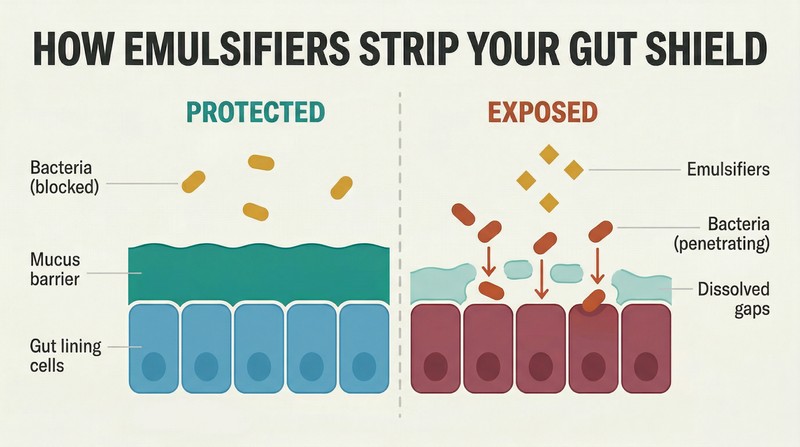
Emulsifiers in ice cream dissolve gut lining like dish soap
Not fat or calories — additives are the villain. Polysorbate 80 and carboxymethylcellulose, FDA-approved emulsifiers in ice cream, salad dressings, and peanut butter, transiently dissolve the intestinal mucus barrier, exposing gut cells to bacteria. Research by Dr. Benoit Chassaing at Georgia State University showed these agents increase Enterobacteriaceae populations, boost appetite, promote weight gain, and worsen insulin resistance and type 2 diabetes.
The implications extend further: growing evidence suspects emulsifiers underlie the explosion of inflammatory bowel diseases in countries recently adopting Western diets. The fix is straightforward — choose single-ingredient foods like eggs and avocados, make your own ice cream, or read labels ruthlessly. Avoid polysorbate 80, carboxymethylcellulose, and carrageenan entirely.
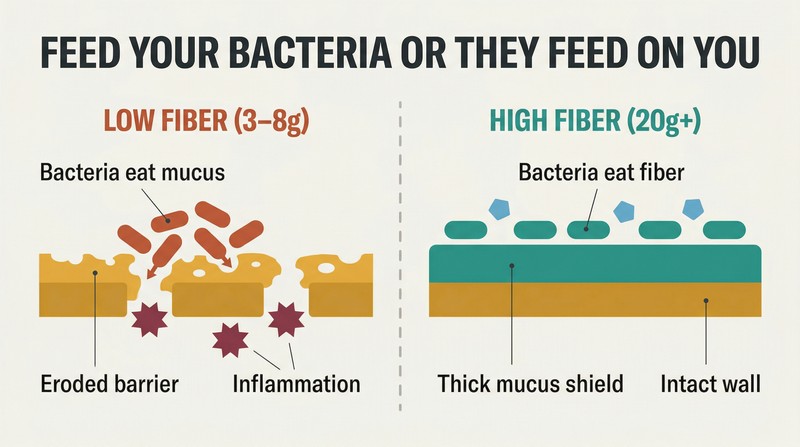
Eat 20g+ prebiotic fiber daily or bacteria devour your mucus
Starved bacteria turn cannibal. Akkermansia muciniphila normally provides metabolic benefits at ~5% of gut flora. But when deprived of prebiotic fiber — common on strict keto diets and processed-food diets — Akkermansia overproliferates to 10 – 18% and consumes your protective mucus lining, triggering inflammation, permeability, and endotoxemia. The average American gets just 3 – 8 grams of prebiotic fiber daily; benefits peak at 20+ grams.
Top sources include surprising foods: green unripe bananas (10.9g fiber, zero carbs), raw white potatoes (10 – 12g, zero sugar when uncooked), legumes, garlic, onions, and dandelion greens. Vary your sources — relying exclusively on one type can itself create dysbiosis. Hunter-gatherers consume over 100 grams daily from roots and tubers.
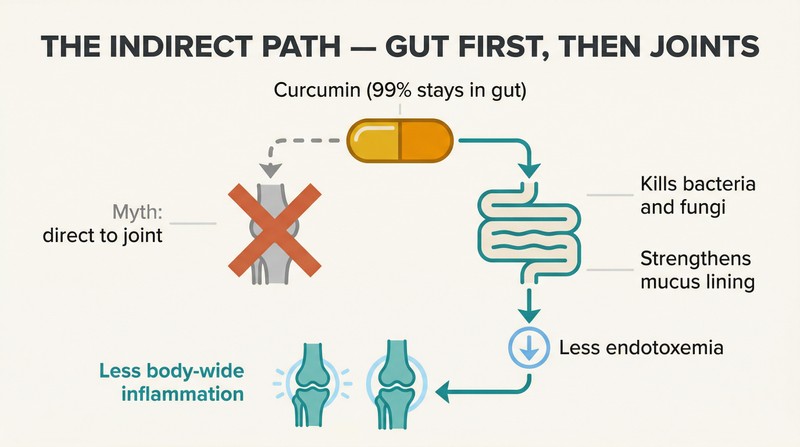
Curcumin heals your knees by fighting gut infections, not joints
The unabsorbed miracle. About 99% of ingested curcumin passes through the GI tract without being absorbed — which is precisely why it works. Remaining inside the gut, curcumin acts as an antibacterial and antifungal agent, doubles intestinal alkaline phosphatase that neutralizes bacterial toxins, strengthens the mucus lining, and reduces endotoxemia. Less endotoxemia means less body-wide inflammation — explaining why knee arthritis improves even though curcumin never reaches the joint.
Davis advises choosing non-absorbed formulations without piperine or bioperine for his 4-week program. A telling insight: if curcumin helps your symptoms, it likely means you have SIBO or bacterial or fungal overgrowth in the GI tract that deserves direct attention beyond curcumin alone.
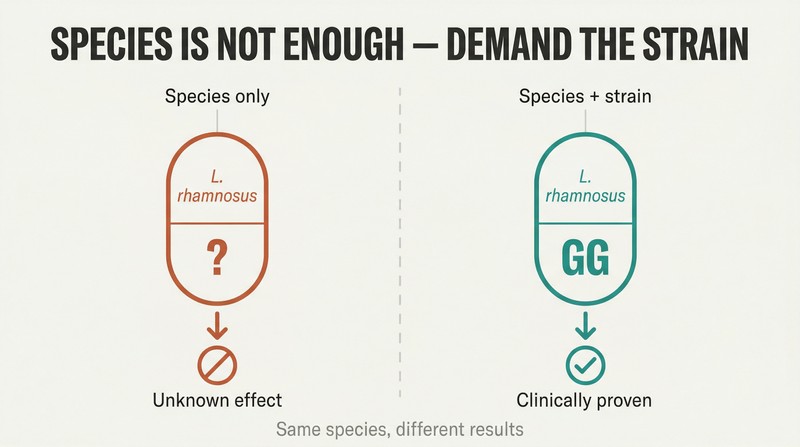
Demand strain names on probiotics or you're wasting money
Same species, opposite outcomes. E. coli lives harmlessly in your gut; a different E. coli strain from contaminated lettuce can cause fatal kidney failure. Lactobacillus rhamnosus GG speeds recovery from antibiotic diarrhea — other L. rhamnosus strains do nothing. Yet most commercial probiotics list only species, not strains, choosing cheaper options rather than clinically proven ones.
Davis specifies exact strains for each fermentation project: L. reuteri DSM 17938 and ATCC PTA 6475 for oxytocin and skin benefits, L. gasseri BNR17 for waist reduction and bacteriocin production, B. coagulans GBI-30,6086 for inflammation and muscle recovery. The concept of keystone species — foundational microbes that support the proliferation of hundreds of others — further narrows which strains matter most.
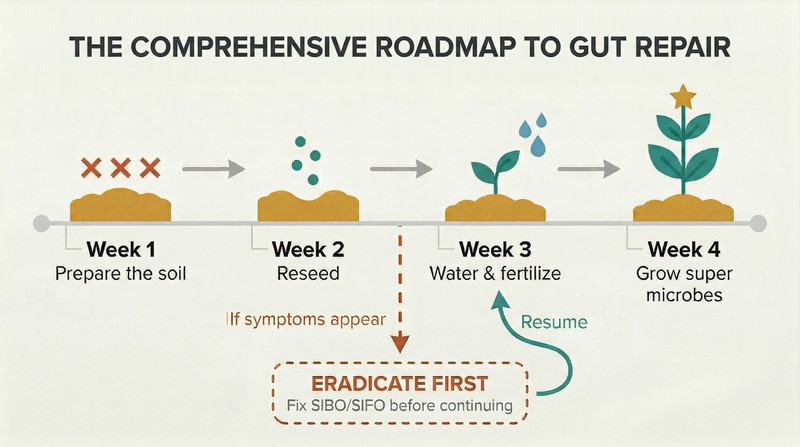
Weed your gut before seeding it — the four-week order matters
Davis structures gut restoration as a garden. The Super Gut program proceeds in strict sequence across four weeks:
1. Prepare the soil: eliminate sugar, grains, emulsifiers, artificial sweeteners; supplement vitamin D, omega-3s, iodine, magnesium, and curcumin
2. Reseed: introduce strain-specific probiotics and daily fermented foods
3. Water and fertilize: build to 20g+ varied prebiotic fibers
4. Grow super microbes: ferment species-specific yogurts for targeted benefits — L. reuteri for skin and empathy, B. coagulans for inflammation, L. helveticus plus B. longum for mood
If SIBO or SIFO symptoms appear at any stage — bloating, food intolerance, skin rashes — divert to eradication protocols using herbal antibiotics before continuing. Skipping ahead undermines results.
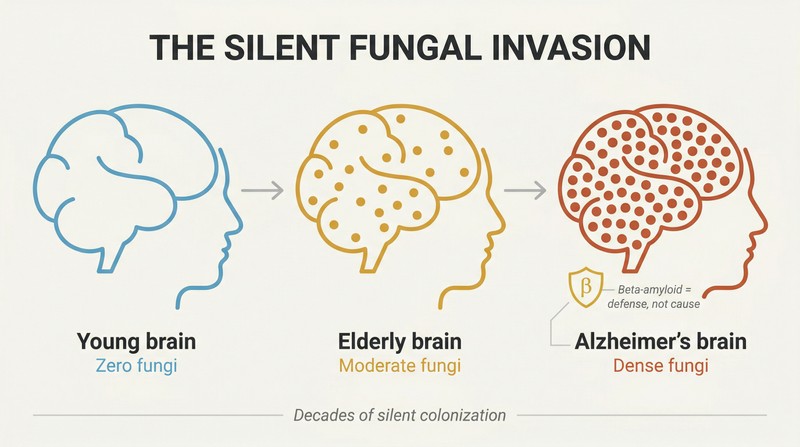
Fungi may infiltrate the brain decades before Alzheimer's appears
A disturbing gradient of fungal invasion. Dr. Ruth Alonso's team at the Autonomous University of Madrid found zero fungi in brains of young accident victims, moderate fungi in elderly non-demented individuals, and dense fungal colonization throughout every brain region of Alzheimer's patients. When researchers injected fungi into mouse bloodstreams, the animals developed all hallmarks of brain dementia.
The beta-amyloid plaques long blamed for Alzheimer's turn out to possess potent antifungal properties — suggesting they are the brain's defense, not the disease's cause. Drugs that block plaque formation actually accelerate cognitive decline. If intestinal fungal overgrowth seeds the brain years before symptoms manifest, early gut intervention — including Davis's antifungal protocols with curcumin and food-sourced essential oils — may prove critical for prevention.
Analysis
Super Gut occupies a provocative position at the intersection of microbiome science and patient empowerment. Davis's central claim — that SIBO affects over 100 million Americans while remaining invisible to mainstream medicine — is bold but increasingly supported by gastroenterology literature, particularly Mark Pimentel's work at Cedars-Sinai. Where Davis diverges from consensus is in scale of attribution: he connects gut dysbiosis to virtually every chronic disease through the unifying mechanism of metabolic endotoxemia. The framework is elegant and largely evidence-based, though causal arrows sometimes run bidirectionally where Davis draws them unidirectionally.
The book's strongest contribution is protocol specificity. Unlike vague 'gut health' advice, Davis specifies exact bacterial strains, fermentation temperatures and durations, and dosing schedules — essentially open-sourcing pharmaceutical-grade microbiome therapy. His 36-hour fermentation method, verified by flow cytometry at 200 – 260 billion CFUs per serving, represents genuine consumer health innovation. The L. reuteri work, building on Erdman and Poutahidis's MIT research, compellingly bridges animal models and human application.
Methodologically, Davis excels when citing randomized controlled trials — the Johns Hopkins herbal antibiotic study, curcumin absorption literature — and grows speculative when extrapolating from animal studies. The Alzheimer's-fungi connection, while intriguing, remains observational; causation is unestablished. His blanket grain-elimination recommendation carries the signature of his Wheat Belly brand more than scientific consensus.
The book's most underappreciated insight may be the curcumin paradox: that a compound's lack of absorption is precisely what makes it therapeutically valuable inside the GI tract. This reframes how we should think about poorly absorbed supplements and challenges the pharmaceutical assumption that systemic bioavailability equals efficacy. Super Gut is ultimately a manual for biological self-governance — arguing that patients armed with a $200 breath-testing device and a yogurt maker can outperform most gastroenterologists in addressing chronic disease root causes.
Review Summary
Super Gut receives mixed reviews, with an average rating of 3.80 out of 5. Some readers praise the book's insights on gut health and microbiome, finding the information helpful and actionable. However, others criticize the author's approach as overly restrictive, expensive, and lacking scientific rigor. Critics argue that Davis makes sweeping claims without sufficient evidence and promotes specific products. While some readers report positive results from following the book's recommendations, others find the advice impractical or potentially harmful. The book's tone and repetitive nature are also points of contention among reviewers.
People Also Read




Glossary
Frankenbelly
Modernized, unnatural human microbiomeDavis's coined term for the monstrous microbiome created by modern life—antibiotics, processed foods, herbicides, C-sections, and other factors that have eradicated beneficial bacterial species and allowed unhealthy fecal organisms to proliferate and ascend throughout the 30-foot GI tract. The Frankenbelly is presented as the root cause of hundreds of modern chronic health conditions.
SIBO
Bacteria invading the small intestineSmall Intestinal Bacterial Overgrowth—a condition in which unhealthy fecal bacteria (primarily Enterobacteriaceae like E. coli, Klebsiella, and Salmonella) proliferate in the colon and then ascend into the 24 feet of small intestine where they don't belong. SIBO causes endotoxemia and is associated with IBS, fibromyalgia, obesity, rosacea, fatty liver, autoimmune conditions, and many other diseases. Davis argues it affects over 100 million Americans.
SIFO
Fungal overgrowth in small intestineSmall Intestinal Fungal Overgrowth—the fungal counterpart to SIBO, in which species like Candida albicans overproliferate and ascend the GI tract. Present in approximately 36% of people with SIBO. Associated with skin rashes, sugar cravings, mood swings, autoimmune diseases, and potentially Alzheimer's dementia. Triggered by antibiotics, sugar consumption, high blood sugar, and disrupted bacterial populations.
Metabolic endotoxemia
Bacterial toxins leaking into bloodA phenomenon first described by French researcher Dr. Patrice Cani in 2007, in which toxic breakdown products from dying bacteria—primarily lipopolysaccharide (LPS) from Enterobacteriaceae cell walls—cross a compromised intestinal barrier and enter the bloodstream. Metabolic endotoxemia drives body-wide inflammation and is implicated in depression, heart disease, type 2 diabetes, neurodegenerative diseases, and many other conditions. People with SIBO have tenfold higher LPS levels.
Fecalization
Fecal bacteria appearing in small intestineA radiological finding in which fecal material, normally confined to the colon, appears in the small intestine on CT scans. Davis's radiologist colleagues report dramatically increasing rates of fecalization in young patients with chronic abdominal complaints. The term represents the broader phenomenon of unhealthy colon-dwelling Enterobacteriaceae species colonizing the upper GI tract.
Bacteriocins
Natural antibiotics produced by bacteriaPeptide antibiotics naturally produced by certain bacterial species that suppress or kill competing microbes. Key to Davis's probiotic strategy—species like L. reuteri and L. gasseri produce multiple bacteriocins effective against the Enterobacteriaceae species that drive SIBO. Bacteriocin production is a primary criterion for selecting species in the Super Gut SIBO Yogurt.
Keystone species
Foundational microbes supporting many othersDavis's adaptation of an ecological concept: certain bacterial species that, by their mere presence, support the proliferation and survival of dozens or hundreds of other beneficial species—much as plankton supports ocean life. Examples include Bifidobacterium infantis in infants (enables breast milk digestion that nourishes other species) and L. reuteri in adults. Davis argues future probiotics should focus on restoring these keystone species rather than using haphazard collections.
Super Gut SIBO Yogurt
Curated probiotic yogurt against SIBODavis's custom yogurt combining three specific bacterial species and strains—L. reuteri (DSM 17938 + ATCC PTA 6475), L. gasseri BNR17, and Bacillus coagulans GBI-30,6086—chosen for their ability to colonize the upper GI tract and produce bacteriocins against SIBO species. Fermented together at 106°F for 36 hours. Preliminary evidence shows it normalizes breath hydrogen levels, potentially offering a non-antibiotic approach to SIBO eradication.
Die-off (Jarisch-Herxheimer reaction)
Symptoms from killing gut microbesA transient syndrome of anxiety, depression, achiness, low-grade fever, and emotional disturbance that occurs when antimicrobial agents kill large numbers of bacteria or fungi, releasing their toxic components (especially LPS) into the bloodstream. First described in syphilis treatment over a century ago. In the Super Gut program, die-off is expected during SIBO/SIFO eradication and signals that unhealthy microbes are indeed being eliminated. Can be managed by reducing treatment doses or taking activated charcoal.
Telltale signs
Clues indicating SIBO presenceDavis's framework of observable symptoms and conditions that signal SIBO is present, used to decide whether formal breath testing is needed. Key telltale signs include food intolerances (especially to prebiotic fibers within 90 minutes of eating), fat droplets in the toilet after bowel movements, persistent skin rashes, specific conditions like IBS or fibromyalgia, and use of stomach acid-blocking drugs or NSAIDs.
FODMAPs
Fermentable sugars microbes metabolizeFermentable Oligo-, Di-, Monosaccharides And Polyols—a category of sugars and fibers that gut microbes ferment, causing gas, bloating, and discomfort in people with IBS. Davis argues that FODMAPs intolerance is not a food problem but a SIBO problem—avoiding FODMAPs is 'shooting the messenger' because it reduces symptoms without addressing the bacterial overgrowth causing the reaction. Long-term FODMAP avoidance can worsen microbiome health by starving beneficial species.
FAQ
What's Super Gut about?
- Focus on Microbiome Health: Super Gut by William Davis, MD, emphasizes the critical role of the human microbiome in maintaining overall health and well-being. It explores how modern lifestyles have disrupted gut flora, leading to various health issues.
- Four-Week Plan: The book offers a structured four-week program aimed at reprogramming the microbiome, restoring health, and promoting weight loss through dietary changes, supplementation, and lifestyle adjustments.
- Addressing SIBO and SIFO: It specifically tackles conditions like Small Intestinal Bacterial Overgrowth (SIBO) and Small Intestinal Fungal Overgrowth (SIFO), which are often overlooked contributors to chronic health problems.
Why should I read Super Gut?
- Comprehensive Understanding: Reading Super Gut provides insights into how gut health affects physical and mental well-being, connecting diet, microbiome, and overall wellness.
- Practical Solutions: The book offers actionable solutions to improve gut health, including recipes and a detailed program, making it a valuable resource for natural health enhancement.
- Empowerment: It empowers readers to take control of their health by understanding the microbiome's role and making informed dietary choices.
What are the key takeaways of Super Gut?
- Microbiome Disruption: Modern diets and lifestyles have significantly disrupted the microbiome, leading to conditions like obesity and autoimmune diseases. Understanding this disruption is crucial for recovery.
- Importance of Prebiotic Fibers: The book emphasizes the need for prebiotic fibers to nourish beneficial gut bacteria, which can help restore a healthy microbiome.
- Holistic Approach: Super Gut advocates for a holistic approach to health, combining dietary changes, supplementation, and lifestyle modifications for optimal gut health.
What are the best quotes from Super Gut and what do they mean?
- “Rebuild the microbial core”: This quote highlights the fundamental role of the microbiome in health and the necessity of restoring it to combat chronic diseases.
- “Benefits beyond weight loss”: Improving gut health can lead to a wide range of benefits, including enhanced mental and emotional well-being, beyond just weight loss.
- “Modern phenomenon of disruption”: Reflects on how recent lifestyle changes have drastically altered our gut flora, leading to a surge in health issues.
How does Super Gut propose to manage SIBO?
- Herbal Antibiotics: The book recommends herbal antibiotic regimens like CandiBactin-AR and CandiBactin-BR, which are effective in eradicating SIBO with fewer side effects than conventional antibiotics.
- Dietary Changes: Managing SIBO involves eliminating sugars and processed foods that feed harmful bacteria and incorporating prebiotic fibers to nourish beneficial gut flora.
- Probiotic Yogurt: Introduces the concept of making Super Gut SIBO Yogurt, containing strains that help combat SIBO effectively.
What is SIFO and how does it relate to SIBO?
- Definition of SIFO: Small Intestinal Fungal Overgrowth (SIFO) occurs when fungi, particularly Candida species, proliferate in the small intestine, often accompanying SIBO.
- Symptoms and Signs: Symptoms include skin rashes, sugar cravings, and fatigue, similar to SIBO, emphasizing the importance of recognizing and addressing both conditions.
- Management Strategies: Suggests using antifungal agents alongside SIBO management strategies to restore gut microbiome balance.
What dietary changes does Super Gut recommend?
- Eliminate Processed Foods: Advises avoiding processed foods with emulsifiers, sugars, and artificial sweeteners, focusing instead on whole, natural foods.
- Increase Prebiotic Fiber Intake: Recommends a diet rich in prebiotic fibers from sources like legumes and vegetables to nourish beneficial gut bacteria.
- Incorporate Fermented Foods: Encourages regular consumption of fermented foods, such as yogurt and sauerkraut, to introduce beneficial microbes into the gut.
How can I track my progress while following the Super Gut plan?
- Breath Testing: Use the AIRE device to measure hydrogen, hydrogen sulfide, and methane levels in your breath, providing insights into SIBO or SIFO presence.
- Monitoring Symptoms: Keep a journal of symptoms, noting changes in digestive health, energy levels, and mood to identify improvements or recurrences.
- Adjusting Dietary Intake: Pay attention to your body's reactions to different foods, especially prebiotic fibers, and adjust your diet based on tolerance and symptoms.
What are the long-term benefits of following the Super Gut program?
- Improved Gut Health: Leads to a healthier microbiome, reducing the risk of chronic diseases associated with dysbiosis, SIBO, and SIFO.
- Weight Management: Promotes sustainable weight loss and helps prevent obesity by restoring a balanced gut microbiome.
- Enhanced Mental Well-being: Restoring gut health can improve mood, reduce anxiety, and enhance cognitive function, highlighting the gut-brain connection.
What specific methods does Super Gut recommend?
- Four-Week Plan: Outlines a step-by-step program with dietary restrictions, supplementation, and fermentation projects, building on each week for comprehensive gut health.
- Yogurt Fermentation: Provides recipes for making high-potency probiotic yogurts using specific strains like Lactobacillus reuteri for beneficial bacteria.
- Supplementation: Recommends supplements like vitamin D and omega-3 fatty acids to support gut health, noting common deficiencies.
How does Super Gut address weight loss?
- Elimination of Appetite Stimulants: Removing gliadin-derived opioid peptides from wheat and grains can significantly reduce appetite, aiding effortless weight loss.
- Restoration of Insulin Sensitivity: Following dietary guidelines can reverse insulin resistance, a major factor in weight gain.
- Increased Muscle Mass: Encourages probiotics that help maintain muscle mass while losing fat, crucial for healthy body composition.
What role does vitamin D play in gut health according to Super Gut?
- Vitamin D Deficiency: Highlights that many people are deficient in vitamin D, which can weaken the intestinal mucus barrier.
- Restoration of Levels: Recommends vitamin D supplementation to restore healthy levels, crucial for gut health and immune function.
- Impact on Microbiome: Adequate vitamin D levels are linked to a healthier microbiome composition, preventing various health issues.
About the Author
Other books by William Davis

Download PDF
Download EPUB
.epub digital book format is ideal for reading ebooks on phones, tablets, and e-readers.








































