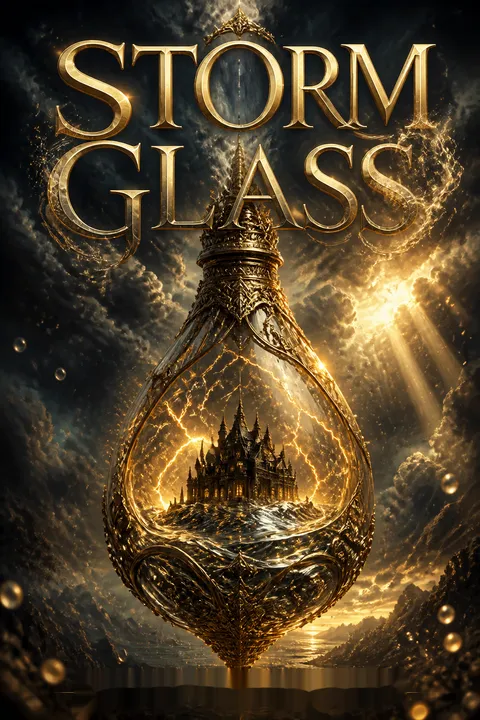

Plot Summary
Two Worlds, One Fate
The story opens in a world split between the privileged who live in floating sky manors and the destitute masses below in the Fells. The upper world is defined by wealth, the Mysteries (a form of magic/science), and rigid social order, while the lower world is plagued by poverty, disease, and ghosts. Yet, despite the stark differences, both worlds are bound by the same ambitions, fears, and the consequences of their choices. The narrative introduces the two heroines—Cettie, a street urchin haunted by ghosts, and Sera, a royal girl trapped by her own privilege—whose lives are destined to intersect and reshape the fate of their society.
Cettie's Haunted Beginnings
Cettie, orphaned and abused, survives in the Fells by caring for other abandoned children and evading the ghosts that only she can see. Her life is a cycle of hunger, fear, and fleeting hope, especially after her friend Joses is caught stealing. When officers raid her tenement, Cettie's resilience and dignity catch the attention of Vice Admiral Fitzroy, who is moved by her plight. The presence of a powerful ghost and the cruelty of her guardian, Miss Charlotte, make Cettie desperate for escape, setting the stage for her journey to the world above.
Fitzroy's Offer of Hope
Fitzroy, a man of principle and quiet power, intervenes in Cettie's life, promising to return and ensure her safety. Cettie's bold plea for adoption surprises them both, forging a bond that feels fated. Fitzroy's decision to take Cettie to his sky manor, Fog Willows, is both an act of compassion and a challenge to the rigid social order. The journey by zephyr is a revelation for Cettie, who is awed by the beauty and magic of the world above, but also aware of the uncertainty and suspicion that await her in her new home.
Fog Willows: A New Life
At Fog Willows, Cettie is thrust into a world of luxury, education, and complex social rules. She faces the cold hostility of Mrs. Pullman, the housekeeper, and the skepticism of Fitzroy's children, especially Stephen and Phinia. Yet, she finds kindness in Lady Maren and a budding friendship with Anna, the youngest daughter. Cettie's intelligence and curiosity set her apart, but her outsider status and the lingering threat of ghosts—and Mrs. Pullman's machinations—make her position precarious. The contrast between her past and present is both a source of wonder and anxiety.
Ghosts and Gatekeepers
Cettie's ability to see and be tormented by ghosts follows her to Fog Willows, challenging the belief that the upper world is free from such horrors. Mrs. Pullman's antagonism intensifies, as she views Cettie as a threat to the household's order and her own authority. The house itself is full of secrets, locked doors, and hidden Mysteries. Cettie's struggle to belong is mirrored by her efforts to protect Anna from supernatural dangers, even as she learns that Mrs. Pullman may be more than just a stern gatekeeper—she is a wielder of forbidden Mysteries.
Sera's Gilded Cage
Seraphin "Sera" Fitzempress, heir to the empire, lives in Lockhaven, the grandest of the sky manors. Despite her privilege, Sera is stifled by isolation, rigid lessons, and her parents' cold marriage. She yearns for freedom, adventure, and meaningful connection, but is constantly reminded of her duty and the expectations placed upon her. Sera's rebellious spirit and sharp intellect set her at odds with her governess and parents, while her fascination with the world below hints at a deeper empathy and restlessness that will shape her destiny.
The Prince Regent's Ambition
The sudden illness of the emperor thrusts Sera's father into the role of prince regent, igniting political intrigue and familial tension. The regency brings new tutors, stricter rules, and the threat of Sera being used as a pawn in her father's ambitions. The prince regent's desire for power is matched by his willingness to sacrifice personal relationships, including his daughter's happiness and future. Sera's world becomes a battleground of competing interests, where loyalty, love, and identity are all at risk.
Mysteries and Divisions
Both Cettie and Sera are drawn into the study of the Mysteries, the arcane sciences that underpin their society's magic and technology. Cettie's curiosity and affinity for the Mysteries of Wind lead her to discoveries that even her benefactor, Fitzroy, cannot explain. Sera, meanwhile, is forced to study all four Mysteries—Wind, War, Law, and Thought—under the watchful eyes of her tutors and her father's political allies. The Mysteries are both a source of empowerment and a tool of oppression, reinforcing the divisions between classes and individuals.
Lessons in Power
Cettie's and Sera's parallel journeys are marked by lessons in power, both magical and social. Cettie's friendship with Anna deepens, but she faces bullying from Stephen and Phinia, and the ever-present threat of Mrs. Pullman. Sera, meanwhile, forms a secret bond with Will Russell, a midshipman with a deed of service, learning firsthand about the injustices of the lower world. Both girls confront the harsh realities of their society: the commodification of children through deeds, the manipulation of law, and the dangers of standing out. Their growing awareness sets them on a path toward rebellion and self-discovery.
The River Walk and the Grotto
A visit to the Dolcoath mines and a fateful river walk expose Cettie to new dangers and deeper Mysteries. Accompanied by Anna and Adam Creigh, Cettie encounters a malevolent force in a grotto, a being that feeds on fear and is contained only by ancient wards. The experience leaves her shaken and convinced that her presence attracts supernatural threats. Fitzroy's compassion and wisdom help her process the trauma, but the incident foreshadows greater challenges ahead and the need for Cettie to master her own power.
The Price of Belonging
Cettie's place at Fog Willows is threatened by political machinations and the family's financial troubles. Fitzroy's refusal to abandon her costs him the position of prime minister, earning the resentment of his older children and the wrath of Mrs. Pullman. Cettie's loyalty to Anna and her determination to stay are tested by isolation, supernatural attacks, and the realization that her very presence endangers those she loves. The cost of belonging is high, and Cettie must decide what she is willing to sacrifice for a place in this new world.
The Outcast's Gift
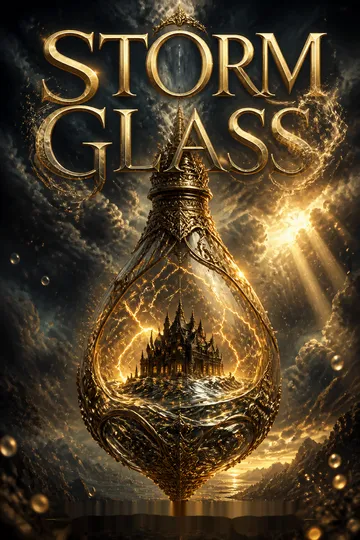
Cettie's keen observation and affinity for the Mysteries lead her to a groundbreaking discovery: the storm glass, a device that predicts changes in the weather by measuring quicksilver. With Fitzroy's support, they test and refine the invention, which has the potential to revolutionize travel, trade, and safety in the empire. The storm glass becomes a symbol of Cettie's value and the power of outsiders to change the world. Yet, the gift also attracts envy, danger, and the attention of those who would exploit it for their own gain.
The Law of Deeds
The legal system of deeds—contracts that bind children and servants to masters—emerges as a central force shaping the lives of both heroines. Sera learns the intricacies and injustices of the system, while Cettie's own fate is entangled in the search for her parentage and the machinations of those who would use her as leverage. The law is both a weapon and a shield, manipulated by the powerful to maintain control. The struggle for agency becomes a battle not just for freedom, but for identity and self-worth.
The Storm Glass Discovery
The successful demonstration of the storm glass brings Fitzroy and Cettie to the attention of the empire's leaders. The invention promises wealth and influence, but also exposes them to political intrigue and betrayal. Fitzroy is summoned to Lockhaven, leaving Cettie vulnerable to Mrs. Pullman's final act of vengeance. The storm glass, born of Cettie's outsider perspective, becomes both a blessing and a curse, a tool for progress and a target for those threatened by change.
Betrayal in the Clouds
With Fitzroy away, Mrs. Pullman seizes her chance to rid Fog Willows of Cettie. Using forbidden Mysteries, she silences Cettie and arranges for her to be sent back to the Fells, exploiting legal loopholes and the complicity of corrupt officers. Cettie's desperate escape, aided by her old friend Joses, is a harrowing journey through the dangers of the lower world. The betrayal is both personal and systemic, revealing the depths of cruelty and the resilience required to survive.
The Fall of Gimmerton Sough
A grand ball at the Hardings' manor ends in disaster when financial ruin causes the estate's magical protections to fail, threatening the lives of all present. The intervention of powerful allies saves the guests, but the Hardings lose everything. The event is a stark reminder of the fragility of privilege and the dangers of unchecked ambition. For Cettie, the experience is both a physical and emotional trial, deepening her understanding of loss and the interconnectedness of all classes.
Mrs. Pullman's Revenge
Back in the Fells, Cettie is hunted by both human and supernatural enemies. Mrs. Pullman's influence lingers, and Cettie's struggle to regain her voice and agency becomes a battle against both external and internal forces. The help of Joses and the intervention of Fitzroy and Raj Sarin are crucial, but it is Cettie's own courage and mastery of the Mysteries that ultimately enable her to break free. The confrontation with Mrs. Pullman exposes the dangers of unchecked power and the necessity of compassion and justice.
Cettie's Descent and Escape
Cettie's escape from the Fells is marked by violence, sacrifice, and the awakening of her latent abilities. The death of Joses, her loyal friend, is a devastating blow, but also a catalyst for Cettie's growth. Her connection to the Mysteries deepens, allowing her to command the very forces that once oppressed her. The rescue by Fitzroy and Raj Sarin is both a reunion and a turning point, as Cettie is finally freed from Mrs. Pullman's curse and prepared for a new chapter at Muirwood Abbey.
Sera's Awakening
Sera's struggle against her father's tyranny and the legal system culminates in a public battle for her rights. With the help of her advocate, Durrant, and the support of the people, Sera exposes the injustices of the deed system and asserts her claim to agency and education. Her journey from sheltered princess to determined student of the Mysteries is marked by loss, resilience, and the forging of a new identity. Sera's awakening is both personal and political, setting her on a path to leadership and change.
Reunion at Muirwood Abbey
The story concludes with Cettie and Sera arriving at Muirwood Abbey, the legendary school where the Mysteries are taught. Both girls, having survived trials of loss, betrayal, and self-discovery, are finally free to pursue their destinies. Their meeting is the fulfillment of the narrative's promise: two worlds, two girls, united by fate and the power to change their society. The future is uncertain, but together, Cettie and Sera are poised to master the Mysteries and shape the world anew.
Analysis
**Storm Glass is a masterful exploration of class, power, and the quest for agency, set in a world where magic and technology are inseparable from social order. Through the dual narratives of Cettie and Sera, Jeff Wheeler crafts a story that is both intimate and epic, revealing the ways in which personal struggles mirror and shape the fate of an entire society. The novel's use of the Mysteries as both a literal and metaphorical system highlights the dangers of knowledge hoarded by the few and the transformative potential of outsiders and the marginalized. The storm glass itself is a symbol of innovation born from adversity, challenging the status quo and offering hope for a more just world. At its heart, Storm Glass is a story about the power of compassion, resilience, and chosen family to overcome the ghosts—both real and figurative—that haunt us. The lessons are clear: true belonging is earned through courage and empathy, and the greatest changes often begin with those who have the least to lose. In a modern context, the novel resonates as a call to question inherited systems, to value the insights of outsiders, and to recognize that the boundaries between worlds—whether of class, knowledge, or power—are not as immutable as they seem.
Review Summary
People Also Read

Characters
Cettie
Cettie is a streetwise, resilient orphan from the Fells, marked by her ability to see and be tormented by ghosts. Her early life is defined by hunger, abuse, and a fierce protectiveness toward other abandoned children. Psychoanalytically, Cettie's trauma manifests as both a deep longing for safety and a wariness of trust. Her intelligence, curiosity, and empathy set her apart, making her both a target and a catalyst for change. Through her relationship with Fitzroy, Anna, and others, Cettie evolves from a desperate outcast to a gifted student of the Mysteries, whose discoveries and courage challenge the very foundations of her world. Her journey is one of self-acceptance, agency, and the forging of chosen family.
Sera (Seraphin Fitzempress)
Sera is the only child of the prince regent, raised in the opulence of Lockhaven but suffocated by isolation, expectation, and her parents' loveless marriage. Her sharp intellect, wit, and rebellious spirit drive her to question authority and seek meaning beyond the gilded cage of her upbringing. Sera's psychoanalytic arc is one of individuation: breaking free from parental control, confronting the injustices of her society, and embracing her own power. Her empathy for the lower classes and her struggle against the legal system of deeds position her as both a victim and a potential reformer. Sera's development is marked by loss, awakening, and the forging of true friendship with Cettie.
Brant Fitzroy
Fitzroy is a former vice admiral and current head of Fog Willows, embodying integrity, compassion, and quiet strength. His refusal to compromise his values—whether in adopting Cettie or resisting political pressure—makes him both a hero and a target. Fitzroy's relationships are defined by loyalty: to his ailing wife Maren, his children, and the vulnerable. Psychoanalytically, he is haunted by past losses and the burden of leadership, but his openness to change and innovation (as seen in his support of Cettie's discoveries) marks him as a progressive force. His mentorship and love are crucial to Cettie's transformation.
Mrs. Pullman
Mrs. Pullman is the stern, manipulative housekeeper of Fog Willows, whose authority is rooted in both tradition and the forbidden use of the Mysteries. She is a psychological antagonist, projecting her own feelings of inadequacy and fear of dismissal onto Cettie and Anna. Her need for control manifests in cruelty, supernatural torment, and the silencing of those who threaten her power. Mrs. Pullman's downfall is a study in the dangers of unchecked authority and the corrosive effects of envy and resentment.
Anna Fitzroy
Anna, the youngest Fitzroy child, is shy, kind, and deeply loyal. Her friendship with Cettie is a source of comfort and growth for both girls, providing a safe haven amid the hostility of others. Anna's vulnerability to supernatural threats and social pressures highlights the costs of innocence in a dangerous world. Her development is intertwined with Cettie's, as both girls learn to support and protect each other.
Stephen Fitzroy
Stephen is Fitzroy's eldest son, ambitious and often dismissive of Cettie. His rivalry with his siblings and his struggle to live up to expectations create tension within the family. Stephen's arc is one of gradual recognition of Cettie's worth and the limitations of privilege. His relationship with Phinia and Anna is marked by both affection and competition.
Phinia Fitzroy
Phinia is the middle Fitzroy child, eager to enter society and secure her place among the elite. Her initial hostility toward Cettie is rooted in insecurity and the fear of losing status. Phinia's development is shaped by the family's financial troubles and the collapse of social certainties, forcing her to confront the realities behind the facade of privilege.
Lady Maren Fitzroy
Lady Maren is Fitzroy's wife, whose chronic illness and gentle nature make her both a figure of sympathy and a stabilizing presence. Her acceptance of Cettie and her wisdom about the Mysteries provide crucial support. Maren's backstory of social disgrace and resilience mirrors Cettie's own journey, and her suffering is a reminder of the costs of societal judgment.
Joses
Joses is Cettie's childhood companion from the Fells, whose loyalty and resourcefulness save her life more than once. His decline and eventual death are a devastating loss, symbolizing the human cost of poverty and the indifference of the powerful. Joses's courage and sacrifice are a testament to the strength found in the margins of society.
Raj Sarin
Raj Sarin is Fitzroy's Bhikhu bodyguard, a practitioner of the Way of Ice and Shadows. His teachings on discipline, focus, and self-mastery are instrumental in Cettie's growth. Raj Sarin's outsider status and spiritual insight make him a bridge between worlds, offering guidance that transcends social and magical boundaries.
Plot Devices
Dual Narrative Structure
The novel alternates between Cettie's and Sera's perspectives, using their contrasting experiences to explore themes of class, power, and agency. This structure allows for deep character development and the gradual convergence of their stories, building suspense and emotional resonance. The dual narrative also highlights the interconnectedness of personal and political struggles, as the fate of the empire is mirrored in the lives of two girls from opposite worlds.
The Mysteries
The Mysteries are both a system of magic and a metaphor for knowledge, control, and exclusion. Divided into branches (Wind, War, Law, Thought), they underpin the technology, politics, and social hierarchy of the world. The Mysteries are guarded by tradition and accessible only to the privileged, reinforcing class divisions. Cettie's and Sera's journeys to master the Mysteries symbolize the struggle for empowerment and the breaking of barriers.
The Law of Deeds
Deeds are legal contracts that bind children and servants to masters, commodifying human life and perpetuating inequality. The manipulation of deeds is a central plot device, driving conflict, betrayal, and the struggle for freedom. The legal system is both a weapon for the powerful and a potential avenue for resistance, as seen in Sera's legal battle and Cettie's search for her parentage.
Supernatural Threats and Foreshadowing
The presence of ghosts and supernatural beings serves as both literal and symbolic threats, foreshadowing the dangers that lurk beneath the surface of society. Cettie's ability to see and eventually command these forces marks her as special but also vulnerable. The supernatural is intertwined with the Mysteries, blurring the line between science and magic, and reinforcing the theme that knowledge is both power and peril.
The Storm Glass
The invention of the storm glass is a pivotal plot device, representing the power of outsiders to disrupt the status quo. Its development and demonstration drive the narrative toward political intrigue, personal danger, and the promise of a new era. The storm glass is both a symbol of hope and a source of conflict, attracting the attention of those who would use or suppress it for their own ends.
Locked Doors and Hidden Rooms
The motif of locked doors and hidden rooms recurs throughout the novel, symbolizing the barriers to knowledge, power, and belonging. These physical and metaphorical boundaries are both obstacles and invitations, challenging the characters to seek the truth and claim their agency. The revelation of what lies behind the doors is often a turning point, marking moments of transformation and self-discovery.
Harbinger Series
About the Author
Download PDF
Download EPUB
.epub digital book format is ideal for reading ebooks on phones, tablets, and e-readers.








































