
Plot Summary
Pranks and Promises Broken
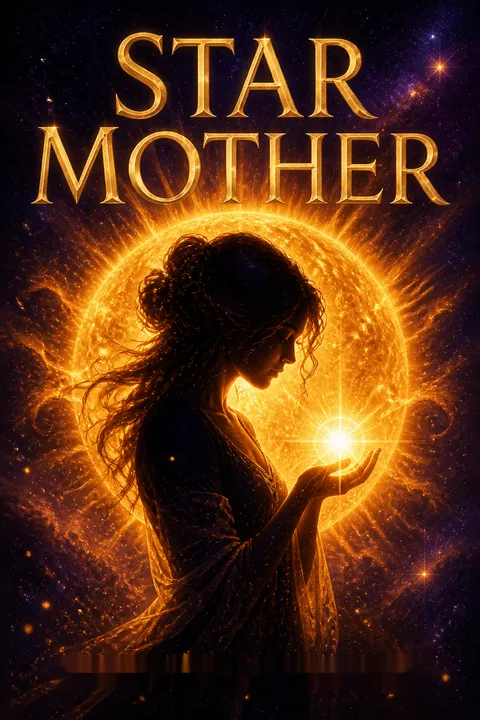
Ceris Wenden, a spirited young woman in the small village of Endwever, is known for her mischievous pranks and her close, if sometimes fraught, relationships with her sisters and betrothed, Caen. Her longing for love and belonging is complicated by the knowledge that Caen's heart belongs to another. When the Sun's torch atop the village cathedral ignites—a sign that a new star must be born—Ceris's world is upended. The village's women, including Ceris, are called to consider the ultimate sacrifice: to become the star mother, bearing the Sun's child and dying in the process. Ceris's decision is shaped by her desire to save her sister from fear, Caen from heartbreak, and herself from a life of being overlooked. Her choice is both selfless and tinged with the hope that, in dying, she will finally be loved and remembered.
The Torch and the Choice
The Sun's torch burns, and the village council debates who will answer the call. Ceris, after a night of turmoil and reflection, volunteers to be the star mother, sparing others and hoping to bring honor to her family and peace to Caen and Anya. Her decision is met with shock, sorrow, and a bittersweet sense of pride. She says her goodbyes, feeling both the weight of her sacrifice and the hope that her name will live on. Entering the burning cathedral, she endures unimaginable pain, her body and spirit tested to their limits. In the end, she is transported to a place beyond mortal comprehension, where the Sun Himself awaits her, and her journey as star mother truly begins.
Sun's Offer, Ceris's Sacrifice
In the Sun's palace, Ceris is offered a final chance to turn back, but she chooses to fulfill her promise. The Sun, ancient and sorrowful, explains the necessity of the stars and the pain of their mothers' deaths. Their union is both divine and excruciating, leaving Ceris changed in body and soul. She awakens in a crystalline world, attended by godlings, and discovers she is pregnant with the Sun's child. Isolated and grieving, she finds solace in her growing connection to the unborn star, her only companion in a realm where time and meaning are fluid. Her sacrifice is both honored and lonely, and she begins to understand the true cost of her choice.
Star Mother in the Heavens
Ceris's days in the Sun's palace are marked by longing and adaptation. She befriends her attendants, Elta and Fosii, and finds comfort in embroidery and song, creating a tapestry for her unborn child. The Sun is distant, burdened by the sorrow of countless star mothers. Ceris's pregnancy progresses, and she finds purpose in her role, even as she mourns the life she left behind. At the halfway point, she dines with the Sun, challenging Him to remember the women who give their lives for the stars. Their conversation is honest and bittersweet, revealing the Sun's limitations and Ceris's growing wisdom. As her time nears, she faces the agony of star birth, a pain beyond mortal endurance, and expects to die as all star mothers before her.
Loneliness, Godlings, and Hope
Against all odds, Ceris survives the birth of her star, awakening in the Sun's palace, alive but forever changed. Her survival is unprecedented, and the godlings are both awed and unsettled. The Sun is perplexed, unsure what to do with a living star mother. Ceris requests to return home, longing for family and belonging. The Sun grants her wish, giving her a ring to summon Him, and she is sent back to Endwever. But time has passed differently—seven hundred years have gone by, and everyone she knew is gone. Ceris is a legend, worshipped and imprisoned by her own myth, and must find a new place in a world that has forgotten her.
The Sun's Distant Kindness
Ceris is revered but trapped in Endwever, unable to leave as the villagers seek to keep their living miracle. She escapes under cover of night, braving wolves and bandits, her starlight both a weapon and a curse. On the road, she meets Ristriel, a mysterious godling who begs her protection in exchange for guiding her to Nediah, where her family's descendants may live. Their journey is fraught with danger, trust, and the slow unfolding of secrets. Ceris learns to survive in a changed world, her starlight marking her as both powerful and vulnerable, and Ristriel's presence becomes her anchor in a life unmoored from time.
Return to a Changed World
Ceris and Ristriel travel together, learning from each other. Ristriel teaches Ceris about the nature of godlings, the scars of star mothers, and the eternal war between Sun and moon. Ceris, in turn, teaches Ristriel about mortal resilience, hope, and the beauty of small joys. Their bond deepens as they face threats from both mortals and celestials, and Ceris's longing for family is matched by Ristriel's longing for freedom and acceptance. Together, they navigate a world at war, both within and without, and find solace in each other's company, even as the dangers around them grow.
Worship, Imprisonment, and Escape
The celestial war erupts on Earth, and Ceris and Ristriel are caught in its path. Ceris's starlight and Ristriel's shadow powers are both a shield and a beacon, drawing the attention of gods and godlings alike. In the chaos, Ristriel reveals his true nature as Twilight, a demigod created to keep peace between Sun and moon, now hunted for breaking the laws of time. Ceris learns that her survival as star mother was the result of Ristriel's escape, her death stolen to buy his freedom. The revelation shatters her, but their love endures, even as they are forced to bargain with the Sun for Ristriel's life.
Bandits, Starlight, and a Godling
Ceris and Ristriel's journey leads them to Nediah, where Ceris hopes to find her family's descendants. Along the way, they face pursuit by godlings, the threat of the Sun's justice, and the ever-present war in the sky. Ceris's starlight is both a gift and a burden, and Ristriel's powers are tested to their limits. Their love grows in the face of adversity, and Ceris must choose between her own happiness and Ristriel's freedom. In a final confrontation, she bargains with the Sun, offering to share Ristriel's punishment, and they are separated—Ristriel to Oblivion, Ceris to the Sun's palace, each serving half the sentence for the crime of stolen time.
Ristriel's Oath and Secrets
Ceris's years in the Sun's palace are marked by longing, sorrow, and gradual acceptance. She bears more stars, her starlight growing, and finds comfort in her children and the godlings who serve her. The Sun is patient and kind, waiting for her heart to heal, and Ceris learns to find joy in small things, even as she mourns Ristriel. She watches her family's descendants from afar, sings to Ristriel at twilight, and keeps her promise to never forget him. Time passes, and the wounds of loss become scars, reminders of love and sacrifice.
Lessons in Pain and Love
When Ristriel's sentence ends, he is forced to return the last of the stolen time, a choice that would mean Ceris's death. Instead, he takes it into himself, becoming mortal, and is cast down to Earth. Ceris, freed from her sentence, chooses to leave the Sun's palace and return to the world, seeking Ristriel. Their reunion is tender and triumphant, two souls scarred by time and sacrifice, finally able to live and love as mortals. Together, they build a life, raise a family, and create a legacy that endures in story and in the stars.
The War in the Sky
Ceris and Ristriel's story becomes legend, their love and sacrifice woven into the fabric of the world. Their children and descendants carry their names and stories, and the tapestry Ceris creates becomes a symbol of hope and endurance. The stars in the sky bear witness to their journey, and the north star shines as a testament to their love. The Sun, changed by Ceris's wisdom and compassion, remembers the star mothers and honors their stories. The war between day and night continues, but the balance is forever altered by the choices of a mortal woman and a godling who dared to love.
Family, Loss, and the Hereafter
Ceris's journey is one of loss and discovery, of finding family in unexpected places and forging new bonds in the face of grief. Her time in the Sun's palace, her reunion with Ristriel, and their life together are marked by the knowledge that love endures beyond time and death. The hereafter promised to star mothers is glimpsed but not attained, yet Ceris finds her own paradise in the life she builds with Ristriel. Their story is a reminder that even in the face of cosmic forces, the choices of individuals matter, and love can bridge the gap between mortal and divine.
The Truth of Time
Ceris forgives Ristriel for the theft of her death, understanding that his actions, though unintended, gave her a life she never could have imagined. Together, they heal from the wounds of the past, finding strength in each other and in the stories they share. The tapestry Ceris creates becomes a living record of their journey, a testament to the resilience of the human spirit and the enduring power of love. Their legacy lives on in their children, in the stars, and in the hearts of those who remember their tale.
The Bargain and the Sacrifice
In the end, Ceris and Ristriel choose each other, defying the expectations of gods and mortals alike. Their love is a truth, a promise, and a sacrifice, binding them together across time and space. They live long lives, raise a family, and, when their time comes, ascend together to the stars, their light shining as a beacon for all who seek hope and belonging. Their story is one of courage, compassion, and the belief that even the smallest choices can change the course of the universe.
Years in the Sun's Palace
Ceris's years in the Sun's palace are marked by sorrow and gradual healing. She finds purpose in her children, in her tapestry, and in the friendships she forges with godlings. The Sun's patience and kindness help her mend, and she learns to find happiness again, even as she waits for Ristriel's return. Her story becomes a legend, a source of inspiration for generations, and her love for Ristriel endures, a constant thread in the tapestry of her life.
Reunion and Mortal Love
When Ceris and Ristriel are finally reunited, their love is rekindled, stronger for all they have endured. Ristriel, now mortal, shares Ceris's starlight, and together they build a life filled with love, family, and meaning. Their story is one of redemption and hope, a reminder that even the most broken hearts can be made whole. Their legacy endures in their children, in the stars, and in the stories told by those who remember them.
Legacy Among the Stars
Ceris and Ristriel's story is immortalized in tapestry and in the stars, their love a guiding light for all who seek hope and belonging. Their children and descendants carry their names and stories, and the north star shines as a testament to their enduring bond. The Sun, changed by Ceris's wisdom, honors the star mothers and remembers their sacrifices. The war between day and night continues, but the world is forever changed by the love of a mortal woman and a godling who dared to defy fate. Their story is a promise that love endures, even when the stars themselves are born and die.
Analysis
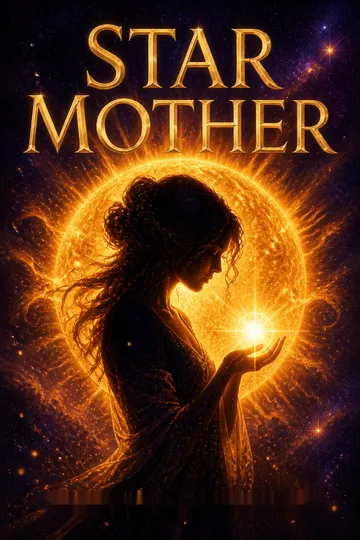
Star Mother is a luminous meditation on sacrifice, agency, and the enduring power of love in a universe governed by both cosmic law and personal choice. Through Ceris's journey—from mischievous village girl to immortal legend—the novel interrogates the meaning of selflessness, the pain of loss, and the possibility of hope even in the face of insurmountable odds. Holmberg's narrative structure, blending mythic grandeur with intimate emotion, invites readers to consider the ways in which individual choices ripple across time and space, shaping destinies both mortal and divine. The novel's use of time displacement, celestial war, and the motif of the tapestry underscores the fragility and resilience of memory, the importance of storytelling, and the belief that even the smallest acts of kindness can alter the course of history. Ultimately, Star Mother is a celebration of the human spirit—its capacity for love, forgiveness, and transformation—and a reminder that, in the end, it is our connections to others, not our suffering, that define us. The story's lessons resonate in a modern context, urging us to honor the sacrifices of those who came before, to seek meaning in our own struggles, and to believe that, even in darkness, the stars will always shine.
Review Summary
Star Mother receives mixed reviews with an overall 4.12/5 rating. Many readers praise Holmberg's imaginative world-building, emotional storytelling, and unique premise about a woman who survives giving birth to a star. Fans appreciate the fairy-tale quality, beautiful writing, and character development. Critics cite childish prose, underdeveloped characters, rushed romance, and confusing "not-descriptions." Some find the relationships problematic and the pacing uneven. The book explores themes of sacrifice, motherhood, love, and loss. While polarizing, many readers found it captivating and emotionally affecting, though some felt it derivative and disappointing.
People Also Read


Characters
Ceris Wenden
Ceris is a spirited, mischievous young woman whose longing for love and belonging shapes her every choice. Betrothed to Caen but aware of his love for another, she is driven by a desire to matter, to be seen, and to protect those she loves. Her decision to become the star mother is both selfless and deeply personal, a way to save her sister, Caen, and herself from heartbreak. Ceris's journey is marked by resilience, wisdom, and a growing understanding of sacrifice. Her time in the Sun's palace, her survival against all odds, and her eventual love for Ristriel reveal her capacity for forgiveness, growth, and hope. She is both a legend and a deeply human figure, her story a testament to the power of choice and the endurance of love.
Ristriel (Twilight)
Ristriel, known as Twilight, is a demigod born of the moon's shadow and the Earth Mother, created to keep peace between Sun and moon. Imprisoned for millennia, he is both powerful and deeply wounded, longing for freedom and acceptance. His escape from captivity, enabled by the death of a star, inadvertently saves Ceris's life but also binds their fates together. Ristriel is gentle, self-effacing, and fiercely loyal, his love for Ceris transforming him from a fugitive into a partner willing to sacrifice everything. His journey from godling to mortal is one of redemption, healing, and the discovery of love's true meaning.
The Sun (Saiyon)
Saiyon, the Sun God, is a being of immense power and deep sorrow, burdened by the necessity of the stars and the deaths of their mothers. He is both compassionate and constrained, offering Ceris kindness and patience but unable to break the laws that govern the universe. His relationship with Ceris is complex—part lover, part jailer, part confessor. Saiyon's willingness to listen, to remember, and to change is shaped by Ceris's wisdom and courage. He is a figure of both awe and vulnerability, his story a meditation on the limits of power and the cost of duty.
Elta
Elta is one of Ceris's attendants in the Sun's palace, a godling of great age and gentle humor. She provides comfort, guidance, and companionship to Ceris during her pregnancy and exile, offering wisdom about the nature of godlings, the universe, and the loneliness of immortality. Elta's kindness helps Ceris adapt to her new reality, and her presence is a reminder that even in the most alien places, friendship and empathy endure.
Fosii
Fosii, Ceris's other attendant, is initially distant and wary of mortals, but over time she warms to Ceris, offering practical support and eventually friendship. Her journey from suspicion to affection mirrors Ceris's own adaptation to the Sun's palace, and her loyalty becomes a source of strength. Fosii's perspective on mortality and the universe adds depth to Ceris's understanding of her own fate.
Caen
Caen is Ceris's betrothed, a gentle and dutiful man whose heart belongs to another. His relationship with Ceris is marked by affection but not passion, and his sorrow over Anya shapes Ceris's decision to become the star mother. Caen represents the life Ceris might have had—a life of ordinary joys and sorrows, of family and belonging. His presence lingers in Ceris's memories, a bittersweet reminder of what was lost and what was gained.
Anya
Anya, the weaver's daughter, is Caen's true love and a figure of quiet strength. Her willingness to accept the call of the Sun, and Ceris's decision to spare her, are acts of mutual sacrifice and compassion. Anya's pain and hope mirror Ceris's own, and her story is a thread in the tapestry of choices that define the novel's emotional arc.
Idlysi
Idlysi, Ceris's younger sister, is marked by anxiety and vulnerability, her fear of being chosen as star mother a driving force in Ceris's decision. Their relationship is fraught but loving, and Idlysi's gratitude and grief shape Ceris's understanding of sacrifice. Idlysi represents the bonds of family and the pain of separation, her fate a reminder of the costs of love.
Surril
Surril, the star born from Ceris's sacrifice, is a being of light and laughter, her presence a source of comfort and purpose for Ceris. Though distant, Surril's love and watchfulness sustain Ceris through exile and loss. She is both a child and a symbol, her existence proof that even the greatest pain can give rise to beauty and meaning.
Quelline
Quelline, a descendant of Ceris's family in Nediah, offers Ceris a place of belonging and continuity. Her warmth and acceptance help Ceris reconnect with her mortal roots, and her family becomes a new anchor in a world transformed by time. Quelline's presence is a reminder that family endures, even across centuries and through the retelling of stories.
Plot Devices
The Star Mother Sacrifice
The central device of the novel is the ritual of the star mother—a mortal woman chosen to bear the Sun's child, a new star, at the cost of her own life. This device weaves together themes of sacrifice, agency, and the intersection of mortal and divine. The ritual is both a blessing and a curse, offering honor and remembrance but demanding the ultimate price. Ceris's survival subverts the tradition, raising questions about fate, justice, and the possibility of change.
Time Displacement and the Theft of Death
Ristriel's escape from captivity, enabled by the death of a star, results in the theft of Ceris's death and the displacement of her return to Earth by seven hundred years. This device explores the malleability of time, the unintended consequences of desperate choices, and the pain of being unmoored from one's own life. It also serves as a metaphor for trauma and the struggle to find meaning in a world that has moved on.
The War Between Sun and Moon
The ongoing war between Sun and moon is both backdrop and catalyst, shaping the destinies of gods, godlings, and mortals alike. The conflict is ancient, cyclical, and unresolved, its battles spilling over into the mortal world. Ristriel, as Twilight, is both a product and a casualty of this war, and Ceris's journey is shaped by its violence and its demands. The war serves as a metaphor for the struggle between light and darkness, order and chaos, and the search for peace in a divided universe.
The Tapestry and the Power of Story
Ceris's embroidery, and later her great tapestry, is a recurring motif that symbolizes the power of storytelling, the preservation of memory, and the weaving together of disparate lives into a coherent whole. The tapestry becomes a living record of her journey, her family, and her love for Ristriel. It is both a comfort and a legacy, a way to make sense of suffering and to ensure that the stories of the forgotten are remembered.
Oaths, Laws, and the Limits of Power
The novel is structured around oaths and bargains—Ceris's promise to become star mother, her bargain with the Sun, Ristriel's oath to guide and protect her, and the laws that bind gods and mortals alike. These devices explore the limits of power, the cost of breaking or keeping one's word, and the tension between duty and desire. The narrative is shaped by the interplay of personal agency and cosmic law, and the ways in which love can both challenge and fulfill the demands of fate.
Star Mother Series
About the Author



Download PDF
Download EPUB
.epub digital book format is ideal for reading ebooks on phones, tablets, and e-readers.








































