
Key Takeaways
1. Ida B. Wells: A Crusader Forged by Personal Tragedy and Injustice.
Thomas Moss, Calvin Mcdowell, and Lee Stewart had been lynched in Memphis, one of the leading cities of the South, in which no lynching had taken place before, with just as much brutality as other victims of the mob; and they had committed no crime against white women.This is what opened my eyes to what lynching really was. An excuse to get rid of Negroes who were acquiring wealth and property and thus keep the race terrorized and “keep the nigger down.”
Early life. Born into slavery in 1862, Ida B. Wells was shaped by her politically active parents, who instilled in her a strong sense of duty and justice. The devastating 1878 yellow fever epidemic tragically claimed her parents and youngest sibling, forcing the sixteen-year-old Wells to become the head of her household, a pivotal moment that forged her independence and self-sufficiency.
Memphis beginnings. Moving to Memphis, Wells secured a teaching position and immersed herself in the vibrant African American community. Her early activism included a successful lawsuit against a railroad company for forced removal from a ladies' coach, which, though later overturned, ignited her journalistic career. She began writing under the pen name "Iola," addressing critical issues for her people.
A turning point. The brutal 1892 lynching of three close friends—Thomas Moss, Calvin McDowell, and Wil Stewart—who owned a successful grocery store, shattered Wells's prior assumptions about mob violence. This event revealed to her that lynching was not about justice for crimes, but a calculated act of terror to suppress Black economic and social progress, propelling her into a lifelong anti-lynching crusade.
2. Lynching: Not Justice, But a Systemic Tool of Terror and White Supremacy.
The formal public record of lynchings in the united States reveals that during the post–Civil War era, lynching and other acts of mob violence against African Americans (for instance, the destruction of farms, businesses, and other property owned or operated by African Americans) steadily increased, with the first peak occurring in 1892.
A dark history. While lynching existed before the Civil War, primarily against whites, the post-war era saw a dramatic shift. By 1892, the majority of victims were African American, predominantly in the South, marking a peak in mob violence. This practice was falsely justified as "frontier justice" or a necessary response to maintain "civilization."
Post-Reconstruction context. The failure of Reconstruction, coupled with the rise of Jim Crow laws, systematically disenfranchised African Americans and re-established racial boundaries. Mob violence became an unchecked mechanism to enforce white supremacy, control Black lives, and suppress any attempts at social, political, or economic advancement.
Terror as control. Lynching served as a brutal form of intimidation, targeting not only individuals but entire communities. It aimed to retard the progress of African Americans, destroy their property, and instill fear, ensuring their subservience in a society determined to "keep the nigger down" and regain white control.
3. Debunking the "Rape Myth": Exposing Consensual Liaisons and False Accusations.
nobody in this section of the country believes the old thread bare lie that negro men rape white women. If southern white men are not careful, they will over-reach themselves and public sentiment will have a reaction; a conclusion will then be reached which will be very damaging to the moral reputation of their women.
A bold challenge. Wells's May 1892 editorial in the Free Speech directly confronted the prevailing narrative that lynching was a justified response to the rape of white women. This audacious statement, suggesting consensual relationships, provoked outrage among white Southerners and led to the destruction of her newspaper and her forced exile.
Investigative journalism. Through meticulous data collection and investigation, Wells exposed the widespread falsehood of the "rape myth." She revealed that many alleged "crimes" were actually consensual liaisons between Black men and white women, or entirely fabricated accusations used to justify mob violence.
Beyond rape. Wells documented that lynchings occurred for a myriad of alleged offenses, from murder and arson to "insulting whites" or simply being "sassy," and often for no stated crime at all. Her evidence demonstrated that the charge of rape was a convenient, emotionally charged smokescreen designed to conceal a racist agenda and maintain power.
4. The Hypocrisy of "Chivalry": White Men's Violence Against Black Women Unpunished.
A leading journal in South Carolina openly said some months ago that “it is not the same thing for a white man to assault a colored woman as for a colored man to assault a white woman, because the colored woman had no finer feelings nor virtue to be outraged!”
A stark double standard. Wells powerfully highlighted the egregious double standard in how sexual violence was perceived and punished. While alleged assaults by Black men on white women triggered immediate, brutal lynchings, the rampant sexual exploitation of Black women by white men went largely unacknowledged and unpunished.
Evidence in plain sight. The existence of millions of "mulattoes" in the South served as undeniable proof of widespread race mixing, largely a result of white men assaulting Black women with impunity. Wells argued that if white men were free to violate Black women without fear of accountability, then the "chivalry" they claimed to defend was a hollow pretense.
"Honor" as a shield. The narrative of defending white women's "honor" was, in Wells's view, a patriarchal construct that served to control both Black men and white women. It allowed white men to justify their own violence and maintain social control, while simultaneously denying Black women any claim to virtue or protection.
5. The Power of the Pen: Wells's Journalism as a Weapon Against Outlawry.
Having lost my paper, had a price put on my life, and been made an exile from home for hinting at the truth, I felt that I owed it to myself and to my race to tell the whole truth now that I was where I could do so freely.
From local to national voice. Wells's early journalistic work, including her "Iola" column and co-ownership of the Free Speech, established her as a sharp-tongued observer of racial injustice. Her forced exile from Memphis transformed her into a national figure, providing a platform to speak "the whole truth" without fear of immediate reprisal.
Documenting the horror. Wells systematically collected and cataloged data on lynchings, often drawing from white newspapers to lend credibility to her findings. Her pamphlets, Southern Horrors and A Red Record, presented compelling, fact-based arguments that exposed the barbarity and injustice of mob violence.
A persuasive case. Through reason, logic, and ethical appeals, Wells dismantled the prevailing myths surrounding lynching. She demonstrated that it was an act of terrorism, not justice, and that the United States, as a self-proclaimed land of freedom, had a moral obligation to confront this lawlessness.
6. Mobilizing Black Women: The Birth of a National Anti-Lynching Movement.
First, it was the real beginning of the club movement among the colored women in this country. The women of New York and Brooklyn decided to continue that organization, which they called the Women’s Loyal Union.
A call to action. Wells's powerful testimony at a testimonial dinner in New York in October 1892 galvanized African American women. This event, organized by Victoria Earle Matthews and Maritcha Lyons, not only provided financial support for Wells but also sparked the formal organization of Black women's clubs dedicated to social reform.
Founding organizations. The Women's Loyal Union of New York and Brooklyn, followed by the Boston Woman's Era Club, were among the first strictly women's clubs of their kind. These local efforts culminated in the formation of the National Association of Colored Women (NACW) in 1896, with the motto "Lifting as We Climb."
A unified front. The NACW, the first national secular organization established by African Americans, made anti-lynching a central priority. Black clubwomen formed committees, publicized lynchings, and actively participated in organizations like the NAACP, demonstrating a collective commitment to justice and community development.
7. Internationalizing the Fight: Leveraging British Opinion to Shame America.
If America would not hear the cry of men, women and children whose dying groans ascended to heaven praying for relief, not only for them but for others who might soon be treated as they, then certainly no fair-minded person can charge disloyalty to those who make an appeal to the civilization of the world for such sympathy and help as it is possible to extend.
Global appeal. Recognizing America's desire for international respect, Wells strategically took her anti-lynching campaign to Great Britain. She aimed to leverage British public opinion and economic influence, much like abolitionists had done before her, to pressure the U.S. government to address its domestic race problem.
British tours. Wells undertook two speaking tours of England and Scotland in 1893 and 1894, delivering over a hundred speeches to diverse audiences. She garnered significant support from prominent British clergy, members of Parliament, and journalists, who were appalled by the accounts of American barbarism.
Tangible impact. The international attention, particularly the British press coverage, embarrassed U.S. leaders and had a direct impact. For instance, after Wells's first tour, Memphis, a major cotton exporter, experienced a twenty-year period without lynchings, as local white leaders sought to protect their city's reputation and economic interests.
8. Challenging White Allies: Confronting Complicity and Indifference.
The fact is, Miss Willard is no better or worse than the great bulk of white Americans on the negro questions. They are all afraid to speak out, and it is only British public opinion which will move them, as I am thankful to see it has already begun to move Miss Willard.
Uncomfortable truths. Wells did not shy away from confronting the silence and complicity of white American institutions and leaders, even those considered allies. She openly criticized organizations like the Woman's Christian Temperance Union (WCTU) and its president, Frances Willard, for their failure to condemn lynching.
The Willard controversy. Wells publicly stated that Willard, despite her reformist reputation, condoned lynching by accepting the Southern narrative of Black male rapists. This led to a significant public dispute, with Wells defending her statements by citing Willard's own words and the WCTU's inaction on the issue.
Exposing hypocrisy. Wells's willingness to challenge respected white figures, even at the risk of alienating potential supporters, underscored her unwavering commitment to truth. She believed that the widespread indifference among white Americans, driven by fear or prejudice, was a major obstacle to justice, and that external pressure was often necessary to stir their conscience.
9. A Legacy of Persistence: Wells's Enduring Impact on the Quest for Justice.
Ida Wells-Barnett was the pioneer of the anti-lynching crusade in the united States. As a young woman in Memphis, she began her work and carried it over the united States and even to England. She roused the white South to vigorous and bitter defense and she began the awakening of the conscience of the nation.
Lifelong commitment. Even after marrying Ferdinand L. Barnett and entering "semi-retirement" to raise a family, Wells's activism never ceased. She co-founded the NAACP, chaired the Afro-American Council's Anti-Lynching Bureau, and continued to investigate and publish on mob violence, including later pamphlets on the East St. Louis Massacre and the Arkansas Race Riot.
A pathway to change. Wells's core strategies—documenting facts, agitating public sentiment, and demanding legal accountability—laid the groundwork for future civil rights movements. While federal anti-lynching legislation remained elusive during her lifetime, her relentless efforts significantly increased national and international awareness of the problem.
Enduring relevance. Wells's legacy extends to contemporary social justice movements, demonstrating the power of individual and collective resistance against systemic violence. Her pioneering work in using data, public discourse, and international pressure continues to inspire activists who leverage modern technologies to advocate for fairness, equity, and human dignity under the rule of law.
Review Summary
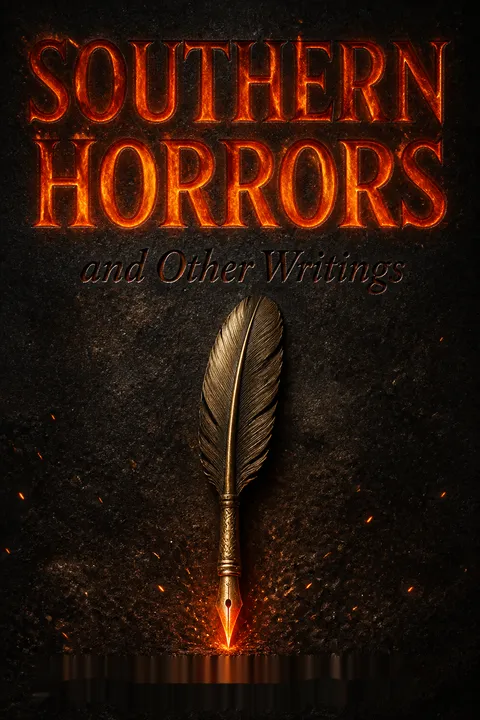
Southern Horrors and Other Writings is a powerful collection of Ida B. Wells' anti-lynching pamphlets. Readers describe it as eye-opening, disturbing, and essential reading. Many praise Wells' bravery, investigative skills, and persuasive writing. The book exposes the brutal reality of lynching in the post-Reconstruction South, challenging common justifications for the practice. Reviewers emphasize the importance of confronting this dark history and note parallels to modern racial issues. While difficult to read, the book is widely recommended for its historical significance and Wells' pioneering civil rights work.
People Also Read




About the Author
Other books by Ida B. Wells-Barnett
Download PDF
Download EPUB
.epub digital book format is ideal for reading ebooks on phones, tablets, and e-readers.








































