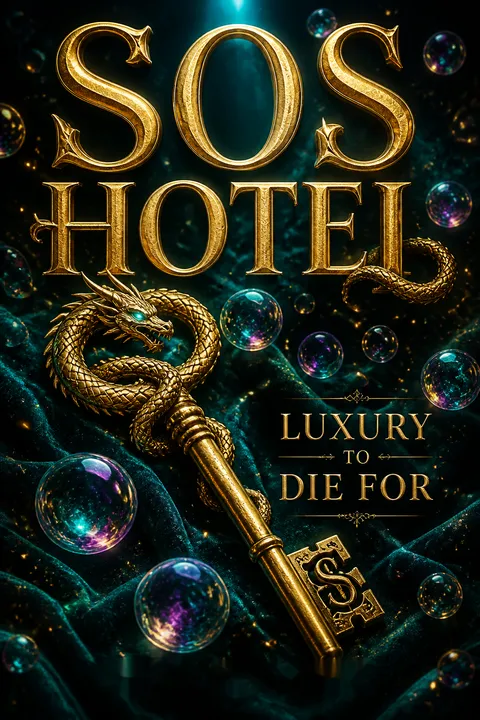

Plot Summary
Date Night Disaster Unfolds
Adam Vex, Zee, and their attempt at a simple, fancy dinner quickly devolves into mayhem when they realize their "exclusive" event is actually a brutal fight club for the city's elite. The evening, meant to be a respite from their usual supernatural drama, instead exposes them to the city's underbelly, where Lost Ones are forced to fight to the death for entertainment. Their presence draws unwanted attention, especially from Commissioner Musashi, whose personal vendetta against Zee erupts into a public altercation. Adam's attempt to keep a low profile is shattered, setting the tone for a night where nothing goes as planned and the trio's secrets are at risk of exposure.
Fight Club Revelations
As the fight club's true nature is revealed, Adam and Zee are horrified to witness Lost Ones coerced into deadly combat for the amusement of the wealthy. The event is sponsored by powerful entities, including Cain Developments and Brink Security, hinting at a larger, sinister network. Adam's empathy and sense of justice are triggered, and he and Zee resolve to intervene, despite the risks. Their plan to rescue the fighters is complicated by the realization that the participants are trapped by contracts and personal vendettas. The chapter sets up the moral stakes and the dangerous web of power that ensnares both the Lost Ones and the protagonists.
Rescue Gone Awry
Adam and Zee's attempt to free the fighters quickly spirals out of control. Their efforts are met with resistance—not only from the fighters themselves, who are entangled in their own grudges and pride, but also from the security forces running the event. The rescue devolves into chaos, with Adam's supernatural strength and Zee's demonic flair drawing even more attention. The pair barely escape, but not before Adam's actions and Zee's reputation leave a mark on the event and its organizers. The failed rescue underscores the complexity of saving those who may not want to be saved and the dangers of acting without a plan.
Viral Fame and Fallout
In the aftermath of the fight club fiasco, Adam's heroic (and bizarre) actions—most notably riding a werewolf through the venue—are captured on video and go viral. The city is abuzz with speculation about Adam's true nature, and the question "What is Adam Vex?" becomes a trending topic. The unwanted fame brings reporters, law enforcement, and supernatural authorities to the SOS Hotel's doorstep. Adam, Zee, and Victor must navigate the fallout, balancing the need to protect their secrets with the growing scrutiny. The chapter explores the cost of visibility and the fragility of their carefully constructed identities.
Bubble Trouble and Secrets
Zee's impulsive theft and use of mysterious bath beads from the fight club's backstage leads to a magical disaster: a flood of bubbles overtakes the hotel, drawing even more attention. Victor recognizes the beads as experimental devices meant to harvest or enhance supernatural energy, likely tied to Cain's schemes. The incident is both comic and ominous, highlighting the unpredictable consequences of meddling with unknown magic. It also foreshadows the larger threat posed by Cain's technology and the vulnerability of the hotel's wards and its inhabitants.
Agent Leomaris's Plea
Agent Leomaris, a formidable SSD operative with a personal stake, approaches Adam for help. Leomaris's lover, Delores, has gone missing—possibly a victim of the same fight club network. The agent's willingness to bend the rules and seek Adam's aid signals a shift in alliances and the blurring of lines between law enforcement and the Lost Ones. Adam agrees to help, recognizing a kindred desperation and the opportunity to strike at the heart of the fight club's operations. The chapter deepens the web of intrigue and sets up a partnership that will be crucial in the coming conflict.
Threesome Tensions Ignite
The emotional and sexual tension between Adam, Zee, and Victor comes to a head. Their unconventional relationship is tested by jealousy, miscommunication, and the stress of their circumstances. A series of mishaps—including a disastrous attempt at intimacy—forces them to confront their feelings and insecurities. The trio's bond is both a source of strength and vulnerability, and their ability to trust and support each other becomes essential as external threats mount. This chapter explores the psychological depth of their connection and the healing power of chosen family.
Power, Sex, and Wards
The trio's eventual reconciliation leads to an explosive night of sex and emotional vulnerability, which has unintended magical consequences. Their combined supernatural energies surge, causing the hotel's protective wards to expand uncontrollably and triggering a citywide power outage. The event is both literal and metaphorical, symbolizing the transformative power of love and unity, but also the dangers of unchecked power. The aftermath leaves them shaken, with Adam's curse and glamor destabilized, and the city's supernatural community on high alert.
The Dine and Fight Heist
Armed with new resolve and alliances, Adam, Zee, and Victor set out to sabotage the next major fight club event. Their plan involves distraction, infiltration, and the destruction of Cain's energy-harvesting machine. Zee's performance as a seductive showman captivates the crowd, allowing Adam and Victor to disable the harvester. The operation is a partial success, but the trio's actions draw the ire of Cain and his allies, setting the stage for a direct confrontation. The chapter highlights their resourcefulness and the escalating stakes of their rebellion.
Zee's Showstopper
Zee's dazzling act at the fight club becomes the centerpiece of the evening, enthralling the audience and masking the trio's sabotage. However, the spectacle also makes Zee a target, as Cain and Commissioner Musashi manipulate events to frame him for enthralling humans and inciting chaos. The line between entertainment and exploitation blurs, and Zee's agency is stripped away as he is forced into a rigged fight with Detective Somers. The chapter explores themes of consent, power, and the cost of being extraordinary in a world that fears difference.
Framed and Shackled
The aftermath of the fight is devastating: Detective Somers, under supernatural influence, dies in the ring, and Zee is blamed. Shackled with anti-magic restraints and publicly humiliated, Zee is taken away to a high-security facility. Adam and Victor are left reeling, their family torn apart and their faith in justice shattered. The event galvanizes their resolve to fight back, but also exposes the vulnerability of even the most powerful when the system is rigged against them. The chapter is a turning point, marking the loss of innocence and the beginning of open rebellion.
Jailbreak at Dawn
Refusing to abandon Zee, Adam and Victor rally their allies—including a cadre of sex demons and a werewolf—for a high-stakes jailbreak. The operation is chaotic but ultimately successful, freeing Zee and several other imprisoned Lost Ones. The rescue cements the trio's bond and their commitment to each other, but also marks them as outlaws in the eyes of the authorities. The chapter is a testament to the power of community and the lengths to which the protagonists will go for those they love.
Aftermath and New Resolve
In the wake of the jailbreak, the trio regroups at Razorsedge, tending to wounds both physical and emotional. They reflect on their failures and the cost of their actions, but also on the strength of their chosen family. New information about Cain's operations and the fate of missing allies spurs them to action. The chapter is a moment of introspection and renewed determination, as Adam, Zee, and Victor prepare for the final confrontation with Cain and the corrupt system he represents.
The Finale Approaches
With the fight club's grand finale looming, Adam and his allies plot to free the remaining imprisoned Lost Ones and expose Cain's machinations. Madame Matase reveals her deeper connection to Adam, affirming his identity and destiny. The trio's unity is stronger than ever, but the risks are higher: Adam's glamor is failing, his curse is weakening, and the enemy is more powerful than ever. The chapter builds tension and anticipation for the climactic battle, emphasizing the themes of identity, sacrifice, and the power of found family.
The Commissioner's Challenge
To secure the freedom of the Lost Ones, Adam challenges Commissioner Musashi to a public duel. The fight is a spectacle, with Adam using both cunning and a secret magical boost to overcome the odds. The victory is bittersweet, as it comes at the cost of further exposing Adam's true nature and drawing Cain's attention. The chapter is a culmination of Adam's journey from hiding to heroism, and the consequences of stepping into the light.
The Dragon Unleashed
In the aftermath of the fight, Cain's machinations come to fruition: a hidden harvester beneath the ring siphons Adam's power, forcibly breaking his curse and glamor. For a brief, glorious moment, Adam's dragon form is unleashed before being stripped away, leaving him powerless and exposed. Cain claims Adam's essence, becoming the most powerful being in the world. The chapter is both triumphant and tragic, marking the end of Adam's secrecy and the beginning of a new, more dangerous era.
Cain's Triumph
With Adam's power in hand, Cain ascends to a position of unassailable strength. Zee and Victor are battered and unable to stop him, and the city's supernatural community is thrown into chaos. Adam, now truly human and vulnerable, is left to grapple with the loss of his identity and the enormity of what has been unleashed. The chapter is a dark turning point, setting up the final struggle for the soul of the city and the fate of the Lost Ones.
Human, After All
Adam's new humanity is both a curse and a revelation. Stripped of his supernatural abilities, he must rely on the support of Zee, Victor, and their allies. The trio's relationship is tested by Adam's vulnerability, but also deepened by their commitment to each other. The chapter explores themes of mortality, resilience, and the enduring strength of love in the face of loss.
A New Plan Forms
Despite their setbacks, Adam and his allies refuse to give up. A new plan takes shape, involving unlikely alliances and a renewed determination to reclaim what was lost. The arrival of Sebastien, offering a way to defeat Cain, signals that the fight is far from over. The chapter ends on a note of hope and defiance, as the SOS Hotel family prepares for the next—and possibly final—battle.
Analysis
A modern fable of identity, power, and found family"SOS Hotel: Luxury to Die For" is a riotous, heartfelt, and subversive urban fantasy that uses supernatural spectacle to explore deeply human questions. At its core, the novel is about the struggle to belong in a world that fears and exploits difference. Adam's journey from hiding to heroism, Zee's reclamation of agency, and Victor's path to vulnerability are all variations on the theme of self-acceptance and the transformative power of love. The fight club, magical technology, and viral fame are not just plot devices but metaphors for real-world systems of oppression, surveillance, and commodification. The story's humor and irreverence are not distractions but tools for survival, allowing the characters—and readers—to confront darkness without losing hope. Ultimately, the novel argues that true power lies not in domination or secrecy, but in the courage to be seen, the willingness to fight for others, and the creation of chosen family. In a world where the lines between human and monster, friend and foe, are constantly shifting, "SOS Hotel" offers a vision of community, resilience, and the possibility of redemption.
People Also Read


Characters
Adam Vex
Adam is the emotional and moral center of the story, a Lost One hiding under a human glamor and burdened by a powerful curse. His journey is one of self-acceptance, moving from denial and secrecy to open defiance and leadership. Adam's relationships with Zee and Victor are both his greatest strength and vulnerability, grounding him in love but exposing him to loss. Psychologically, Adam is marked by trauma, guilt, and a deep longing for belonging. His development is a gradual embrace of his true self, culminating in the ultimate sacrifice of his power for the greater good. Adam's arc is about the courage to be seen, the pain of vulnerability, and the transformative power of chosen family.
Zee (Zodiac)
Zee is a flamboyant, irreverent sex demon whose humor and bravado mask deep wounds and insecurities. Once a victim of exploitation, Zee uses sex and performance as both shield and weapon. His relationship with Adam and Victor is complex—he craves love and acceptance but fears abandonment and pain. Zee's arc is about reclaiming agency, learning to trust, and discovering his own worth beyond sex and spectacle. His loyalty is fierce, and his willingness to risk everything for those he loves is both his greatest strength and his Achilles' heel. Zee's journey is one of healing, self-discovery, and the realization that he is more than the roles others have forced upon him.
Victor Reynard
Victor is the embodiment of old-world power and restraint, a former CEO and vampire noble whose life has been upended by loss and exile. His relationship with Adam and Zee challenges his rigid self-control and forces him to confront his own capacity for love and vulnerability. Victor's psychological landscape is shaped by guilt, pride, and a longing for redemption. He is both a mentor and a partner, offering wisdom and strength but also struggling with his own demons. Victor's development is a movement from isolation to intimacy, from cold calculation to passionate commitment. His arc is about learning to let go, to trust, and to fight for something greater than himself.
Gideon Cain
Cain is the shadowy architect of much of the story's conflict, orchestrating the fight clubs, exploiting Lost Ones, and ultimately seeking to harness Adam's power for his own ends. He is a study in ambition and amorality, using others as pawns and hiding behind layers of respectability. Cain's psychological profile is one of narcissism, control, and a hunger for transcendence. He represents the dangers of unchecked power and the dehumanization of the other. Cain's role is both antagonist and dark mirror, forcing the protagonists to confront their own capacity for ruthlessness and the cost of victory.
Agent Elion Leomaris
Leomaris is a complex figure, torn between duty and personal loyalty. Their quest to find Delores humanizes them and brings them into uneasy alliance with Adam and his friends. Leomaris's psychological makeup is defined by discipline, honor, and a willingness to bend the rules for those they care about. Their development is a movement from rigid enforcer to compassionate collaborator, embodying the possibility of change within corrupt systems.
Madame Matase
Madame Matase is the hotel's receptionist and magical protector, but her role is far deeper—she is a Romani guardian with knowledge of Adam's true identity and destiny. She offers guidance, comfort, and practical magic, serving as a stabilizing force amid chaos. Psychologically, she is nurturing, shrewd, and quietly powerful, embodying the wisdom of tradition and the strength of community.
Tom Collins
Tom is both comic relief and a symbol of the story's blurred boundaries between magic and technology. His mysterious origins and dry wit mask a longing for connection and purpose. Tom's arc is about self-discovery and the search for identity, paralleling Adam's journey. He is a confidant, therapist, and occasional enabler, providing both practical support and existential commentary.
Commissioner Paul Musashi
Musashi is a figure of authority corrupted by power and prejudice. His vendetta against Zee and complicity in the fight clubs make him a formidable obstacle. Psychologically, Musashi is driven by insecurity, pride, and a need for control. His downfall is both a personal tragedy and a symbol of systemic rot. Musashi's arc is a cautionary tale about the dangers of unchecked authority and the ease with which good intentions can be twisted.
Princess Daisy
Daisy is a secondary antagonist whose rise to power complicates the protagonists' struggle. She is cunning, ruthless, and opportunistic, willing to ally with Cain for her own gain. Psychologically, Daisy is driven by ambition and a desire to escape her mother's shadow. Her development is a study in the corrupting influence of power and the unpredictability of alliances.
Sebastien
Sebastien is a recurring antagonist whose shifting loyalties and self-interest make him both a threat and a possible asset. His arrival at the end signals new complications and the possibility of redemption—or betrayal. Psychologically, Sebastien is narcissistic, cunning, and deeply wounded, embodying the story's themes of survival and the blurred lines between friend and foe.
Plot Devices
Fight Club as Social Critique
The fight club is both literal and metaphorical—a spectacle of exploitation that mirrors the real-world commodification of marginalized bodies. It serves as a crucible for the characters' moral choices and a stage for the story's central conflicts. The club's sponsorship by powerful entities like Cain Developments and Brink Security highlights the intersection of wealth, power, and corruption. The device allows for high-stakes action, character development, and social commentary, while also providing a backdrop for the protagonists' rebellion.
Magical Technology and Harvesters
The use of magical devices—bath beads, harvesters, anti-magic restraints—blurs the line between magic and technology, symbolizing the dangers of unchecked innovation and the exploitation of the other. These devices are both plot catalysts and metaphors for the extraction of value from marginalized communities. Their presence drives the narrative, escalating the stakes and forcing the characters to confront the consequences of their actions.
Viral Fame and Public Scrutiny
Adam's accidental rise to fame serves as both a blessing and a curse, exposing him to new dangers and forcing him to confront his own identity. The viral video is a plot device that accelerates the story's pace, brings new players into the game, and heightens the tension between secrecy and self-acceptance. It also reflects contemporary anxieties about surveillance, reputation, and the power of narrative.
Love Triangle and Chosen Family
The central relationship between Adam, Zee, and Victor is a narrative engine, driving both plot and character development. Their dynamic is a microcosm of the story's themes: trust, vulnerability, and the search for belonging. The love triangle is not a source of jealousy but a model of mutual support and healing, challenging traditional notions of romance and family. It also serves as a counterpoint to the story's darker elements, offering hope and resilience.
Foreshadowing and Prophecy
The recurring motif of prophecy and destiny shapes the characters' choices and the story's structure. Foreshadowing is used to build suspense and deepen the narrative, hinting at future conflicts and the true nature of Adam's power. The tension between fate and free will is a central theme, explored through both plot twists and character arcs.
Narrative Structure and Tone
The story's structure is episodic, moving from crisis to crisis with a blend of dark humor, action, and emotional depth. The use of first-person narration, witty dialogue, and meta-commentary creates an engaging, self-aware tone that balances the story's heavier themes. The narrative is both a parody and a celebration of urban fantasy, subverting genre conventions while delivering genuine emotional stakes.
SOS Hotel Series Series

Download PDF
Download EPUB
.epub digital book format is ideal for reading ebooks on phones, tablets, and e-readers.








































