
Plot Summary
Escape Into Chaos
The story erupts with Brooklyn's violent abduction from a burning asylum, setting Niall and Mateo on a frenzied chase. Their world is one of chaos, violence, and dark humor, where the law is a distant threat and obsession is the only compass. As they crash through barriers—literal and emotional—their singular focus is Brooklyn, the wild, unpredictable force who has upended their lives. The escape is not just from physical captivity but from the suffocating routines of their own monstrous existences. The adrenaline, the pain, and the reckless camaraderie between Niall and Mateo set the tone: love and violence are inseparable, and the only way out is through the fire.
Drowning in the Dark
Brooklyn, chained and drugged, is trapped in a sinking prison transport, surrounded by the criminally insane. The threat of drowning is visceral, but her refusal to die quietly—her need for drama, for a "bloody and brutal" end—reveals her defiant spirit. The chaos inside the bus mirrors the chaos in her mind, and her connection with Angry Jack, a silent, hulking presence, becomes a lifeline. As the water rises, alliances form and break, and Brooklyn's resourcefulness and madness become her salvation. The escape is harrowing, a baptism in blood and river water, and marks the beginning of a new, more dangerous freedom.
The Web of Obsession
Jack, Niall, and Mateo are each ensnared by Brooklyn's unique brand of insanity and vulnerability. Their obsessions are not just sexual but existential—she is the answer to their emptiness, the spark in their darkness. The narrative delves into the psychology of obsession: Jack's silent devotion, Niall's guilt-ridden need to protect, and Mateo's possessive hunger. Brooklyn, for her part, is both victim and spider, weaving her web around these men, drawing them into her world of violence, humor, and unpredictable affection. Their relationships are forged in trauma and tested by the ever-present threat of betrayal.
Blood and Betrayal
The group's escape is marked by bloodshed—murders, betrayals, and the constant threat of being hunted. Niall's past, haunted by the loss of his wife Ava, bleeds into his present, fueling his need to protect Brooklyn at all costs. Mateo's cartel history and Jack's mysterious scars add layers of danger and mistrust. The violence is not gratuitous but necessary, a language they all speak. Betrayal is always a possibility, but so is unexpected loyalty. The group's survival depends on their willingness to kill for each other, and the lines between love and violence blur until they are indistinguishable.
The Devil's Bargain
As the group seeks refuge, they are forced to make bargains—with each other, with their own demons, and with outside forces. Niall's family, a criminal dynasty, demands loyalty and obedience, threatening to tear the group apart. Mateo's connections to the cartel bring new dangers and old enemies. Brooklyn's past, marked by abuse and institutionalization, haunts her decisions. Each character must decide what they are willing to sacrifice for freedom and for each other. The bargains they strike are never clean; every victory comes with a cost, and every alliance is tinged with the possibility of betrayal.
The Society Forms
In the aftermath of chaos, Brooklyn declares the formation of the Society of Psychos—a club where the only rule is loyalty to each other and the pursuit of vengeance. The group's dynamic shifts from survival to purpose: they are no longer just running, but hunting. The kill list becomes their manifesto, and each member finds a role within the society. Brooklyn is the queen, Niall the enforcer, Mateo the strategist, Jack the silent strength, and Brutus the loyal beast. Their bond is sealed in blood and humor, and the society becomes both a family and a weapon.
The Hunt for Vengeance
The Society's mission crystallizes around Brooklyn's kill list—a ledger of those who have wronged her and others like her. Each name is a story of abuse, betrayal, or violence, and each kill is both justice and catharsis. The group's methods are creative, brutal, and often darkly comedic. The hunt is not just for revenge but for meaning; in killing those who prey on the vulnerable, they reclaim agency and rewrite their own narratives. The list becomes a map of their journey, and each crossed-out name brings them closer to a twisted sense of peace.
Chains and Collars
Physical and psychological bondage is a recurring motif—collars, handcuffs, and the ever-present threat of violence. These symbols of control are both oppressive and erotic, reflecting the group's complex relationships with power. Niall's use of shock collars to control Mateo and Jack is both a practical measure and a test of loyalty. Brooklyn's willingness to submit, to be both victim and queen, challenges traditional power dynamics. The group's exploration of dominance and submission is not just sexual but existential; in a world that has tried to break them, they find freedom in choosing their own chains.
The Dance of Madness
Brooklyn's madness is not a weakness but a superpower. Her unpredictable behavior, wild humor, and refusal to conform make her both a liability and an asset. The group learns to embrace their own forms of insanity, using it to outwit enemies and survive impossible situations. The narrative celebrates the beauty of madness—the way it allows for creativity, resilience, and connection. The dance of madness is both literal and metaphorical, as the group navigates a world that is itself insane, finding joy and meaning in the chaos.
The Kill List Shrinks
As the Society works through Brooklyn's kill list, each victory is bittersweet. The deaths are often brutal, but they bring closure and a sense of justice. However, the violence also takes a toll, deepening the group's trauma and testing their bonds. The closer they get to the end of the list, the more they realize that peace is not just about eliminating enemies but about finding a way to live with themselves and each other. The journey is as much about healing as it is about revenge, and the group must confront the possibility that their greatest enemy is within.
The Cartel's Shadow
Mateo's past with the cartel resurfaces, bringing new dangers and forcing the group to confront their own mortality. The arrival of Carmen, Mateo's deadly cousin, offers a chance at redemption but also a reminder that the past is never truly gone. The group must navigate shifting alliances, betrayals, and the ever-present threat of violence. The cartel's shadow looms over their newfound family, testing their loyalty and forcing them to make impossible choices. In the end, survival depends on their willingness to trust each other and to fight for the family they have chosen.
Family of Monsters
The Society's greatest strength is their bond—a family forged in violence, madness, and love. They are monsters, but they are each other's monsters, and that makes all the difference. The narrative explores the idea that family is not about blood but about choice, loyalty, and shared purpose. The group's dynamic is constantly shifting, but their commitment to each other is unwavering. Together, they create a home in the chaos, a place where they can be themselves—broken, dangerous, and loved.
The Price of Freedom
Freedom is never free, and the Society pays a heavy price for theirs. The deaths of enemies bring relief but also grief, and the constant threat of violence means that peace is always temporary. The group must confront their own limitations, their capacity for cruelty, and the possibility that they are becoming the very monsters they hunt. The price of freedom is not just blood but the willingness to face the darkness within and to choose love over vengeance, even when it hurts.
The Queen's Reign
Brooklyn's journey from victim to queen is complete. She is no longer just surviving but ruling—over her own life, over the Society, and over the men who love her. Her reign is marked by chaos, humor, and a refusal to be tamed. The group's dynamic shifts to accommodate her power, and she becomes the heart of their family. Her madness is celebrated, her wounds are honored, and her love is the glue that holds them all together. The Queen's reign is not peaceful, but it is hers, and that is enough.
Death and Resurrection
The death of Brutus, the loyal dog, is a moment of real grief, a reminder that even monsters are not immune to loss. The group's efforts to hide his death from Brooklyn, to protect her from the pain, reveal the depth of their love and the lengths they will go to for each other. The arrival of a new, equally vicious dog is both a joke and a symbol of the Society's resilience. They are constantly reinventing themselves, finding new ways to survive and to love in a world that wants them dead.
Full House of Psychos
Years pass, and the Society grows—children, new friends, and ever more elaborate adventures. The chaos is never-ending, but it is joyful, a celebration of survival and chosen family. The group's dynamic evolves, but the core remains the same: loyalty, love, and a willingness to embrace the madness. The narrative becomes a tapestry of memories, each one a testament to the power of found family and the beauty of living on one's own terms.
The Last Kill
The final name on Brooklyn's kill list is crossed out in a blaze of violence and catharsis. The Society's journey comes full circle, and the group is finally able to lay their ghosts to rest. The last kill is not just about revenge but about reclaiming agency, about proving that they are more than the sum of their traumas. The victory is bittersweet, but it is theirs, and it marks the beginning of a new chapter.
Happily Ever After Mayhem
The story ends not with a return to normalcy but with an embrace of the chaos that has defined the Society from the beginning. Their happily ever after is messy, violent, and full of laughter—a testament to the power of love, madness, and chosen family. They are still monsters, still dangerous, but they are each other's monsters, and that is enough. In the end, the Society of Psychos is not just a club but a home, a place where even the most broken souls can find belonging.
Analysis
Society of Psychos is a riotous, subversive celebration of found family, trauma, and the beauty of madness. At its core, the novel is a love letter to survivors—those who have been broken by the world and have chosen to build something new from the wreckage. The story refuses to pathologize insanity, instead embracing it as a source of strength, creativity, and connection. Brooklyn's journey from victim to queen is both cathartic and empowering, challenging traditional narratives of healing and agency. The Society's violence is both a survival strategy and a form of justice, a way of reclaiming power in a world that has tried to strip it away. The novel's humor, dark eroticism, and relentless chaos are not just stylistic choices but acts of resistance—against conformity, against despair, against the idea that broken people cannot find love or meaning. In the end, Society of Psychos is a testament to the power of chosen family, the necessity of embracing one's own darkness, and the possibility of finding peace—not in the absence of chaos, but in its joyful embrace.
Review Summary
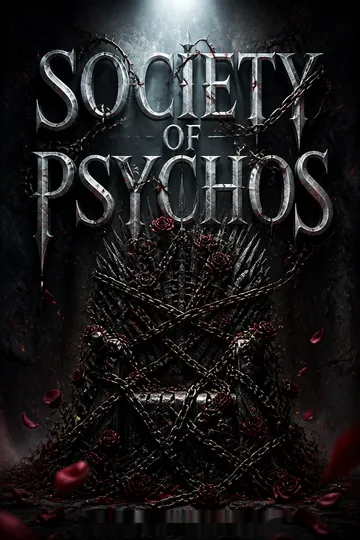
Society of Psychos is a dark, humorous reverse harem romance that concludes the Dead Men Walking duet. Readers praised the chaotic characters, especially Brooklyn and Niall, and their wild adventures. The book features intense action, steamy scenes, and witty banter. While some found Brooklyn's immaturity off-putting, many enjoyed the unconventional love story and satisfying ending. The authors' writing style and ability to create unique characters were highly commended. Overall, fans of dark romance and reverse harems found this a entertaining and fitting conclusion to the series.
People Also Read
Characters
Brooklyn Meadow (O'Brien)
Brooklyn is the heart and soul of the Society—a survivor of abuse, institutionalization, and betrayal, whose madness is both her shield and her weapon. Her humor, unpredictability, and refusal to conform make her both a liability and an asset, drawing others into her orbit and binding them with loyalty and love. Psychologically, Brooklyn is a study in resilience: her trauma has not broken her but transformed her, giving her a unique perspective on power, vulnerability, and agency. Her relationships with Niall, Mateo, and Jack are complex, marked by both submission and dominance, love and violence. Over the course of the story, Brooklyn evolves from victim to queen, claiming her own narrative and building a family out of monsters. Her journey is one of self-acceptance, healing, and the celebration of madness as a source of strength.
Niall O'Brien
Niall is a man defined by loss, guilt, and a relentless need to protect those he loves. The death of his wife Ava haunts him, fueling both his violence and his tenderness. As the leader of the Society, Niall is both enforcer and caretaker, wielding power with a mix of brutality and dark humor. His relationship with Brooklyn is both redemptive and destructive—she is his chance at salvation, but also a constant reminder of his failures. Psychologically, Niall is torn between his monstrous instincts and his longing for connection. His journey is one of learning to trust, to let go of control, and to accept love even when he feels unworthy. His dynamic with Mateo and Jack is fraught with rivalry, but ultimately rooted in mutual respect and shared trauma.
Mateo Ortega
Mateo is the Society's tactician—a former cartel enforcer whose intelligence and ruthlessness are matched only by his capacity for loyalty. His past is a shadow that follows him, bringing both danger and depth to the group. Mateo's relationship with Brooklyn is marked by possessiveness and devotion; she is both his sun and his undoing. With Niall, he shares a rivalry that evolves into a grudging partnership, each recognizing the other's strengths and weaknesses. Psychologically, Mateo is driven by a need for control, a fear of vulnerability, and a longing for redemption. His journey is one of learning to trust, to let others in, and to find peace in the chaos he once tried to escape.
Angry Jack (AJ)
Jack is the Society's muscle—a hulking, scarred figure whose silence masks a sharp mind and a deep well of emotion. His devotion to Brooklyn is absolute, bordering on obsession, and his willingness to follow orders is both a survival strategy and a form of love. Jack's past is shrouded in mystery, marked by violence and betrayal, but his actions speak louder than words. Psychologically, Jack is a study in repression and release: his rage is both a weapon and a burden, and his moments of vulnerability are all the more powerful for their rarity. His relationship with Niall and Mateo is one of mutual respect, forged in battle and sealed in blood.
Brutus
Brutus is more than just a dog—he is a member of the Society, a survivor of abuse, and a symbol of the group's capacity for both violence and love. His presence is a constant reminder of the thin line between monster and protector, and his loyalty is unwavering. Brutus's death is a moment of real grief, a testament to the group's humanity and their willingness to fight for those they love. His reincarnation as a new, equally vicious dog is both a joke and a symbol of the Society's resilience.
Carmen Ortega
Carmen is Mateo's cousin and a lieutenant in the Castillo Cartel—a woman as ruthless as she is intelligent. Her arrival brings both danger and opportunity, forcing the Society to confront their past and make new bargains for survival. Carmen's relationship with Mateo is complex, marked by shared trauma and mutual respect. Psychologically, she is a survivor, a strategist, and a reminder that even in a world of monsters, there are degrees of darkness.
Anastasia
Anastasia is Niall's would-be fiancée, a woman whose beauty and ambition mask a deep well of insecurity and rage. Her obsession with Niall is both a mirror and a foil to Brooklyn's, and her eventual downfall is a testament to the dangers of unchecked desire. Psychologically, Anastasia is driven by a need for power, validation, and control—a need that ultimately destroys her.
Liam O'Brien
Liam is Niall's father and the head of the O'Brien crime family—a man whose cruelty and cunning have shaped his children into monsters. His relationship with Niall is marked by both pride and disappointment, love and violence. Psychologically, Liam is a study in the corrupting influence of power, the dangers of legacy, and the impossibility of redemption. His death is both an ending and a beginning, freeing Niall to claim his own destiny.
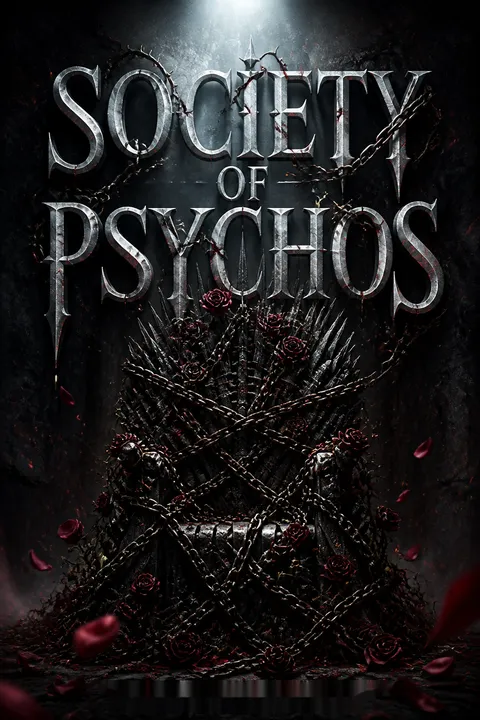
The Society of Psychos
The Society is more than the sum of its parts—a family forged in violence, madness, and love. Each member brings their own wounds, strengths, and obsessions, and together they create a home in the chaos. Psychologically, the Society is a study in the power of chosen family, the beauty of madness, and the possibility of healing through connection. Their journey is one of survival, vengeance, and the relentless pursuit of meaning in a world that wants them dead.
The Kill List
The kill list is both a plot device and a symbol—a ledger of wrongs, a roadmap for the Society's journey, and a testament to the power of agency. Each name is a story, each kill a step towards closure. Psychologically, the list is a way for Brooklyn and the others to reclaim control, to rewrite their own narratives, and to find peace in the aftermath of trauma.
Plot Devices
Nonlinear, multi-perspective narrative
The story unfolds through multiple perspectives—primarily Brooklyn, Niall, Mateo, and Jack—each offering a unique lens on the events and relationships. This structure allows for deep psychological exploration, revealing the inner workings of obsession, trauma, and healing. The nonlinear timeline, with flashbacks and time jumps, mirrors the chaos of the characters' lives and minds, creating a sense of disorientation that is both intentional and immersive. The use of humor, violence, and dark eroticism as narrative tools blurs the line between horror and comedy, love and madness.
The Kill List as a structural device
Brooklyn's kill list is both a literal and metaphorical device, structuring the narrative around a series of missions that bring the Society together and test their bonds. Each name on the list is a story, a trauma, and a challenge, and the process of crossing them out becomes a journey of healing and self-discovery. The list also serves as a map of the Society's evolution, marking their transition from victims to avengers, from survivors to rulers of their own destinies.
Symbolism of chains, collars, and bondage
The recurring imagery of chains, collars, and bondage reflects the characters' complex relationships with power, submission, and freedom. These symbols are both oppressive and erotic, representing the ways in which trauma can be both a prison and a source of strength. The group's exploration of dominance and submission is not just sexual but existential, challenging traditional power dynamics and celebrating the beauty of chosen chains.
Humor and madness as survival mechanisms
The narrative's use of humor—often absurd, dark, and self-referential—is both a coping mechanism and a weapon. Brooklyn's madness is celebrated, not pathologized, and the group's willingness to embrace their own insanity becomes a source of resilience and connection. The dance of madness is both literal and metaphorical, allowing the characters to survive and thrive in a world that is itself insane.
Found family and chosen loyalty
The Society's bond is the story's emotional core—a chosen family forged in violence, madness, and love. Their loyalty to each other is both a weapon and a shield, allowing them to survive impossible odds and to find meaning in the chaos. The narrative challenges traditional notions of family, celebrating the power of chosen bonds and the beauty of loving one's own monsters.
Foreshadowing and cyclical structure
The story is rich with foreshadowing and callbacks—repeated motifs, jokes, and symbols that create a sense of continuity and emotional resonance. The cyclical structure, with time jumps and echoes of past events, reinforces the idea that healing is not linear, that trauma and love are both ongoing processes. The ending, with its embrace of chaos and mayhem, is both a return to the beginning and a celebration of how far the characters have come.
Dead Men Walking Series Series
About the Author
Other books by Caroline Peckham


Download PDF
Download EPUB
.epub digital book format is ideal for reading ebooks on phones, tablets, and e-readers.








































