
Plot Summary
Earthquake Warnings and Sibling Rifts
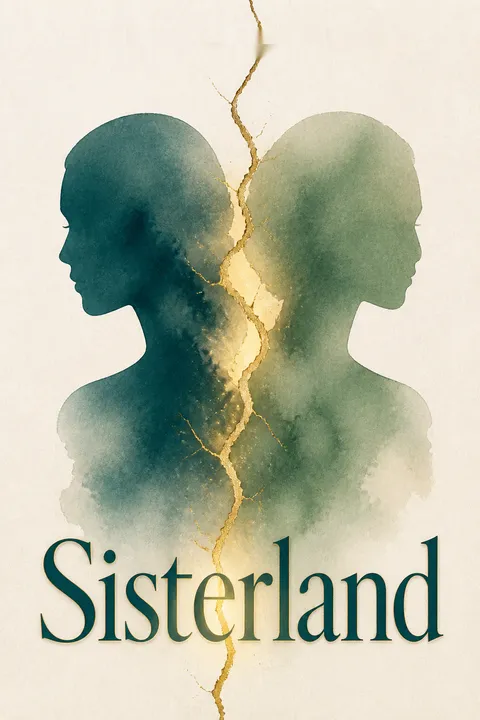
Kate and Violet, identical twins with psychic abilities, have grown apart as adults. Kate, now a cautious mother and wife, suppresses her "senses" to live a normal life, while Violet embraces her psychic identity, working as a medium. When Violet publicly predicts a devastating earthquake in St. Louis, she ignites a media frenzy and divides the sisters. Kate is torn between embarrassment and concern, fearing for her family's safety and the exposure of their secret. The earthquake prediction becomes a catalyst, forcing both women to confront their shared past and the choices that have shaped their lives. The tension between public spectacle and private anxiety sets the stage for a reckoning neither can avoid.
The Senses: A Family Secret
Growing up, Kate and Violet's psychic abilities—"the senses"—were both a source of wonder and alienation. Their mother, emotionally distant and disappointed by life, offered little comfort, while their father remained quietly supportive but reserved. Early premonitions, like foreseeing a neighbor's house fire, marked the twins as different. Their abilities, once a secret bond, became a wedge as adolescence approached. The family's silence around their mother's depression and the girls' gifts fostered a sense of isolation. The sisters' psychic experiences, misunderstood and feared, would shape their identities and relationships, casting long shadows over their futures.
Diverging Paths, Shared Gifts
As adults, Kate and Violet embody two responses to their psychic inheritance. Kate, desperate for normalcy, marries Jeremy, has children, and buries her abilities, seeking safety in routine. Violet, unmoored and flamboyant, builds her life around her psychic work, embracing the attention and chaos it brings. Their choices reflect deeper wounds: Kate's fear of exposure and Violet's hunger for validation. Despite their differences, the sisters remain bound by their shared past and the knowledge that their gifts, denied or celebrated, cannot be fully escaped. The earthquake prediction brings their divergent lives into collision, testing the limits of loyalty and self-preservation.
Public Predictions, Private Fears
Violet's earthquake prophecy thrusts her into the spotlight, drawing skepticism, ridicule, and fascination. Kate, mortified by the attention, struggles to protect her family from the fallout. Friends and neighbors react with a mix of concern and amusement, while the local media amplifies the spectacle. The sisters' father, quietly supportive, becomes an unwitting participant. As the predicted date approaches, anxiety mounts—emergency supplies are stockpiled, routines are disrupted, and relationships fray. The public drama exposes private insecurities, forcing Kate to confront her own fears about motherhood, marriage, and the legacy of her family's secrets.
Adolescence: Outcasts and Witches
In middle school, the twins' psychic abilities become a source of ridicule and suspicion. A disastrous slumber party leads to rumors of witchcraft, and the sisters are branded as outcasts. Kate, desperate to fit in, betrays their secret to gain acceptance, while Violet reacts with defiance. The trauma of social exile cements their outsider status and deepens their bond, even as it sows seeds of resentment. These formative experiences haunt them into adulthood, shaping their responses to crisis and their understanding of loyalty, shame, and the cost of being different.
Motherhood, Marriage, and Denial
Kate's adult life is defined by her efforts to suppress her psychic abilities and conform to societal expectations. Marriage to Jeremy and the demands of motherhood offer structure and comfort, but also expose her vulnerabilities. The earthquake prediction disrupts her carefully constructed world, forcing her to confront the limits of control and the persistence of fear. Kate's denial of her gifts becomes a metaphor for the compromises and self-deceptions of adulthood. As she navigates the challenges of parenting, marriage, and family loyalty, she must reckon with the parts of herself she has tried to bury.
The Psychic Goes Public
Violet's embrace of her psychic identity brings her both notoriety and isolation. The media frenzy surrounding her earthquake prediction offers validation but also exposes her to criticism and exploitation. A Hollywood publicist is hired, and Violet becomes a national curiosity. The attention strains her relationships, especially with Kate, who resents the intrusion into her private life. Violet's authenticity and recklessness are both her strength and her undoing. As the predicted date nears, she is forced to confront the consequences of her actions and the limits of her power.
Childhood Shadows and Adult Choices
The sisters' upbringing—marked by a distant mother, a reticent father, and the burden of secrecy—continues to influence their adult choices. Kate's anxiety and need for control, Violet's craving for attention, and their complicated relationship with their parents all play out in the present crisis. The legacy of their mother's depression and their father's quiet support is felt in their responses to stress, loyalty, and forgiveness. The past is never far away, and the unresolved wounds of childhood resurface in moments of crisis, demanding reckoning and, perhaps, healing.
The Weight of Premonition
As the day of the predicted earthquake approaches, tension reaches a breaking point. Kate's anxiety intensifies, straining her marriage and friendships. The sisters' relationship is tested by old resentments and new betrayals. The public's reaction to Violet's prophecy—ranging from panic to mockery—mirrors the sisters' internal turmoil. When a tragic accident at a day care center is narrowly avoided due to parents keeping children home, the line between coincidence and premonition blurs. The burden of responsibility—real or imagined—becomes almost unbearable, forcing both women to question the meaning and cost of their gifts.
The Day of Reckoning
October 16 arrives, and no earthquake occurs. Relief and disappointment mingle as the sisters, their family, and the city grapple with the aftermath. Violet faces public humiliation but is also credited with preventing tragedy at the day care. Kate, exhausted and emotionally raw, must confront the fallout in her marriage and her own sense of self. The crisis exposes the fragility of the lives they have built and the enduring power of fear, hope, and the need for connection. The day's anticlimax is both an ending and a beginning, forcing a reckoning with truth, forgiveness, and the possibility of change.
Aftershocks: Consequences and Confessions
In the wake of the failed prediction, the sisters' relationship is further strained by confessions and betrayals. Kate's infidelity with her friend Hank, and the resulting pregnancy, threaten to destroy her marriage and her sense of self. The revelation forces difficult choices about honesty, loyalty, and the meaning of family. Violet, too, must reckon with the limits of her power and the cost of her authenticity. The aftershocks of the crisis ripple through their lives, exposing vulnerabilities and demanding new forms of courage and forgiveness.
Betrayal, Forgiveness, and Moving On
Kate and Jeremy struggle to rebuild their marriage in the face of betrayal and uncertainty. The decision to move away from St. Louis offers a chance for reinvention but also entails loss and grief. Violet finds stability in a new relationship, while Kate learns to accept the complexity of her own choices and the impossibility of perfect control. The sisters, changed but still connected, navigate the challenges of forgiveness, self-acceptance, and the ongoing work of family. The story ends not with resolution, but with the recognition that life's messiness is inescapable—and that love, in all its forms, endures.
Sisterland: The Bonds That Remain
Despite everything—betrayal, distance, disappointment—the bond between Kate and Violet endures. Their shared history, their psychic gifts, and their mutual understanding form a "Sisterland" that cannot be dissolved by time or circumstance. As Kate reflects on the meaning of family, motherhood, and identity, she recognizes that the ties of sisterhood are both a burden and a blessing. The story closes with a sense of hard-won wisdom: that forgiveness is ongoing, that the past is never truly past, and that the love between sisters, however fraught, is a source of strength and solace.
Analysis
Sisterland is a nuanced exploration of the bonds and burdens of family, the longing for normalcy, and the inescapable pull of the past. Through the lens of psychic ability, Curtis Sittenfeld examines the universal human desire for certainty and control in a world defined by unpredictability. The novel interrogates the costs of denial and the courage required to face uncomfortable truths—about ourselves, our loved ones, and the limits of our power. At its heart, Sisterland is about the messy, enduring work of forgiveness: the ways in which we hurt and heal each other, the impossibility of perfect understanding, and the necessity of compassion. The story's refusal to offer tidy resolutions reflects the complexity of real life, where love and pain are intertwined, and where the search for meaning is ongoing. Ultimately, Sisterland suggests that while we may never fully escape the legacies of our families or the shadows of our own choices, we can find solace in connection, honesty, and the willingness to begin again.
Review Summary
Reviews of Sisterland are mixed, averaging 3.38/5. Many readers found the protagonist Kate (Daisy) unlikable, shallow, and frustrating, while her twin Vi was considered far more compelling. Common criticisms include excessive mundane detail, weak plot development, an unrealistic saintly husband, and a melodramatic ending. Some felt the psychic premise was underexplored. Positive reviewers praised Sittenfeld's authentic character psychology, realistic dialogue, and nuanced portrayal of sisterhood. The novel's domestic realism resonated with some while alienating others who found it insufferably slow.
People Also Read








Characters
Kate (Daisy) Tucker
Kate is the novel's narrator and emotional center, a woman defined by her longing for safety and her fear of exposure. As a child, her psychic abilities were both a source of wonder and a curse, marking her as different and fueling her desire to blend in. Her marriage to Jeremy and her devotion to motherhood are attempts to construct a life of order and predictability, but beneath the surface, she is haunted by anxiety, guilt, and the unresolved wounds of her upbringing. Kate's relationship with Violet is fraught with rivalry, resentment, and deep, unspoken love. Her journey is one of reluctant self-acceptance, as she learns that control is an illusion and that forgiveness—of herself and others—is both necessary and elusive.
Violet (Vi) Shramm
Violet is Kate's twin and foil, a woman who embraces her psychic gifts and the chaos they bring. Unconventional and attention-seeking, she is both endearing and exasperating, her authenticity a source of both strength and vulnerability. Violet's psychic work is a means of asserting her identity and finding purpose, but it also isolates her and exposes her to ridicule. Her relationship with Kate is central—marked by competition, loyalty, and a shared history that neither can escape. Violet's arc is one of self-realization: she learns the limits of her power, the cost of her choices, and the enduring value of love and forgiveness.
Jeremy Tucker
Jeremy is Kate's husband, a scientist whose skepticism and steadiness provide a counterpoint to the sisters' volatility. He is loving and patient, but his need for order and his discomfort with ambiguity create tension in his marriage. Jeremy's struggle is to reconcile his rational worldview with the messiness of emotion, betrayal, and the inexplicable. His relationship with Kate is tested by her secrets and his own pride, forcing him to confront the limits of forgiveness and the meaning of commitment. Jeremy's arc is one of endurance and adaptation, as he learns to accept imperfection in himself and those he loves.
Hank Wheeling
Hank is Kate's close friend and, briefly, her lover. As a stay-at-home father and a Black man married to a white scientist, he navigates multiple identities and expectations. Hank's warmth and humor make him a beloved figure, but he is also burdened by self-doubt and the pressures of nonconformity. His affair with Kate is both a moment of connection and a source of lasting regret. Hank's story is one of longing—for creative fulfillment, for acceptance, for a sense of belonging. His choices reverberate through the lives of those around him, illustrating the complexity of desire and the difficulty of forgiveness.
Courtney Wheeling
Courtney is Hank's wife and Jeremy's colleague, a successful scientist whose ambition and reserve mask deeper vulnerabilities. Her struggle with infertility and her decision to terminate a pregnancy after a Down syndrome diagnosis reveal her pragmatism and her pain. Courtney's relationship with Kate is marked by mutual respect and underlying tension, especially as the earthquake prediction brings private grief into public view. Courtney embodies the challenges of balancing professional achievement with personal fulfillment, and her story highlights the costs of secrecy and the necessity of compassion.
The Shramm Parents
Kate and Violet's parents are defined by absence and silence. Their mother, beautiful but deeply unhappy, is emotionally unavailable and ultimately succumbs to depression and early death. Their father, kind but reserved, offers quiet support but little guidance. The legacy of their parents' struggles shapes the sisters' identities, fueling both their anxieties and their strengths. The family's inability to communicate openly about pain, difference, and love becomes a central wound that the sisters must learn to heal in themselves and each other.
Rosie and Owen Tucker
Kate and Jeremy's young children are both a source of joy and a focal point for anxiety. Their well-being becomes the measure of Kate's success and the object of her deepest fears. Rosie's early illness and Owen's infancy are crucibles for Kate's growth as a mother, forcing her to confront the limits of control and the necessity of trust. The children's innocence and resilience offer hope for renewal and the possibility of breaking cycles of fear and secrecy.
Stephanie
Stephanie is Violet's partner, a woman whose warmth and steadiness provide much-needed balance. Her acceptance of Violet's quirks and her willingness to engage with the complexities of the Shramm family make her a quietly transformative presence. Stephanie's relationship with Violet offers a model of love that is both accepting and challenging, helping Violet to find stability and self-worth. Stephanie's presence also allows Kate to envision a future for Violet that is secure and loving, even as their own lives diverge.
Marisa Mazarelli
Marisa is a figure from the twins' adolescence, the popular girl whose betrayal and cruelty mark Kate and Violet as outsiders. Her presence in the narrative is a reminder of the enduring wounds of childhood and the ways in which social hierarchies shape identity. Marisa's later struggles with love and belonging mirror the sisters' own, suggesting that no one escapes the pain of longing and the search for acceptance.
Guardian
Guardian is the spiritual entity Violet claims as her guide, the source of her most powerful premonitions. Whether real or imagined, Guardian represents the mystery at the heart of the sisters' gifts—the possibility of knowledge beyond reason, the allure and danger of believing in something greater than oneself. Guardian's presence is both comforting and unsettling, a reminder of the limits of understanding and the enduring human need for meaning.
Plot Devices
Dual Narrative Structure
The novel weaves together past and present, using flashbacks to childhood and adolescence to illuminate the sisters' adult choices. This structure allows the reader to see how early experiences—family dynamics, social ostracism, formative betrayals—shape the characters' responses to crisis. The interplay between memory and current events creates a sense of inevitability and deepens the emotional resonance of the story.
Foreshadowing and Premonition
The motif of premonition operates on multiple levels: as a literal plot device (the earthquake prediction), as a metaphor for anxiety and the desire for control, and as a means of exploring the tension between destiny and agency. The sisters' psychic gifts are both a blessing and a curse, offering glimpses of possible futures but never certainty. The novel uses foreshadowing to build suspense and to question the reliability of intuition and the ethics of acting on uncertain knowledge.
Public vs. Private Identity
Violet's public prediction and the ensuing media frenzy force the characters to confront the gap between their private selves and their public personas. The tension between authenticity and performance, secrecy and exposure, is a recurring theme. The plot device of the public prophecy serves to externalize internal conflicts, making visible the stakes of honesty, loyalty, and self-acceptance.
Family as Both Haven and Prison
The novel explores the ways in which family can be both a source of comfort and a site of pain. The sisters' attempts to escape or redefine their family legacy are complicated by the persistence of old wounds and the demands of new relationships. The earthquake prediction becomes a metaphor for the unpredictable eruptions of the past into the present, and the necessity of forgiveness and reinvention.
Moral Ambiguity and Consequence
The story resists simple resolutions, instead presenting characters who are flawed, conflicted, and capable of both harm and healing. Betrayal, guilt, and forgiveness are explored in all their complexity, with the plot refusing to offer easy redemption. The consequences of action and inaction ripple through the characters' lives, demanding ongoing reckoning and the acceptance of imperfection.


Download PDF
Download EPUB
.epub digital book format is ideal for reading ebooks on phones, tablets, and e-readers.








































