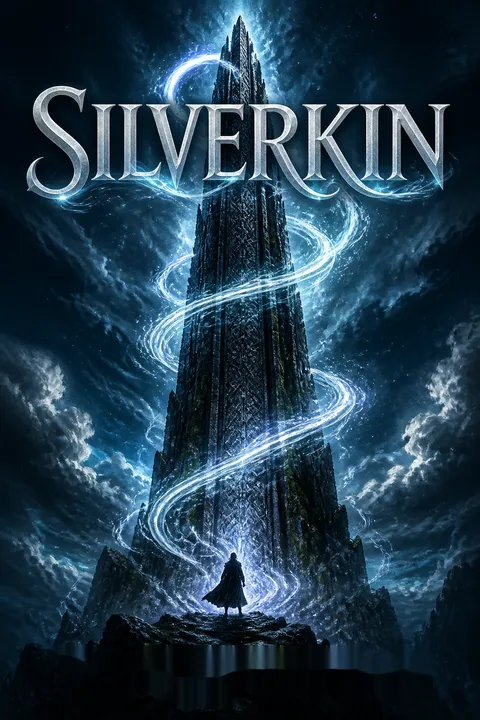

Plot Summary
Shackles and Sleepwalkers
The story opens with Thealos Quickfellow, a young Shae, bound and gagged by the Crimson Wolfsmen, being dragged back to his homeland to face charges of treason. His spirit is battered, but hope flickers as he waits for his enigmatic protector, Jaerod, the Sleepwalker. When Jaerod finally arrives, he dispatches the Wolfsmen with supernatural skill, freeing Thealos and whisking him away using Earth magic. Their escape is both physical and metaphysical, as Jaerod teaches Thealos to accept the magic that will shape his destiny. Thealos is thrust into a world of ancient oaths, forbidden magics, and the heavy burden of prophecy, setting the stage for a journey that will test his courage, loyalty, and very identity.
Dreams, Outcasts, and Ambush
Exeres Tallin, a half-Shae, half-human Zerite priest, is haunted by recurring dreams of a woman in a glass cage—an image of loneliness and isolation that mirrors his own life as an outcast. His journey south to aid the wounded in Landmoor is interrupted by a violent ambush, where his unique abilities and Shae heritage both endanger and save him. Rescued by a mysterious woodsman, Exeres witnesses the unnatural resurrection of the dead, hinting at the corrupting influence of forbidden magic. His struggle to belong, to heal, and to understand his visions becomes a parallel quest to Thealos', as both are drawn toward the heart of a gathering storm.
Healers and Haunted Eyes
In the aftermath of battle, Exeres tends to the wounded in Castun, aided by Ticastasy, a resilient human woman marked by loss. Their conversations reveal the deep scars left by war and magic, and the unique way Exeres' "blind" eye perceives the ebb of life in others. Ticastasy's grief for her friend Flent, and Exeres' own sense of alienation, create a bond of empathy and shared pain. The arrival of Jaerod, who tasks Exeres with a cryptic message for Landmoor, sets Exeres on a path that will force him to confront the darkness within himself and the world.
Gardens of Memory
Thealos, now a fugitive in his own homeland, finds himself in the gardens of Silverborne Palace, where he is captured and brought before Princess Laisha. Their tense reunion is fraught with political intrigue, personal longing, and the weight of prophecy. Thealos pleads for the Shae to intervene against the rising threat in the south, but is met with skepticism and the cold calculus of power. The presence of Laisha's younger sister, Lucyanna, and the shared pull of the Silverkin's magic, hint at a deeper connection and destiny. Thealos' isolation is palpable, as he faces judgment not only from his people, but from himself.
The Silverborne Sisters
Thealos' urgent warnings about the Silverkin and the forbidden magic in Landmoor are met with suspicion by Laisha and her chancellor, Abtalion. The revelation that only an heir of Quicksilver can wield the Silverkin, and that both Thealos and Laisha are called by its magic, deepens the stakes. The presence of Lucyanna, who also feels the pull, underscores the generational weight of prophecy and the burden of leadership. The chapter explores the tension between personal desire and public duty, as Laisha grapples with the cost of action and Thealos with the consequences of his choices.
Druid's Path to Landmoor
Exeres' journey to Landmoor is marked by hardship, suspicion, and the growing influence of Everoot—a magical plant that heals and corrupts. Captured and pressed into service as a healer, Exeres witnesses the devastating effects of forbidden magic on both the living and the dead. His encounters with Flent, now a prisoner, and the Bandit commander Tsyrke, reveal the tangled web of alliances and betrayals that define the conflict. The chapter is a meditation on the limits of healing, the cost of neutrality, and the insidious spread of darkness.
Messages and Manipulations
The narrative weaves together the journeys of Thealos and Exeres, as both are manipulated by forces beyond their understanding. Jaerod's cryptic instructions, the machinations of the Sorian—ancient beings wielding forbidden magic—and the political games of the Shae and humans, create a labyrinth of uncertainty. Exeres becomes a pawn in a struggle between Mage and Miestri, the Sorian adversaries, while Thealos is caught between loyalty to his people and the demands of prophecy. The chapter explores the psychological toll of manipulation, the hunger for agency, and the peril of half-truths.
Council, Trial, and Truths
Thealos faces the High Council of the Shae, accused of treason and forced to defend his actions and his very identity. The trial is a crucible of memory, guilt, and political maneuvering, as Thealos confronts his accusers, his estranged father, and the legacy of his family. The council's deliberations reveal the deep divisions within Shae society, the fragility of trust, and the high cost of truth. The chapter is a study in the performance of innocence, the weaponization of shame, and the redemptive power of confession.
Night Confessions
In the quiet of night, Thealos learns the true price of the Silverkin: its use will end the House of Silver's rule, and may cost him his life. Laisha's anguish, Abtalion's counsel, and the shadow of Safehome—the city of the Mages—converge in a moment of existential crisis. Thealos is forced to confront the possibility that his destiny is to break what he loves most, and that the path to salvation is paved with sacrifice. The chapter is a meditation on the limits of knowledge, the burden of leadership, and the agony of choice.
The Sorian's Shadow
As the Sorian's creature, the Vocus, is sent to kill Thealos, tragedy strikes: his family is murdered, and the city is plunged into terror. Thealos' grief is raw and uncontainable, fueling a resolve to confront the darkness head-on. The Sorian's power is revealed in full, as Exeres is forced to serve as a weapon against his will, and the boundaries between self and other, good and evil, blur. The chapter is a descent into the heart of darkness, where the cost of survival is innocence itself.
Ravinjon Rising
The Shae declare a Ravinjon—a war of total annihilation—against the Bandit Rebellion, as the city of Landmoor becomes a crucible of violence and magic. Thealos, Xenon, and their companions infiltrate the city, navigating treachery, fear, and the ever-present threat of the Sorian. The bonds of friendship, loyalty, and love are tested to the breaking point, as each character is forced to choose between self-preservation and sacrifice. The chapter is a symphony of action, despair, and the desperate hope for redemption.
The Crossroads of Fate
The final assault on Landmoor is a maelstrom of magic, steel, and will. Thealos, armed with the Oath magic and the support of his friends, faces the Vocus in a battle that is as much spiritual as physical. Exeres, freed from the Sorian's control, risks everything to prevent the destruction of the city. The convergence of destinies, the breaking of curses, and the forging of new bonds mark the turning point of the war. The chapter is a testament to the power of choice, the resilience of the human (and Shae) spirit, and the possibility of healing.
The Siege and the Silverkin
In the heart of the ruined city, Thealos claims the Silverkin, unleashing a wave of magic that purges the land of forbidden power but nearly destroys him in the process. The act is both triumph and tragedy, as the magic breaks his body and leaves him on the brink of death. The city is saved, the Sorian are banished, and the armies of Dos-Aralon and the Shae are forced to reckon with the new order. The chapter is a meditation on the cost of heroism, the meaning of sacrifice, and the hope of renewal.
The Breaking and the Healing
The war is over, but the wounds run deep. Thealos, broken in body and spirit, is nursed back to health by Ticastasy and Exeres, who grapple with their own scars and the uncertain future. The funeral of Thealos' family, the negotiations for peace, and the promise of new beginnings are tinged with grief and longing. The chapter is a quiet coda, a space for mourning, reflection, and the tentative steps toward healing.
Safehome's Promise
As Thealos is offered the governorship of Landmoor and the chance to shape a new future, the lessons of the past weigh heavily. The Mages of Safehome, Jaerod, and the surviving companions gather to reflect on what has been lost and what might yet be gained. The story ends with the promise of further journeys, the hope of reconciliation, and the enduring power of oaths—broken and kept—to shape the fate of worlds.
Analysis
Silverkin is a sweeping epic that interrogates the nature of power, the cost of tradition, and the possibility of redemption in a world riven by magic and memory. At its heart, the novel is a meditation on the paradox of breaking and healing: to save the world, one must be willing to be broken by it. The characters are defined by their willingness to bear burdens not of their own making, to choose sacrifice over safety, and to seek connection in the face of isolation. The plot devices—oath magic, prophecy, forbidden power—are not merely tools for adventure, but metaphors for the psychological and ethical dilemmas that define the human (and Shae) condition. The novel's lessons are both timely and timeless: that true strength lies in vulnerability, that healing requires the courage to face pain, and that the future is shaped not by destiny, but by the choices we make in the crucible of suffering. In a world where the temptation to shortcut, to dominate, and to despair is ever-present, Silverkin offers a vision of hope rooted in humility, resilience, and the enduring power of oaths—kept and broken—to shape the fate of worlds.
Review Summary
Silverkin receives a 4.34 rating from readers who praise Jeff Wheeler's seamless narrative style and engaging world-building. Most agree it's best read after Landmoor, the first book, as jumping in at book two creates confusion. Readers appreciate the complex characters, magic systems, and adventure, though some find too many plot threads and characters to track. Common complaints include overuse of the word "ban" and the series remaining unfinished. Many fans hope Wheeler returns to complete the storyline, calling it gripping and reminiscent of classic fantasy.
People Also Read


Characters
Thealos Quickfellow
Thealos is the son of a barter, marked by both privilege and alienation within Shae society. His journey is one of exile, self-discovery, and reluctant heroism. Haunted by guilt, loss, and the weight of prophecy, Thealos is driven by a desire to do what is right, even when it costs him everything. His relationship with Jaerod is both mentorship and challenge, as he is forced to confront the limits of his own strength and the meaning of sacrifice. Thealos' arc is one of breaking and remaking—physically, emotionally, and spiritually—as he learns that true power lies not in magic, but in the willingness to be broken for others.
Jaerod (The Sleepwalker)
Jaerod is a Sleepwalker, a member of the Ravinir—an order sworn to oppose the Sorian and protect the world from forbidden magic. He is both guide and test for Thealos, offering wisdom, training, and the hard truths that shape a hero. Jaerod's own burdens are heavy, marked by loss, loneliness, and the agony of keeping oaths that demand everything. His relationship with Thealos is deeply paternal, yet tinged with the sadness of one who knows the cost of destiny. Jaerod embodies the paradox of the Ravinir: to break is to be broken, and only through suffering can true healing come.
Exeres Tallin
Exeres is a half-Shae, half-human Zerite priest, marked by his unique ability to see the ebb of life and his recurring dreams of a woman in a glass cage. His journey is one of self-acceptance, as he navigates the prejudices of both worlds and the temptations of forbidden magic. Exeres' compassion, intelligence, and resilience make him both a healer and a fighter, willing to risk everything to save others. His struggle with the Sorian's control, and his eventual liberation, mirror the larger battle for the soul of the world.
Ticastasy
Ticastasy is a human woman whose life is marked by loss, loyalty, and the refusal to be broken by circumstance. Her friendship with Thealos, her grief for Flent, and her courage in the face of danger make her the emotional anchor of the story. Ticastasy's journey is one of agency—choosing to fight, to heal, and to love, even when the world seems determined to crush her. Her relationship with Thealos is complex, blending friendship, longing, and the bittersweet knowledge that some wounds never fully heal.
Laisha Silverborne
Laisha is the ruler of Avisahn, burdened by the expectations of her lineage and the demands of prophecy. Her intelligence, strength, and vulnerability make her both a formidable leader and a deeply human character. Laisha's relationship with Thealos is fraught with political and personal tension, as she must choose between duty and desire, tradition and change. Her arc is one of awakening—learning to trust herself, to act decisively, and to accept the cost of leadership.
Xenon
Xenon is the leader of the Crimson Wolfsmen, a figure of authority, pride, and unyielding loyalty to the Shae order. His relationship with Thealos is antagonistic, marked by suspicion, rivalry, and a grudging respect. Xenon's arc is one of confrontation with his own limitations, as he is forced to recognize the inadequacy of tradition in the face of new threats. His eventual acceptance of Thealos' leadership is a testament to the possibility of change, even in the most rigid of hearts.
Flent Shago
Flent is a Drugaen, marked by strength, humor, and a fierce loyalty to his friends. His journey from death to resurrection, from the mines to the heart of battle, is a testament to the resilience of the human (and Drugaen) spirit. Flent's relationship with Ticastasy and Thealos is one of deep affection, and his willingness to fight, to die, and to live again for his friends is a model of selfless courage.
Justin (Ravin Kil-Silversheir)
Justin is a Shae Warder whose mind is shattered by the Sorian's control. His journey is one of loss, confusion, and the desperate search for self. Justin's struggle to break free, to atone for his actions, and to reclaim his place among his people is a microcosm of the larger battle between freedom and domination, light and darkness.
Mage (The Sorian)
Mage is one of the Sorian, beings of immense power and inscrutable motives. His relationship with Exeres, Tsyrke, and the world at large is one of manipulation, control, and the relentless pursuit of his own ends. Mage's arc is a study in the corrupting influence of power, the loneliness of immortality, and the possibility of change—even for the oldest and most broken of beings.
Miestri (The Sorian)
Miestri is the other Sorian, a figure of beauty, terror, and insatiable hunger. Her manipulation of Exeres, her creation of the Vocus, and her orchestration of the war mark her as the primary antagonist. Miestri's power is both seductive and annihilating, a force that consumes all who draw near. Her ultimate defeat is a testament to the resilience of hope, the power of oaths, and the possibility of redemption.
Plot Devices
Oath Magic and the Well of Memory
The Oath magic is the central plot device, a system of power rooted in ancient promises and the collective memory of the Ravinir. It grants access to the skills, knowledge, and strength of all who have sworn the Nine Oaths, but at a terrible price: to break is to be broken. The magic is both a blessing and a curse, offering the possibility of heroism and the certainty of suffering. The device is used to explore themes of tradition, sacrifice, and the tension between individual will and communal responsibility.
Foretelling and Prophecy
The use of Foretelling—visions of the past, present, and possible futures—shapes the actions and motivations of the characters. Prophecy is both a guide and a trap, offering glimpses of what might be while binding the characters to paths they may not choose. The device is used to explore the limits of knowledge, the agony of choice, and the possibility of breaking free from fate.
The Sorian and Forbidden Magic
The Sorian, wielders of forbidden magic, are both literal and symbolic antagonists. Their power is seductive, offering healing, resurrection, and victory—but always at the cost of freedom, innocence, and the natural order. The device is used to explore the dangers of unchecked ambition, the allure of shortcuts, and the necessity of boundaries.
The Crossroads and Stepwalking
The ability to "walk the Crossroads"—to move through space and time using magic—is both a literal means of escape and a metaphor for the journey of self-discovery. The device is used to explore the permeability of boundaries, the possibility of transformation, and the necessity of courage in the face of the unknown.
Ravinjon and the Ethics of War
The declaration of Ravinjon—a war of total annihilation—is both a plot device and a moral crucible. It forces the characters to confront the limits of mercy, the meaning of justice, and the agony of survival at any cost. The device is used to explore the ethics of war, the possibility of redemption, and the hope of healing.
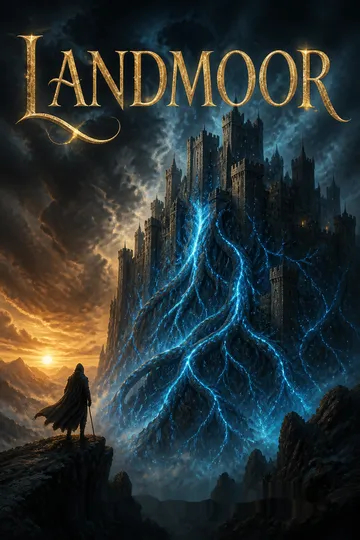
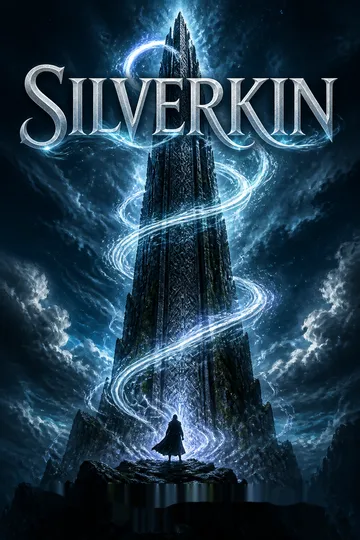
Landmoor Series Series
About the Author


Download PDF
Download EPUB
.epub digital book format is ideal for reading ebooks on phones, tablets, and e-readers.








































