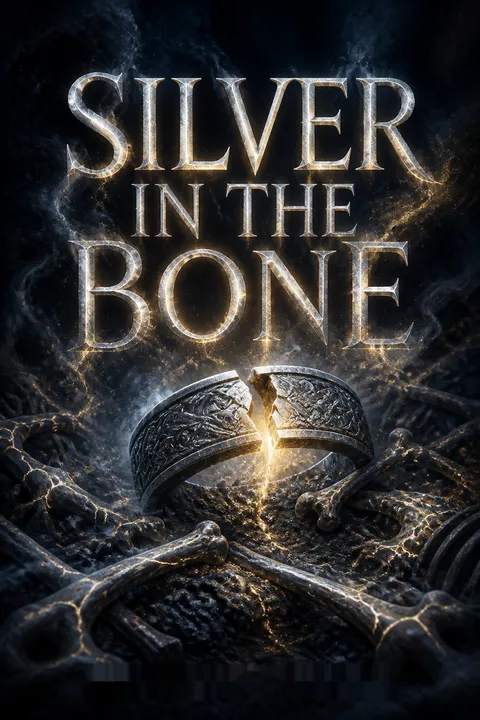

Plot Summary
Abandoned in the Veins
Tamsin Lark's earliest memory is being left behind—by her guardian Nash, by the world, and sometimes even by her brother Cabell. Raised as "Hollowers," scavengers of magical relics, Tamsin and Cabell learn early that trust is a luxury they can't afford. Their lives are shaped by the Veins, magical passageways that connect hidden vaults, and by the constant threat of curses and betrayal. When Nash disappears after a fateful job, the siblings are left to fend for themselves, haunted by the trauma of abandonment and the need to survive in a world that has no place for them. Tamsin's anger and resilience are forged in these moments, setting the tone for a life spent on the edge of danger and hope.
Siblings Against the World
Orphaned and unwanted, Tamsin and Cabell become each other's only family. Their relationship is defined by fierce loyalty and the shared struggle to survive as outcasts among Hollowers and magic users. Tamsin, lacking magic, compensates with sharp wit and a photographic memory, while Cabell's rare ability to break curses makes him both valuable and vulnerable. Together, they navigate a world of sorceresses, relics, and shifting alliances, always aware that the world sees them as expendable. Their bond is tested by poverty, prejudice, and the ever-present threat of Cabell's own curse—a monstrous transformation that neither can fully control.
Cursed and Unchosen
Cabell's curse, which turns him into a monstrous hound, is a constant source of fear and shame. Tamsin's inability to break it, or even to wield magic herself, deepens her sense of inadequacy. The siblings' search for a cure becomes an obsession, driving them to take dangerous jobs and make risky bargains. Tamsin's resentment at being "unchosen" by magic is matched only by her determination to protect Cabell at any cost. Their dynamic is fraught with guilt, love, and the desperate hope that somewhere, there is a way to save him—and perhaps herself—from a fate they never chose.
The Hollower's Life
Tamsin and Cabell's life as Hollowers is a precarious balance of research, negotiation, and theft. They take on jobs for both Cunningfolk and sorceresses, navigating a black market of relics and favors. Tamsin supplements their income with a fake tarot-reading gig, hiding her true skills and the reality of their magical world from outsiders. The siblings' reputation is tainted by Nash's legacy and their own outsider status, forcing them to rely on each other and a handful of reluctant allies. Every job is a gamble, and every client a potential threat, but Tamsin's resourcefulness and Cabell's rare talent keep them afloat—barely.
Rivals and Relics
The arrival of Emrys Dye, the privileged and infuriatingly talented scion of a powerful Hollower family, upends Tamsin's world. Emrys is both rival and reluctant ally, his charm and skill masking deeper wounds. The competition for legendary relics—especially the fabled Ring of Dispel—intensifies, drawing Tamsin, Cabell, and Emrys into a dangerous game with high stakes. The guild's politics, the lure of magical power, and the ever-present threat of betrayal make every alliance fragile. Tamsin's rivalry with Emrys is complicated by grudging respect, shared trauma, and a growing attraction that neither can fully admit.
The Sorceress's Challenge
A job for the enigmatic Sorceress Madrigal sets Tamsin and Emrys on a collision course. Madrigal's challenge—to recover the Servant's Prize, a legendary artifact—pits them against each other and against the wider world of Hollowers and sorceresses. The competition is as much about proving worth as it is about survival, and the cost of failure is high. Tamsin's lack of magic becomes both a liability and a source of ingenuity, as she navigates traps, curses, and the shifting loyalties of her rivals. The challenge forces her to confront her own limitations and the true nature of power in a world ruled by magic and myth.
The Servant's Prize
The Servant's Prize is revealed to be the Ring of Dispel, a relic capable of breaking any curse—but only if claimed through deadly force. The revelation that Nash disappeared while trading for the ring adds a personal stake to the quest. Tamsin's hope that the ring can save Cabell is tempered by the knowledge that to wield it, she may have to kill. The search for the ring becomes a race against time and enemies, drawing Tamsin, Cabell, Emrys, and the self-taught sorceress Neve into a web of secrets, betrayals, and ancient magic. The ring's history is entwined with Arthurian legend, and its power is both a promise and a threat.
The Curse Unleashed
As the quest intensifies, Cabell's curse grows more volatile, threatening both his life and Tamsin's. A violent transformation nearly kills Tamsin, forcing her to confront the limits of her ability to save him. The siblings' relationship fractures under the strain, as Cabell's despair and Tamsin's desperation drive them apart. The cost of power—its tendency to take more than it gives—becomes painfully clear. Tamsin's willingness to risk everything, including her own humanity, is tested as she seeks forbidden solutions and bargains with dangerous powers. The line between savior and monster blurs, and the true price of love is revealed.
Into Avalon's Wasteland
The search for Nash and the ring leads Tamsin, Cabell, Emrys, and Neve into Avalon, a once-mythic land now ravaged by a mysterious curse. The journey is perilous, as the group is forced to ally with rivals and navigate a landscape filled with undead horrors—the Children of the Night. Avalon's decay mirrors the characters' own struggles, and the quest for the ring becomes a fight for survival. The group's arrival upsets the fragile balance of power among Avalon's priestesses, the Nine, and sets in motion events that will determine the fate of both worlds. The wasteland is both a physical and emotional crucible, testing every bond and belief.
The Children of the Night
Avalon's curse has transformed its dead into monstrous revenants, the Children of the Night, who hunt the living and threaten to overrun the last sanctuary—the tower of the Nine. Tamsin and her companions must fight not only these external threats but also the darkness within themselves. The battle for survival forces unlikely alliances, as secrets are revealed and old wounds reopened. The line between human and monster becomes increasingly blurred, especially for Cabell, whose curse resonates with the magic animating the Children. The struggle to hold onto hope, identity, and each other becomes as important as any physical fight.
The Nine and the Tower
Within the tower, Tamsin, Neve, and the others find a fragile refuge among the Nine priestesses of Avalon. The survivors are divided by grief, suspicion, and the weight of tradition. The hope of breaking the curse rests on a ritual of renewal, but the priestesses' power is diminished, and the necessary artifacts are lost or corrupted. Tamsin's outsider status becomes both a liability and a source of insight, as she challenges the old ways and forges new bonds. The tower becomes a crucible for transformation, as the characters confront their pasts, their fears, and the possibility of redemption—or destruction.
Secrets Beneath the Roots
Beneath the tower, Tamsin and Emrys discover a hidden chamber filled with bone sculptures, forbidden magic, and the lingering presence of Lord Death. The secrets of Avalon's downfall are revealed to be more complex and tragic than anyone realized, implicating both priestesses and sorceresses in a cycle of betrayal and vengeance. The true nature of the curse, the origin of the Children, and the role of the Ring of Dispel are all entwined with ancient bargains and broken promises. The past is not dead—it is a living force, shaping the present and threatening to consume the future.
Betrayal and Revelation
As the final ritual approaches, betrayals come to light. Cabell, seduced by the promise of belonging and power, allies himself with Lord Death, who has possessed the body of King Arthur. The revelation that the ritual to restore Avalon is actually the key to unleashing Lord Death upon the mortal world shatters the survivors' hopes. Tamsin is forced to confront the ultimate betrayal—not just by her brother, but by the very forces she sought to trust. The cost of love, loyalty, and ambition is laid bare, and the characters must choose between sacrifice and survival.
The Ritual of Renewal
With Avalon on the brink of annihilation, Tamsin, Neve, Caitriona, and Olwen attempt the ritual of renewal, hoping to break the curse and restore the land. The ceremony is both a magical and emotional trial, as the survivors channel their grief, hope, and power into a final act of defiance. The ritual's true purpose is revealed—to merge Avalon with the mortal world, unleashing both its wonders and its horrors. The boundaries between worlds, life and death, and past and present dissolve, forcing the characters to confront the consequences of their choices and the reality of loss.
The Price of Power
The ritual's success comes at a devastating cost. Avalon is restored, but the survivors are left to mourn the dead and reckon with the new world they have created. Tamsin's grief for Cabell, the loss of friends and allies, and the knowledge that Lord Death now walks the mortal world are almost too much to bear. The survivors must find meaning in the ashes, forging new bonds and identities in the face of overwhelming loss. The price of power is revealed to be not just sacrifice, but the willingness to endure and rebuild.
The World Collides
The collision of Avalon and the mortal world is both wondrous and catastrophic. Magic, monsters, and ancient secrets are unleashed upon an unsuspecting humanity. The survivors must navigate a transformed landscape, where old rules no longer apply and new dangers lurk at every turn. The boundaries between myth and reality, past and present, are forever altered. Tamsin, Neve, Caitriona, and Olwen must decide what role they will play in this new world—protectors, avengers, or something else entirely.
Lord Death Ascendant
With Lord Death ascendant and Cabell at his side, the threat to both worlds is greater than ever. The survivors are left with more questions than answers, and the promise of new battles to come. Yet even in the face of overwhelming darkness, hope endures. Tamsin's journey—from abandoned child to reluctant hero—is not over. The bonds of love, friendship, and chosen family are tested but not broken. The story ends with the promise of new beginnings, and the knowledge that even in a world of magic and monsters, the greatest power is the courage to choose one's own fate.
Analysis
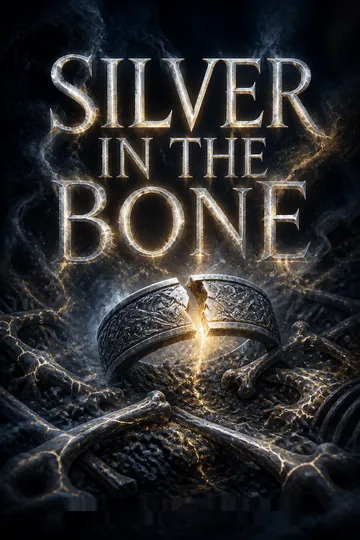
Silver in the Bone is a dark, emotionally charged reimagining of Arthurian legend, filtered through the lens of trauma, survival, and the search for belonging. Alexandra Bracken crafts a world where magic is both a blessing and a curse, and where the greatest battles are fought not with swords, but with the heart. The novel interrogates the cost of power, the pain of abandonment, and the possibility of healing in a world that seems determined to break its heroes. At its core, the story is about the courage to choose—family, hope, and self—in the face of overwhelming darkness. The collision of myth and reality, the blurring of boundaries between worlds, and the relentless questioning of what it means to be "chosen" make Silver in the Bone a resonant tale for modern readers. Its lessons are hard-won: that love is both a risk and a refuge, that survival is not the same as living, and that even in a world of monsters, the greatest magic is the willingness to hope.
Review Summary
Silver in the Bone receives mixed reviews, with an overall rating of 3.87/5. Readers praise the intriguing plot, unique magic system, and engaging characters, particularly enjoying the enemies-to-lovers romance. However, some find the pacing slow and world-building confusing. The Arthurian-inspired fantasy is described as darker than expected, with a cliffhanger ending leaving readers eager for the sequel. Critics note underdeveloped characters and dialogue issues. Despite polarized opinions, many fans of the author's previous works appreciate this new series.
People Also Read


Characters
Tamsin Lark
Tamsin is the heart of the story—a survivor shaped by abandonment, poverty, and the relentless need to protect her brother Cabell. Lacking magic in a world that prizes it, she compensates with intelligence, memory, and sheer willpower. Her psychological landscape is defined by a deep fear of being unwanted and a desperate hope for belonging. Tamsin's journey is one of self-discovery, as she confronts her own limitations, the cost of love, and the meaning of power. Her relationships—with Cabell, Emrys, Neve, and the priestesses—are fraught with tension, loyalty, and the ever-present threat of betrayal. Tamsin's greatest strength is her refusal to give up, even when hope seems lost.
Cabell Lark
Cabell is both Tamsin's greatest love and her greatest source of pain. His curse—transforming into a monstrous hound—makes him both valuable and dangerous. Cabell's psychological struggle is rooted in shame, fear, and the longing to be seen as more than a problem to be solved. His relationship with Tamsin is complex, marked by love, resentment, and the burden of being "saved." Cabell's eventual alliance with Lord Death is both a betrayal and a tragic search for belonging. His arc is a meditation on the nature of monstrosity, the desire for agency, and the cost of being defined by others' fears.
Emrys Dye
Emrys is Tamsin's rival and reluctant ally, a scion of a powerful Hollower family with a talent for magic and a knack for getting under Tamsin's skin. Beneath his charm and bravado lies a deep well of pain, shaped by an abusive father and the pressure of legacy. Emrys's psychological journey is one of vulnerability and self-acceptance, as he learns to trust others and confront his own trauma. His relationship with Tamsin is a slow-burning romance, built on mutual respect, shared wounds, and the recognition of each other's worth. Emrys's choices—especially his ultimate betrayal—are driven by a complex mix of love, fear, and the desire to escape his past.
Neve Goode
Neve is a self-taught sorceress, determined to prove herself in a world that values lineage and tradition. Her optimism and kindness are both a strength and a vulnerability, as she navigates prejudice and the burden of being an outsider. Neve's psychological landscape is shaped by the search for identity, the longing for acceptance, and the courage to hope in the face of despair. Her friendship with Tamsin is a source of healing and growth for both, challenging Tamsin's cynicism and offering a model of chosen family. Neve's role in the ritual of renewal is both a fulfillment of her dreams and a test of her resilience.
Caitriona of the Nine
Caitriona is the de facto leader of Avalon's priestesses, a figure defined by duty, loss, and the weight of tradition. Her psychological struggle is the tension between honoring the past and embracing change. Caitriona's grief for her fallen sisters and the destruction of Avalon is matched by her determination to protect what remains. Her relationship with Tamsin and Neve is initially fraught with suspicion, but evolves into mutual respect and solidarity. Caitriona's arc is one of letting go—of old beliefs, of the need for control, and of the illusion of safety.
Olwen
Olwen is Avalon's healer, a half-naiad whose compassion and wisdom make her a stabilizing force among the survivors. Her psychological landscape is shaped by the tension between faith and pragmatism, tradition and innovation. Olwen's belief in the possibility of renewal, even in the face of overwhelming loss, is both inspiring and heartbreaking. She serves as a bridge between the old world and the new, advocating for change while honoring the past. Olwen's relationship with Caitriona, Neve, and Tamsin is one of gentle guidance and fierce loyalty.
Lord Death (King Arthur)
Lord Death is the story's ultimate antagonist—a god of death and winter, once known as King Arthur, now a force of destruction and revenge. His psychological landscape is defined by wounded pride, the desire for power, and the need to punish those who betrayed him. Lord Death's manipulation of Cabell and the survivors is both personal and cosmic, reflecting the story's themes of legacy, betrayal, and the cyclical nature of violence. His presence is a constant reminder of the dangers of unchecked ambition and the cost of ancient bargains.
Nashbury Lark
Nash is Tamsin and Cabell's guardian, a figure whose absence shapes their lives as much as his presence once did. His legacy is one of stories, secrets, and unresolved trauma. Nash's disappearance is both a mystery and a wound, driving Tamsin's quest for answers and Cabell's search for belonging. His eventual return complicates the story's resolution, raising questions about forgiveness, responsibility, and the possibility of healing old wounds.
The Nine Priestesses
The Nine are the spiritual and magical heart of Avalon, each defined by unique strengths, weaknesses, and relationships. Their psychological landscape is one of collective grief, the struggle to adapt, and the tension between tradition and survival. The loss of their sisters, the failure of their rituals, and the destruction of their world force them to confront the limits of faith and the need for change. Their interactions with Tamsin, Neve, and the others are a microcosm of the story's larger themes—loss, renewal, and the power of chosen family.
The Children of the Night
The Children are both literal monsters and metaphors for the story's psychological and emotional stakes. Born of a curse, they are the corrupted dead—once friends, family, and lovers, now mindless predators. Their existence forces the survivors to confront the nature of monstrosity, the cost of survival, and the possibility of redemption. The Children's presence blurs the line between victim and villain, human and monster, past and present.
Plot Devices
Dual Worlds and Liminal Spaces
The narrative structure hinges on the interplay between the mortal world and Avalon, with Veins, portals, and hidden passages serving as both literal and metaphorical bridges. These liminal spaces are sites of transformation, danger, and revelation, reflecting the characters' own journeys between innocence and experience, hope and despair. The collapse of boundaries—between worlds, between life and death, between self and other—is both a source of magic and a threat to identity. The story uses these spaces to explore themes of belonging, exile, and the search for home.
Curses, Relics, and the Cost of Power
Curses and relics are central plot devices, embodying the story's meditation on the cost of power. The Ring of Dispel, the Hand of Glory, and the various magical artifacts are not just tools—they are symbols of desire, sacrifice, and the dangers of unchecked ambition. The narrative uses these objects to explore the psychological toll of longing, the temptation of easy solutions, and the inevitability of unintended consequences. Every act of magic is a bargain, and every bargain has a price.
Unreliable Narrators and Shifting Truths
The story is structured around secrets, half-truths, and the unreliability of memory. Tamsin's photographic recall is both a gift and a curse, as the past is never truly past. The narrative uses journals, Immortalities, and oral storytelling to layer competing versions of events, forcing characters and readers alike to question what is real. Betrayals, revelations, and shifting alliances keep the plot in constant motion, mirroring the characters' own uncertainty and the instability of the world around them.
Ritual, Sacrifice, and Chosen Family
Rituals—both magical and mundane—structure the story's emotional arc. The ritual of renewal, the daily acts of care and survival, and the forging of new bonds all serve as sites of transformation. The story uses these moments to explore the meaning of family, the possibility of healing, and the necessity of letting go. The survivors' willingness to risk everything for each other is both their greatest strength and their greatest vulnerability.
Foreshadowing and Cyclical Structure
The narrative is rich with foreshadowing, from the opening scenes of abandonment to the final confrontation with Lord Death. The cyclical nature of the story—echoing the Wheel of the Year, the rise and fall of kings, and the endless return of loss and hope—reinforces its themes. The ending is both a resolution and a beginning, promising new battles, new wounds, and the enduring possibility of redemption.
Silver in the Bone Series
About the Author
Other books by Alexandra Bracken

Download PDF
Download EPUB
.epub digital book format is ideal for reading ebooks on phones, tablets, and e-readers.








































